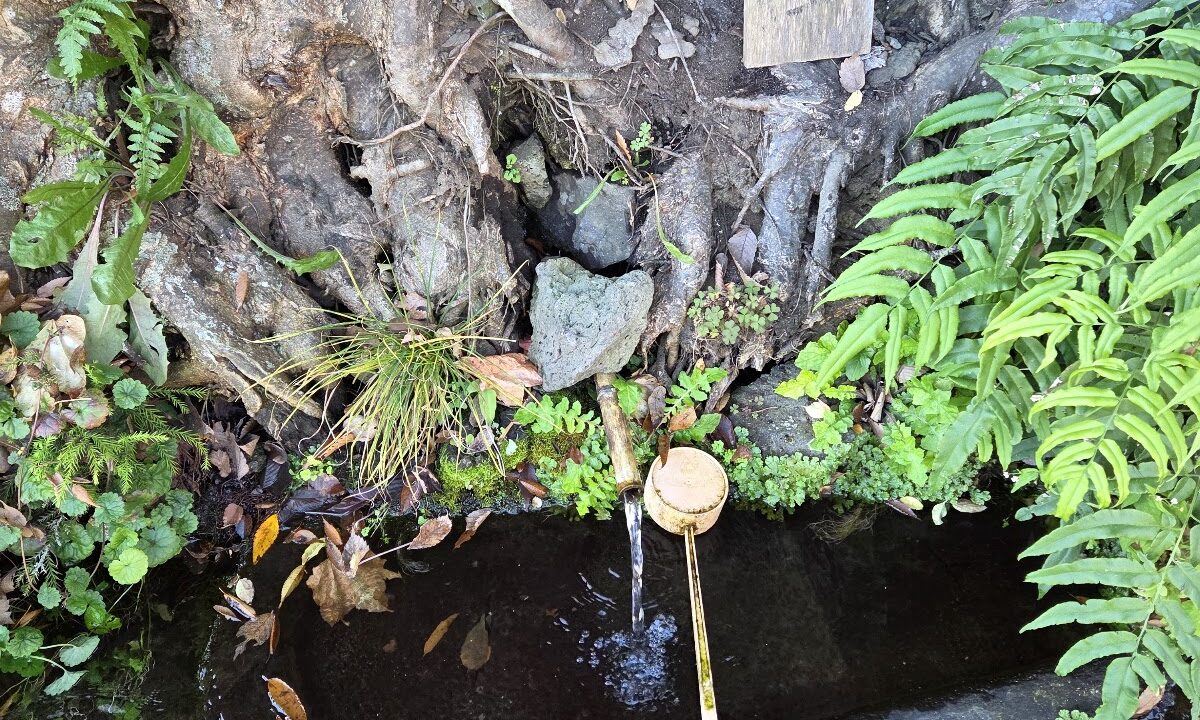
Complete Guide to Tokamichi Spring Water (Yamanashi Prefecture): Visiting Famous Waters in Search of Mount Fuji’s Blessings
The Tokamichi and Natsugari spring water groups located in Tsuru City, Yamanashi Prefecture, are precious water environments where snowmelt from Mount Fuji travels through underground layers over long periods and emerges as clear spring water on the surface. Selected as one of the Heisei Era’s One Hundred Famous Waters, this spring water group supports the lives of local residents through its abundant water volume and excellent water quality, nurturing a unique water culture.
This article comprehensively introduces the charm of Tokamichi spring water, major spring water points, connections to regional specialty products, and access methods—all the information needed to visit these famous waters.
What is the Heisei Era’s One Hundred Famous Waters? Why Tokamichi and Natsugari Spring Water Groups Were Selected
Overview of the Heisei Era’s One Hundred Famous Waters
The Heisei Era’s One Hundred Famous Waters are excellent water environments throughout Japan selected by the Ministry of the Environment in 2008 (Heisei 20). Following the “Showa Era’s One Hundred Famous Waters” selected in 1985, this second edition targeted water environments closely connected to regional life where active conservation activities are being conducted.
The Tokamichi and Natsugari spring water groups are among the Heisei Era’s One Hundred Famous Waters selected from Yamanashi Prefecture. Combined with the Showa Era selections, Yamanashi Prefecture has a total of seven locations designated as Famous Waters, truly deserving the title of a “treasure trove of famous waters.”
Characteristics That Led to Selection
The Tokamichi and Natsugari spring water groups were selected as Heisei Era’s One Hundred Famous Waters for the following reasons:
Abundant Water Volume: With over 10 spring discharge points, the combined spring water volume is extremely abundant. This water is also utilized as a water source for Tsuru City’s municipal water supply, supporting the region’s living foundation.
Stable Water Quality: Water temperature remains around 12°C throughout the year, and water quality is exceptionally good. Mount Fuji’s volcanic ash and gravel serve as natural filters, with water polished over long periods emerging as spring water.
Connection to the Community: The water is utilized by local residents for diverse purposes including agriculture, municipal water sources, specialty product cultivation, and aquaculture, making it the most familiar water environment to residents.
Active Conservation Activities: Regular cleaning activities and water quality conservation efforts are implemented by local residents, striving to maintain sustainable water environments.
The Origins of Tokamichi and Natsugari Spring Water Groups: Gifts from Mount Fuji
The Mechanism of Mount Fuji’s Groundwater Flowing Out as Springs
The water source of the Tokamichi and Natsugari spring water groups is located approximately 30 kilometers in straight-line distance from Mount Fuji’s summit. Rain and snow that fall on Mount Fuji permeate through layers with high water permeability characteristic of volcanoes, penetrating deep underground.
Water that falls on Mount Fuji’s slopes passes through volcanic ash and gravel as filters, with impurities removed while slowly reaching the underground water veins. This natural filtration process is believed to take tens to hundreds of years.
Some of the several water veins sleeping underground emerge as springs from the ground surface through the Tokamichi and Natsugari districts of Tsuru City as their outlets. Water ceaselessly flowing from gaps in lava fields is truly a gift from Mount Fuji.
Stable Water Temperature and Quality Year-Round
One major characteristic of the Tokamichi and Natsugari spring water groups is the stable water temperature of approximately 12°C throughout the year. Cold in summer and relatively warm in winter, this water temperature is a characteristic unique to groundwater passing through deep underground layers.
This stable water temperature and excellent water quality enable the cultivation of water-splashed vegetables, wasabi, and watercress, as well as the aquaculture of trout and other fish, all described later.
Teaching You the Spring Water Points! Complete Guide to Major Spots
The Tokamichi and Natsugari spring water groups, true to their name, consist of multiple spring discharge points. Here we introduce major spots particularly worth visiting.
1. Eijuin Temple’s Spring Water
Most Recommended Water-Collecting Spot
Eijuin Temple is among the most popular spring water spots in the Tokamichi and Natsugari spring water groups. This temple, with the mountain name “Suigen-san” (Water Source Mountain), is blessed with abundant spring water as its name suggests.
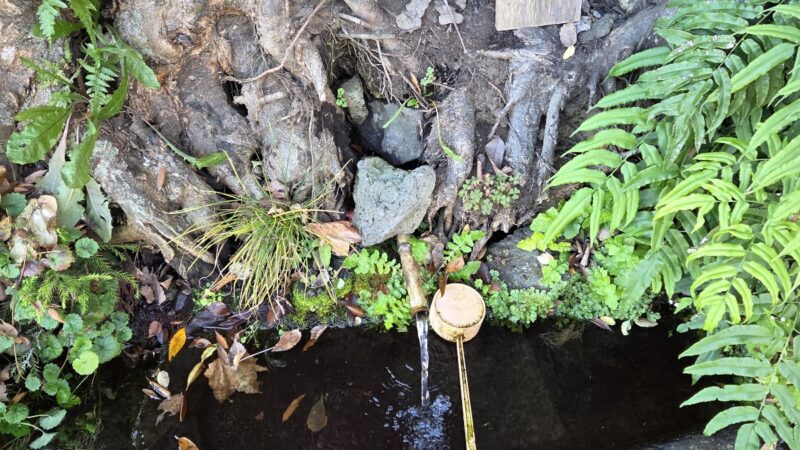
The temple grounds feature a well-maintained water-collection area, and not only local residents but also people from distant areas come to collect water. The spring water has high transparency, flowing ceaselessly as cold, clear water.
Access and Usage Tips
- Within walking distance from Tokamichi Station on the Fuji Kyuko Line
- It is recommended to bring water containers for collection
- As this is a temple’s grounds, please use it quietly
- Parking spaces are limited, so public transportation is recommended
Eijuin Temple’s spring water is known as the best spot for water collection within the Tokamichi and Natsugari spring water groups, and is recommended as the first stop for first-time visitors.
2. Taro and Jiro Waterfalls
Impressive Spring Water Waterfalls
The Taro and Jiro Waterfalls are waterfalls created by spring water in the Natsugari district. These two falls, given the familiar names “Taro” and “Jiro,” allow you to witness spring water flowing down with vigor.
The scene of spring water falling as a waterfall gives a real sense of the abundant water volume of the Tokamichi and Natsugari spring water groups. The area surrounding the waterfalls is enveloped in greenery, providing a healing space where you can feel negative ions.
Viewing Tips
- Accessible on foot from Higashikatsura Station on the Fuji Kyuko Line
- The sound of the waterfalls and the flow of clear water are pleasant
- Particularly cool in summer and popular as a summer retreat spot
- Recommended as a photography spot
3. Chokei Temple’s Spring Water
Chokei Temple is also one of the important spots in the Tokamichi and Natsugari spring water groups. Spring water exists in and around the temple grounds, making it a place where you can feel the region’s water culture.
By visiting it together with Eijuin Temple and the Taro and Jiro Waterfalls, you can gain a deeper understanding of the entire spring water group.
Other Spring Water Points
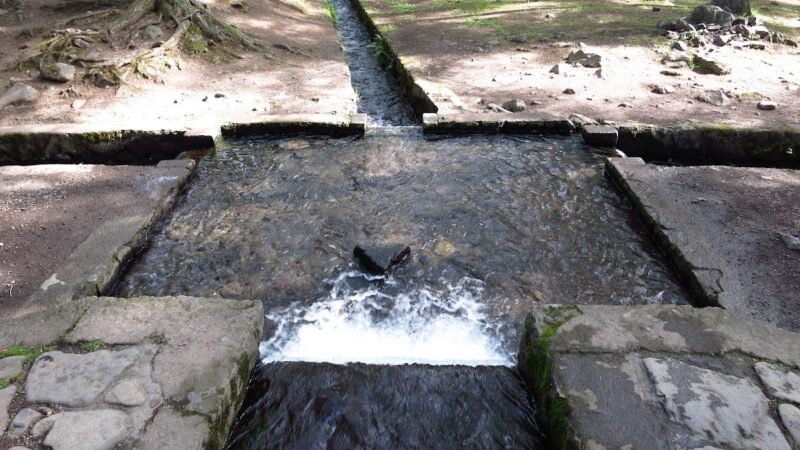
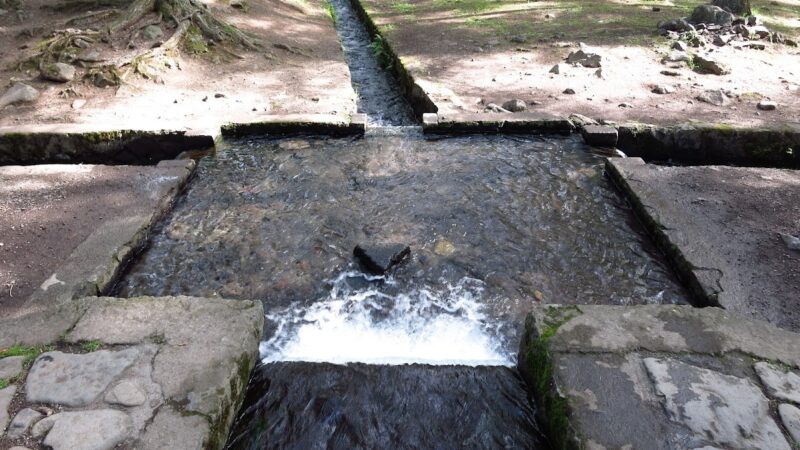
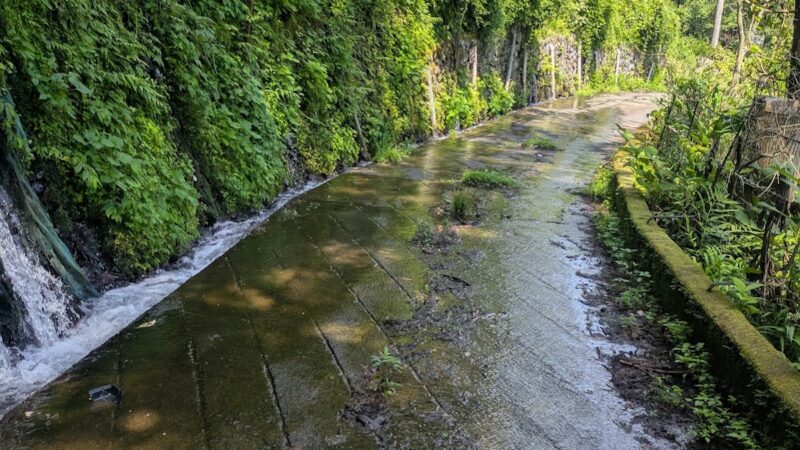
Beyond the major spots mentioned above, the Tokamichi and Natsugari spring water groups have numerous spring pools and irrigation channels scattered throughout the area. Walking between Tokamichi Station and Higashikatsura Station on the Fuji Kyuko Line, you can see clear water flowing through irrigation channels even in residential areas.
The landscape of spring water blended into daily life is the true charm of the Tokamichi and Natsugari spring water groups.
Regional Specialty Products Cultivated by Spring Water: Mizukake-na, Wasabi, and Watercress
The abundant and clear water of the Tokamichi and Natsugari spring water groups serves as the source nurturing Tsuru City’s specialty products.
Water-Splashed Vegetables (Mizukake-na)
Winter Delicacy Representative of Tsuru City
Mizukake-na is a winter vegetable known as a specialty product of Tsuru City. True to its name, it is cultivated by “splashing” spring water on the growing plants.
By continuously splashing spring water with a stable year-round temperature of approximately 12°C, the mizukake-na is protected from winter’s cold while growing, developing a soft, sweet, and unique flavor. Even during times of frost, the temperature of the spring water protects it from freezing, making it a precious winter green vegetable.
Mizukake-na is used in various dishes including boiled greens, pickles, and stir-fries, enriching the region’s dining tables.
Wasabi Cultivation
Fragrant Wasabi Nurtured by Clear Streams
Wasabi is a crop that can only be cultivated in environments with abundant clear flowing water and strict growing conditions. The abundant water volume of the Tokamichi and Natsugari spring water groups, stable water temperature, and excellent water quality provide an ideal environment for wasabi cultivation.
Wasabi cultivated in Tsuru City grows nourished by Mount Fuji’s groundwater, resulting in high-quality products with distinctive fragrance and a pleasant sweetness within their spiciness.
Watercress Cultivation
Leafy Vegetables Leveraging Spring Water
Watercress is a plant that prefers clear flowing water. The water of the Tokamichi and Natsugari spring water groups is utilized for watercress cultivation, producing fresh, piquantly sharp watercress.
Watercress used in salads, soups, and as garnishes for meat dishes is gaining attention as a health vegetable.
Trout and Other Aquaculture
Delicious Fish Nurtured by Clear Streams
The clear water of the Tokamichi and Natsugari spring water groups is also utilized for the aquaculture of trout (masu) and other fish. The cold, oxygen-rich spring water provides an ideal environment for trout aquaculture.
Such farmed fish are served at local restaurants and sold at direct sales shops, remaining popular with tourists visiting Tsuru City.
Access to Tokamichi and Natsugari Spring Water Groups and Scenic Walk Guide
Access by Public Transportation
Train Access
- Tokamichi Station or Higashikatsura Station on the Fuji Kyuko Line are the nearest stations
- Approximately 1 hour 40 minutes by express from Shinjuku Station; transfer to the Fuji Kyuko Line at Otsuki Station
- Major spring water spots are within walking distance from Tokamichi Station
Access by Car
Via the Chuo Expressway
- Approximately 10 minutes from Tsuru IC
- Approximately 15 minutes from Otsuki IC
- ※Parking spaces at each spot are limited; advance confirmation is recommended
Recommended Scenic Walk Courses
Yamanashi Hiking Courses 100 Selection
The course visiting the Tokamichi and Natsugari spring water groups has been selected as part of the “Yamanashi Hiking Courses 100 Selection.” Since it is a course through town, you can walk it comfortably in sneakers rather than hiking boots.
Model Course (Approximately 2-3 Hours)
- Start at Tokamichi Station
- Eijuin Temple’s spring water (water collection and viewing)
- Scenic walk observing irrigation channels throughout town
- Chokei Temple
- Taro and Jiro Waterfalls
- End at Higashikatsura Station
This course allows you to efficiently visit spots unique to a town of spring water. The scenic walk observing clean spring water flowing through town is a luxury experience impossible to find in urban areas.
Precautions and Etiquette During Visits
Water-Collection Etiquette
- Avoid monopolizing for long periods; share the space in a spirit of cooperation
- Always take trash with you
- Act quietly on temple grounds
Environmental Conservation Considerations
- Do not litter in spring water or irrigation channels
- Do not damage plants or creatures
- Do not trespass on private land
This precious water environment is protected by local residents’ conservation activities. Each visitor following proper etiquette can help preserve this wonderful spring water for the future.
Map Information and GPS Coordinates
Location Information for Major Spots
Eijuin Temple
- Address: Tokamichi, Tsuru City, Yamanashi Prefecture
- Nearest Station: Approximately 10 minutes on foot from Tokamichi Station on the Fuji Kyuko Line
Taro and Jiro Waterfalls
- Address: Natsugari, Tsuru City, Yamanashi Prefecture
- Nearest Station: Approximately 15 minutes on foot from Higashikatsura Station on the Fuji Kyuko Line
Chokei Temple
- Address: Tsuru City, Yamanashi Prefecture
- Located between Tokamichi and Higashikatsura Stations
Using Map Applications
Searching for “Tokamichi and Natsugari spring water groups,” “Eijuin Temple Tsuru City,” “Taro Jiro Waterfalls,” and similar terms on smartphone map applications allows you to confirm the locations of each spot. It is convenient to download offline maps when planning your scenic walk.
Nearby Tourist Attractions and Combination Plans
Other Sights in Tsuru City
Linear Motor Car Viewing Center
Tsuru City has the Yamanashi Prefectural Linear Motor Car Viewing Center, where you can observe the experimental runs of linear motor cars traveling at 500 kph (verification of running days required). It is also recommended to visit this alongside the spring water tour.
Fuji-Q Highland
Fuji-Q Highland, a world-famous amusement park, is just several stations away on the Fuji Kyuko Line. For families, visiting before or after the spring water tour is also an option.
Seasonal Enjoyment
Spring (March-May)
- Spring water scenic walks amid fresh green foliage
- During cherry blossom season, the collaboration of town cherry blossoms and spring water
Summer (June-August)
- Enjoying coolness in cold spring water
- The Taro and Jiro Waterfalls area is particularly cool and comfortable
Autumn (September-November)
- Beautiful contrast of autumn leaves and spring water
- Pleasant weather makes this the ideal season for scenic walks
Winter (December-February)
- Season for water-splashed vegetable harvest
- Steam rising from approximately 12°C spring water is fantastical
- Experience the warmth of winter spring water unique to this season
Community Conservation Activities and Sustainable Water Environments
Conservation Activities by Residents
The Tokamichi and Natsugari spring water groups are protected through regular cleaning activities and water quality conservation efforts by local residents. Tsuru City positions the spring water groups as precious regional resources and implements conservation activities through public-private partnerships.
Regular water quality surveys are conducted, continuously monitoring the condition of the spring water to enable early detection of abnormalities and implementation of countermeasures.
Utilization as Water Source
The water of the Tokamichi and Natsugari spring water groups is also utilized as Tsuru City’s water source. The abundant water volume and excellent water quality enable stable municipal water supply, serving as the foundation supporting local residents’ lives.
Contributions to Agriculture and Industry
As previously mentioned, spring water is utilized as agricultural irrigation water and in the cultivation of specialty products and aquaculture. These industries cannot exist without spring water and play an important role in the regional economy.
Conclusion: A Journey to Experience Mount Fuji’s Blessings
The Tokamichi and Natsugari spring water groups in Tsuru City, Yamanashi Prefecture, are a precious water environment created by Mount Fuji and fully deserve their selection as Heisei Era’s One Hundred Famous Waters.
Spring water combining abundant volume, stable temperature, and excellent quality supports local residents’ lives and has nurtured a distinctive water culture. Visiting major spots such as Eijuin Temple and the Taro and Jiro Waterfalls allows you to experience Mount Fuji’s groundwater bounty through all five senses.
Specialty products such as water-splashed vegetables, wasabi, and watercress exist because of this spring water, speaking to the richness of the region’s food culture.
Despite being just about 2 hours from the metropolitan area, the landscape of clear spring water flowing through town truly offers an extraordinary experience. The scenic walk course, selected as one of the Yamanashi Hiking Courses 100 Selection, is easily walkable in sneakers, making it recommended for hiking beginners and families alike.
Why not visit the Tokamichi and Natsugari spring water groups, gifts from Mount Fuji, and fully experience the charm of famous waters? Protected by local residents’ conservation activities, this precious water environment should be enjoyed while respecting proper etiquette and preserved for future generations.
The sound of clear water, the touch of cold spring water, lush scenery—the Tokamichi spring water awaits you.