Complete Guide to Natsukari Springwater (Yamanashi Prefecture) | The Blessings of Mt. Fuji Selected as One of the Heisei 100 Famous Waters
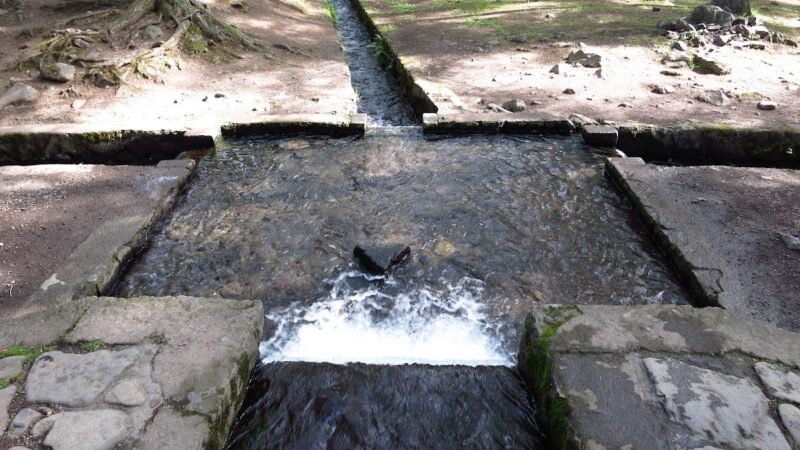
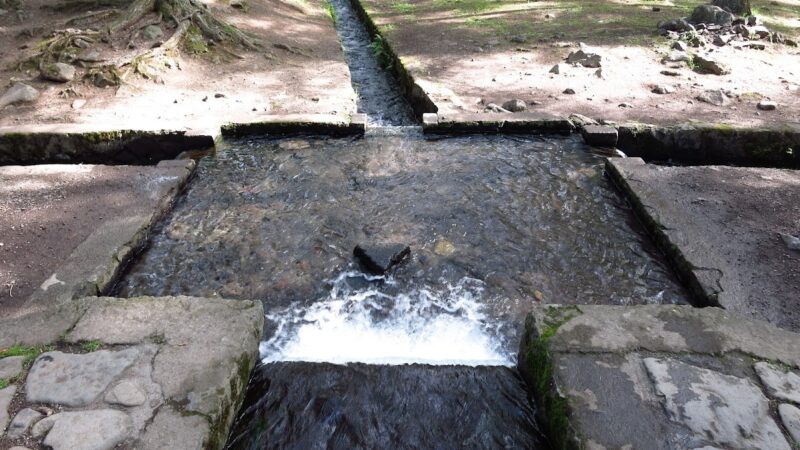
Natsukari Springwater, located in Tsuru City, Yamanashi Prefecture, is known as a water source where abundant groundwater from Mt. Fuji springs forth. Registered in June 2008 as “Toka-Ichiba and Natsukari Springwater Group” in the “Heisei 100 Famous Waters” selected by the Ministry of the Environment, it plays an important role as a resource for local residents’ daily life, agriculture, and tourism. This article provides a detailed explanation of the characteristics, history, access methods, and nearby attractions of Natsukari Springwater.
What is Natsukari Springwater? Overview of the Toka-Ichiba and Natsukari Springwater Group
Natsukari Springwater is a collective term for the springwater group that flows in the Natsukari district of Tsuru City, Yamanashi Prefecture. Formally known as the “Toka-Ichiba and Natsukari Springwater Group,” it forms a single springwater group together with the springwater of the adjacent Toka-Ichiba district.
The Mechanism of Springwater Created by Mt. Fuji’s Blessings
Tsuru City is located approximately 30 kilometers in a straight line from Mt. Fuji’s summit. Rain and snow that fall on Mt. Fuji’s slopes permeate deep underground over many years, using volcanic ash and gravel as natural filters. As this water flows through underground water veins and springs forth in the Toka-Ichiba and Natsukari districts, an abundant springwater group is formed.
The water temperature of the springwater remains constant at approximately 12°C year-round, feeling cold in summer and warm in winter. This stable water temperature and abundant water volume serve as important elements supporting the region’s special crop cultivation and aquaculture industries.
More Than 10 Spring Outlet Points
The Toka-Ichiba and Natsukari Springwater Group has more than 10 spring outlet points. The main springwater sites include the grounds of Eijuin Temple, the Taro and Jiro Waterfalls, and areas surrounding Chokkeiji Temple, each boasting its own unique landscape and water quality. These springwaters become tributaries of the Katsuragawa River and eventually flow into the Sagamigawa River.
What is the Heisei 100 Famous Waters? Background of Selection
The “Heisei 100 Famous Waters” is a list of excellent springwater and river water nationwide selected by the Ministry of the Environment in June 2008 (Heisei 20). Following the “100 Famous Waters” selected in 1985, it was the second edition, newly selecting 100 water environments that contribute to regional life, culture, and tourism.
Selection Criteria and Evaluation Points of Natsukari Springwater
The following criteria were emphasized in the selection of the Heisei 100 Famous Waters:
- Water Quality Excellence: Clean water quality suitable for drinking and agricultural use
- Abundant Water Volume: Stable springwater outflow year-round
- Water Conservation Activities by Local Residents: Continuous efforts to protect the water environment
- Contribution to Regional Revitalization: Utilization in tourism and specialty product development
The Toka-Ichiba and Natsukari Springwater Group received high evaluation in all these criteria. In particular, regular cleaning activities by local residents, water quality conservation efforts, and the use of specialty products such as mizukake-na (water-sprinkled vegetable) and wasabi cultivation were evaluated positively.
Introduction to Main Attractions of Natsukari Springwater
The Natsukari Springwater Group features multiple worthwhile spots. Let’s examine the characteristics of each in detail.
1. Eijuin Temple (Eijuin)
Eijuin Temple is a historic temple said to have been established in 800 (Enryaku 19). It has been called “Water Source Mountain” due to the abundant springwater on its grounds.
Characteristics of Eijuin’s Springwater
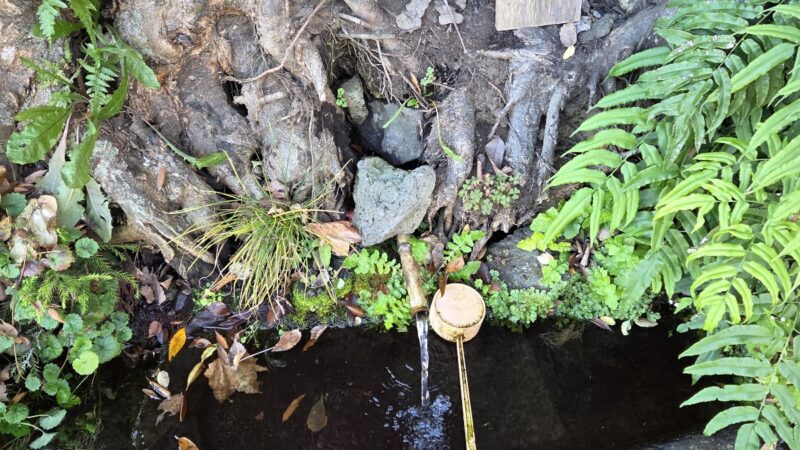
The temple grounds contain multiple springwater points with well-maintained water collection facilities. Not only local residents but also visitors from distant areas come to collect water, making it a representative springwater spot in Tsuru City. The water is characterized by high transparency and a mellow taste.
The temple grounds are enveloped in silence, providing a healing space where one can calm the mind while listening to the sound of flowing springwater. One can enjoy the springwater together with prayer and worship.
2. Taro and Jiro Waterfalls
The Taro and Jiro Waterfalls are the representative scenic spot of the Natsukari district. The sight of abundant springwater flowing down from cliffs is spectacular, creating a cool spot where one can feel negative ions.
Access to the Waterfalls and Attractions
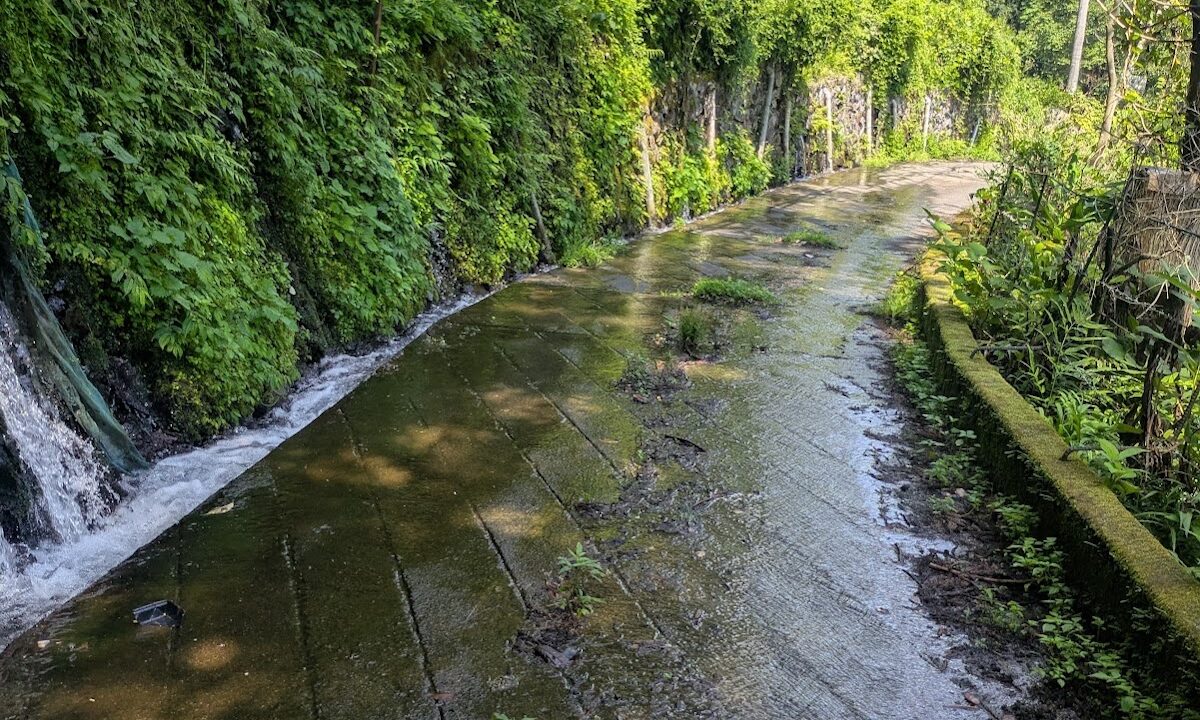
The walking trail to the Taro and Jiro Waterfalls is well-maintained, allowing visitors to enjoy nature while walking along the river. Particularly during summer, many tourists visit to escape the heat. The area around the waterfalls maintains low temperatures, providing a comfortable retreat even in midsummer.
Around the waterfall basin, water-loving aquatic organisms can be observed, and the site is utilized as a natural education venue.
3. Springwater Around Chokkeiji Temple
Multiple springwater points exist in the area surrounding Chokkeiji Temple. The clear stream flowing through the temple grounds harmonizes with four-season scenery, providing peace to visitors.
Specialty Products Nurtured by Springwater
The abundant water volume and stable water temperature of Natsukari Springwater are essential elements for specialty crop cultivation in Tsuru City.
Mizukake-na (Water-Sprinkled Vegetable) Cultivation
Mizukake-na, known as a winter specialty product of Tsuru City, is a leafy vegetable cultivated in rice paddies after harvest. During the cultivation period, springwater is continuously poured over the crops, preventing freezing while allowing growth even during harsh winter cold.
Conditions Suitable for Mizukake-na Cultivation
The cultivation of mizukake-na requires the following conditions:
- Abundant Water Volume: Sufficient springwater volume to continuously pour water
- Stable Water Temperature: Water temperature maintained at 10-12°C even in winter
- Clean Water Quality: High water quality is required as vegetables come into direct contact with water
Natsukari Springwater meets all these conditions, providing an ideal environment for mizukake-na cultivation. The harvested mizukake-na is characterized by a unique crispy texture and sweetness, and is sold at local farmers’ markets and direct sales outlets.
Wasabi Cultivation
Wasabi cultivation using clear springwater is also an important industry in Tsuru City. Wasabi is a crop extremely sensitive to water quality and cannot be cultivated without clean, abundant springwater. The water quality of Natsukari Springwater provides an optimal environment for growing high-quality wasabi.
Watercress Cultivation
Watercress cultivation using springwater is also practiced. The stable water temperature year-round enables the production of high-quality watercress, which is shipped to local restaurants and markets.
Trout and Other Aquaculture
The abundant springwater is also utilized for aquaculture. In particular, it is suitable for the cultivation of cold-water fish species such as rainbow trout, with clean water quality nurturing high-quality fish. The cultivated fish are provided at local restaurants and can also be enjoyed at fishing pond facilities.
Access Methods to Natsukari Springwater
Access by Public Transportation
By train:
- Get off at “Tsuru City Station” or “Tanokura Station” on the Fuji Kyuko Line
- Walk or take a taxi to each springwater spot
- Approximately 15-minute walk from Tsuru City Station to Eijuin
- Approximately 20-minute walk from Tanokura Station to Taro and Jiro Waterfalls
By bus:
- Community bus service operated by Tsuru City (limited frequency, advance confirmation recommended)
Access by Car
From Tokyo area:
- Approximately 10 minutes from “Tsuru IC” on the Chuo Expressway
- Access to each springwater spot via Route 139
Parking Information:
- Eijuin: Parking space on temple grounds (limited spaces)
- Taro and Jiro Waterfalls: No dedicated parking (note street parking restrictions)
- Chokkeiji: Parking available on temple grounds
Precautions When Visiting Natsukari Springwater
Manners for Collecting Water
When collecting springwater, observe the following etiquette:
- Container Cleanliness: Use clean containers
- Spirit of Sharing: Be considerate of other users during crowded times
- Garbage Disposal: Always take home garbage such as plastic bottle caps
- Avoid Monopolizing: Be considerate so many people can use the water
Cooperation in Environmental Conservation
Natsukari Springwater is a precious resource for the region. When visiting, pay attention to the following:
- Cleaning Around Springwater Sites: Take home garbage and pick up any trash you find
- Protection of Vegetation: Do not damage plants around the springwater
- Water Quality Preservation: Do not pour detergents or chemicals into the springwater
- Noise Consideration: Maintain a quiet environment
Seasonal Enjoyment
Spring (March-May):
- Springwater walks amid fresh greenery
- Purchase fresh vegetables from local sources just after the mizukake-na harvest season (February-March)
Summer (June-August):
- Visit Taro and Jiro Waterfalls to escape the heat
- The season when the coldness of springwater feels most pleasant
Autumn (September-November):
- Enjoy the contrast of autumn foliage and springwater
- Pleasant weather for walks
Winter (December-February):
- Observe mizukake-na cultivation
- Experience the mysterious feeling of warm-feeling springwater
Nearby Tourist Attractions
Attractions Within Tsuru City
Linear Exhibition Center:
- Approximately 15 minutes by car from Tsuru City
- Experience cutting-edge linear motor car technology
Katsuragawa Wellness Park:
- Parent-water park utilizing springwater
- Popular recreation facility for families
Michi no Eki (Roadside Station) Tsuru:
- Purchase local specialty products such as mizukake-na
- Abundant vegetables and processed products cultivated by springwater
Mt. Fuji Area
When visiting Natsukari Springwater, you can also tour Mt. Fuji Five Lakes area and surrounding Mt. Fuji attractions. From Tsuru City, Lake Kawaguchi is approximately 30 minutes by car, and Lake Yamanaka is approximately 40 minutes away, with good accessibility.
Community Conservation Activities and Future Efforts
Conservation Activities by Residents
In Tsuru City, local residents take the lead in conservation activities for springwater. Regular cleaning activities, water quality testing, and environmental education programs are implemented to ensure transmission to future generations.
Water Quality Monitoring
Tsuru City and Yamanashi Prefecture conduct periodic water quality testing of the springwater. Items such as water temperature, pH, dissolved oxygen, and coliform bacteria are continuously measured to maintain water quality.
Promotion of Ecotourism
In recent years, ecotourism utilizing Natsukari Springwater and Tsuru City’s water environment is being promoted. Springwater tours and mizukake-na harvest experiences are attracting attention as initiatives that balance tourism and environmental conservation.
Scientific Characteristics of Springwater
Water Quality Data
Natsukari Springwater has the following water quality characteristics:
- Water Temperature: Approximately 12°C year-round (fluctuation of about ±1°C)
- pH Value: Weakly alkaline to neutral (approximately 7.0-7.5)
- Hardness: Soft to moderately hard water (varies by location)
- Dissolved Oxygen: High concentration (indicator of clean water quality)
Spring Outflow Volume
The total spring outflow of the Toka-Ichiba and Natsukari Springwater Group, while varying seasonally, is extremely abundant year-round. This stable outflow enables agricultural use, aquaculture, and also use as part of Tsuru City’s tap water supply.
Summary: The Charm and Value of Visiting Natsukari Springwater
Natsukari Springwater in Tsuru City, Yamanashi Prefecture, is a precious natural resource where one can directly feel Mt. Fuji’s blessings. Selected as one of the Heisei 100 Famous Waters, its water quality and volume play an important role supporting the region’s life, agriculture, and culture.
At springwater spots such as Eijuin and Taro and Jiro Waterfalls, one can soothe the mind while listening to the sound of clear flowing water. Furthermore, specialty products nurtured by springwater such as mizukake-na and wasabi provide opportunities to experience Tsuru City’s distinctive food culture.
The proximity of approximately two hours from the metropolitan area is also appealing. By visiting together with sightseeing at the Mt. Fuji Five Lakes, you can enjoy a more fulfilling Yamanashi trip.
When visiting the springwater, do not forget consideration for environmental conservation, and maintain awareness of passing this precious natural blessing on to future generations. Local residents have made efforts to protect Natsukari Springwater, and we visitors should cherish it as well.
Clear flowing water, abundant nature, and regional culture living in harmony with water. Natsukari Springwater has the power to help us reaffirm the “blessings of water” that modern society is losing. By all means, visit this springwater group once, selected as one of the Heisei 100 Famous Waters, and feel the gift from Mt. Fuji with all your senses.