.png)
Wakatake Spring (Kanagawa Prefecture) Complete Guide: History, Access, and Attractions Fully Explained
Wakatake Spring, located in Kanagawa Prefecture, is a historic spring water source that has been cherished by local people for many years. Even as modernization advances, the clear water that continues to flow from this location serves as a precious spot where one can feel nature’s blessings and the region’s history. This article provides a detailed explanation of Wakatake Spring’s historical background, current situation, access methods, and nearby attractions.
What is Wakatake Spring?
Wakatake Spring is a natural spring water source in Kanagawa Prefecture that has a history of being used as domestic water by local residents since ancient times. The name “Wakatake” is said to derive from the bamboo groves that once spread throughout the surrounding area, and historically, a beautiful landscape was created by the greenery of bamboo and clear water.
Even today, this spring is protected as a valuable water source for the region and as a place of historical and cultural significance. The fact that natural spring water is maintained in an urban area symbolizes Kanagawa Prefecture’s water source conservation efforts.
Characteristics of the Spring Water
The water flowing from Wakatake Spring is natural groundwater drawn from deep beneath the earth, with stable water temperature throughout the year. Typically, spring water temperature fluctuates around 15 degrees Celsius, feeling cold in summer and relatively warm in winter. This temperature stability demonstrates that groundwater is relatively unaffected by surface temperature variations.
Regarding water quality, the water often has the characteristics of soft to moderately hard water containing appropriate amounts of mineral components such as calcium and magnesium, and is known as clean water suitable for drinking. However, it is recommended to confirm the current usage situation and water quality test results with local government bodies or management organizations.
History of Wakatake Spring
A Water Source Continuing from the Edo Period
The history of Wakatake Spring is ancient, and historical documents and local oral traditions confirm that it was already recognized as an important water source for the region at least during the Edo period. At that time, agriculture was flourishing in this area, and water from Wakatake Spring supported people’s lives as irrigation water for fields and rice paddies, as well as domestic water.
In Edo-period villages, water source management was one of the most critical issues for the community. Wakatake Spring was no exception, being strictly managed by influential village figures and water administrators, with regulations established regarding water rights and usage methods.
Changes in the Meiji and Taisho Periods
The wave of modernization following the Meiji Restoration brought changes to the area around Wakatake Spring. As modern water supply facilities were developed, Wakatake Spring maintained its importance as a supplementary water source for the region and as an emergency backup.
During the Taisho period, the surrounding environment began to gradually change with advancing urbanization. Nevertheless, through the efforts of local residents, the spring and its natural surroundings were preserved and passed on to future generations.
From the Showa Period to Modern Times
Rapid urbanization progressed throughout Kanagawa Prefecture as the Showa era began. While many spring water sites and natural environments were lost, Wakatake Spring was protected through conservation activities by local residents and local governments.
During the period of high economic growth, concerns were raised about excessive groundwater pumping and impacts on water veins from land development. However, after the 1970s, when environmental protection awareness increased, the conservation of spring water sites came to be recognized as an important local issue.
In modern times, Wakatake Spring is recognized for its multifaceted value not merely as a water source, but as a cultural heritage conveying regional history and as a precious natural environment in urban areas.
Access Methods to Wakatake Spring
Access by Public Transportation
When planning a visit to Wakatake Spring using public transportation, it is important to confirm the route from the nearest station in advance. Many spring water sites in Kanagawa Prefecture are located in residential areas or mountainous regions, so while some may be accessible on foot from the station, others may require bus service.
General access procedures include:
- Confirming the nearest station: Identifying the nearest JR, private railroad, or subway station according to the specific location of Wakatake Spring
- Confirming transportation methods from the station: Determining whether the location is within walking distance or if bus service is necessary
- Understanding travel time: Calculating total travel time and planning with adequate margin
Access by Automobile
When visiting by automobile, you can receive route guidance by inputting the address or facility name into a car navigation system. However, the area around Wakatake Spring may have residential areas or narrow roads, so attention to the following points is necessary:
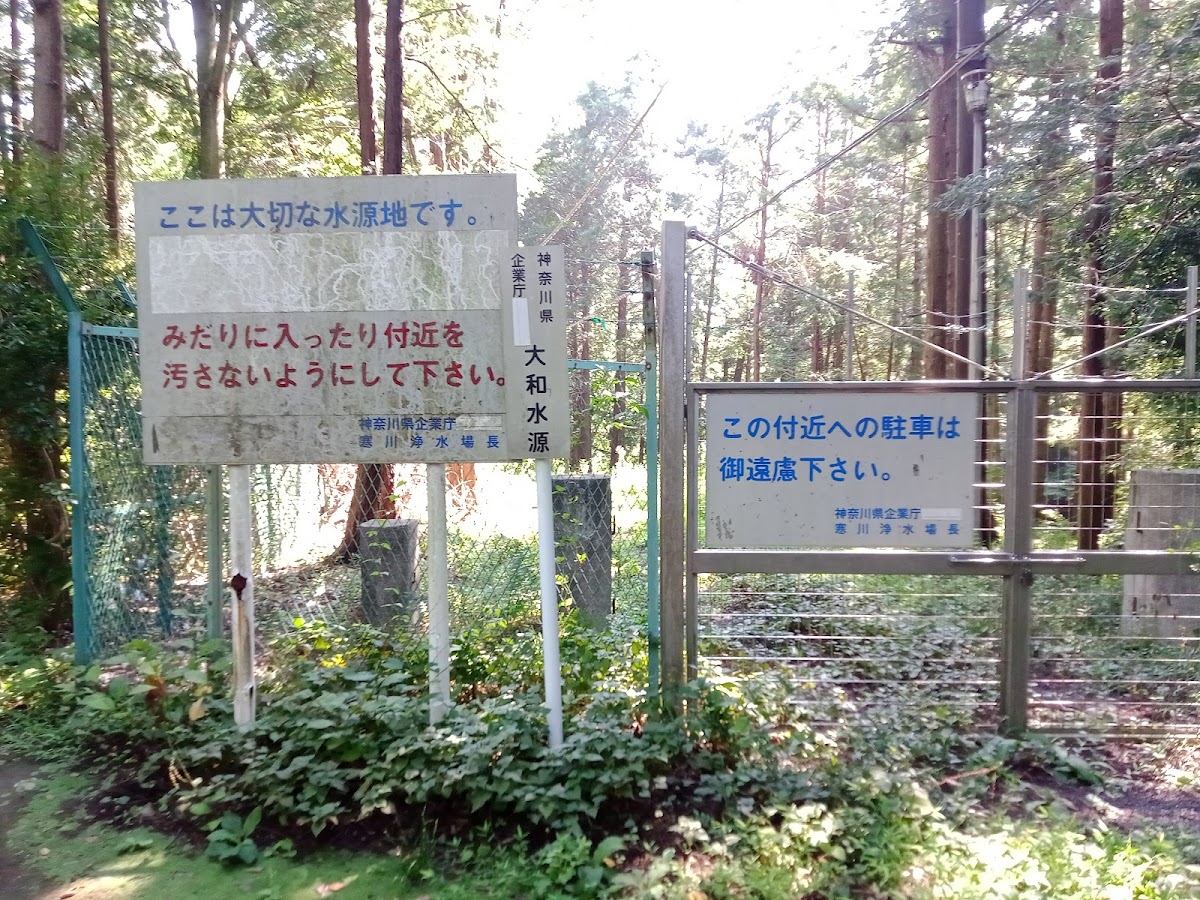
- Parking availability: Confirming in advance whether a dedicated parking area exists or if street parking is possible
- Road conditions: Checking for narrow roads or one-way streets
- Consideration for residents: If in a residential area, being mindful of noise and street parking
Points of Attention During Visits
When visiting Wakatake Spring, please keep the following points in mind:
- Season and time of day: Early morning or evening offers a quiet and peaceful atmosphere
- Weather: During rainy weather, the ground may become slippery
- Clothing: As it is in a natural environment, walking shoes and flexible clothing are recommended
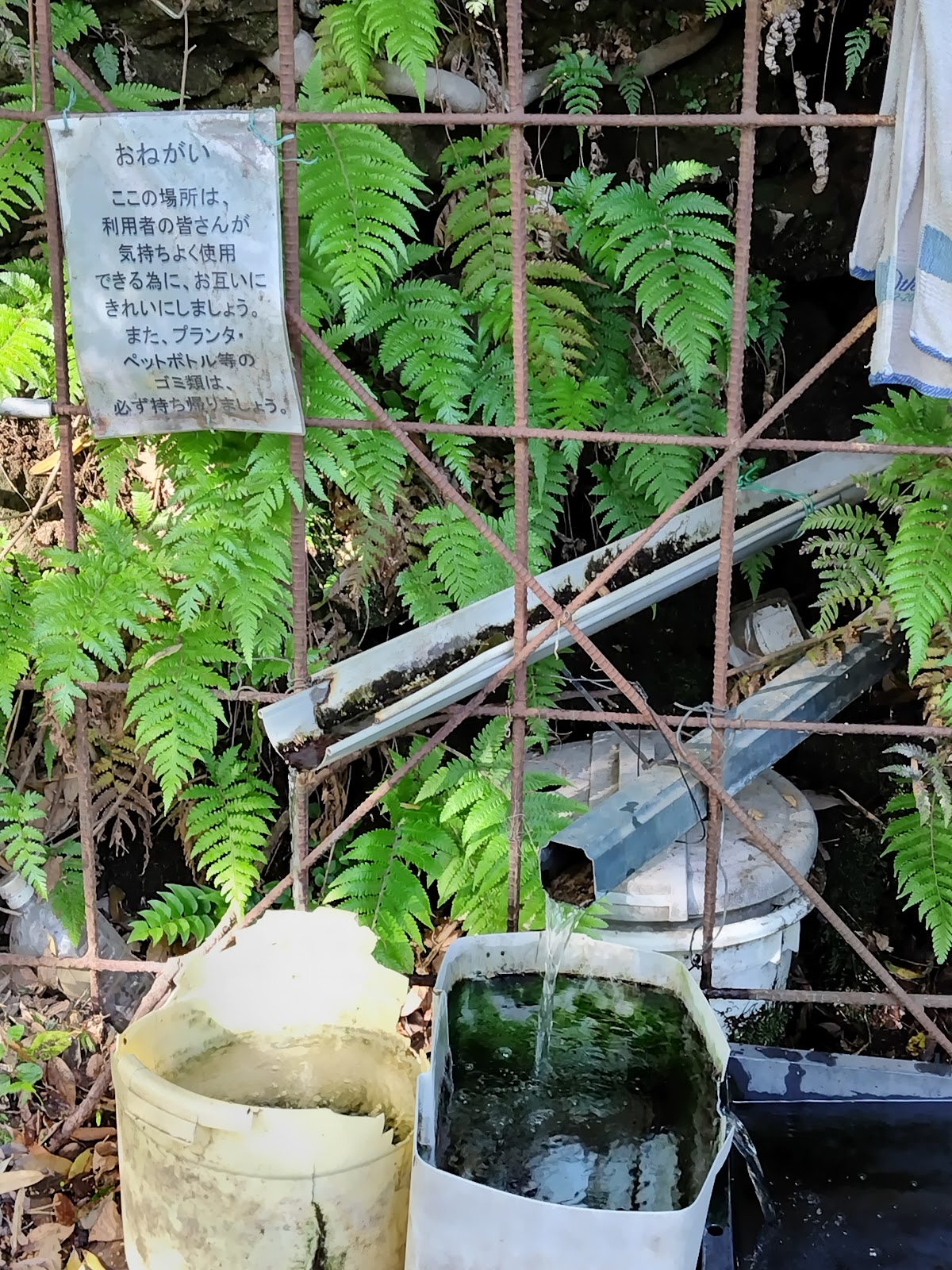
- Items to bring: If collecting water, bring a clean container, camera, towel, etc.
Attractions and Ways to Enjoy Wakatake Spring
Observing the Spring Water
The greatest charm of Wakatake Spring is undoubtedly the clear water flowing from underground itself. Observing the water as it springs forth up close allows one to sense the mystery of Earth’s natural cycles.
At spring water sites, one can observe the constant movement of water bubbling up from the bottom and the ripples spreading across the water surface. Water with high transparency allows one to see clearly down to the stones and sand at the bottom, and sometimes one can even spot small aquatic organisms.
Landscapes Throughout the Seasons
The area around Wakatake Spring displays different characteristics with each season.
Spring: During the season of new green growth, surrounding plants bloom, and young bamboo shows vibrant appearance. If cherry blossoms are nearby, one can enjoy the picturesque sight of flower petals floating on the water surface.
Summer: As the green deepens, the soothing sound of water helps ease the heat. This season attracts people seeking natural coolness away from the urban heat.
Autumn: During the autumn foliage season, leaves colored red and yellow are reflected on the water surface, creating a beautiful contrast.
Winter: Winter has fewer visitors, allowing one to listen to the spring’s sounds in silence. On cold days, one can witness the fantastical sight of steam rising from the spring water.
Photography Tips
Wakatake Spring is also an attractive subject for photography. Keeping the following points in mind allows for more impressive photographs:
- Golden hour lighting: The soft light of early morning or late evening captures the water surface’s expression beautifully
- Angles: Utilizing water surface reflections or capturing the movement of flowing water from various perspectives
- Macro photography: Close-ups of water droplets and aquatic plants reveal the beauty of the microscopic world
- Long exposure: Using a tripod for long exposure can smoothly express the flow of water
The Culture of Water Collection
At spring water sites, one may observe local residents coming to collect water. This is one of the living cultures that has continued since ancient times and is still maintained in some regions.
If collecting water, please note the following:
- Confirming water quality: Verifying in advance whether the water is potable
- Using clean containers: Employing clean plastic bottles or water containers to prevent contamination
- Spirit of cooperation: Respecting the order when other users are present and avoiding lengthy occupation
- Environmental conservation: Following etiquette such as not leaving trash and keeping the surroundings clean
Attractions Around Wakatake Spring
Historic Buildings and Shrines and Temples
The area around Wakatake Spring often contains shrines, temples, and historic structures that tell the region’s history. Spring water sites have long been considered sacred places or objects of faith, and small shrines or sacred groves may be established nearby.
Visiting these places allows one to understand that Wakatake Spring has functioned not merely as a water source but as the spiritual center of the region’s culture.
Natural Hiking Courses
Starting from Wakatake Spring, one can also establish a course for exploring the surrounding natural environment. Kanagawa Prefecture has many green spaces and parks, and routes such as trails alongside small streams flowing from the spring or narrow paths through bamboo groves exist, offering opportunities to enjoy rich nature while remaining in suburban areas.
During walks, one can expect encounters with various living creatures such as bird songs, seasonal flowers, and insects. Bringing along nature observation guides or field guides allows for deeper understanding of nature.
Local Restaurants and Local Specialties
It is also recommended to enjoy meals at local restaurants or purchase local specialties when visiting Wakatake Spring. One can experience the unique flavors of the region, including dishes made with spring water and local liquors, as well as dishes prepared with local vegetables.
At local shopping streets or farm stands, fresh agricultural products and handmade processed foods are often sold, contributing to the local economy.
Conservation Activities for Wakatake Spring
Conservation by Local Residents
The background of Wakatake Spring’s preservation to the present day lies in continuous conservation activities by local residents. The spring is protected through various forms of effort by local people, including cleaning activities, water quality surveys, and maintenance of the surrounding environment.
At many spring water sites, town associations, neighborhood associations, and environmental conservation groups lead regular cleaning events and environmental learning sessions. These activities strengthen community bonds and also function as sites for environmental education for future generations.
Government Initiatives
Kanagawa Prefecture and local governments position the conservation of spring water sites as one of the important pillars of environmental policy. Specifically:
- Enactment of spring water conservation ordinances: Legal frameworks for development restrictions and groundwater conservation
- Water quality monitoring: Regular water quality testing and public disclosure of results
- Designation of conservation areas: Designating important spring water sites as protected zones
- Subsidy systems: Financial support for organizations conducting conservation activities
Through these measures, precious spring water sites are protected despite advancing urbanization.
What Visitors Can Do
Each of us who visits Wakatake Spring can contribute to its conservation:
- Bringing trash back: Taking away not only your own trash but also picking up litter found there
- Preventing water source contamination: Not using detergents or chemical substances
- Protecting plants: Refraining from arbitrarily collecting plants or trampling them
- Enjoying quietly: Speaking softly and listening to the sounds of nature
- Sharing information: Appropriately disseminating information through SNS and conveying the importance of conservation
Spring Water Culture in Kanagawa Prefecture
Major Spring Water Sites in the Prefecture
Beyond Wakatake Spring, many other spring water sites exist in Kanagawa Prefecture. Spring water can be observed in various locations, including the foothills of the Tanzawa and Hakone mountain ranges, the valleys of Kamakura, and green spaces within Yokohama.
Representative spring water sites include:
- Oyama Spring Water Groups: Clear spring water within Tanzawa Oyama Quasi-National Park
- Kamakura’s Zeniarai Benzaiten: Spring water known for good fortune in money
- Hadano Basin Spring Water Groups: Abundant spring water selected as one of Japan’s “100 Best Waters”
- Hakone Hot Spring Area: Special spring water affected by geothermal heat
“Spring water visiting” tours to these sites are popular as a way to deeply experience Kanagawa’s nature and culture.
Spring Water and Regional Culture
Spring water is not merely a water source but is deeply connected to regional culture and beliefs. At many spring water sites, deities of water are enshrined, and festivals praying for bountiful harvests and good health have been held.
Traditional industries utilizing spring water also developed. Industries such as sake brewing, tofu making, and dyeing, which require clear water, thrived near spring water sites. Even today, operators continuing these traditions exist, creating products that benefit from spring water.
Scientific Understanding of Spring Water
The Mechanism of Spring Water
Understanding the scientific mechanisms behind how spring water is created deepens recognition of Wakatake Spring’s value.
Spring water is a phenomenon in which rainwater or snowmelt infiltrates the ground and accumulates on top of an impermeable layer (such as clay or bedrock), after which groundwater moves along the terrain’s slope and flows to the surface. This process can take anywhere from several years to several decades, or in some cases, several hundred years.
As water passes underground, it undergoes natural filtration, removing impurities while absorbing mineral components contained in rock layers. This creates the distinctive taste and characteristics of spring water.
Characteristics of Water Quality
Spring water quality varies greatly depending on the nature of rock layers through which it passes. The following characteristics may be expected of Wakatake Spring’s water quality:
- pH value: Often in the weakly acidic to neutral range
- Hardness: Ranging from soft to hard water depending on rock type
- Dissolved oxygen: Water just emerging from underground contains abundant oxygen
- Mineral components: Including calcium, magnesium, sodium, potassium, and others
The balance of these components determines the water’s taste and health impacts.
Spring Water as an Environmental Indicator
The condition of spring water serves as an important indicator of an area’s environmental status. A decrease in spring water volume reflects declining groundwater levels, changes in precipitation patterns, or increased surface impermeability due to urbanization.
Additionally, changes in water quality may indicate surrounding development or the presence of pollution sources. Regular water quality surveys and spring water volume monitoring are extremely important from an environmental conservation perspective.
Etiquette and Rules When Visiting Wakatake Spring
Basic Manners
Visiting Wakatake Spring requires observing the following basic etiquette:
- Consideration for private land: If the spring or surroundings are on private property, not entering without the owner’s permission
- Noise suppression: Maintaining a quiet environment with consideration for other visitors and nearby residents
- Protection of wildlife and flora: Not capturing or removing wild animals and plants
- Care of facilities: Treating handrails, signage, and other facilities with care
- Smoking restrictions: Refraining from smoking in areas other than designated locations
Points of Attention for Environmental Protection
Protecting the spring water site’s environment requires special attention to the following:
- Prohibition of washing: Not washing vegetables or dishes in spring water (to prevent detergent contamination)
- Pet management: If bringing pets, using leashes and always removing waste
- Prevention of water quality contamination: Being careful that sunscreen or insect repellent spray does not enter the water
- Prevention of sediment inflow: Not collapsing surrounding soil or allowing sediment to enter the water source
Photography Etiquette
Maintaining manners is also important when enjoying photography:
- Consideration for other visitors: Not occupying the location for extended periods for photography
- Tripod usage: Using tripods in locations that do not obstruct passage
- Respecting privacy: Being considerate when other people may appear in photos
- Restrictions on commercial use: Permission may be required for commercial photography
The Future of Wakatake Spring
Impacts of Climate Change
Climate change, including global warming, may also affect spring water. Concerns include changes in precipitation patterns, increased evaporation due to rising temperatures, and the frequency of extreme weather phenomena potentially affecting groundwater levels and spring water volume.
Preserving Wakatake Spring for future generations requires comprehensive conservation plans that include adaptation strategies for climate change.
Coexistence with Urban Development
Kanagawa Prefecture is expected to continue experiencing population growth and urban development. Balancing development with environmental conservation is a major challenge, requiring wisdom to advance sustainable urban development while protecting precious natural resources like Wakatake Spring.
Specifically:
- Green infrastructure development: Ensuring rain water infiltration facilities and green spaces
- Promoting groundwater recharge: Adopting permeable pavement and installing rainwater storage facilities
- Appropriate implementation of development restrictions: Limiting development in spring water conservation areas
- Thorough environmental impact assessments: Evaluating groundwater impacts in large-scale development
Passing to the Next Generation
Passing Wakatake Spring to the next generation requires environmental education for children. Through environmental learning programs in collaboration with local schools, observation sessions for parents and children, and opportunities to learn regional history, conveying the value of spring water to younger generations is necessary.
Digital technology-based information dissemination is also effective. Through websites, SNS, video distribution, and other means, one can broadly communicate Wakatake Spring’s appeal and increase interest in its conservation.
Conclusion
Wakatake Spring is a precious natural heritage of Kanagawa Prefecture and embodies the region’s history and culture. Even as modernization advances in the contemporary era, this place where clear water continues to flow is the crystallization of nature’s blessings and people’s conservation efforts.
When visitors maintain environmental conservation awareness and follow proper etiquette, Wakatake Spring can continue to provide opportunities for healing and learning to many people. Through cooperation among local residents, government, and visitors, we bear the responsibility of passing this precious natural resource to future generations.
When visiting Wakatake Spring, please take time to appreciate the atmosphere of the place, listen to the water’s sounds, and observe the surrounding nature. There, quietly flowing, is something precious that modern society is losing.
Wakatake Spring, where one can feel Kanagawa’s rich nature and history. Why not visit this special place yourself? You will surely experience the refreshment of forgetting the bustling noise of the city and having your spirit cleansed.