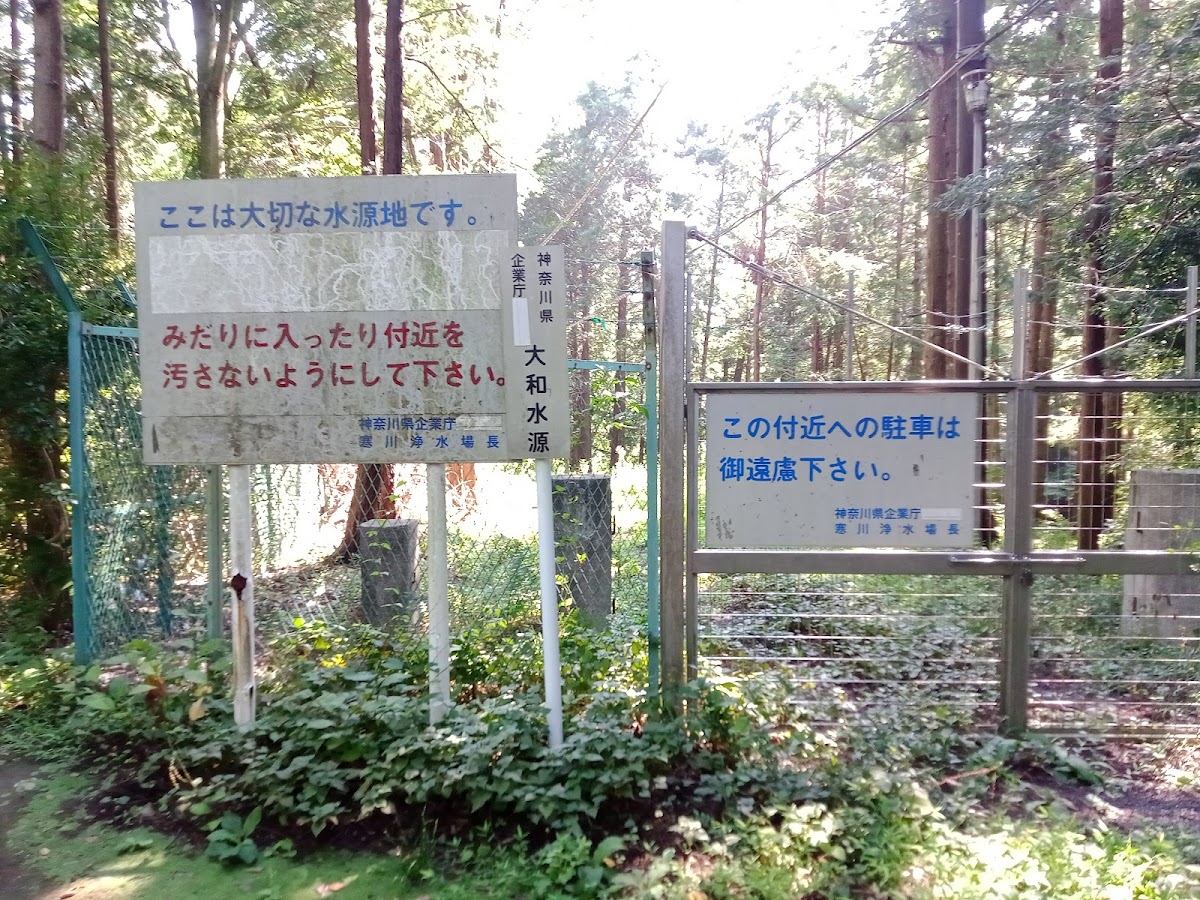
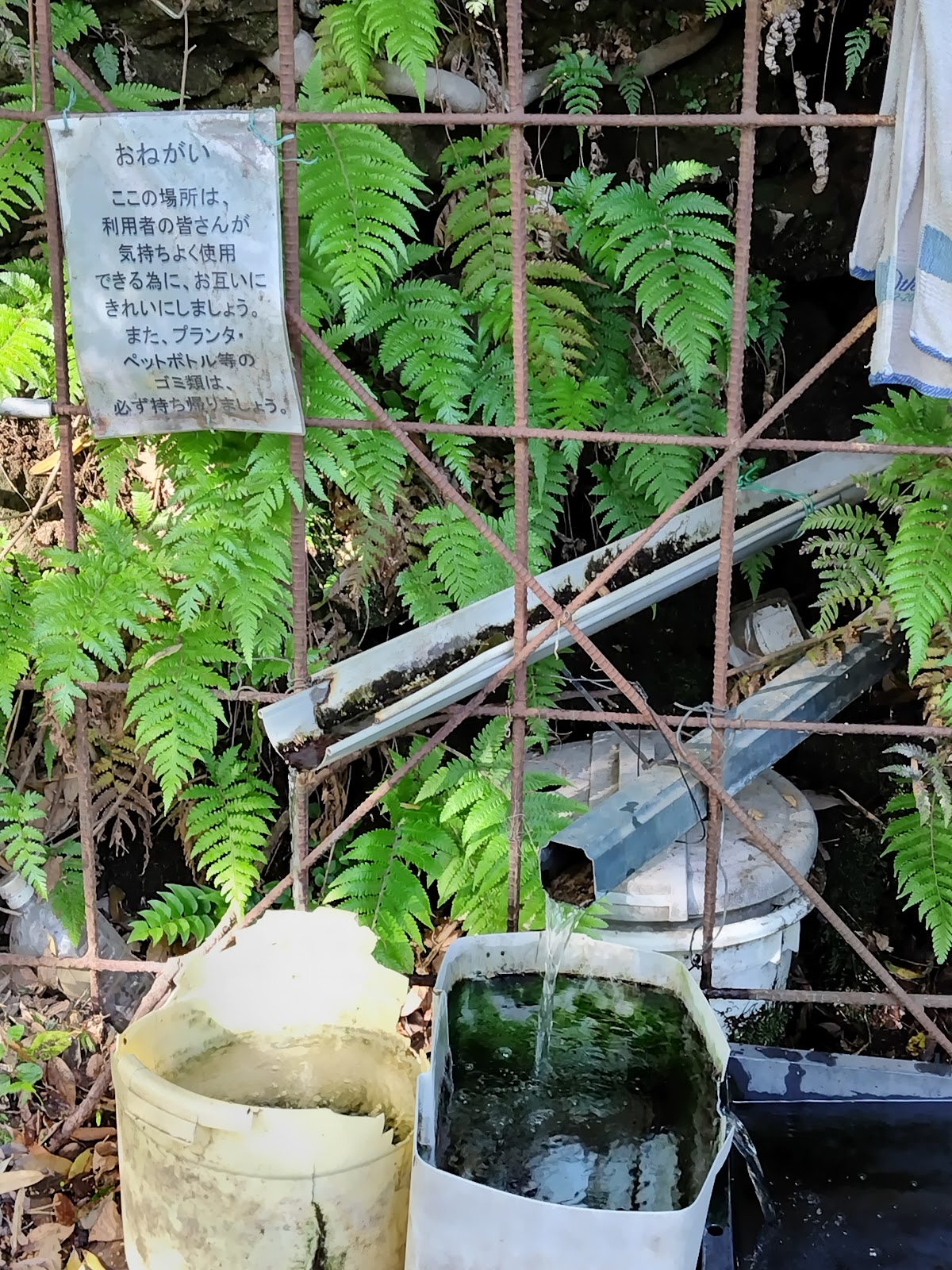
Kamisesentou Spring Water (Kanagawa Prefecture) Complete Guide: Thorough Explanation of Access, Water Quality, and History
Kamisesentou spring water (Kamisesentou no yūsui), located in Hadano City, Kanagawa Prefecture, is a precious spring water spot created by the rich natural environment of the Tanzawa Mountain Range. The Hadano Basin is a treasure trove of spring water groups known as “Hadano Famous Water,” and Kamisesentou spring water is one of the water sources that has been cherished by local residents for many years.
In this article, we will explain in detail the characteristics of Kamisesentou spring water, access methods, nearby tourist spots, and Hadano’s spring water culture.
What is Kamisesentou Spring Water?
Kamisesentou spring water is a natural spring that flows out in the Sentou district of Hadano City, Kanagawa Prefecture. Hadano City is known as a “Town of Famous Water” and has spring water groups selected by the Ministry of the Environment for the “Top 100 Famous Waters.”
The Mechanism of Spring Water in the Hadano Basin
Spring water in the Hadano Basin is created when rainwater that falls in the Tanzawa Mountain Range permeates underground over a long period and emerges after undergoing natural filtration. Through this process, the water becomes rich in minerals and emerges as clear, delicious water.
The geology of the Tanzawa Mountain Range is primarily composed of volcanic rocks and sedimentary rocks, which function as a natural filter. Rainwater permeates deep underground and slowly moves toward the basin over several years to several decades before emerging at the surface.
Characteristics of Kamisesentou Spring Water
Kamisesentou spring water maintains a stable temperature throughout the year—cool in summer and relatively warm in winter. Generally, spring water temperature remains stable at around 15 degrees Celsius year-round, which is characteristic of groundwater.
The water quality is clear, and it has been used as daily water for local residents since ancient times. However, boiling is recommended before drinking.
Access Methods to Kamisesentou Spring Water
Access by Train and Bus
When using public transportation to reach Kamisesentou spring water, the following route is convenient:
Nearest Station: Odakyu Odawara Line “Hadano Station”
- Board a bus from the north exit of Hadano Station
- Take Kanagawa Chuo Bus “Route Hadano 21” or “Route Hadano 22” for approximately 10-15 minutes
- Get off at “Sentou” bus stop and walk approximately 5-10 minutes
Buses run approximately 2-3 times per hour during daytime. It is recommended to check the schedule in advance.
Access by Car
When using the Tomei Expressway:
- Approximately 15 minutes from Hadano-Nakai IC
- Access possible via National Route 246
Parking Information:
There are no large dedicated parking lots around Kamisesentou spring water, but you may be able to use nearby public facilities or roadside spaces. However, as it is a residential area, road parking should be avoided, and care should be taken not to disturb nearby residents.
Access by Foot or Cycling
When accessing on foot from Hadano Station, it takes approximately 30-40 minutes. The terrain in Hadano City is relatively flat in most areas and is suitable for cycling. Using a rental bicycle allows access in approximately 15-20 minutes from Hadano Station.
Hadano Famous Water and Spring Water Culture
History of Hadano Famous Water
Spring water in Hadano City has supported the lives of local residents since ancient times. During the Edo period, agriculture utilizing this abundant water resource flourished, with particular development in rice paddy cultivation and vegetable farming.
From the Meiji period onward, industries using spring water also developed, with food processing industries such as tofu manufacturing and sake brewing thriving. Even today, local products made using Hadano’s spring water are produced in significant quantities.
Types of Hadano Famous Water
Numerous spring water spots are scattered throughout Hadano City:
Major Spring Water Spots:
- Kobo’s Clear Water: One of the most famous spring water sources in Hadano City, with a legend that water sprang forth when Kobo Daishi struck the ground with his staff.
- Gomayashiki Water: Abundant in water volume and widely used by local residents.
- Shirasasa Inari Water: Clear water that springs from within Shirasasa Inari Shrine grounds, popular with visitors.
- Imaizumi Spring Water Pool: Located within a well-maintained park, easily accessible to tourists.
- Kamisesentou Spring Water: Close to a residential area, deeply connected to the lives of local residents.
Selection for Top 100 Famous Waters
The Hadano Basin spring water group was selected by the Ministry of the Environment (then the Environmental Agency) in 1985 (Showa 60) as one of the “Top 100 Famous Waters.” This is evidence of water quality and spring water volume that rank among the highest in the nation.
The Top 100 Famous Waters were selected to widely introduce clear water from various locations across the country and to increase awareness of the importance of water quality conservation. Hadano’s spring water was evaluated for its abundant water volume, excellent water quality, and deep connection to regional culture.
Water Quality and Use of Kamisesentou Spring Water
Characteristics of Water Quality
Hadano’s spring water is naturally filtered as it passes through the geological layers of the Tanzawa Mountain Range, with the following characteristics:
- Hardness: Generally soft to moderately hard water
- pH Value: Slightly alkaline to neutral
- Mineral Components: Appropriately contains calcium, magnesium, silicon, and other minerals
- Water Temperature: Remains stable at approximately 15 degrees Celsius year-round
These characteristics make it suitable not only for drinking but also for cooking and food processing.
Precautions for Use
The following precautions are necessary when using spring water:
When Drinking:
- Boiling before consumption is recommended
- Water quality may change depending on season and weather
- Turbidity may occur after heavy rain, so caution is necessary
Water Collection Manners:
- Be considerate of nearby residents
- Always take trash with you
- Do not pollute the spring water area
- Avoid large-scale water collection
- Avoid large-scale non-drinking use such as laundry or car washing
Water Quality Testing and Safety
Hadano City conducts regular water quality testing on major spring water sources within the city. However, as the water quality of natural spring water can fluctuate, those who drink it do so at their own risk and are strongly recommended to boil the water as much as possible.
Particularly for small children, elderly people, and those with compromised immunity, drinking raw spring water should be avoided, and only boiled water should be used.
Nearby Tourist Spots
When visiting Kamisesentou spring water, it is recommended to combine your visit with other tourist spots in Hadano City.
Spring Water Tour of Hadano City
Spring Water Tour Course:
The Hadano City Tourism Association proposes a “Famous Water Tour Course” that visits major spring water spots in the city. You can tour multiple spring water spots over half a day to a full day on foot or by bicycle.
Each spring water spot has its own characteristics and offers a unique atmosphere. Spring water tour maps are available at the tourist information center at Hadano Station and at city hall.
Kobo Mountain Park
A nature park representative of Hadano City, known as a famous cherry blossom spot in spring. It consists of three mountains—Kobo Mountain, Gokensan Mountain, and Sengen Mountain—with well-maintained hiking courses.
From the mountaintops, you can enjoy views of Hadano City, the Tanzawa Mountain Range, and Mount Fuji. The cherry blossom season in spring and autumn leaf season are particularly crowded with tourists.
Hadano Togawa Park
A spacious prefectural park with the Tanzawa Mountains in the background. The large suspension bridge “Wind Suspension Bridge” is famous, with a length of 267 meters offering a panoramic view of the beautiful Minase River Gorge.
Barbecue areas, campgrounds, and athletic facilities are also available, making it a popular spot for families.
Shinsei Lake
A lake created by the Great Kanto Earthquake of 1923 (Taisho 12), uniquely named “Shinsei Lake” in the nation. Though a small lake with a circumference of approximately one kilometer, it is a pleasant walking spot where you can enjoy nature in all four seasons.
A walking path has been developed around the lake shore, allowing you to complete a circuit in approximately 30 minutes. It is also popular as a spot for birdwatching and photography.
Hadano City Sakuradote Kofun Exhibition Hall
A facility where you can learn about Hadano’s history, displaying excavated items and restored models from the Kofun period. Recommended for those interested in Hadano’s history and culture. Admission is free, allowing casual visits.
Hadano’s Food Culture and Spring Water
Local Products Using Spring Water
Hadano’s abundant spring water has supported the region’s food culture.
Tofu:
There are multiple tofu manufacturers in Hadano City using spring water, sold as “Hadano Famous Water Tofu.” Tofu made with spring water brings out the natural flavor of soybeans with a smooth texture.
Sake:
Sake brewed using Hadano’s spring water as brewing water is also produced. The delicate taste that emerges from clear water is highly evaluated.
Soba:
Hand-made soba using Hadano-grown soba flour and spring water is a local specialty. There are multiple soba restaurants in the city, each offering unique flavors.
Dining Establishments Where You Can Enjoy Hadano Famous Water
Numerous restaurants in Hadano City serve dishes using local spring water. Tofu specialty restaurants, soba shops, cafes, and other establishments allow you to taste the bounty of Hadano famous water.
Around Hadano Station and near various spring water spots, there are also restaurants serving dishes made with local ingredients, allowing you to enjoy tourism together with dining.
Spring Water Conservation Efforts
Conservation Activities in Hadano City
Hadano City undertakes various conservation activities to pass the precious spring water resource to future generations.
Groundwater Recharge Project:
Initiatives to increase groundwater by infiltrating rainwater underground. Promotion includes the introduction of permeable pavement and installation of rain infiltration pits.
Water Quality Monitoring:
Regular water quality testing is conducted to monitor the condition of spring water. When abnormalities are detected, cause investigation and countermeasures are promptly implemented.
Environmental Education:
Environmental learning with spring water as a theme is conducted in elementary and middle schools within the city. It provides opportunities for children to learn about their region’s water environment and develop conservation awareness.
Citizen Participation in Conservation Activities
Spring water conservation activities by local residents and volunteer groups are also active.
Cleanup Activities:
Regular cleanup activities are conducted around spring water areas, removing trash and trimming weeds.
Water Quality Surveys:
Citizen-participated water quality surveys are also conducted, with simplified water quality testing performed under expert guidance.
Awareness Activities:
To widely communicate the value of spring water and the importance of conservation, events and workshops are held.
Sustainable Water Resource Use
Hadano City is advancing the following initiatives for sustainable use of spring water resources:
- Regulation to prevent excessive groundwater extraction
- Promotion of rainwater utilization measures
- Advancement of urban development that considers water circulation
- Raising public awareness of water conservation
Through these efforts, the goal is to conserve abundant spring water for the future and maintain “Hadano: the Town of Famous Water.”
Kamisesentou Spring Water Across the Four Seasons
Spring Landscape
When spring arrives, plants around the spring water bud, and the season of beautiful fresh green leaves begins. During cherry blossom season, you can enjoy walks combined with nearby cherry blossom avenues.
As spring snow melts, more water permeates underground, with a tendency for spring water volume to slightly increase. Water temperature remains cold, and you can feel a refreshing coolness.
Summer Landscape
Summer is a season when the coldness of spring water feels pleasant. While water temperature remains stable year-round, the difference with air temperature increases, making it feel particularly cool.
On hot days, areas around spring water become busy with people seeking cool relief. However, water play requires consideration for the surrounding environment and other users.
Autumn Landscape
Autumn is a beautiful season with surrounding trees turning colors and the contrast between fall foliage and spring water. The air is clear, and water transparency feels heightened.
After autumn rains, spring water volume may increase, with stronger water flow.
Winter Landscape
In winter, spring water temperature is higher than the air temperature, creating steam-like water vapor rising from the area. This is evidence that spring water temperature remains stable year-round.
On cold days, frost may form around the spring water area, creating a mystical landscape.
Points to Keep in Mind When Visiting Kamisesentou Spring Water
Useful Items to Bring
- Plastic bottles or water thermos: Necessary when taking spring water home
- Towel: Convenient for wiping hands and drying wet containers
- Garbage bag: Always take your trash with you
- Camera: Record beautiful spring water scenery
- Comfortable walking shoes: Easy-to-move shoes are appropriate for nearby walking
Recommended Times to Visit
Kamisesentou spring water is accessible 24 hours, but the following times are recommended:
- Early morning: Few people, allowing quiet enjoyment of spring water. Spring water illuminated by the morning sun appears especially beautiful.
- Morning: Sun angle is appropriate, and suitable for photography.
- Evening: You may see local residents passing by after work, allowing you to feel how spring water is rooted in daily life.
Night visits may be dangerous due to poor visibility, requiring caution.
Visiting Manners
Spring water is a precious resource for local residents. The following manners should be observed:
- Consideration for Nearby Residents: Located near residential areas, attention to noise and road parking is necessary
- Environmental Protection: Always take trash with you, never pollute spring water or surroundings
- Measured Water Collection: Avoid large-scale collection and consider other users
- No Trespassing on Private Property: Do not enter private land even around spring water areas
- Consideration for Flora and Fauna: Be careful not to disturb the ecosystem around spring water areas
Experiencing Hadano’s Spring Water Culture
Spring Water Tour Events
Events related to spring water are held year-round in Hadano City.
Hadano Famous Water Festival:
A representative annual Hadano event with various activities centered on spring water. You can enjoy food sampling using spring water, water quality experiment demonstrations, and spring water tour activities.
Spring Water Walking:
Guided walking events that tour multiple spring water spots in the city are also held periodically. You can deepen your understanding of Hadano’s spring water culture while listening to expert guides.
Spring Water Learning Programs
Hadano City offers various programs for learning about spring water.
Water Learning Hall:
There is a learning facility with water as a theme in Hadano City where you can learn about spring water mechanisms and the city’s water environment. Through experimental equipment and display panels, both children and adults can enjoy learning.
Outreach Lectures:
City staff and specialists conduct outreach lectures explaining spring water and water environment. Group and organizational applications are possible.
The Future of Kamisesentou Spring Water
Conservation Challenges
While Hadano’s spring water is a precious resource, it faces several challenges.
Impact of Urbanization:
The expansion of urban areas makes it harder for rainwater to permeate underground. As the area covered by asphalt and concrete increases, groundwater recharge volume decreases, potentially reducing spring water volume in the future.
Water Pollution Risks:
Risks of groundwater contamination from domestic and agricultural wastewater exist. Proper wastewater treatment and environmental conservation activities are important.
Climate Change Impact:
Changes in precipitation patterns due to climate change may affect spring water volume. Long-term perspective countermeasures are necessary.
Future Initiatives
Hadano City is advancing the following measures to address these challenges:
Green Infrastructure Promotion:
Promotion of “green infrastructure” that infiltrates rainwater underground. Initiatives include introduction of permeable pavement, rain gardens, and biotopes to restore natural water circulation.
Watershed-Wide Conservation:
Spring water is part of the water circulation of the entire watershed. Comprehensive initiatives are being promoted from forest conservation in the Tanzawa Mountain Range to improvements in urban water environment.
Promoting Citizen Participation:
Citizen awareness and action are critical for spring water conservation. The circle of citizen participation is being expanded through environmental education and awareness activities.
Use as a Tourism Resource:
Efforts to use spring water as a tourism resource to both activate the regional economy and secure funding for conservation activities are underway.
Conclusion
Kamisesentou spring water is a natural blessing that Hadano City, Kanagawa Prefecture, proudly possesses. The clear water nurtured by the rich nature of the Tanzawa Mountain Range supports the lives of local residents and provides healing to those who visit.
Numerous spring water spots are scattered throughout Hadano City, including Kamisesentou spring water, and it is nationally known as the “Town of Famous Water.” These spring water sources are not merely water resources but valuable assets deeply connected to the history, culture, and industry of the region.
When visiting Kamisesentou spring water, observe consideration for nearby residents and etiquette, and cherish this precious natural resource. Also, by combining visits to other spring water spots and tourist attractions in Hadano, you can experience Hadano’s charm more deeply.
Spring water is an indispensable water resource for our lives and simultaneously serves as a barometer of the region’s natural environment. To pass abundant spring water to future generations, it is important that each person engages in environmental conservation to the extent possible.
We hope you will embrace an opportunity to experience Hadano’s spring water culture, appreciate the gifts of nature, and consider sustainable water resource use. We sincerely hope that Kamisesentou spring water and its surrounding natural environment will continue to be cherished and protected by many people for years to come.