Complete Guide to Uriwari Shimizu (Fukui Prefecture) | The Charm and History of Two Famous Waters in Echizen City and Ichijodani
Fukui Prefecture is home to two springs called “Uriwari Shimizu (うりわりしょうず).” One is an ancient spring in Akatani Town, Echizen City, cherished by locals for generations, and the other is a spring within the Ichijodani Asakura Clan Ruins in Fukui City, said to have been used since the Sengoku period. This article provides a detailed explanation of these two Uriwari Shimizu springs, covering their history, characteristics, access methods, and surrounding tourist information.
What is Uriwari Shimizu | The Origin of Its Name and History
The name “Uriwari Shimizu” comes from the extreme coldness of the water. According to tradition, on a sweltering summer day, when a melon was immersed in the water, it cracked due to the intense cold. This legend is shared among multiple springs throughout Fukui Prefecture, testament to how crystalline the water is.
Fukui Prefecture is blessed with abundant nature and mountains, and high-quality spring water has been utilized in various locations since ancient times. Uriwari Shimizu is a prime example, and throughout a long history, it has been carefully preserved by local residents as both a source of drinking water and an object of religious devotion.
Uriwari Shimizu in Akatani Town, Echizen City | The Water of Akatan
Overview and Characteristics
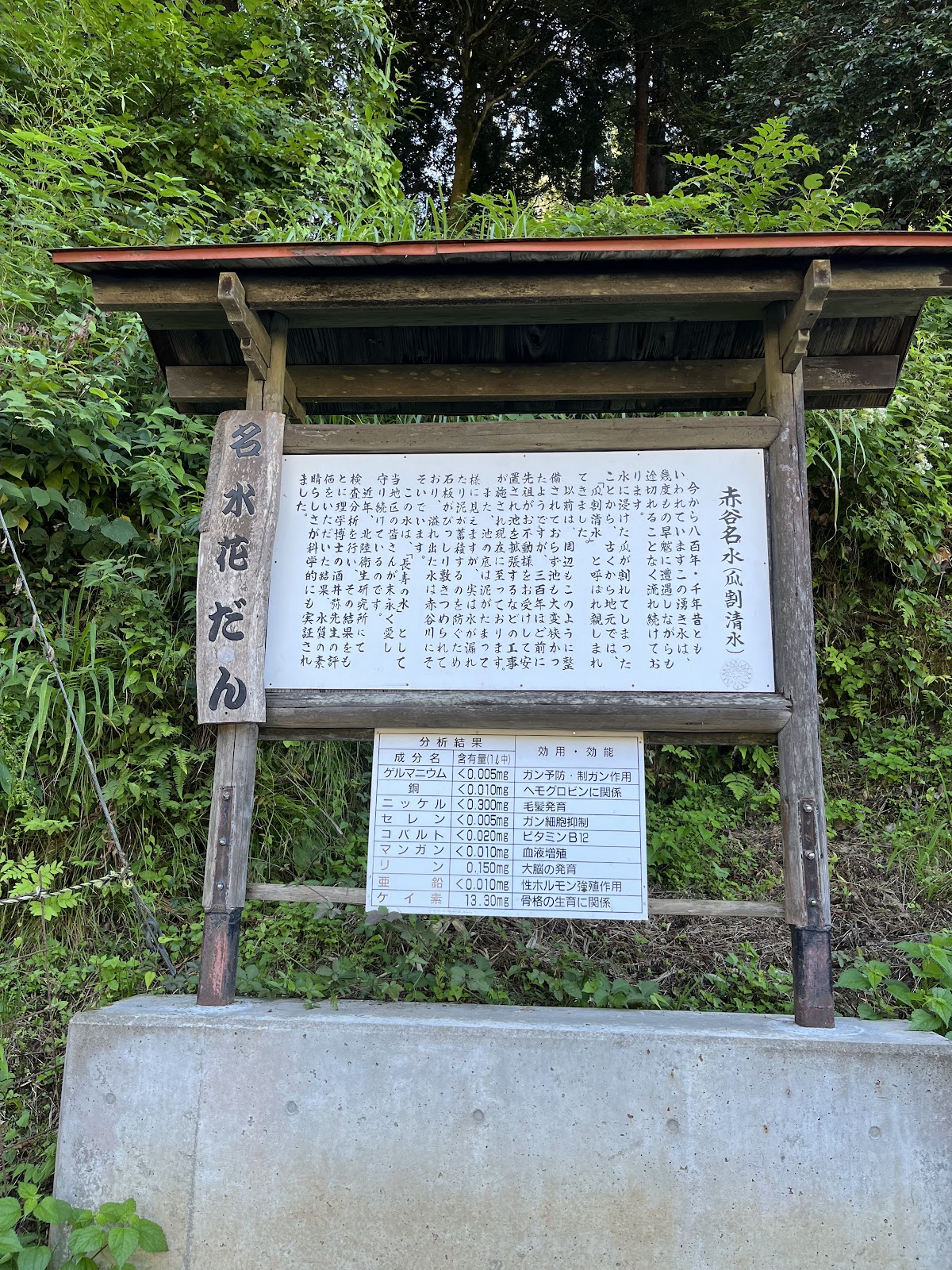
The Uriwari Shimizu in Akatani Town, Echizen City, is affectionately called “Akatan no Mizu” (Akatan Water) by local people. Akatani (赤谷) is called “Akatan” locally, and this spring water has become a symbol of the region.
The most notable characteristic of this Uriwari Shimizu is that it is said never to have run dry for over 1,000 years. It maintains an abundant water flow throughout the year, and constantly clear, cold water flows out. The water temperature remains nearly constant year-round, and even in summer it is extremely cold—you can truly experience the coldness that would crack a melon.
Faith in Long Life Water and Water That Cures Eye Disease
The Uriwari Shimizu of Akatani has long been believed to have an effect on curing eye diseases. Near the spring sits a statue of Fudō Myōō, making it an object of community faith. Additionally, it is known as water for longevity, and locals who regularly drink this water are said to be healthy and long-lived.
Because of these traditions, people travel from afar specifically to draw this water. It continues to be used as daily drinking water by local residents and is carefully managed by the community.
Water Quality and Taste
Akatani Uriwari Shimizu has been certified as “Fukui Delicious Water,” and regular water quality surveys are conducted. According to test results, no coliform bacteria are detected, and its safety as drinking water has been confirmed.
The water is characterized by having no off-flavors and being extremely easy to drink. It clearly differs from tap water—a soft water type that is smooth and goes down easily. It contains minerals in well-balanced proportions, allowing you to enjoy natural taste at its finest.
Access Methods and Basic Information
Location: Akatani Town, Echizen City, Fukui Prefecture
Access:
- By car: Approximately 15 minutes from Takefu IC on the Hokuriku Expressway
- Public transportation: Approximately 20 minutes by taxi from JR Takefu Station
The Akatani settlement is located near Mizumaya Valley, known as the birthplace of swordsman Sasaki Kojirō. As you head up Mizumaya Valley, the Akatani settlement comes into view on the left. From the middle of the settlement, take a narrow farming path to the right, and you’ll find Uriwari Shimizu at the foot of the mountain.
Parking: Dedicated parking available (free)
Hours: Available 24/7 (though nighttime visits are not recommended)
Fee: Free
Nearby Tourist Attractions
Sasaki Kojirō Park
Near Akatani Uriwari Shimizu, there is Kojirō Park, known as the birthplace of swordsman Sasaki Kojirō. The park contains a statue of Kojirō and a museum where you can learn about his life. When visiting Uriwari Shimizu, this is a spot you should definitely see.
Uriwari Waterfall Park (Wakasa Town)
As another famous spot bearing the name “Uriwari,” Wakasa Town has “Uriwari Waterfall,” which has been selected as one of Japan’s Top 100 Famous Waters. It is known as a park with 10,000 hydrangea plants. The scenery is especially beautiful during the hydrangea season (June–July).
Uriwari Shimizu in Ichijodani Asakura Clan Ruins, Fukui City | A Spring Said to Have Been Used Since the Sengoku Period
Historical Background
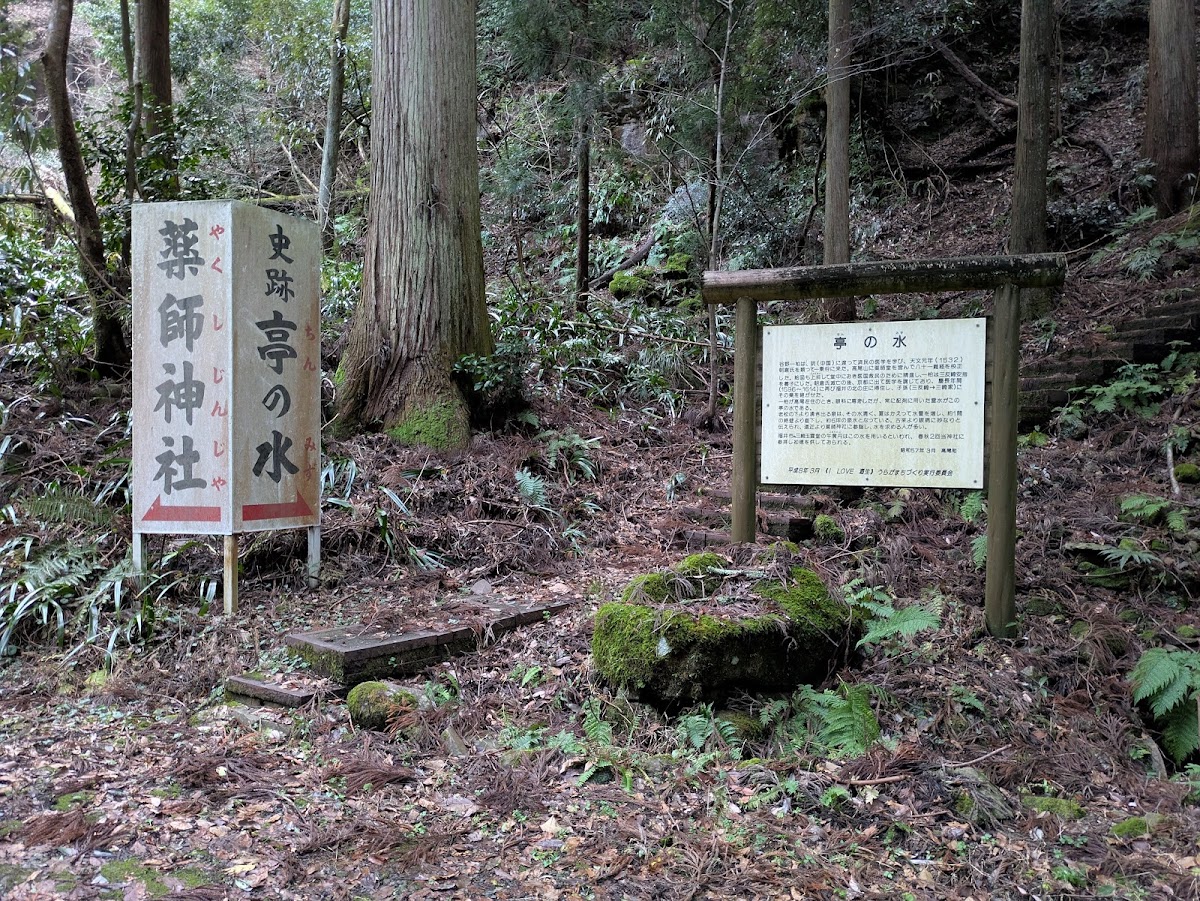
The Uriwari Shimizu within the Ichijodani Asakura Clan Ruins in Fukui City is a historically significant spring water believed to have been used by the Asakura clan, which ruled Echizen during the Sengoku period. The Asakura clan was based in Ichijodani from 1471 for approximately 100 years, building a cultural city rivaling Kyoto.
This Uriwari Shimizu is said to have been used for rituals and the daily life of the clan leaders. In the castle of a Sengoku daimyo, securing a source of good-quality water was extremely important, and this spring is thought to have been a valuable resource supporting the Asakura clan’s prosperity.
Current Situation
Approximately 400 years have passed since the fall of the Asakura clan, yet Uriwari Shimizu continues to flow with abundant water throughout the year, with clear cold water gushing out constantly. This persistence indicates that the water source derives from a stable underground water vein, and it speaks to the abundance of nature’s blessings.
Currently, it continues to be used as daily drinking water by local people, making it a precious water source that combines both historical and practical value. This spring quietly stands among the residential areas of the Ichijodani Asakura Clan Ruins, allowing visitors to imagine life during the Sengoku period.
Access Methods and Basic Information
Location: Kidono-uchi Town, Fukui City, Fukui Prefecture (within Ichijodani Asakura Clan Ruins)
Access:
- By car: Approximately 15 minutes from Fukui IC on the Hokuriku Expressway
- Public transportation: Approximately 30 minutes by Kyofuku Bus bound for “Ichijodani Asakura Clan Ruins” from JR Fukui Station; get off at the final stop and walk 5 minutes
Parking: Use the parking lot for Ichijodani Asakura Clan Ruins (free)
Hours: Follows the opening hours of the ruins (normally 9:00 AM–5:00 PM)
Fee: Free (some facilities within the ruins charge admission)
Highlights of Ichijodani Asakura Clan Ruins
When visiting Uriwari Shimizu, we recommend exploring the entire Ichijodani Asakura Clan Ruins.
Reconstructed Town
The townscape from the Sengoku period has been faithfully reconstructed, allowing you to experience life from that era. With samurai residences and townhouses lined up, you can feel as though you’ve traveled back in time.
Asakura Residence Site
This is where the Asakura clan’s residence once stood, and remains of the garden and other structures are preserved. Imagining that Uriwari Shimizu was used as the household water here allows you to feel the romance of history.
Kara Gate
This gate was built to honor the memory of Asakura Yoshikage and is designated as a National Important Cultural Property.
Comparison of the Two Uriwari Shimizu Springs
Similarities
- Origin of Name: Both received the “Uriwari” name from the extreme coldness of the water
- Length of History: Both have a history spanning hundreds of years or more
- Connection to Community: Both are currently used as daily drinking water by local residents
- Water Quality: Both are known for being crystalline and delicious
Differences
| Item | Akatani Town, Echizen City | Ichijodani, Fukui City |
|——|—————————|———————-|
| Main Feature | Water for longevity, cures eye disease | Historical heritage from Sengoku period |
| Religious Faith | Fudō Myōō is enshrined | Integrated with historical structures |
| Surrounding Environment | Mountain village settlement | Within a specially designated national historic site |
| Tourist Aspect | Community-oriented | Part of historical tourism |
| Access | Somewhat difficult to find | Well-signposted within ruins |
Other Famous Water Spots in Fukui Prefecture
Fukui Prefecture has many other famous water spots besides Uriwari Shimizu.
Wakasa Uriwari Famous Water Park’s Uriwari Waterfall
As mentioned earlier, this waterfall in Wakasa Town is one of Japan’s Top 100 Famous Waters. It is developed as a park where you can enjoy nature in each season. It is especially spectacular during the hydrangea season from June to July.
Oshōzu (御清水)
This is a spring in Ōno City, also selected as one of Japan’s Top 100 Famous Waters. It is a historically significant water source that has supported life in the castle town of Ōno.
Unjōsui (雲城水)
This is a famous water in Echizen City, cherished by local residents.
Points to Note When Visiting Uriwari Shimizu
Water-Drawing Etiquette
- Understand that it is a water source for local residents: Be considerate so that tourists drawing large quantities of water do not inconvenience the locals.
- Maintain cleanliness: Be careful not to dirty the water-drawing area or its surroundings.
- Take litter with you: To preserve the natural environment, always take your trash with you.
- Be mindful of noise: Since some areas are near residences, visit quietly.
Useful Items to Bring
- Clean containers: If you plan to draw water, prepare containers that have been thoroughly cleaned beforehand.
- Towel: You may get wet while drawing water.
- Waterproof shoes or boots: The ground may be wet.
- Insect repellent spray: Especially necessary in summer.
Best Seasons to Visit
Uriwari Shimizu can be visited year-round, but each season has its own appeal.
- Spring (March–May): Beautiful fresh greenery and pleasant weather
- Summer (June–August): The cold water is especially refreshing. Surrounding hydrangeas are in bloom
- Autumn (September–November): Beautiful autumn foliage. The taste of the water stands out
- Winter (December–February): The spring surrounded by snow is fantastic, but be careful with access
Nearby Food Spots
Echizen Soba
Fukui Prefecture is the heartland of Echizen soba. Several delicious soba restaurants are scattered near Uriwari Shimizu. Soba made with cold spring water has an exceptional taste.
Local Restaurants
There are local restaurants in the Akatani and Ichijodani areas that serve dishes made with local ingredients. You can enjoy Fukui’s regional cuisine.
Oroshi Soba
Fukui’s famous oroshi soba features soba topped generously with grated radish and has a light, refreshing flavor.
Products Made with Uriwari Shimizu Water
Bottled Water
Wakasa’s Uriwari water is sold as natural mineral water in bottles. You can enjoy Fukui’s famous water at home.
Local Sake
Some sake breweries in Fukui Prefecture use water from sources near Uriwari Shimizu. Japanese sake made with crystalline water is characterized by a clean, crisp taste.
Conclusion | Experience History and Nature at Fukui’s Uriwari Shimizu
Fukui Prefecture’s Uriwari Shimizu exists at two locations—Akatani Town in Echizen City and Ichijodani in Fukui City—each possessing distinct attractions. The Uriwari Shimizu of Akatani is revered as water for longevity and water that cures eye disease, serving as an object of community faith, and has flowed without ceasing for over 1,000 years. The Uriwari Shimizu of Ichijodani, meanwhile, is a historically significant spring said to have been used since the Sengoku period, and even 400 years later continues to be used as drinking water by local residents.
Both Uriwari Shimizu springs are precious spots where you can experience Fukui’s abundant nature and rich history. Feel the coldness of the crystalline water on your skin, savor its taste, and reflect on its long history—such a luxurious experience awaits. You might even experience the legend of the melon cracking from the extreme cold.
When visiting Fukui, be sure to stop by Uriwari Shimizu and connect with Japan’s water culture and the lives of local people. Respect the natural blessings that locals have carefully preserved, and enjoy them while following proper etiquette.