Complete Guide to Tei no Mizu (Fukui Prefecture) | Thoroughly Explaining Access, Water Quality, and the Charm of Yakushi Shrine
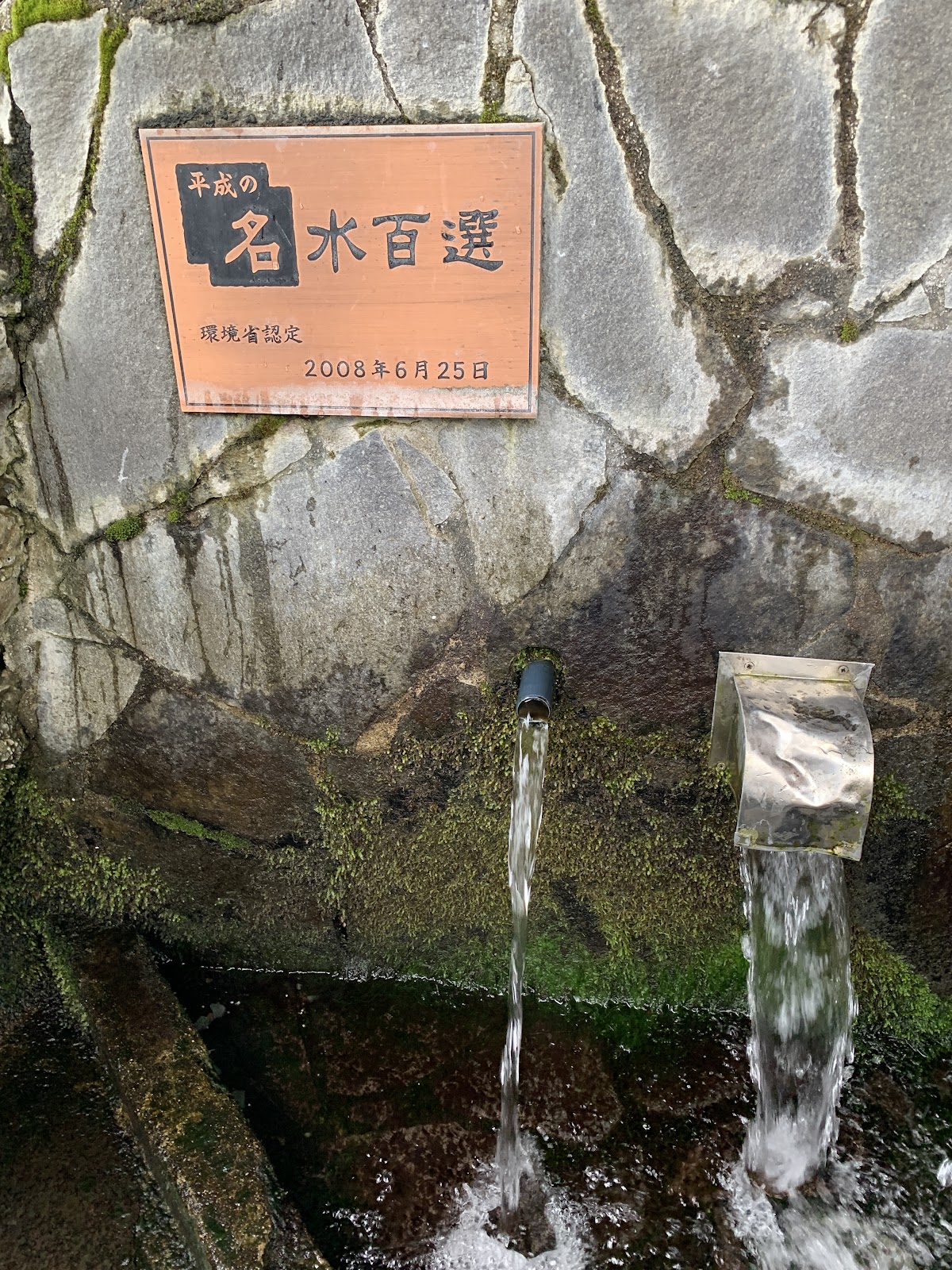
Tei no Mizu is a spring water spot located in the mountainous region of Fukui City, Fukui Prefecture, and has long been beloved by local residents and people who visit to draw water. Fukui Prefecture is known nationwide as a treasure trove of famous waters, with springs selected for the Ministry of the Environment’s Hundred Select Waters such as “Gosshimizu” and “Urigawari no Taki,” and numerous spring water sites are preserved through the prefecture’s own “Fukui Delicious Water” certification system.
This article provides detailed explanations based on local information, covering the exact location of Tei no Mizu and how to access it, water quality characteristics, the historical background of the adjacent Yakushi Shrine, precautions when visiting, and comparisons with other famous water spots around Fukui City.
What is Tei no Mizu? A Hidden Famous Water Spot in Fukui City
Tei no Mizu is natural spring water that wells up in the mountainous region of southern Fukui City. Over 120 springs and wells have been surveyed in Fukui Prefecture, and among them, places with particularly good water quality that are safe to drink directly have been certified as “Fukui Delicious Water” (the project ended in September 2023).
Tei no Mizu has a history of being used as domestic water for local residents since ancient times, and even today, people continue to visit regularly to draw water. The clear, pure water that springs from the mountainside maintains a stable water volume throughout the year, and its cold and refreshing taste is especially valued during the hot summer months.
Origin of the Name Tei no Mizu
The place name “Tei” is thought to derive from a rest stop or tea house-like facility that once existed in this area. As people traveling mountain paths needed rest, the location with clear spring water would have played an important role. Even today, remnants remain as a small shrine and Yakushi Shrine located near the water source, continuing the tradition of gratitude and faith toward the water.
Access to Tei no Mizu and How to Get There
To visit Tei no Mizu, car access is the basic means of transportation. Public transportation makes it difficult to reach, so a rental car or private vehicle is recommended.
Basic Information
- Location: Near Minaminotsumata-cho, Fukui City, Fukui Prefecture
- Access: Approximately 30 minutes by car from Fukui IC
- Parking: Small parking space available (approximately 2-3 vehicles)
- Fee: Free
- Hours: Accessible 24 hours (not recommended at night)
Detailed Route Directions
- Approach from National Route 158: Proceed on National Route 158, which connects Fukui City and Ono City, heading from the Fukui side toward Ono. This national route is a major highway connecting Fukui and the Okuetsu region.
- Branching toward the mountain side: There is a branch point from National Route 158 turning toward the mountain side (south side). Guide signs are small, so please check carefully. Searching for “Tei no Mizu” or “Minaminotsumata-cho” on car navigation systems or smartphone map apps works well.
- Passing through residential area: After the branch, you will pass through an area where houses are scattered. The road is relatively narrow, requiring caution when passing oncoming vehicles.
- Climbing steep slope: As you leave the residential area, you enter a mountain road with steep inclines. The road is paved, but with numerous curves and steep gradients, those lacking driving confidence should proceed especially carefully.
- Confirming guide signs: As you climb the slope, a “Tei no Mizu” guide sign appears. Using this sign as a landmark and proceeding further will bring you to the water source.
Access During Winter
The mountainous region of Fukui City experiences snowfall in winter, and roads leading to Tei no Mizu may be covered with snow. From December through March, installation of studless tires is essential. Visits immediately after snowfall or during early morning or nighttime when freezing is expected should be avoided. Depending on snow removal conditions, the road may become impassable, so it is recommended to confirm information from Fukui City Hall or local sources before winter visits.
Water Quality and Characteristics of Tei no Mizu
The greatest charm of Tei no Mizu lies in its excellent water quality. Fukui Prefecture has a Japan Sea side climate, where abundant winter snowfall is stored in the mountains and filtered underground over long periods before welling up as groundwater.
Water Quality Characteristics
- Water temperature: Stable at approximately 12-14 degrees Celsius year-round
- Hardness: Soft water (most Japanese spring water is soft water)
- Taste: Smooth and easy to drink, without peculiar taste
- Transparency: Very high, allowing visibility to the bottom of the water source
Tei no Mizu possesses the typical characteristics of spring water flowing from Fukui’s mountains. It contains appropriately distributed mineral content while maintaining low hardness for a soft mouthfeel, making it ideal for Japanese tea, coffee, and cooking water.
Water Volume and Stability
The water volume of Tei no Mizu fluctuates somewhat seasonally but remains relatively stable throughout the year. This is because groundwater stored in the mountains behind provides consistent supply. After heavy rainfall, water volume temporarily increases and may become slightly turbid, but normally clear water wells up with high transparency.
When drawing water, you can collect it directly from a faucet or pipe installed at the water source. However, if consuming the water, it is recommended to boil it first or pass it through a water filter. Even though Tei no Mizu was certified as “Fukui Delicious Water,” water quality may change due to natural environmental changes or wildlife influence.
Relationship with Yakushi Shrine
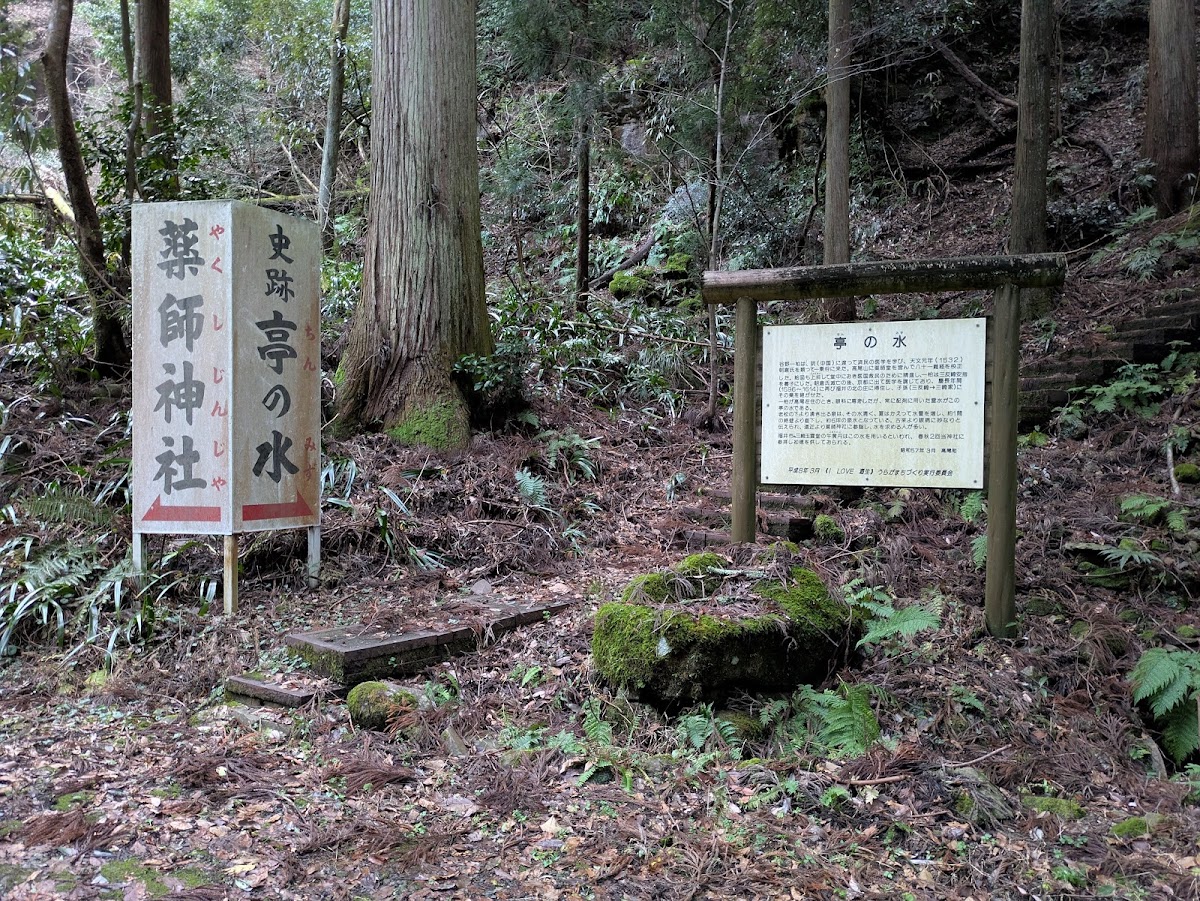
Immediately near the Tei no Mizu water source, Yakushi Shrine is enshrined. This small shrine has long been cherished as a place where local people offer gratitude for the water and pray for health.
Origin of Yakushi Shrine
Yakushi Nyorai (Yakushi Rurikoguang Nyorai) is worshipped as a Buddha who heals illness and protects health. The practice of enshrining Yakushi Nyorai at locations with clear spring water is seen in various places throughout Japan, thought to connect the purifying power of water with the healing power of Yakushi Nyorai.
The Yakushi Shrine at Tei no Mizu is presumed to have existed since before the Edo period. For people of that time, clear water was a source of life and an important resource for preventing illness. It was therefore natural to enshrine deities at water sources and offer gratitude for the blessing of water while praying for health.
Present-day Yakushi Shrine
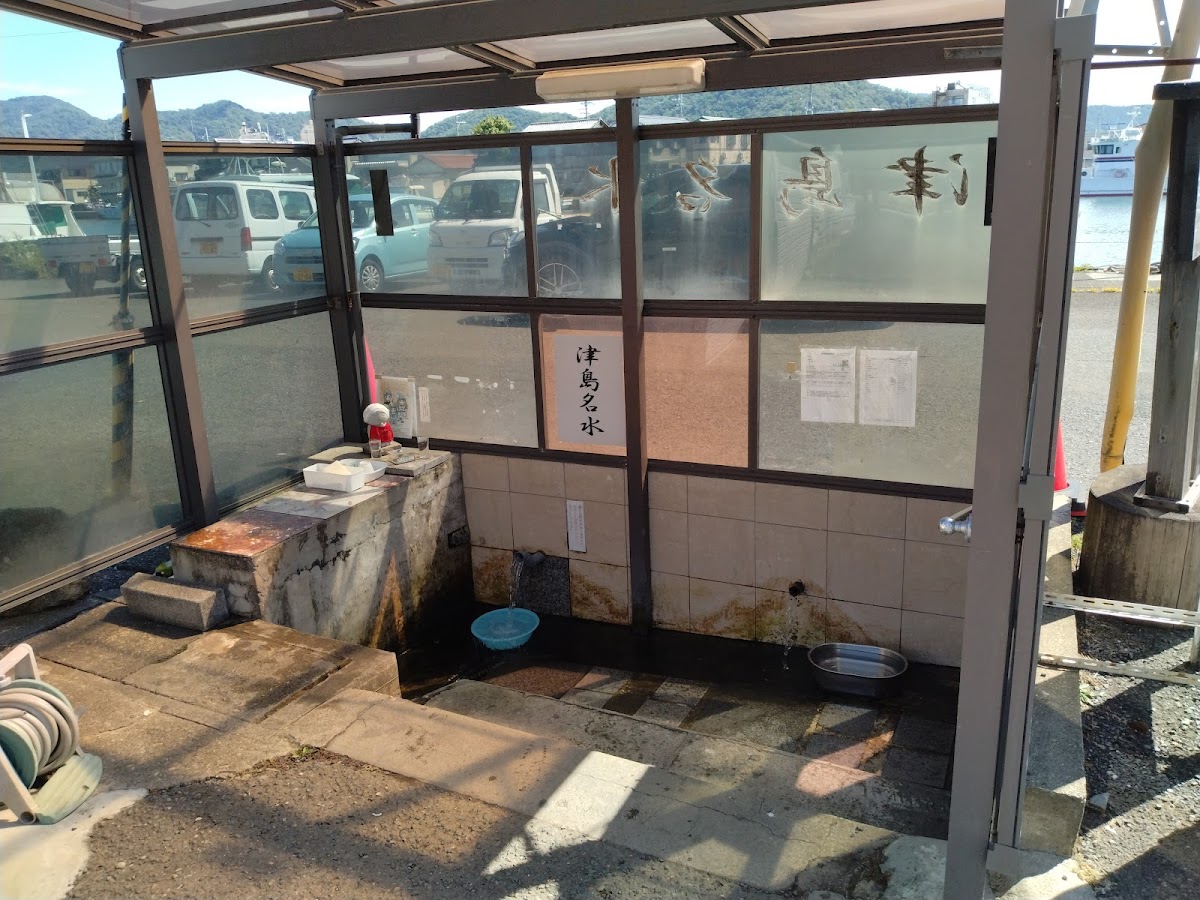
The current Yakushi Shrine stands as a small shrine beside the water source. It is regularly cleaned and maintained by local people, and sometimes votive offering boxes and small offerings are placed there.
Visitors can pay respects at Yakushi Shrine before and after drawing water, offering gratitude for the blessing of water. There are no special worship procedures, but it is desirable to quietly clasp one’s hands and show respect for water and nature.
Precautions and Etiquette When Visiting Tei no Mizu
Tei no Mizu is a shared community asset, a public water source used by many people. When visiting, please observe the following etiquette and precautions.
Basic Etiquette
- Always take trash with you: There are no garbage containers around the water source. Take all trash with you, including beverage containers and food wrappers.
- Do not pollute the water source: Cooperate in water conservation by not using detergent when washing containers and avoiding entering the water source with muddy shoes.
- Avoid monopolizing the space: If other users are waiting, promptly draw your needed water amount and yield the space.
- Be considerate of noise: The environment is quiet mountain terrain. Avoid loud conversation or playing music.
- Parking etiquette: Parking space is limited. Avoid parking on the roadside or in ways that obstruct other vehicles.
Safety Precautions
- Slippery areas: The water source area is constantly wet, and moss grows in some places. Wear non-slip shoes and watch your footing carefully.
- Wildlife: As it is mountainous, wild boar and bears may appear. Extra caution is needed especially during early morning and evening hours.
- Mobile phone signal: The mountainous location may result in weak or no cellular signal.
- Sudden weather changes: Mountain weather changes quickly, so carry rain gear and descend early if weather deteriorates.
Regarding Water to Take Home
When taking water home, use clean containers. If using plastic bottles or poly-tanks, it is important to wash them thoroughly beforehand. When drawing large quantities of water, do not forget consideration for other users.
Store the drawn water in a cool, dark place and use it within several days. For long-term storage, boil the water before placing it in a sealed container or refrigerate.
Attractions Around Tei no Mizu
When visiting Tei no Mizu, you can also enjoy the surrounding natural scenery and historical sites.
Nature Walks
The area around Tei no Mizu is located in Fukui City’s mountainous region, surrounded by abundant nature. You can enjoy fresh greenery in spring, deep green in summer, autumn leaves in fall, and snowy landscapes in winter—the changing faces of each season.
Walking a short distance from the water source, you will find mountain paths and forest roads where you can enjoy light hiking. While full mountaineering equipment is not necessary, walking shoes and appropriate clothing are recommended.
Ichijodani Asakura Clan Ruins
Approximately 20-30 minutes by car from Tei no Mizu, there is the “Ichijodani Asakura Clan Ruins,” designated as a National Special Historic Site. This is the castle town ruins of the Asakura Clan, which ruled Echizen during the Sengoku period. You can view restored samurai houses, gardens, and Ichijodani Castle ruins.
After drawing water at Tei no Mizu, enjoying historical exploration is also wonderful. Ichijodani is a representative tourist destination in Fukui City, attracting many visitors year-round.
Other Famous Water Spots in Fukui City
Fukui City and its surrounding areas have numerous famous water spots besides Tei no Mizu.
- Gosshimizu (Ono City): A famous water selected for the Ministry of the Environment’s Hundred Select Waters, welling up in Ono City’s castle town.
- Urigawari no Taki (Wakasa Town): Also selected for the Hundred Select Waters, a waterfall with a legend that melons split from its extreme coldness.
- Gozenzu (Fukui City): Located within the grounds of Yasaka Shrine, also called the “Water of Longevity.”
Taking a “Famous Water Tour” visiting these springs is another way to enjoy Fukui tourism.
Fukui Prefecture’s Water Culture and the “Fukui Delicious Water” Certification System
Fukui Prefecture, blessed with abundant precipitation and mountains, has long been endowed with high-quality water resources. These water blessings greatly contributed to the development of Fukui’s food culture, particularly rice, Japanese sake, soba, and fermented foods like hesiko.
The “Fukui Delicious Water” Certification System
Fukui Prefecture implemented the “Fukui Delicious Water” certification system to brand local water resources (the project ended in September 2023). This system certified spring water and well water meeting the following criteria:
- Water quality standards: Meeting drinking water quality standards
- Accessibility: Located where ordinary people can draw water
- Conservation status: Well-maintained environment around the water source
- Management system: Appropriate management by communities or administrators
Ultimately, 34 locations (some sources indicate 35) of spring water were certified and promoted as precious Fukui water resources. Tei no Mizu may have received this certification and was one of the famous waters cherished locally.
Why Fukui’s Water Tastes Good
The reasons Fukui Prefecture’s water is considered delicious likely include:
- Abundant snowfall: Winter snowfall stored in mountains gradually seeps underground where natural filtration occurs.
- Mountainous terrain: Eastern and southern Fukui are mountainous, with these mountains serving as natural water reservoirs.
- Geology: Fukui’s geology contains abundant granite and sedimentary rocks suitable for water filtration.
- Low population density: Mountainous areas have low population density, making water sources less likely to be contaminated.
- Environmental conservation awareness: Active water source preservation efforts by residents and administration.
Visit Record of Tei no Mizu: Actual Impressions
When actually visiting Tei no Mizu, the first impression is how the quietness of mountain paths and richness of nature refresh the spirit. Turning from National Route 158 onto a mountain road, human structures gradually diminish and greenery deepens. Completing the steep ascent, a small guide sign appears, and proceeding a bit further brings you to the water source.
The water source is simply constructed but carefully maintained, reflecting the affection of local people. The water is highly transparent, cold, and refreshingly flavored. Visiting especially in summer, the cool mountain air and cold water feel pleasant, making one forget the heat.
The small shrine of Yakushi Shrine is right beside the water source, where visitors are seen quietly clasping their hands in prayer. This sight symbolizes Japanese people’s gratitude and faith toward nature, something quite heartwarming.
The parking space is indeed narrow, accommodating only 2-3 vehicles, so during busy times, a spirit of mutual consideration is necessary. However, most visitors observed followed proper etiquette, quietly drawing water before departing.
Q&A for Enjoying Tei no Mizu
Q: Can Tei no Mizu water be consumed?
A: Tei no Mizu is natural spring water and was possibly certified as “Fukui Delicious Water,” indicating high-quality water. However, since water quality can change due to natural environmental changes or wildlife influence, it is recommended to boil the water or pass it through a water filter before consuming.
Q: Can you reach Tei no Mizu by public transportation?
A: Unfortunately, public transportation access to Tei no Mizu is difficult. The nearest bus stop is a considerable distance away, requiring a mountain walk, so car access is essentially necessary.
Q: Can you borrow containers at the site to draw water?
A: There is no container rental service at the site. If you wish to take water home, prepare clean plastic bottles or poly-tanks beforehand.
Q: Can you visit during winter?
A: Winter access becomes difficult due to snowfall and road freezing. Studless tire installation is essential, and visits should be avoided immediately after snowfall or during times when freezing is expected.
Q: Are there toilets or rest facilities around Tei no Mizu?
A: There are no toilets or rest facilities near the water source. It is recommended to use facilities in Fukui City or along national routes before visiting.
Q: Is it okay to bring pets?
A: Bringing pets is possible, but take care not to pollute the water source. Keep pets on a leash and show consideration for other users.
Conclusion: Experience Fukui’s Water Culture at Tei no Mizu
Tei no Mizu is a famous water spot in the mountainous region of Fukui City loved by local people. While access is somewhat difficult, this very difficulty allows you to encounter clear water in a quiet, nature-rich environment.
Fukui Prefecture is endowed with diverse water resources, from nationally known famous waters like Gosshimizu and Urigawari no Taki to community-focused springs like Tei no Mizu. These waters are precious assets supporting Fukui’s food and living culture and are currently carefully preserved.
Visiting Tei no Mizu is not merely about drawing delicious water but offers a valuable experience touching Fukui’s nature, history, and water-grateful culture. Paying respects at Yakushi Shrine, breathing the quiet mountain air, tasting cold water—such moments provide a genuine “once-in-a-lifetime” experience, allowing you to forget daily commotion.
When visiting Fukui City, be sure to visit Tei no Mizu and experience the water blessings that Fukui boasts. When visiting, observe proper etiquette and maintain awareness of preserving this precious natural resource for future generations.