.png)
Complete Guide to Takatsu Ward Citizens’ Health Forest Springwater Area (Kanagawa Prefecture): A Urban Secret Sanctuary Where Fireflies and Satoyama Nature Thrive
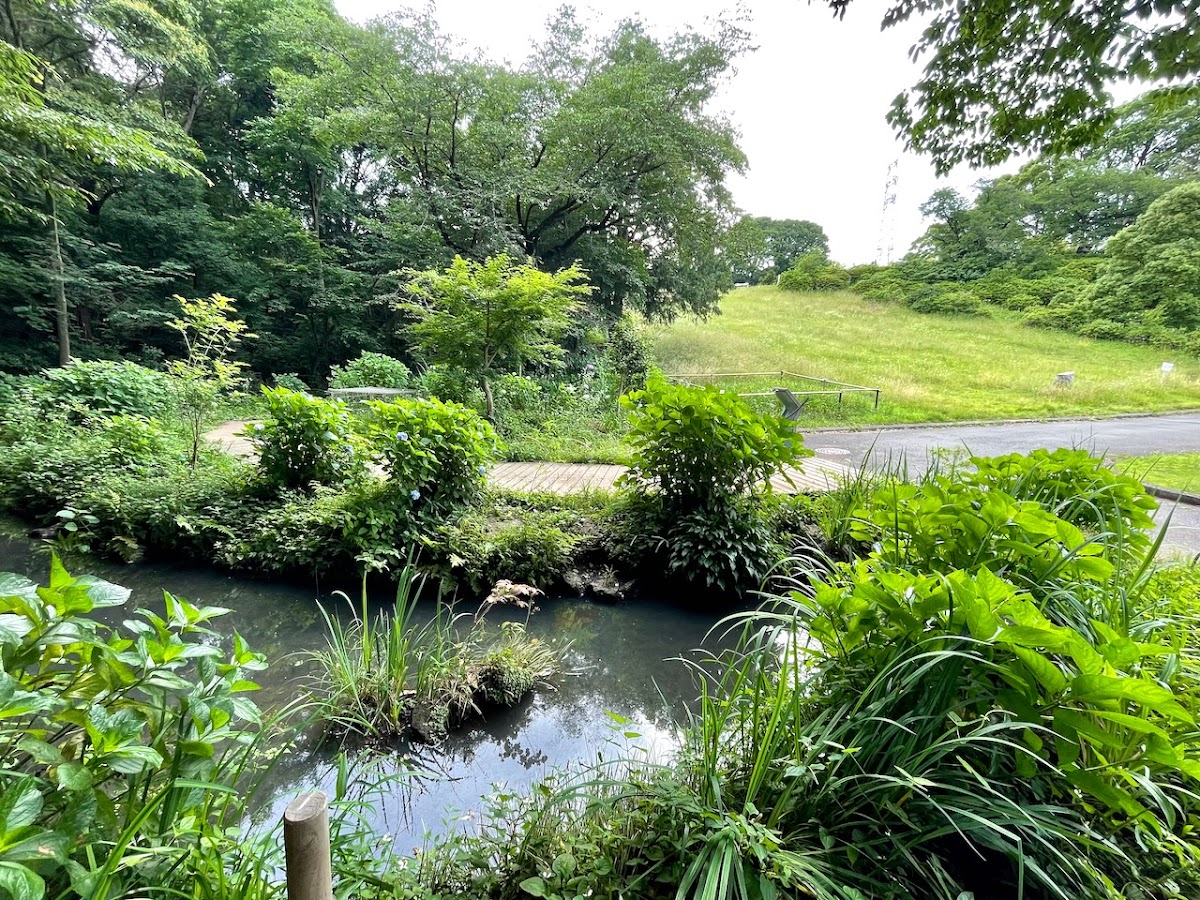
The “Takatsu Ward Citizens’ Health Forest Springwater Area,” located in Takatsu Ward, Kawasaki City, Kanagawa Prefecture, is a precious satoyama environment miraculously preserved amid the advancing urbanization of Kawasaki. On a 7.3-hectare site, nature bearing traces of the Musashino landscape thrives, and in the environment where clear springwater flows, a fantastical scene of fireflies dancing can be observed. This article comprehensively delivers all information you should know before visiting, from the attractions of this springwater area, its ecosystem, access methods, to details of conservation activities.
What is the Takatsu Ward Citizens’ Health Forest Springwater Area?
The Takatsu Ward Citizens’ Health Forest Springwater Area is a springwater environment conservation zone established within the “Takatsu Ward Citizens’ Health Forest,” which was set up in Heisei 14 (2002). This forest is composed of two areas: “Kasugadai Park” and “Tachibana Interaction Forest,” with the springwater area primarily located within Tachibana Interaction Forest.
Based on Kawasaki City’s Water Environment Conservation Plan, this springwater area was developed through cooperation between Takatsu Ward Office and the “Takatsu Ward Citizens’ Health Forest Development Association.” It functions as a place for public awareness and education regarding the importance of groundwater. Despite being in an urban area, organisms that can only inhabit clean streams—such as Japanese stream crabs, Onasicawakaera, and planaria—have been confirmed, proving the water quality is excellent.
Historical Background of the Springwater Area
The Chitose district of Takatsu Ward formerly had a rich natural environment as part of the Musashino Plateau. As many green spaces were lost due to urban development during the high-growth period, the precious satoyama environment was preserved through strong local resident demands and administrative understanding.
Since the establishment of Citizens’ Health Forest in Heisei 14, the community volunteer group “Takatsu Ward Citizens’ Health Forest Development Association” has continued green conservation activities with the basic concept of “slowly, together, enjoyably.” The development of the springwater area plays an important role not only in nature conservation but also as a venue for environmental education and community building.
Characteristics of Kasugadai Park Area
Kasugadai Park (Takatsu Ward Chitose 1149-1), which constitutes the “hill section” of Takatsu Ward Citizens’ Health Forest, is a well-situated park with excellent views overlooking the Third Keihin Road from its elevated position.
Main Facilities and Activities of Kasugadai Park
Kasugadai Park is equipped with a charcoal-making shed where bamboo charcoal is burned 4-5 times annually. This traditional satoyama activity holds significance in both bamboo forest management and resource circulation. The burned bamboo charcoal is utilized as a deodorizer and soil amendment, demonstrating a sustainable satoyama management model.
Within the park, seasonal flowers can be enjoyed throughout the year: cherry blossoms and azaleas in spring, green shade in summer, autumn foliage in fall, and camellias in winter. As a place where one can experience the precious satoyama remaining in Takatsu Ward, it also serves as a venue for nature observation meetings and satoyama conservation experience classes.
Satoyama Conservation Experience Classes
Kawasaki City Takatsu Ward regularly holds “Satoyama Conservation Experience Classes” at Kasugadai Park. Hosted by the Takatsu Ward Citizens’ Health Forest Development Association, these classes allow participants to learn about satoyama ecosystems and management methods through actual conservation work.
Experience content includes grass cutting, deadwood cleanup, bamboo forest management, bird watching, and plant observation, with programs designed to be accessible to beginners. Participants can acquire practical knowledge and techniques in satoyama conservation while also building community with like-minded individuals.
Tachibana Interaction Forest and Firefly Village
Tachibana Interaction Forest, which constitutes the “forest section” of Takatsu Ward Citizens’ Health Forest, is developed as a recreation area for nature interaction with walking trails and benches set up through the wooded area. It is actively used for recreational activities and nature observation and is particularly known locally as “Firefly Village.”
Details of Firefly Protection Activities
Tachibana Interaction Forest hosts full-scale firefly protection and breeding activities led by the Takatsu Ward Citizens’ Health Forest Development Association. These activities are implemented through the following steps:
1. Environmental Improvement
Grass removal and stream cleanup are regularly conducted to maintain water edge environments suitable for firefly habitation. Springwater flow is appropriately preserved to create environments where freshwater snails (firefly larval food) can thrive.
2. Larval Rearing
Firefly eggs through larvae are carefully raised. Fine management including water temperature control and securing freshwater snails as food is required.
3. Release Activities
Reared larvae are released around the springwater area at appropriate times. Regular monitoring is conducted after release to confirm inhabitance status.
4. Viewing Meetings
In early summer, firefly viewing meetings are held where local residents and visitors can enjoy the fantastical light of fireflies. These viewing meetings also play an important role as environmental education opportunities.
Springwater Area Ecosystem
The Takatsu Ward Citizens’ Health Forest Springwater Area is home to many clean stream indicator organisms:
- Japanese stream crabs: Crustaceans that inhabit only clean water, indicating springwater quality.
- Onasicawakaera: A type of aquatic insect sensitive to water contamination.
- Planaria: Flatworms known as clean stream environment indicator organisms.
- Genji fireflies and Heike fireflies: Fireflies released and protected by the development association, displaying beautiful light in early summer.
- Freshwater snails: Spiral shells that serve as firefly larval food, essential for maintaining springwater environments.
The environment where these organisms coexist is extremely rare in urban areas, demonstrating the results of appropriate conservation activities.
Water Quality and Environment of the Springwater Area
Kawasaki City regularly conducts water quality surveys of the springwater area based on its “Water Environment Conservation Plan.” The water of Takatsu Ward Citizens’ Health Forest Springwater Area is groundwater naturally springing forth, maintaining relatively stable water temperature and quality throughout the year.
Water Quality Characteristics
The springwater area possesses the following water quality characteristics:
- Transparency: Maintains high transparency with crystal-clear visibility to the bottom.
- Water temperature: Stable at approximately 15-18°C year-round, suitable for organism habitation.
- Dissolved oxygen content: Rich in oxygen supporting aquatic life habitation.
- pH value: Maintained near neutral, allowing diverse organisms to inhabit.
However, since the springwater is not managed for drinking water quality, it is not suitable for consumption. Use for observation and water play activities is recommended.
Role of Groundwater and Conservation Significance
The springwater area is developed as a venue for public awareness and education regarding groundwater’s important role. Urban groundwater possesses the following important functions:
- Ecosystem maintenance: Springwater provides habitats for aquatic organisms, supporting biodiversity.
- Temperature regulation: Springwater and surrounding greenery contribute to mitigating heat island phenomena.
- Disaster prevention function: Greenery and springwater environments have rainfall storage and infiltration functions, helping reduce urban flood risks.
- Environmental education: Provides opportunities for environmental education and nature observation as accessible natural environments.
Activities of the Takatsu Ward Citizens’ Health Forest Development Association
The Takatsu Ward Citizens’ Health Forest Development Association is a volunteer organization founded around the same time as Citizens’ Health Forest’s establishment in Heisei 14. With the basic philosophy of “slowly, together, enjoyably,” it continues green recovery, conservation, and creation activities.
Purpose and Philosophy of Activities
The association’s main purposes are as follows:
- Green recovery, conservation, and creation: Maintenance and improvement of satoyama environments bearing traces of the Musashino landscape
- Provision of health and recreation spaces: Development of venues where citizens can interact with nature and enhance physical and mental health
- Contribution to community building: Formation of regional community through nature conservation activities
- Exercise of urban disaster prevention functions: Maintenance and strengthening of greenery’s disaster prevention functions
Specific Activity Content
The association conducts diverse activities throughout the year:
Regular conservation work
- Grass cutting and weeding (approximately 2-3 times monthly)
- Deadwood and fallen tree removal
- Bamboo forest management and charcoal burning (4-5 times yearly)
- Walking trail maintenance
- Bench and signboard repairs
Springwater environment development
- Stream cleaning and water channel development
- Vegetation management around springwater
- Cooperation with water quality monitoring
Firefly protection activities
- Larval rearing and release
- Freshwater snail protection and propagation
- Firefly viewing meeting organization (annually, early summer)
- Firefly inhabitance surveys
Environmental education and awareness activities
- Nature observation meeting organization
- Satoyama conservation experience class implementation
- Environmental education support to schools
- Participation in community events
Community activities
- Member exchange meetings
- Community events with local residents
- Collaboration with other environmental conservation organizations
Participation Methods and Member Recruitment
The Takatsu Ward Citizens’ Health Forest Development Association continuously recruits residents interested in participating in activities. No special skills or knowledge are required; anyone who loves nature or is interested in community contribution can participate. Regular activity dates are primarily set for weekends, allowing participation on convenient days only.
Access and Facility Information
Access to Kasugadai Park (Takatsu Ward Citizens’ Health Forest)
Location: 1149-1 Chitose, Takatsu Ward, Kawasaki City, Kanagawa Prefecture
Public transportation access
- Approximately 20-minute walk from JR Nanbu Line “Musashi-Mizunoguchieki Station” or Tokyu Denentoshi/Ooimachi Lines “Mizunoguchieki Station”
- Get off at “Chitose” bus stop on Kawasaki City buses, approximately 5-minute walk
Automobile access
- Approximately 10 minutes from “Keihin-Kawasaki IC” on the Third Keihin Road
- Parking is limited; public transportation use is recommended
Access to Tachibana Interaction Forest
Tachibana Interaction Forest is adjacent to Kasugadai Park and is accessible via the same access methods. Both areas are connected by walking trails, allowing foot passage between them.
Facilities and Equipment
- Walking trails: Well-maintained trails wind through the forest, ideal for nature observation.
- Benches: Rest benches are installed throughout.
- Information boards: Educational signboards about plants and organisms aid natural learning.
- Charcoal-making shed: Located within Kasugadai Park, used for charcoal-burning experiences.
- Springwater observation area: Developed within Tachibana Interaction Forest.
Operating Hours and Precautions
Citizens’ Health Forest is generally open at all times, but please note the following:
- Nighttime use: Except during special events like firefly viewing meetings, please refrain from nighttime use.
- Trash disposal: No trash bins are installed; please take all trash with you.
- Wildlife collection prohibition: As a conservation area, collecting plants and animals is strictly prohibited.
- Fire prohibition: Fire use is prohibited except during charcoal-burning shed activities.
- Pets: Use leashes and bring waste with you.
- Springwater consumption prohibition: Springwater is not managed for drinking water quality.
Seasonal Enjoyments
Takatsu Ward Citizens’ Health Forest Springwater Area reveals different natural expressions each season.
Spring (March-May)
Spring is the season of fresh greenery. Cherry blossoms and azaleas bloom, and the entire forest is wrapped in a bright atmosphere. Bird songs become active, making this an ideal time for bird watching. Around the springwater, the activity of Japanese stream crabs and frogs awakening from winter hibernation can be observed.
Satoyama conservation experience classes often begin in spring, offering an excellent opportunity for those newly interested in participating in activities.
Summer (June-August)
Summer’s greatest attraction is undoubtedly fireflies. From mid-June through early July, Genji and Heike fireflies release a fantastical glow. At the firefly viewing meetings hosted by the development association, one can observe fireflies while hearing expert explanations.
The cool springwater is pleasant, and the area bustles with visitors seeking coolness. However, insects like mosquitoes are numerous during this period, requiring insect repellent measures.
Autumn (September-November)
Autumn is the season of fall foliage. Japanese maples and zelkova trees turn color, and the satoyama is dyed red and yellow. Acorns and tree fruits become abundant, and activities of squirrels and wild birds intensify.
The climate is pleasant, making it an ideal season for walking and nature observation. Charcoal-burning events are frequently held in autumn.
Winter (December-February)
Winter is a quiet season for the forest, but fallen leaves improve visibility, making it an excellent time for bird watching. Camellias and sasanquas display flowers, adding winter color.
Springwater maintains stable temperatures year-round, allowing observation of organism activity even in winter. Clear air makes the views from Kasugadai Park particularly beautiful.
Cooperation with Surrounding Environmental Conservation Activities
Takatsu Ward Citizens’ Health Forest conservation activities are not conducted independently. They cooperate with Kawasaki City-wide environmental conservation policies and broader initiatives like Kanagawa Prefecture’s “Kanagawa Water Source Forest Development.”
Cooperation with Rangers Project
The “Neighborhood Nature Protection Rangers Project” supports citizen nature conservation activities, with Takatsu Ward Citizens’ Health Forest registered as one of its fields. Through this project, information exchange and technique sharing among conservation organizations in different regions occurs.
Exchange with other citizen environmental conservation organizations throughout Kanagawa Prefecture, such as Yokohama Rangers, is active, with knowledge sharing and joint event hosting conducted.
Relationship with Kawasaki City Environmental Policies
Kawasaki City positions green space and springwater environment conservation like Citizens’ Health Forest as priority policies in various plans including the “Water Environment Conservation Plan” and “Kawasaki City Green Master Plan.”
Takatsu Ward Office actively provides support through publicity for satoyama conservation experience classes, material provision, and expert dispatch, backing citizen activities.
Value as an Environmental Education Venue
Takatsu Ward Citizens’ Health Forest Springwater Area is utilized as an environmental education venue for people of all ages, from children to adults.
Cooperation with School Education
Local elementary schools visit Citizens’ Health Forest during integrated learning time and science classes to conduct nature observation and environmental learning. Association members cooperate as instructors, providing opportunities to learn about satoyama ecosystems, biodiversity, and conservation importance through hands-on experience.
Firefly learning is particularly popular, with programs teaching about the firefly life cycle, habitat environment, and protection activity significance well-received.
As a Lifelong Learning Venue
For adults, more specialized nature observation meetings and conservation technique workshops are held. Participants can learn practical skills including plant identification methods, bird identification, and aquatic organism survey techniques.
Additionally, an increasing number of people participate in the association’s activities as a means to create purpose after retirement or as an entry point to community contribution activities.
Significance of Satoyama Conservation in Urban Areas
Urban satoyama environments like Takatsu Ward Citizens’ Health Forest Springwater Area possess the following multifaceted values:
Biodiversity Conservation
By preserving the Musashino ecosystem disappearing due to urbanization, local endemic biodiversity can be protected. Springwater environments are particularly valuable, serving as habitats for many rare species.
Urban Environment Improvement
Greenery and springwater contribute to heat island phenomenon mitigation, air purification, and noise reduction. Rainwater storage and infiltration functions reduce urban flood risks.
Citizens’ Health Promotion
Scientific evidence demonstrates that nature interaction reduces stress and enhances physical and mental health. Citizens’ Health Forest, true to its name, is an important resource supporting citizen health.
Community Formation
Through conservation activities, people across generations and professions interact, forming regional community. Activities with shared purpose strengthen social connections and deepen regional bonds.
Next Generation Succession
By providing spaces where children interact with accessible nature and learn conservation importance, environmentally conscious next generations can be cultivated.
Message to Visitors
Takatsu Ward Citizens’ Health Forest Springwater Area is a precious natural environment miraculously remaining in an urban area. Its maintenance results from over 20 years of dedicated citizen volunteer effort.
When visiting, please keep the following in mind:
- Respect nature: Observe without collecting plants and animals.
- Take trash with you: Practice leaving things “more beautiful than when you came.”
- Enjoy quietly: Loud voices and noise startle wildlife.
- Follow rules: Respect off-limits areas and cautions.
- Participate in activities: If possible, join conservation activities.
Each individual’s small consideration connects this precious environment to the future.
Conclusion: A Model for Urban-Nature Coexistence
Takatsu Ward Citizens’ Health Forest Springwater Area receives national attention as a success example of nature conservation in urban areas. Administrative and citizen cooperation, conservation planning based on scientific surveys, and continued environmental education combine to maintain this rich environment.
Despite its limited 7.3-hectare area, this location concentrates surprisingly abundant nature: satoyama bearing Musashino traces, clear springwater, firefly-dancing wetlands, and diverse flora and fauna. This mysterious place offers a separate world just steps into the forest, despite being beside the Third Keihin Road.
If you visit Kanagawa Prefecture’s Kawasaki City Takatsu Ward, please visit this Citizens’ Health Forest Springwater Area. This small urban sanctuary will surely teach you the preciousness of nature, the significance of conservation activities, and the possibility of human-nature coexistence.
“Slowly, together, enjoyably”—as the development association’s philosophy suggests, effortlessly, enjoyably, continuing to pass this precious natural environment to the future. This is the ideal urban-nature coexistence model that Takatsu Ward Citizens’ Health Forest Springwater Area demonstrates.