Oshino Hakkai Yamanashi Prefecture Complete Guide|Thorough Explanation of World Heritage Scenic Beauty and the Charm of Mount Fuji Groundwater
Oshino Hakkai, located in Oshino Village, Minamiturushio District, Yamanashi Prefecture, is a collective term for eight clear spring-fed pools created from snowmelt water from Mount Fuji that has been filtered over the course of several decades. As a National Natural Monument, one of Japan’s Top 100 Waters, and a component asset of the UNESCO World Heritage site “Mount Fuji—Object of Faith and Source of Artistic Inspiration,” it has become a leading tourist destination in Yamanashi Prefecture, attracting millions of visitors annually from both Japan and abroad.
This article comprehensively covers information you should know before visiting, including the historical background of Oshino Hakkai, the characteristics of each of the eight sacred sites, how to enjoy tourism, access methods, and local cuisine.
What is Oshino Hakkai|A Mysterious Land Woven Together by Mount Fuji Worship and Spring Water
Basic Information about Oshino Hakkai
Oshino Hakkai is a scenic area composed of eight spring-fed pools sourced from Mount Fuji’s groundwater. Located at an elevation of approximately 940 meters on a highland plateau, it creates a mystical landscape with highly transparent spring water set against the spectacular backdrop of Mount Fuji.
Location: Oshino Village, Minamiturushio District, Yamanashi Prefecture
Contact: Oshino Village Tourist Association (TEL: 0555-84-7794)
Hours: Open 24/7 (varies by facility)
Admission: Generally free (some facilities charge admission)
Value as a World Heritage Site
Oshino Hakkai was registered as a UNESCO World Cultural Heritage site in June 2013 as part of “Mount Fuji—Object of Faith and Source of Artistic Inspiration.” This recognition reflects the historical value of the site as an important pilgrimage destination in Mount Fuji worship.
Fujiko devotees would perform purification rituals at Oshino Hakkai before climbing Mount Fuji, cleansing their body and spirit before undertaking the ascent of this sacred peak. Each pool is dedicated to one of the Eight Great Dragon Kings based on the teachings of the Lotus Sutra, making it an extremely important place both religiously and culturally, carefully preserved to this day.
Designation as Natural Monument and Top 100 Waters
Oshino Hakkai was designated as a National Natural Monument in 1934 and was selected as one of Japan’s Top 100 Waters by the Ministry of the Environment in 1985. Snow accumulated on Mount Fuji percolates through the ground, passing between layers of lava (an impermeable stratum) over decades to centuries, and emerges as water of extremely high purity.
This spring water maintains a consistent temperature of approximately 13 degrees Celsius year-round and is characterized by exceptionally high transparency. Daily spring water volume is said to reach approximately 200,000 tons, and this abundant water supply is one of Oshino Hakkai’s greatest attractions.
The Eight Sacred Sites|Characteristics and Highlights of Each Pool
The eight pools comprising Oshino Hakkai are each designated as sacred sites with assigned numbers, and a defined pilgrimage route has been established. Here is a detailed introduction to the characteristics and highlights of each pool.
First Sacred Site: Deguchi Pool (Deguchiiké)
Deguchi Pool, the largest of Oshino Hakkai’s eight pools and positioned furthest north, has an area of approximately 1,467 square meters and a depth of about 0.5 meters. Located somewhat apart from the other seven pools, it attracts relatively few tourists, allowing visitors to enjoy Mount Fuji’s scenery in a tranquil atmosphere.
Surrounded by trees, the sight of nature’s seasonal beauty reflected on the water surface is exceptional. Particularly during autumn foliage season, the contrast between the colored leaves and Mount Fuji is beautiful and popular for photography.
Second Sacred Site: O-Kama Pool (O-Kamaike)
Although small with a diameter of only about 3 meters, O-Kama Pool has a depth of about 4 meters and, true to its name, has a pot-like shape. The water’s transparency is exceptionally high, with the bottom clearly visible, and many tourists are captivated by its mystical blue hue.
This is a valuable spot where one can observe the water welling up from the pool bottom at close range, and the way the water’s color changes depending on the angle of sunlight is another highlight.
Third Sacred Site: Sokonashi Pool (Sokonashiiké)
Sokonashi Pool is located within the grounds of the Harinoki Tree Grove Museum and can be viewed upon paying an entrance fee. The name “Sokonashi” (bottomless) comes from a legend that an object accidentally dropped during washing in the pool was later found in Yuki Pool, suggesting that the pools are connected underground.
This legend is a fascinating episode demonstrating that Oshino Hakkai’s pools are connected through groundwater channels. The surroundings of the pool feature traditional thatched-roof buildings, allowing visitors to experience Japan’s original landscape.
Fourth Sacred Site: Choroshi Pool (Choroshiiké)
Choroshi Pool is named after its elongated shape, resembling a sake pourer (choroshi). With an area of approximately 79 square meters and a depth of about 3 meters, the surrounding area features a water wheel house that creates an idyllic rural landscape.
The pool’s surroundings are relatively open, making it popular as a Mount Fuji photography backdrop. Spring cherry blossoms, summer greenery, autumn foliage, and various seasonal landscapes provide enjoyable scenery throughout the year.
Fifth Sacred Site: Yuki Pool (Yukiiké)
Yuki Pool has the highest spring water volume among Oshino Hakkai’s eight pools, with an area of approximately 152 square meters and a depth of about 4 meters. Approximately 2.4 tons of water per second spring forth, and its abundant water volume and high transparency make it the representative pool of Oshino Hakkai, attracting many tourists.
One can observe sand swirling up from the pool bottom and aquatic plants swaying, and the water’s blue is sometimes called “Oshino Blue” for its beauty. The pool’s surroundings are lined with souvenir shops and dining establishments, making it the center of tourism.
Sixth Sacred Site: Nigori Pool (Nigoriiké)
Despite its name meaning “turbid pool,” Nigori Pool is actually as transparent and beautiful as the other pools. The name is said to have originated from when volcanic activity from Mount Fuji once temporarily clouded the water.
With an area of approximately 36 square meters and a depth of about 1 meter, it is a relatively small pool with quiet charm. Located on residential property, viewers should exercise consideration when visiting.
Seventh Sacred Site: Kagami Pool (Kagamiiké)
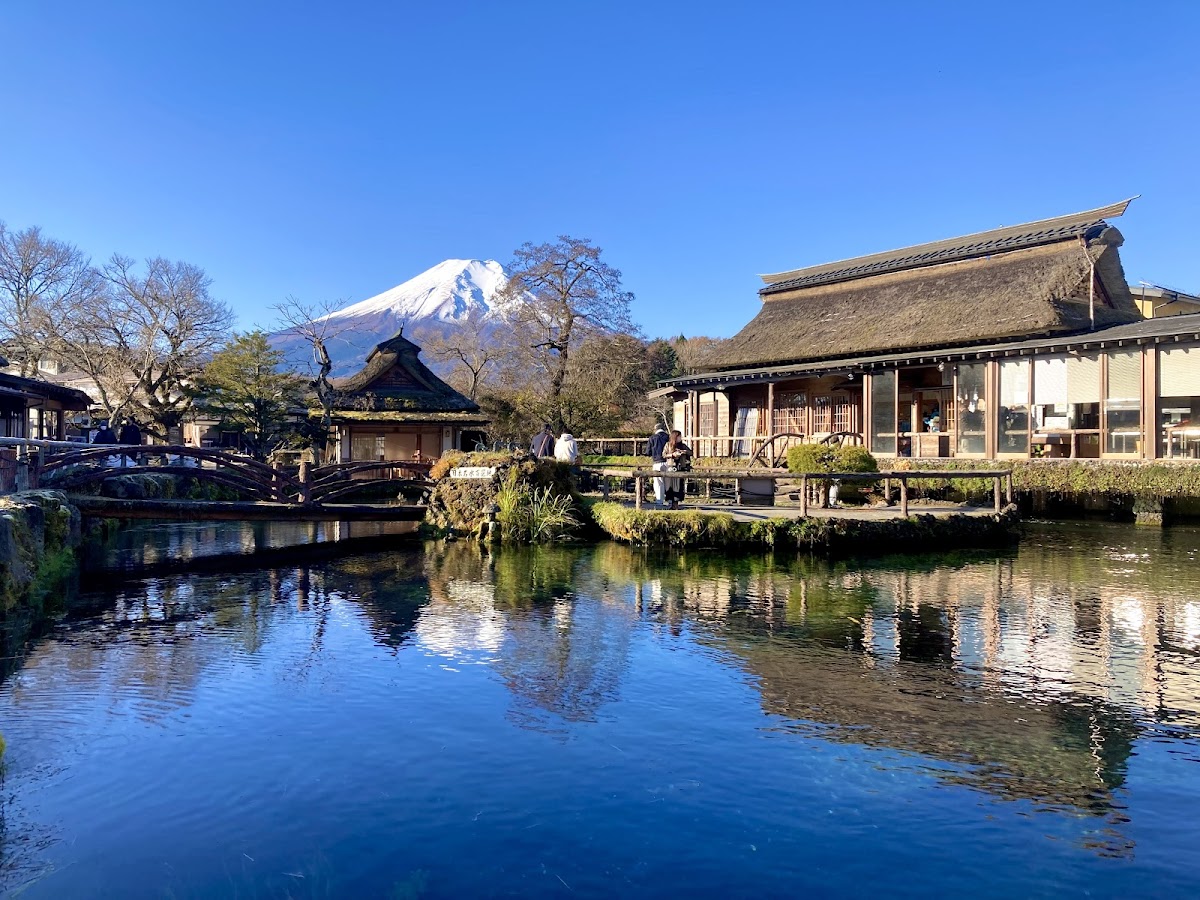
True to its name, Kagami Pool is known for its water surface mirroring the surrounding scenery like a mirror. With an area of approximately 144 square meters and a depth of about 1.5 meters, on windless days one can see the beautiful “inverted Mount Fuji” reflected in the water.
Early morning and dusk provide particularly beautiful scenery, making it an ideal photography spot for photography enthusiasts. The pool’s surroundings are in a quiet residential area, allowing for relaxed strolls.
Eighth Sacred Site: Shobu Pool (Shobiiké)
Shobu Pool has an area of approximately 269 square meters and a depth of about 1.5 meters. Its name comes from iris flowers that once grew in abundance around the pool. Currently, iris flowers bloom in early summer, allowing visitors to experience the charm of the season.
A well-maintained walking trail surrounds the pool, allowing visitors to savor the beauty of spring water while leisurely strolling. As the final sacred site of the pilgrimage, it has an atmosphere befitting its role.
The History of Oshino Hakkai and Mount Fuji Worship
Deep Connection with Fujiko
Oshino Hakkai has deep connections with Mount Fuji worship, particularly Fujiko, a faith-based organization. Fujiko is a religious organization that venerates Mount Fuji as a sacred peak and performs pilgrimages to climb it, becoming widely popular among common people during the Edo period.
Before ascending Mount Fuji, Fujiko devotees would purify themselves at Oshino Hakkai, circulating among the eight pools to cleanse their body and spirit. The Eight Great Dragon Kings enshrined at each pool are water-governing dragon deities from the Lotus Sutra and have been worshipped as protectors of Mount Fuji’s water sources.
Eight Great Dragon King Worship
The Eight Great Dragon Kings refer to eight dragon deities: Nanda, Bhananda, Sagara, Vasuki, Takshaka, Anavatapta, Manasvi, and Utpala. These dragon kings were positioned at each of Oshino Hakkai’s pools, with each pool serving as a sacred site.
Today, each pool has small shrines and stone monuments carefully maintained by local residents. Every August, Oshino Village’s largest festival, the “Eight Pools Festival,” is held, expressing gratitude to the Eight Great Dragon Kings and reverence for Mount Fuji.
Spring Water Mechanism
The spring water of Oshino Hakkai originates from rain and snow that fell on Mount Fuji, percolates deep underground, and flows through lava layers over a long period. During this process, water is purified by a natural filtration system that removes impurities, becoming extremely pure.
Geological research has revealed that the spring water originates from rain and snow that fell on Mount Fuji approximately 20 to 80 years ago. This natural filtration process, taking a long time to complete, creates the transparency and beauty of Oshino Hakkai’s water.
Ways to Enjoy Tourism|Seasonal Charms
Spring Oshino Hakkai (March–May)
Spring in Oshino Hakkai is a season of beautiful contrast between snow-capped Mount Fuji and cherry blossoms. From mid-to-late April, cherry blossoms in the surrounding area reach full bloom, allowing visitors to simultaneously enjoy one of Japan’s representative landscapes: Mount Fuji, cherry blossoms, and spring-fed pools.
Spring is also a season of fresh greenery, with trees around the pools budding and a landscape full of vitality. Mild temperatures make this an ideal season for strolls.
Summer Oshino Hakkai (June–August)
Summer in Oshino Hakkai is comfortable due to its elevation of approximately 940 meters on a highland plateau, which makes it cooler than urban areas. The cool spring water is pleasant and makes it a popular summer retreat that allows visitors to forget the heat.
In June, iris flowers bloom around Shobu Pool, allowing visitors to experience the charm of early summer. In August, the “Eight Pools Festival” is held, providing a valuable opportunity to experience local traditional culture. Many direct-sales shops for vegetables make it possible to taste fresh high-plateau vegetables from Oshino Village.
Autumn Oshino Hakkai (September–November)
Autumn is one of Oshino Hakkai’s most beautiful seasons. From late October through early November, autumn foliage reaches its peak, and the sight of colored leaves reflected in the water is spectacular.
On clear autumn days, Mount Fuji begins to be capped with snow, and the contrast between snow-capped Mount Fuji and autumn foliage provides wonderful photography opportunities. Clear air offers what is arguably the year’s most beautiful view of Mount Fuji.
Winter Oshino Hakkai (December–February)
Winter in Oshino Hakkai is enveloped in a solemn and mystical atmosphere created by snow-covered Mount Fuji and clear water that continues to spring forth in the freezing cold. Snow accumulating around the pools creates beautiful scenery with contrast between the silvery-white world and transparent water.
Winter is a less-crowded season, allowing quiet visits to the eight pools—a hidden gem season. However, road surfaces may freeze, so warm clothing and non-slip shoes are recommended.
Access Information|How to Get to Oshino Hakkai
By Car
From Tokyo
- Approximately 15 minutes (about 10 km) from “Kawaguchiko IC” on the Chuo Expressway
- Approximately 5 minutes (about 3 km) from “Yamanakako IC” on the East Fuji Five Lakes Toll Road
From Nagoya/Osaka
- Approximately 40 minutes (about 25 km) from “Gotemba IC” on the Tomei Expressway
- Approximately 50 minutes (about 35 km) from “Shin-Fuji IC” on the New Tomei Expressway
Multiple parking areas are available around Oshino Hakkai, with both free and paid parking. Early arrival is recommended as the area becomes crowded during peak tourist season and weekends.
By Public Transportation
Train and Bus
- From “Otsuki Station” on the JR Chuo Line, take the Fuji Kyuko Railway to “Fujisan Station,” then local bus for approximately 20 minutes
- From Fuji Kyuko Railway’s “Fujisan Station,” take the Fuji Kyuko Line Bus heading to “Uchino” and get off at “Oshino Hakkai” bus stop
- From Shinjuku Station, take the express bus heading to “Fuji Five Lakes” for approximately 2 hours 30 minutes, then get off at “Oshino Hakkai” bus stop
Bus Frequency
Local buses run approximately 1-2 times per hour, but this varies by season and day of the week, so checking the timetable in advance is recommended.
Combining with Nearby Tourist Attractions
Oshino Hakkai is positioned at the center of the Fuji Five Lakes area, making it popular to combine with Yamanakako, Kawaguchiko, and Fuji-Q Highland.
- Yamanakako is approximately 10 minutes by car
- Kawaguchiko is approximately 20 minutes by car
- Fuji-Q Highland is approximately 15 minutes by car
While day trips are fully enjoyable, the area also has many hot spring inns and hotels, and staying overnight to leisurely enjoy the charms of the Mount Fuji foothills is also recommended.
Cuisine and Food Stalls near Oshino Hakkai
Oshino-style Grass Dumplings
The most famous food-stall cuisine at Oshino Hakkai is grass dumplings made with mugwort from the Mount Fuji foothills. Multiple specialty shops surround the spring-fed pools, where visitors can taste freshly-made soft dumplings that perfectly combine mugwort fragrance with sweet red beans.
Purchases can be made individually, and visitors can enjoy food stalls while strolling. Different shops vary in dumpling softness and bean paste sweetness, making taste comparisons fun.
Oshino Buckwheat Noodles
One of Oshino Village’s specialties is “Oshino soba” (buckwheat noodles). Soba made with Mount Fuji’s spring water offers excellent texture and full noodle flavor. Multiple soba restaurants surround Yuki Pool, offering various menus including cold buckwheat noodles, hot noodles, and tempura buckwheat noodles.
Cold soba finished in spring water is exceptional, making it a particularly popular summer menu item.
Fuji-yama Soft Serve Ice Cream
“Fuji-yama Soft” ice cream, shaped like Mount Fuji, is popular with young tourists as an Instagram-worthy treat. Rich milk soft ice cream is shaped like Mount Fuji, and many tourists photograph it against blue skies or actual Mount Fuji in the background.
The taste is also authentic, characterized by a rich flavor made with local milk.
Beef Skewers and Grilled Dumplings
Souvenir shops and food stalls around Yuki Pool offer various food-stall fare including beef skewers and grilled dumplings. Beef skewers in particular, with juicy meat flavor and aromatic sauce, are perfect light snacks while strolling.
Grilled dumplings have sauce firmly adhered with a soy base, offering an unpretentious flavor that never tires.
High-Altitude Vegetables and Local Ingredients
Oshino Village’s elevated location makes summer high-altitude vegetables exceptionally delicious. Direct-sales shops sell fresh vegetables with corn, tomatoes, and lettuce being particularly popular.
Additionally, freshwater fish dishes using Mount Fuji’s spring water are served at some restaurants, with rainbow trout salt-grilled or candied offerings being Oshino-specific cuisine.
Photography Spots and Instagram-Worthy Ways to Enjoy the Area
Picture-Perfect Spots for Inverted Mount Fuji Photography
Oshino Hakkai’s most popular photography spots are Kagami Pool and Yuki Pool. On windless early mornings, beautiful “inverted Mount Fuji” reflections can be photographed on the water’s surface. Kagami Pool in particular, true to its name, features mirror-like water surfaces making it an excellent photography location.
Underwater Photography Appeal
At Yuki Pool, one can photograph the pool bottom due to crystal-clear water. Welling water, resident fish, and swaying aquatic plants create fantastical photographs.
Using a polarizing filter suppresses water surface reflections, allowing clearer underwater photography—an essential item for camera enthusiasts.
Four Seasons Landscape Photography
Since Oshino Hakkai displays different characteristics with each season, there are new discoveries with each visit. Visiting each season to photograph and compare spring blossoms, summer greenery, autumn foliage, and winter snowy landscapes is another enjoyable approach.
Precautions and Etiquette for Tourists
No Wading in the Pools
Oshino Hakkai’s pools are National Natural Monuments and World Cultural Heritage component assets. Wading in pools, touching water, and throwing objects are strictly prohibited. Individual tourist etiquette is important for preserving beautiful scenery.
Consideration for Private Property
Some of the eight pools are located on residential property or private land. When viewing, exercise consideration for residents’ lives and observe quietly. Avoid trespassing on property or making loud noise.
Taking Trash
After enjoying food stalls, always take trash home or dispose of it in designated trash bins. Preserving beautiful natural environments depends on individual awareness.
Consideration During Crowded Periods
Peak tourist season and weekends see crowds of visitors. When photographing, avoid inconveniencing others and use consideration at popular photography spots. Avoid monopolizing popular locations for extended periods.
Nearby Tourist Facilities and Recommended Spots
Oshino Shinobi no Sato
“Oshino Shinobi no Sato,” a ninja-themed theme park within walking distance of Oshino Hakkai, offers family-friendly attractions including ninja experiences, shuriken throwing, and trick houses.
Sakana Park
“Sakana Park,” featuring the “Fuji Spring Water Aquarium,” is located approximately 10 minutes by car from Oshino Hakkai. The facility displays freshwater fish inhabiting Mount Fuji’s spring water and freshwater fish from around the world, appealing to both children and adults.
Yamanakako
One of the Fuji Five Lakes closest to Oshino Hakkai is Yamanakako. The lake shore offers various activities including cycling, sightseeing cruises, and canoe experiences. Winter hosts events like the “Yamanakako Ice Candle Festival.”
Flower Capital Park
“Flower Capital Park,” near Yamanakako, covers 300,000 square meters of grounds where seasonal flowers bloom. The flower field against Mount Fuji’s backdrop is truly spectacular, with spring tulips, summer sunflowers, and autumn cosmos providing different seasonal flower scenery.
Accommodation Information|Recommended Lodging near Oshino Hakkai
Various types of lodging are available in Oshino Village and surrounding areas.
Hot Spring Inns
Multiple traditional inns offer hot spring baths using Mount Fuji’s spring water. Bathing in an outdoor bath while viewing Mount Fuji is exceptional, providing relief from daily fatigue.
Pensions and Guesthouses
Many pensions and guesthouses offer homey atmospheres and affordable rates. Interaction with owners and local ingredient-based cuisine are appealing features.
Resort Hotels
Surrounding Yamanakako and Kawaguchiko areas feature resort hotels with complete facilities and services for comfortable stays.
Model Courses to Fully Enjoy Oshino Hakkai
Day Trip Course (Approximately 4 hours)
9:00 Arrival at Oshino Hakkai, parking
9:15 Begin pilgrimage from First Sacred Site, Deguchi Pool
10:00 Viewing eight pools around Yuki Pool
11:30 Lunch with grass dumplings or Oshino soba
12:30 Souvenir shopping
13:00 Departure
Half-Day Course (Approximately 6 hours)
8:30 Arrival at Oshino Hakkai, enjoying early morning tranquility
9:00 Pilgrimage through eight pools
11:00 Ninja experience at Oshino Shinobi no Sato
12:30 Lunch
13:30 Viewing at Sakana Park Aquarium
14:30 Departure
1 Night/2 Day Course
Day 1
10:00 Arrival at Oshino Hakkai, pilgrimage through eight pools
12:00 Lunch
13:30 Yamanakako sightseeing (sightseeing cruises, cycling, etc.)
15:30 Flower Capital Park flower field strolls
17:00 Hotel check-in, relaxing in hot springs
Day 2
8:00 Early morning Oshino Hakkai inverted Mount Fuji photography
9:30 Kawaguchiko sightseeing
12:00 Lunch before returning home
Conclusion|Fully Savoring Oshino Hakkai’s Charm
Oshino Hakkai in Oshino Village, Yamanashi Prefecture, continues to captivate countless tourists from around the world as a mystical spring-fed pool created by Mount Fuji’s groundwater. This location, holding three prestigious titles—World Cultural Heritage, National Natural Monument, and one of Japan’s Top 100 Waters—is a leading Japanese tourist destination where natural beauty merges with Mount Fuji worship history.
Each of the eight sacred sites displays different characteristics, and seasonal landscapes provide enjoyable scenery throughout the year. By observing transparent spring water, Mount Fuji’s magnificent vistas, local cuisine, and experiencing Fujiko history and culture, visitors can deeply appreciate Japan’s intricate relationship between nature and faith.
The approximately 2-hour drive from Tokyo is another appealing feature. Day trips are completely viable, and overnight stays combining nearby Fuji Five Lakes area attractions are also recommended. While respecting natural environment preservation etiquette, fully experience Oshino Hakkai’s charm.
Why not visit Oshino Hakkai in Oshino Village, Yamanashi Prefecture during your next break to experience the clear spring water and mystical scenery created by Mount Fuji’s bounty?