
Complete Guide to 21st Century Forest and Plaza Groundwater (Chiba Prefecture) | The Charm of a Nature Park Nurtured by 1,000 Tons of Daily Spring Water
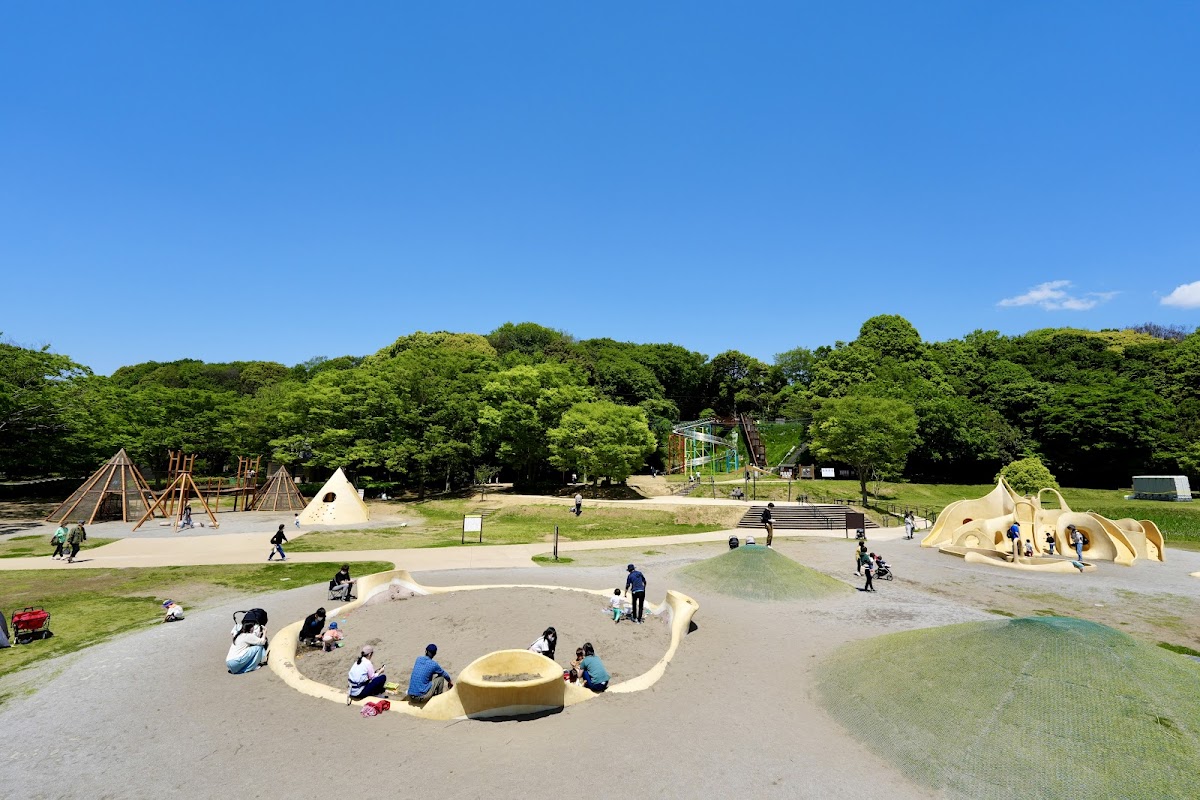
“21st Century Forest and Plaza,” located near the center of Matsudo City, Chiba Prefecture, is a nature-respecting urban park spanning a vast 50.5 hectares (approximately 11 times the size of the Tokyo Dome). The park’s greatest feature is that approximately 1,000 tons of spring water wells up from within the park daily, forming a rich aquatic environment. This article provides a comprehensive explanation of everything related to the spring water at 21st Century Forest and Plaza, from the mechanism of this precious groundwater to water play spots and the appeal of nature observation.
What is 21st Century Forest and Plaza | A Nature-Rich Urban Park Representing Matsudo City
21st Century Forest and Plaza opened on April 29, 1993 (the former Greenery Day), as a representative park facility of Matsudo City, Chiba Prefecture. Adjacent cultural facilities include the Matsudo City Museum and Mori no Hall 21 (Matsudo City Cultural Hall), and it is beloved as a place of respite for citizens.
Basic Information About the Park
- Location: 269 Sendahori, Matsudo City, Chiba Prefecture
- Area: 50.5 hectares (approximately 11 times the size of the Tokyo Dome)
- Opening Hours: Open continuously (some facilities have time restrictions)
- Access: Approximately 15-minute walk from Shin-Yagishio Station or Yagishio Station
- Parking: Paid parking available (multiple locations)
- Admission: Free
The park features diverse areas including Sendahori Pond at its center, Light and Wind Plaza, Midori no Sato, Wild Plant Garden, and Jomon Forest. In contrast to the surrounding area, which was developed through large-scale residential projects, this location retained its natural features due to its yato topography and has been developed into the current park.
The Mechanism of Spring Water at 21st Century Forest and Plaza | The Gift of Water Created by Topography
The spring water at 21st Century Forest and Plaza is a natural blessing created by the unique topography and geology of this region.
Topographical Background of Spring Water Formation
This area was formerly a place where spring water seeping from the escarpment of a plateau connected to the Koganemaki grassland moistened the alluvial floodplain, and Sendahori was formed. At the escarpment (gaisensen), which is the boundary between plateau and lowland, groundwater easily surfaces, yielding abundant spring water.
A yato landform is a valley-shaped terrain created by erosion of hilly land. In this type of topography, rainwater easily penetrates underground and is stored as groundwater, which then wells up in low-lying areas. 21st Century Forest and Plaza is precisely a park that takes advantage of the characteristics of yato topography.
Daily Spring Water Volume of 1,000 Tons
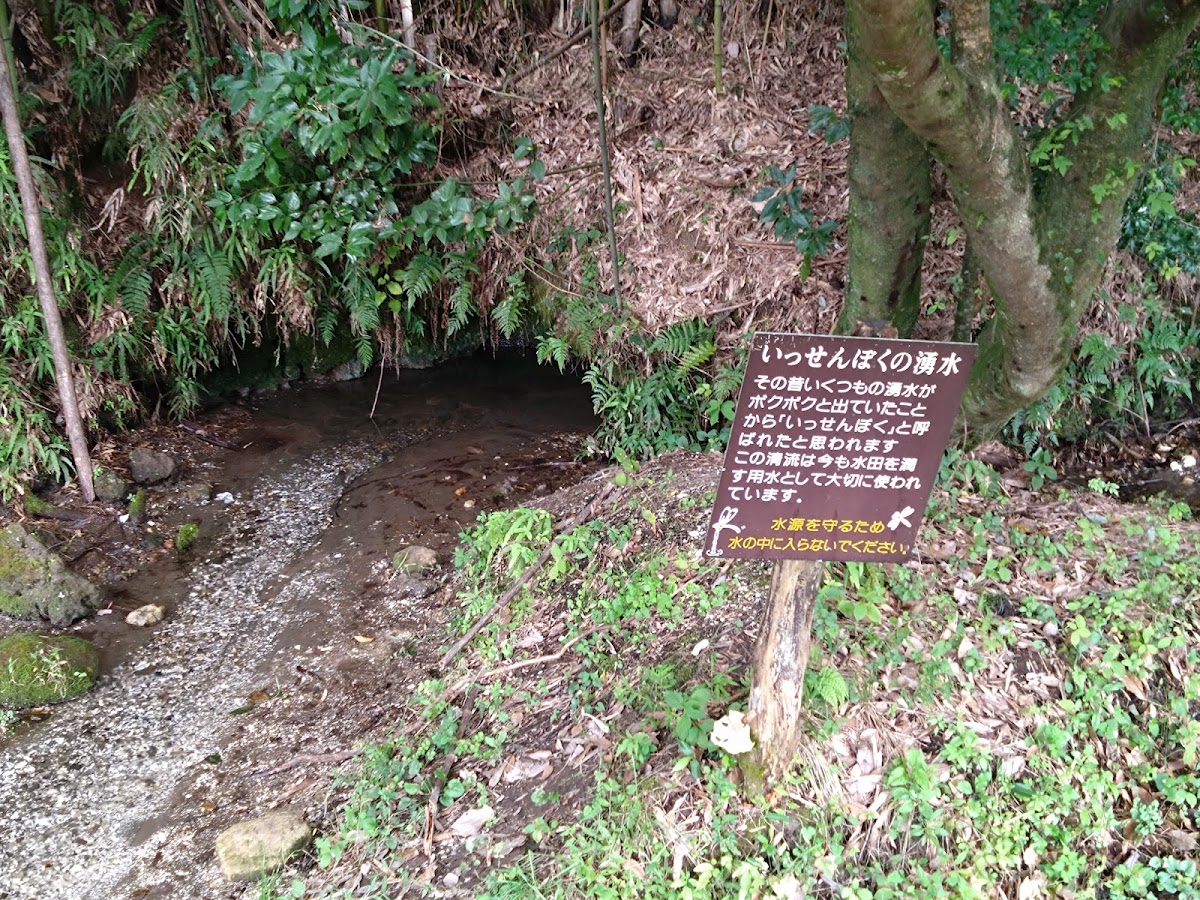
The spring water volume in the park is approximately 1,000 tons daily, boasting an astonishing volume of water for an urban park. This abundant spring water primarily wells up from the edge of the forest in “Light and Wind Plaza,” flows as a stream through the park, and ultimately flows into Sendahori Pond.
This water volume remains relatively stable throughout the year, ensuring a certain amount of water even during dry seasons, playing an important role in supporting the park’s ecosystem. The spring water temperature remains stable at approximately 15-17 degrees Celsius year-round, making it cold in summer and relatively warm in winter.
Sendahori Pond | Spring Water Gathering in a 5-Hectare Artificial Pond
Sendahori Pond, located at the center of 21st Century Forest and Plaza, is a vast artificial pond covering 5 hectares. Water welling up from various locations throughout the park converges here, forming a rich aquatic environment.
Characteristics of Sendahori Pond
Although Sendahori Pond is an artificial pond constructed to collect spring water from the park, its size and water quality have created a naturally rich environment where diverse organisms thrive. A walking trail is maintained around the pond, allowing visitors to enjoy the scenery of all four seasons while strolling.
A mist-like fountain is also installed along the pond shore and is particularly popular as a water play spot for small children during summer. The fountain produces a gentle mist, allowing safe interaction with water.
Organisms Observable at Sendahori Pond
In Sendahori Pond, where water quality is maintained by spring water, various aquatic and waterside organisms can be observed:
- Fish: Carp, crucian carp, Topmouth gudgeon, etc.
- Aquatic Insects: Dragonfly nymphs (naiads), water striders, etc.
- Amphibians: Japanese tree frogs, common toads, etc.
- Birds: Mallards, little egrets, kingfishers, etc.
- Plants: Water lilies, cattails, reeds, etc.
Dragonflies are particularly abundant, and from summer to autumn, various dragonfly species can be observed in flight. The pond is also suitable for bird watching, with many birds visiting during early morning and evening hours.
Water and Shade Plaza | A Water Play Spot Beloved by Children
“Water and Shade Plaza” is located along the path of water welling up from Light and Wind Plaza, becoming a stream that flows to Sendahori Pond. This area is a popular spot particularly crowded with families during the hot season.
Stream Ideal for Water Play
The stream created by spring water has shallow depth and gentle flow, allowing even small children to enjoy water play safely. The water temperature is relatively cold even in summer due to the spring water, making it the perfect play area on hot days.
Bridges cross the stream, with the area beneath providing shade, creating a comfortable space even during the hottest seasons. The design allows guardians to rest in the shade while watching over their children.
Water Play Precautions
- Change of Clothes: Prepare change of clothes and towels in anticipation of getting wet
- Water Quality: Although relatively clean due to spring water, it is not suitable for drinking
- Slipperiness: Stones on the stream bed are slippery; wearing sandals or water shoes is recommended
- Depth: Even in shallow areas, there is danger of falling; never take your eyes off small children
- Consideration for Organisms: Small fish and shrimp inhabit the stream. While observation is enjoyable, do not remove them
Light and Wind Plaza | The Grassland Area that Becomes the Source of Spring Water
“Light and Wind Plaza” is the largest grass plaza in the park and the location where the most spring water wells up in 21st Century Forest and Plaza.
Where Spring Water Is Born
The water welling from the edge of the forest in the plaza is a precious spot where you can observe the moment when groundwater surfaces. At the spring point, you can observe the sand rising and hear the sound of water welling up, experiencing the mysteries of nature.
Water welling from this location forms a stream cutting across the center of the plaza, flowing through “Water and Shade Plaza” to eventually enter Sendahori Pond. This water flow acts like an artery supporting the entire park’s ecosystem.
Appeal as a Grass Plaza
Light and Wind Plaza is simultaneously the source of spring water and a recreation spot with vast grassland. Visitors can enjoy various outdoor activities such as picnics, frisbee, and badminton.
The landscape woven by green grass and flowing spring water is a healing space that makes you forget you are in an urban area. On weekends, many families and groups visit to spend their own special time.
Wild Plant Garden | Diverse Flora Nurtured by Spring Water
The Wild Plant Garden at 21st Century Forest and Plaza is a nature observation area that takes advantage of the wetland environment created by spring water. Varied environments including mountains, grasslands, wetlands, and waterside areas are compactly arranged, allowing observation of diverse plants.
Plants Growing in Wetland Environments
In the wetland environment created by spring water, plants that prefer water grow abundantly:
Spring Plants
- Skunk cabbage (early spring)
- Japanese iris (around May)
- Rabbitear iris (May-June)
Summer Plants
- Purple loosestrife (July-August)
- Sagittaria (August)
- Water canna (August-September)
Autumn Plants
- Patriot flower (August-October)
- Eupatorium (September-October)
- Gentian (October-November)
Winter Plants
- Water dropwort (year-round)
- Watercress (year-round)
Tips for Nature Observation in the Wild Plant Garden
At the Wild Plant Garden, you can observe not only plants but also insects and wild birds that gather there. Dragonflies are particularly abundant, with many species observable including red dragonflies, clubtail dragonflies, and damselflies.
Kingfishers sometimes visit the waterside created by spring water, making it ideal for bird watching. Early morning hours are particularly active for bird observation, so morning visits are recommended for those interested in bird watching.
Midori no Sato | The Rural Landscape Supported by Spring Water
“Midori no Sato” is an area that recreates the rural landscape once common throughout Japan. Paddies and streams utilizing spring water are arranged, allowing visitors to experience the nostalgic landscape of the countryside.
Rice Paddies Utilizing Spring Water
At Midori no Sato, actual rice cultivation is conducted using spring water from the park. Through a series of agricultural tasks from rice planting to harvesting, visitors can learn about the relationship between water and human life.
The paddies are home to killifish, loach, and snails—organisms once commonly seen in Japanese paddies—contributing to biodiversity conservation. As wetland ecosystems have become rare in urban areas, this location has high educational value as a place where such ecosystems can be observed.
Waterside Environment of the Countryside
Midori no Sato also features small streams and ponds utilizing spring water, allowing close observation of waterside plants and organisms. Hotaru habitat is also maintained here, and firefly viewing events are held in early summer (implementation status varies by year).
Jomon Forest and the Historical Relationship with Spring Water
21st Century Forest and Plaza includes an area called “Jomon Forest,” where reconstructed pit-house dwellings are displayed. This area is important when considering the history of human interaction with spring water.
Jomon Period People and Spring Water
Jomon period people formed settlements near stable water sources. Many Jomon archaeological sites have been discovered in the Matsudo City area, most of which are located near spring water or rivers. The Sendahori area where 21st Century Forest and Plaza is located likely had abundant spring water, making it a probable location where people lived long ago.
At Jomon Forest, reconstructed pit-house dwellings can be viewed, allowing visitors to experience Jomon period life. The adjacent Matsudo City Museum displays regional history and Jomon period artifacts, allowing deeper learning about the history of human relationship with spring water.
Experiences at Forest Craft Hall
In the Jomon Forest area, there is a “Forest Craft Hall” where traditional crafts such as bamboo weaving and woodworking can be experienced (reservation required, fee applies). These crafts developed because of the abundance of water and forest resources, and visitors can experience aspects of the culture nurtured by spring water.
Ecosystem Nurtured by Spring Water | A Paradise for Diverse Organisms
The spring water at 21st Century Forest and Plaza serves as the foundation for a rich ecosystem. Stable year-round water volume and quality provide habitat for diverse organisms.
Diversity of Aquatic Life
In the spring water streams and Sendahori Pond, the following aquatic organisms can be observed:
Fish
- Killifish (near Midori no Sato paddies)
- Loach (in paddies and streams)
- Topmouth gudgeon (Sendahori Pond)
- Crucian carp (Sendahori Pond)
Aquatic Insects
- Diving beetles
- Water bugs (rare)
- Water scorpions
- Various dragonfly nymphs
Crustaceans and Mollusks
- Freshwater shrimp
- Japanese river shrimp
- Snails
- River snails
Wild Birds and Spring Water Environments
The waterside environment created by spring water attracts many wild birds. The following species are particularly commonly observed:
Waterside Birds
- Mallard (year-round)
- Little egret (summer bird)
- Kingfisher (year-round; called the blue jewel, a beautiful bird)
- White wagtail (year-round)
Forest Birds
- Great tit
- Japanese white-eye
- Japanese pygmy woodpecker
- Varied tit
The kingfisher visits to hunt small fish gathered in the clean spring water, making it an indicator of water quality.
Changing Expressions of Spring Water Through the Seasons
The spring water at 21st Century Forest and Plaza presents different expressions depending on the season.
Spring (March-May)
Spring is the season of fresh greenery. Around the spring water, waterside plants such as Japanese iris and rabbitear iris bloom. As water temperature rises, the activity of killifish and loach increases, making it an ideal season for aquatic observation. During cherry blossom season, the beautiful sight of petals floating on the Sendahori Pond surface can be enjoyed.
Summer (June-August)
Summer is the water play season. Many families visit “Water and Shade Plaza” to enjoy the coolness of spring water. Water lilies bloom in Sendahori Pond, and dragonflies darting about are summer symbols. Early mornings sometimes reveal a mystical sight where mist rises from the water surface due to the temperature difference between the cool spring water and the warm surrounding air.
Autumn (September-November)
Autumn is the season of fall foliage. Fallen leaves float on the spring water stream, and the water surface becomes colored. As water temperature begins to drop, aquatic organisms prepare for winter. Migratory birds sometimes visit, making it a good season for bird watching.
Winter (December-February)
Spring water in winter is the season when the difference between water temperature and air temperature is greatest. Because spring water temperature remains stable at approximately 15 degrees Celsius, areas around the spring point may not freeze even when air temperature drops below freezing. Winter birds gather seeking this warm water. Listening to the sound of spring water in the quiet winter park is a deeply meaningful experience.
Access and Parking Information
Access to 21st Century Forest and Plaza is available by both public transportation and automobile.
Access by Public Transportation
- JR Musashino Line “Shin-Yagishio Station” or Shin-Keisei Line “Yagishio Station” exit, approximately 15-minute walk
- Shin-Keisei Bus: Get off at “Mori no Hall 21” bus stop, immediate access
- Chiba Rainbow Bus: Get off at “Park Central Entrance” bus stop
Automobile Access and Parking
The park has multiple paid parking lots:
North Entrance Parking Lot
- Capacity: Approximately 140 vehicles
- Fee: 200 yen for the first hour, then 100 yen for every 30 minutes thereafter
- Features: Closest parking to Sendahori Pond
West Entrance Parking Lot
- Capacity: Approximately 50 vehicles
- Fee: Same as north entrance
- Features: Close to Light and Wind Plaza
South Entrance Parking Lot
- Capacity: Approximately 40 vehicles
- Fee: Same as north entrance
- Features: Close to Midori no Sato
On weekends and holidays, especially during cherry blossom season and water play season, parking lots become congested. Early arrival is recommended.
Recommended Ways to Enjoy Spring Water
Here are recommended ways to fully enjoy the spring water at 21st Century Forest and Plaza.
Nature Observation Course (Duration: 2-3 hours)
- Observe spring water source at Light and Wind Plaza
- Observe stream flow and organisms at Water and Shade Plaza
- Observe water birds and aquatic plants at Sendahori Pond
- Observe wetland plants and insects at Wild Plant Garden
- Experience rural waterside environment at Midori no Sato
Bringing binoculars, magnifying glasses, bird identification guides, and insect guides enhances observation.
Family-Friendly Water Play Course (Duration: Half day)
- Picnic at Light and Wind Plaza
- Water play at Water and Shade Plaza (bring change of clothes)
- Cool off at Sendahori Pond’s fountain
- Play on equipment at Recreation corner
- Rest at Park center
Photography Course (Duration: Half day to full day)
Recommended photography spots for capturing the beauty of spring water:
- Early morning Sendahori Pond: Mist and morning sun on water surface
- Spring point at Light and Wind Plaza: Moment water wells up
- Stream at Water and Shade Plaza: Dappled light and flowing water
- Wetland in Wild Plant Garden: Seasonal flowers and waterside landscape
- Rice paddy at Midori no Sato: Rural landscape and water reflection
Connection with Surrounding Facilities | For Deeper Learning
Those wishing to learn more deeply about spring water at 21st Century Forest and Plaza are encouraged to visit nearby facilities.
Matsudo City Museum
Adjacent to the park, the Matsudo City Museum features exhibits on Matsudo’s history and nature. Visitors can learn about the relationship between water, people, and Matsudo from the Jomon period to the present day, helping understand the historical and cultural background of spring water at 21st Century Forest and Plaza.
- Opening Hours: 9:30-17:00 (admission until 16:30)
- Closed: Mondays (if a holiday, closed the following day), year-end and New Year
- Admission: General 310 yen, high school and university students 150 yen, middle school and below free
Mori no Hall 21 (Matsudo City Cultural Hall)
As a concert hall, various concerts and events are held. Cultural events can be enjoyed before or after park exploration.
Spring Water Conservation Efforts and Citizen Participation
The abundant spring water environment at 21st Century Forest and Plaza is supported not only by natural blessings but also by conservation activities.
Matsudo City’s Efforts
Matsudo City conducts the following efforts to conserve the park’s spring water environment:
- Regular water quality surveys
- Vegetation management around spring points
- Removal of invasive species
- Implementation of environmental education programs
Opportunities for Citizen Participation
The park regularly holds citizen participation nature observation events and cleanup activities. Participating in these events allows contribution to spring water environment conservation while gaining deeper knowledge of nature.
Conclusion | Protecting and Enjoying Precious Spring Water Environment in the City
The spring water at 21st Century Forest and Plaza, with its abundant daily volume of approximately 1,000 tons, supports aquatic environments throughout the park including Sendahori Pond. The diverse environment created by this spring water serves as habitat for various organisms—plants, insects, fish, and birds—making it a precious nature observation location within an urban area.
The sight of water welling from Light and Wind Plaza becoming a stream, flowing through Water and Shade Plaza and into Sendahori Pond, provides an excellent educational material for understanding water circulation with one’s own eyes. Whether as a water play area for children, a place of healing for adults, or a field for nature observation and photography, this park offers diverse ways to enjoy itself.
While conveniently located near the center of Matsudo City, 21st Century Forest and Plaza maintains a rich natural environment. For the sake of passing this precious spring water environment to future generations, it is important that each of us visitors maintains a heart that cherishes nature.
With good access within walking distance from Shin-Yagishio Station and free admission, this wonderful park deserves a visit. Please experience in person the changing spring water scenery through the four seasons. The spring water of 21st Century Forest and Plaza, where one can feel the richness of nature and the blessings of water while in the city, is a precious natural resource that Chiba Prefecture proudly possesses.

.png)