Issenboku (Kisarazu City, Chiba Prefecture) Complete Guide | Spring Water, Alder Wetland, and Access Information
“Issenboku,” located in Mariya, Kisarazu City, Chiba Prefecture, is a hidden gem where you can enjoy abundant nature and clear spring water just 40 minutes from the urban center. With clear streams bubbling up from the roots of bamboo groves, rare wetland habitats home to unique wildlife, and walking paths along the Takeda River lined with seasonal flowers, this spot represents the concentrated charm of satoyama (rural mountain villages). We provide detailed information from access methods to highlights of this location.
What is Issenboku? The Origin of Its Name and History
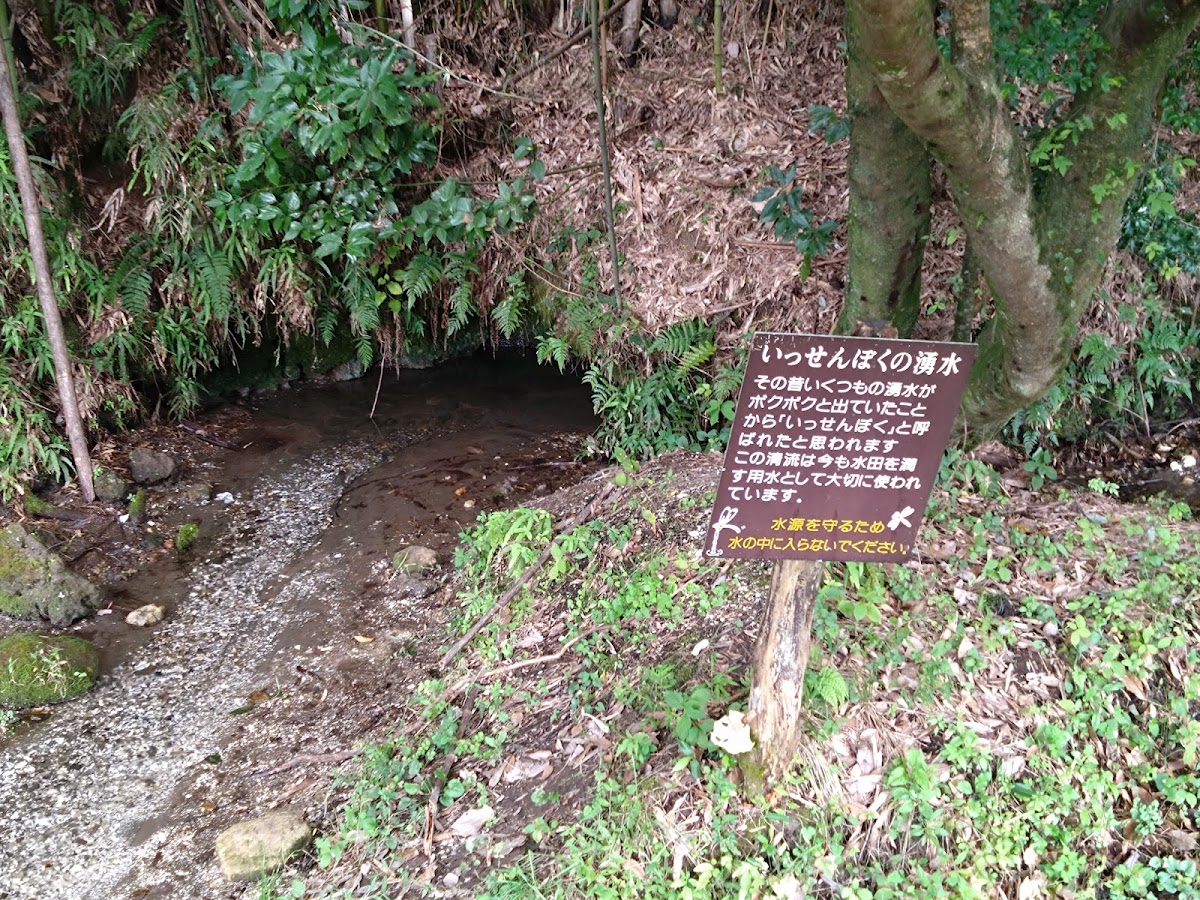
The unique name “Issenboku” comes from the characteristics of the spring water in this area. According to tradition, because water bubbled up with a “boku boku” sound from the roots of the bamboo grove in multiple places, the area came to be called “Issenboku.”
This spring water site is located in the satoyama of Mariya, Kisarazu City, and has long been cherished as a precious water source for the region. Even today, clear water continues to spring forth without ceasing, playing an important role in supporting the rich ecosystem of the surrounding area.
In recent years, as part of the “Kisarazu Regional Circulation Symbiosis Network” promoted by Kisarazu City, it has been positioned as a key point for satoyama regeneration, and the “Everyone’s Issenboku Vision” has been formulated, aiming to balance natural environmental conservation with regional revitalization.
The Natural Environment and Charm of Issenboku
Clear Spring Water
The greatest attraction of Issenboku is undoubtedly the clear water that springs up from the roots of the bamboo grove. The sight of water welling up from multiple spring points, accompanied by a “boku boku” sound, soothes all who visit.
This spring water has extremely high transparency, and its temperature remains nearly constant throughout the year. With landscape and water quality that belie its Chiba Prefecture location, it has become a place visited not only by locals but also by many nature enthusiasts from afar.
The Alder Wetland Ecosystem
Around Issenboku, a precious wetland environment called the “Alder Wetland” (Hannoki Shitsugen) spreads out. Alder (Hannoki) is a deciduous tree that prefers wetlands, and in environments where this tree grows, unique ecosystems form.
Numerous rare organisms inhabit the area surrounding the alder wetland. Insects, amphibians, plants, and other diverse creatures that favor wetland environments nurture life in this small wetland. Wild plants such as watercress also grow naturally here, allowing visitors to observe plants characteristic of clear streams.
This rich natural environment is considered important from an environmental conservation perspective, as an example of the valuable satoyama ecosystem that is being lost in areas near cities.
Natural Beauty Through the Seasons
Issenboku and its surrounding area allow visitors to enjoy the beautiful nature of each season throughout the year.
Spring (March to May)
Rapeseed flowers bloom abundantly along the Takeda River, and cherry blossoms bloom splendidly. As spring arrives, the entire satoyama becomes wrapped in bright colors. During this season, activities such as bamboo shoot digging are also possible.
Summer (June to August)
Fresh green foliage is beautiful, and the coolness of the clear stream is refreshing. At night, fireflies dance across the scene in some places, creating a fantastical sight. The cool air unique to a spring water area makes you forget the summer heat.
Autumn (September to November)
At the Cosmos Road along the Takeda River, cosmos flowers in various colors bloom across the landscape. Many people can be seen enjoying photography, making this one of the most vibrant seasons in the Issenboku area.
Winter (December to February)
The winter light filtering through the bare trees is beautiful, and you can experience the charm of a satoyama enveloped in quiet. The spring water does not dry up even in winter, allowing you to fully enjoy nature in the clear, crisp winter air.
Access Methods to Issenboku
Access by Public Transportation
To reach Issenboku using public transportation, Baraida Station on the JR Kururi Line is the nearest station.
Route from Baraida Station:
- Approximately 2.4 kilometers from Baraida Station on foot (approximately 30 to 40 minutes walking)
- Walking along the road beside the Takeda River
- The general route passes through the Cosmos Road (along the Takeda River)
- Proceeding along the farm road eventually leads to Issenboku
The walking path along the Takeda River is a pleasant route where you can enjoy seasonal flowers. It is developed as the “Umakuta no Michi” where rapeseed flowers bloom in spring and cosmos flowers bloom in autumn, with Man’yō poetry monuments scattered throughout.
Access by Car
If using a private car, access is possible in about 5 minutes from the nearest interchange. At about 40 minutes from the urban center, it is ideal for day trips.
Address: Kisarazu City, Mariya, Chiba Prefecture
※We recommend confirming parking information in advance. The surrounding area is a region where satoyama natural environment is preserved, so when visiting, please be mindful of environmentally conscious behavior.
Takeda River Cosmos Road and “Umakuta no Michi”
One of the major attractions along the way to Issenboku is the walking path “Umakuta no Michi” along the Takeda River.
Takeda River Cosmos Road
Along the Takeda River, a cosmos road is maintained, carefully tended by local residents. When autumn arrives, cosmos flowers in various colors bloom on both sides of the path along the river, delighting visitors.
The cosmos flowers are typically in bloom from late September to October, and during this period, many people can be seen enjoying photography. The landscape created by the small Takeda River’s murmuring stream and cosmos flowers is truly a pastoral beauty reminiscent of rural Japan.
Man’yō Poetry Monuments
Poetry monuments related to the Man’yō Collection are scattered along “Umakuta no Michi.” You can enjoy a leisurely walk while feeling the ancient Japanese sentiment toward nature that has continued since antiquity.
This walking path, where history and nature harmonize, transforms the journey to Issenboku itself into a tourism experience.
Experiences and Facilities Around Issenboku
Wildlife Observation Tours
At Issenboku, wildlife observation tours led by specialists are occasionally held. Through encounters with diverse creatures such as insects and amphibians that inhabit the clear spring water area and rich satoyama environment, visitors can experience the charm of nature firsthand, a valuable opportunity.
The program is popular as a family-friendly experience, and is utilized as a place for environmental education where children can interact with nature. For information on events, we recommend checking official information from Kisarazu DMO and other sources.
Issenboku Camp Field
Near Issenboku, there is a nature experience facility called “Issenboku Camp Field” (formerly Blueberry Camp Nomu’s Kingdom), which combines a blueberry farm with a campground.
Facility Features:
- Blueberry farmer-run campground
- Location: 465 Mariya, Kisarazu City, Chiba Prefecture
- About 40 minutes from the urban center, approximately 5 minutes from the nearest interchange
- Camping, satoyama walking, and seasonal nature experiences available
Activities Available:
- Camping and outdoor experiences
- Blueberry picking (seasonal)
- Bamboo shoot digging (spring)
- Firefly viewing (early summer)
- Satoyama walking
- Autumn leaf viewing (fall season)
- Spring water collection
- Wild plant harvesting such as watercress
From the campground, Issenboku’s spring water site is within walking distance, allowing visitors to fully enjoy satoyama scenery with landscape quality that belies its Chiba Prefecture location.
Important Notes and Etiquette When Visiting Issenboku
Natural Environment Conservation
Issenboku and its surrounding area is a region where precious natural environments are preserved. Please note the following when visiting:
- Always take your trash with you
- Do not collect plants or organisms (except for permitted wild plant harvesting)
- Do not disturb the spring water area surroundings
- Avoid loud noises that might startle wildlife
- Walk only on designated walking paths
Clothing and Items to Bring
Appropriate clothing and preparation are necessary for walking through satoyama natural environments.
Recommended Clothing:
- Comfortable walking shoes (sneakers or trekking shoes)
- Long sleeves and long pants (insect bite prevention)
- Hat (sun protection)
- Seasonal clothing for cold and heat protection
Useful Items to Bring:
- Drinking water
- Towel
- Insect repellent spray (spring to autumn)
- Camera (to record beautiful nature)
- Binoculars (for bird watching)
Weather and Seasonal Precautions
Since the spring water area is a wetland environment, the ground may become muddy after rain. Check the weather and choose appropriate footwear. Additionally, insects are more abundant during summer, so we recommend taking thorough insect repellent measures.
Kisarazu Regional Circulation Symbiosis and Everyone’s Issenboku Vision
Kisarazu City is advancing a satoyama regeneration project centered on Issenboku as part of the efforts of the “Kisarazu Regional Circulation Symbiosis Network.”
Everyone’s Issenboku Vision
The “Everyone’s Issenboku Vision,” formulated in January 2025, presents initiatives that will conserve this precious spring water site and surrounding natural environment while connecting to regional revitalization.
Main Contents of the Vision:
- Conservation of the spring water site environment
- Protection of the alder wetland ecosystem
- Maintenance of rare species habitats
- Satoyama conservation through collaboration between residents and visitors
- Use as a site for environmental education
- Promotion of sustainable tourism
This vision was formulated through cooperation between the Satoyama Regeneration Committee, local residents, administration, and experts, and represents a comprehensive initiative looking toward the future of Issenboku.
Community Involvement
The beautiful natural environment of Issenboku has been protected through long-standing conservation efforts by local residents. The maintenance of the cosmos road along the Takeda River and the upkeep of walking paths are also supported by local volunteers.
Visitors are also expected to maintain an attitude that values nature and observes proper etiquette so that this beautiful environment can be passed on to future generations.
Tourist Spots Around Issenboku
When visiting Issenboku, you can also enjoy tourist spots in the surrounding area.
Tourist Attractions in Kisarazu City
- Kisarazu Station Area: Urban area where you can enjoy shopping and dining
- Mitsui Outlet Park Kisarazu: Shopping spot
- Kisarazu Port: A port town where you can enjoy views of Tokyo Bay
Mariya Area
The Mariya district, where Issenboku is located, is a satoyama area with historical sites and natural spots scattered throughout. It is an ideal area for leisurely satoyama walks.
Conclusion: Enjoy the Nature of Satoyama at Issenboku
Issenboku is a precious spot where you can enjoy abundant nature and clear spring water just 40 minutes from the urban center. With clear streams flowing from the bamboo grove, rare organisms inhabiting the alder wetland, and walking paths along the Takeda River colored with seasonal flowers, the charm unique to satoyama is concentrated here.
Accessible on foot from Baraida Station, with the “Umakuta no Michi” and Takeda River Cosmos Road also enjoyable along the way, it is perfect for hiking and nature walks. With campsites and experience facilities in the surrounding area, visitors can fully enjoy nature whether visiting for just a day or staying overnight.
Under the “Everyone’s Issenboku Vision,” this beautiful natural environment, protected in collaboration with the community, should be enjoyed with proper etiquette and passed on to future generations. Issenboku, which reveals a different face with each season, is definitely worth visiting.
Contents
In this article, we comprehensively explained the spring water site “Issenboku” located in Mariya, Kisarazu City, Chiba Prefecture, covering the origin of its name, characteristics of the natural environment, the ecosystem of the alder wetland, seasonal charm, access methods from Baraida Station, walking information for the Takeda River Cosmos Road and “Umakuta no Michi,” nearby experience facilities, etiquette and precautions for visiting, and conservation efforts through the “Everyone’s Issenboku Vision.”
Issenboku’s name originates from its unique topography where multiple springs bubble up with a “boku boku” sound from the roots of bamboo groves, and it is a precious satoyama environment where clear water quality and rich ecosystems are preserved. Just 40 minutes from the urban center, it can be accessed by public transportation via JR Kururi Line’s Baraida Station, reached on foot approximately 2.4 kilometers along a beautiful walking path beside the Takeda River.
It is a spot with diverse attractions including spring rapeseed flowers and cherry blossoms, autumn cosmos, summer firefly viewing, experiences such as bamboo shoot digging, and nature observation of spring water and wetlands available year-round. At the nearby “Issenboku Camp Field,” visitors can enjoy experiences such as camping and blueberry picking, fully savoring satoyama nature.
Within regional circulation symbiosis initiatives, the “Everyone’s Issenboku Vision” has been formulated aiming for the balance of environmental conservation and regional revitalization, and activities are underway where community residents and visitors work together to protect this beautiful natural environment and pass it on to future generations.
Sources and Contact Information
Chiba Prefecture Official Website
Introduction to “Issenboku” by Chiba Prefecture’s Cultural Properties Division
https://www.pref.chiba.lg.jp/kkbunka/b-shigen/05shizen/kisarazu01.html
Kisarazu City Hall
Kisarazu Regional Circulation Symbiosis Network Headquarters
Satoyama Regeneration Committee “Everyone’s Issenboku Vision”
https://www.city.kisarazu.lg.jp/
Kisarazu DMO
Tourism and event information for Kisarazu City
Issenboku Camp Field
Inquiries regarding the campground and experience facilities
Location: 465 Mariya, Kisarazu City, Chiba Prefecture
We recommend confirming the latest information before your visit and inquiring directly with the above official websites and facilities regarding event schedules.