.png)
Omachi Nature Observation Garden (Ichikawa City, Chiba Prefecture) Complete Guide|The Charm of Yatsuda Nature and Firefly Viewing
Located in the northern part of Ichikawa City, Chiba Prefecture, Omachi Nature Observation Garden is a valuable observation spot where rich natural environment is preserved despite being in an urban area. In this garden spreading across a narrow valley called Nagata Yatsu, you’ll find flowing spring water, yatsuda landscape, and encounters with diverse flora and fauna. This article provides detailed information about the charm, highlights, access information, and seasonal ways to enjoy Omachi Nature Observation Garden.
What is Omachi Nature Observation Garden?
A Treasure Trove of Nature Spreading Across Nagata Yatsu
Omachi Nature Observation Garden is a nature park spanning approximately 1 km from north to south, utilizing the yatsuda topography across Omachi and Ohno districts in Ichikawa City. This area, formerly called “Omachi Nature Park,” is now part of “Omachi Park” and is referred to as the “Nature Observation Garden.”
Yatsuda refers to rice paddies in valleys nestled between hills, environments with unique ecosystems blessed by spring water. Several yatsuda of various sizes are scattered throughout Omachi Nature Observation Garden, and along with the surrounding slope forests, they convey a rare satoyama landscape in the capital region today.
Relationship with Ichikawa City Zoo and Botanical Garden
Omachi Nature Observation Garden occupies the main portion of Omachi Park, which is adjacent to Ichikawa City Zoo and Botanical Garden and Ichikawa City Ornamental Plant Garden. A walking trail is maintained from near Omachi Station on the Hokusou Line to Ichikawa City Zoo, making it an ideal course to enjoy while visiting the zoo. You can access the nature observation garden by heading to the right of the zoo entrance.
Natural Environment of Omachi Nature Observation Garden
Spring Water and Aquatic Ecosystems
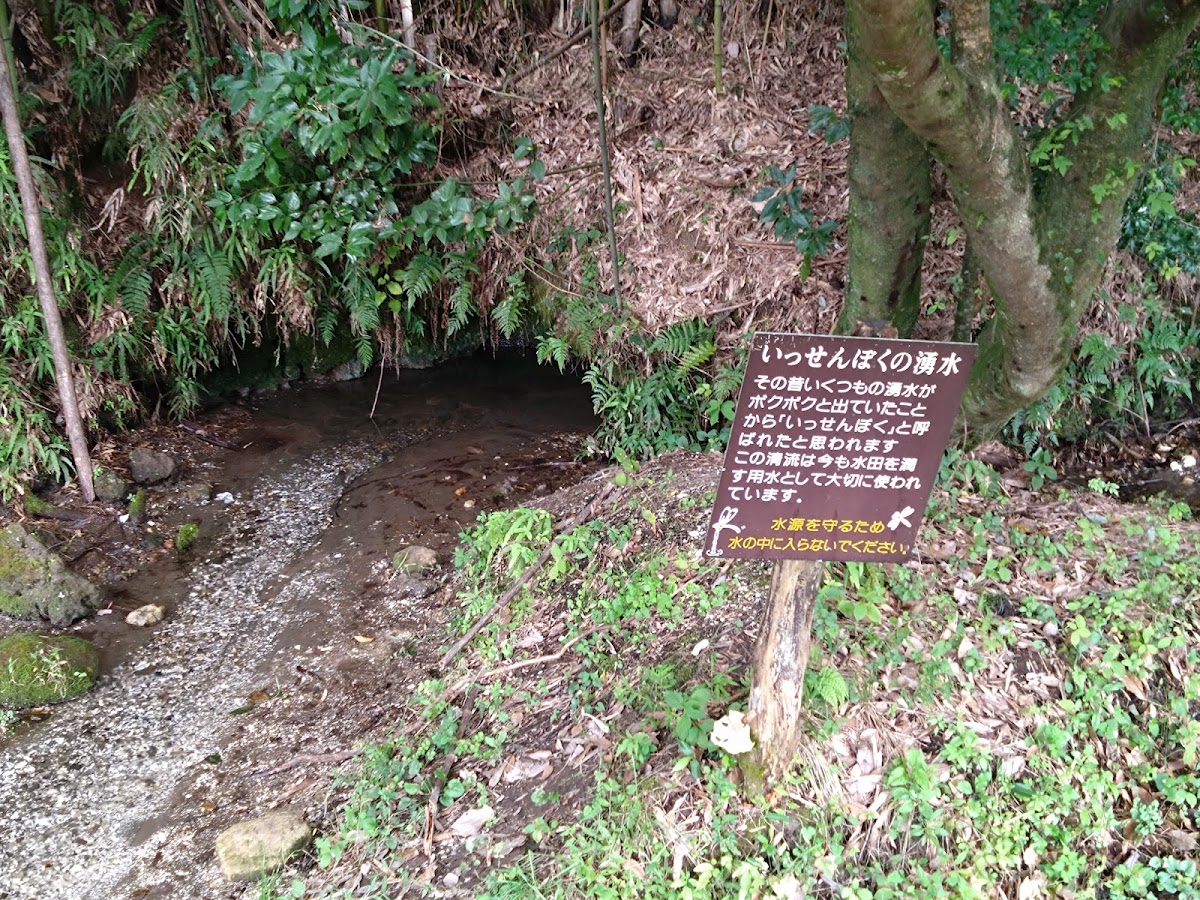
The greatest feature of Omachi Nature Observation Garden is its abundant spring water. Clear water gushing from the yatsuda topography flows as small streams throughout the garden, forming wetlands and ponds. This aquatic environment becomes a habitat for diverse organisms and is known as one of the few firefly viewing sites in the capital region.
The walking trail along the spring water flow is an excellent observation spot for biotope enthusiasts. You can observe aquatic plants, insects gathering at the waterside, amphibians, and other creatures that are rarely encountered in urban areas.
Slope Forests and Vegetation Diversity
The slope forests spreading on both sides of the yatsuda are rich forests where deciduous broad-leaved trees and evergreen broad-leaved trees such as konara oak, kunugi oak, and Japanese holly intermingle. These slope forests surround the yatsuda, creating a unique microclimate.
Approximately 2 km of walking trails are maintained within the garden, allowing visitors to enjoy observing various native plants while walking. Spring brings wild flowers, summer features Yamayuri lilies, and autumn offers colorful foliage, enchanting visitors with the seasonal colors of plants throughout the year.
A Prime Spot for Bird Watching
More than 53 species of wild birds have been observed in Omachi Nature Observation Garden, and it is known as a prime spot for birdwatching. Various bird species including great tit, red-flanked bluetail, black-faced bunting, Japanese white-eye, and brown-eared bulbul inhabit the area.
Because the environment combines the open yatsuda, surrounding forests, and waterside, various bird species with different ecological niches can coexist. Early morning is particularly active for birds, making it the ideal time for birdwatching.
Highlights by Season
Spring (March to May)
Spring in Omachi Nature Observation Garden is a season of fresh greenery and wild flowers. In the slope forests, budding begins, and bright green envelops the yatsuda. At ground level, spring wild flowers such as Japanese trillium, false hellebore, and single-flowered anemone bloom magnificently.
This period is also the transition season for winter and summer birds, making it an excellent time for bird watching. You may encounter rare birds that stop by during migration.
Summer (June to August)
The greatest highlight of summer in Omachi Nature Observation Garden is undoubtedly firefly viewing. From June to July, Genji fireflies and Heike fireflies emit an enchanting light. Ichikawa City holds annual firefly viewing events, attracting many families and nature enthusiasts.
From July to August, Yamayuri lilies bloom with large flowers on the edges of the slope forests. The sweet fragrance and large white flowers add elegance to the summer yatsuda. Additionally, the chorus of cicadas and insect collecting make it an enjoyable season for children.
Autumn (September to November)
Late autumn in Omachi Nature Observation Garden is known as a famous autumn foliage spot. Konara oak, kunugi oak, and Japanese wild cherry trees turn color, dyeing the entire yatsuda in red and yellow. Particularly from mid to late November is the best viewing season, and the area bustles with visitors enjoying autumn foliage.
Autumn is also a season rich in tree nuts and fruits, and visitors can enjoy walking while searching for acorns and chestnuts. Birds are also active preparing for winter, and sightings of small animals like squirrels are possible.
Winter (December to February)
Winter in Omachi Nature Observation Garden is wrapped in a quiet, tranquil atmosphere. Winter sunlight filtering through the bare trees creates a bright landscape different from summer.
This season is perfect for bird watching, as winter birds such as daurian redstart, dusky thrush, and white-bellied thrush visit. The improved visibility with fallen leaves makes it easier to spot birds, which is an advantage of winter. Additionally, natural phenomena unique to winter such as frost pillars and frozen water surfaces can be observed.
Ways to Enjoy Omachi Nature Observation Garden
Walking Courses and Time Required
Approximately 2 km of walking trails are maintained in Omachi Nature Observation Garden, and you can complete the full circuit in about one to one and a half hours of leisurely walking. There are courses entering from the Hokusou Line Omachi Station side and from the Ichikawa City Zoo side, and both can be enjoyed.
The walking trail is basically maintained but features ups and downs as it takes advantage of the natural topography. It is recommended to wear comfortable shoes. After rain, the ground becomes slippery, so caution is necessary.
Observation Points
To enjoy nature observation, it is important to sharpen all five senses. In addition to vision, listen to bird calls and water sounds, and feel the scent of plants while walking for a richer experience.
Bringing binoculars, magnifying glasses, and field guides makes observing wild birds, plants, and insects even more enjoyable. Many visitors also bring cameras and it is popular as a photography spot for seasonal landscapes and wildlife.
Participating in Firefly Viewing Events
The firefly viewing event held annually from June to July is the largest event at Omachi Nature Observation Garden. Natural firefly sightings are rare in the capital region, making it a valuable experience.
For detailed event schedules and times, please check official Ichikawa City information. Since fireflies are sensitive to light, use of flashlights should be minimized, and camera flash should not be used when viewing them, respecting proper etiquette.
Enjoying with Children
Omachi Nature Observation Garden is an excellent place for children to interact with nature. Various experiences are possible including insect collecting, plant observation, and exploring creatures at the waterside. However, it is important to cultivate a respect for nature by returning collected creatures to their original locations after observation.
Visiting together with Ichikawa City Zoo and Botanical Garden allows you to enjoy nature all day long. Bringing a packed lunch and spending the day in a picnic atmosphere is also recommended.
Access Information
Access by Public Transportation
The nearest station for accessing Omachi Nature Observation Garden is Omachi Station on the Hokusou Line. From Omachi Station, it takes about 15 minutes on foot to enter the garden.
When accessing via Ichikawa City Zoo and Botanical Garden, use buses from JR Motoyawata Station or Kesei Yawata Station. Get off at the “Zoo and Botanical Garden” bus stop and head to the right of the zoo entrance to reach the nature observation garden.
Access by Car and Parking
When visiting by car, you can use the parking lot of Ichikawa City Zoo and Botanical Garden. The parking lot is fee-based, approximately 500 yen per day for regular vehicles. However, parking may be crowded on weekends, holidays, and during events, so early arrival is recommended.
When using a car navigation system, setting “Ichikawa City Zoo and Botanical Garden” as your destination is convenient. The address of the zoo and botanical garden is 284 Omachi, Ichikawa City, Chiba Prefecture.
Opening Hours and Admission Fee
Omachi Nature Observation Garden is basically open to the public free of charge. While specific opening hours are not set, it is recommended to visit during daylight hours for safety reasons.
When visiting together with Ichikawa City Zoo and Botanical Garden, the zoo’s opening hours are 9:30 AM to 4:30 PM (admission until 4:00 PM). The zoo is closed on Mondays (or the following day if Monday is a holiday).
Facilities Around Omachi Nature Observation Garden
Ichikawa City Zoo and Botanical Garden
Adjacent to Omachi Nature Observation Garden, Ichikawa City Zoo and Botanical Garden is a zoo where you can enjoy interacting with small animals. You can meet cute animals such as red pandas, otters, and squirrel monkeys. Visiting together with the nature observation garden allows for a more fulfilling day.
Ichikawa City Ornamental Plant Garden
Located within Omachi Park, Ichikawa City Ornamental Plant Garden is a botanical garden equipped with greenhouses. You can observe various plants year-round, including tropical plants and orchids. In contrast to the wild nature of the observation garden, you can enjoy carefully maintained ornamental plants.
Rose Garden
A rose garden is also located within Omachi Park, where roses bloom magnificently in spring and autumn. Approximately 300 varieties of roses are planted, and it is known as a famous rose viewing site. The best viewing periods are mid-May to early June and mid-October to early November.
Precautions When Visiting
Clothing and Belongings
When visiting the nature observation garden, comfortable walking shoes and easy-to-move clothing are essential. In summer, bring insect repellent spray, a hat, and drinking water. In winter, don’t forget winter clothing.
The yatsuda environment has high humidity, and insects such as mosquitoes and gadflies are common in certain seasons. Wearing long sleeves and long pants is recommended. Additionally, waterproof shoes are ideal as the ground becomes muddy after rain.
Nature Conservation Etiquette
Omachi Nature Observation Garden is a place where precious natural environment is preserved. Avoid picking plants or taking creatures home. Always bring your trash with you and try not to pollute nature.
Stepping off the walking trail into the slope forests causes damage to plant life. Stay on designated paths and minimize impact on nature.
Safety Precautions
In this nature-rich environment, you may encounter bees and snakes. Be careful not to put your hands into dense bushes or move rocks carelessly.
In summer, there is a risk of heatstroke. Make sure to drink water regularly, and rest without overexertion if you feel unwell. Additionally, visiting with multiple people rather than alone is recommended.
History and Conservation Activities of Omachi Nature Observation Garden
History of Yatsuda
Nagata Yatsu has been used for agriculture since ancient times. Rice paddies utilizing spring water were cultivated, and the surrounding slope forests served as sources of firewood and charcoal. This satoyama environment, which received appropriate human management, became a habitat for diverse organisms.
After the period of high economic growth, many yatsuda were lost to development, but the yatsuda in Omachi was preserved through efforts by citizens and nature conservation groups. The current nature observation garden is a result of these conservation activities.
Conservation Activities by Citizens
Conservation activities conducted by citizen volunteers take place in Omachi Nature Observation Garden. The natural environment is protected through various activities including removal of invasive species, maintenance of walking trails, and organization of observation events.
Ichikawa City regularly holds nature observation meetings, and events where visitors can tour the garden while listening to expert explanations are also conducted. Participating in these activities allows for a deeper understanding of nature and learning about the importance of conservation.
Nearby Nature Spots
Okashirogawa First Regulation Pond Green Space
Within Ichikawa City, there are other spots where you can enjoy nature besides Omachi Nature Observation Garden. Okashirogawa First Regulation Pond Green Space is a park utilizing a regulation pond for flood control purposes and features vast grasslands and aquatic environments. It is suitable for bird watching and picnicking.
Junsai-ike Green Space
Junsai-ike Green Space is a green space centered around a pond where water shield once grew naturally. While located in a residential area, rich nature remains and you can enjoy walking and nature observation.
Summary of the Charm of Omachi Nature Observation Garden
Omachi Nature Observation Garden is a valuable spot where you can experience authentic satoyama nature while being in the capital region. The garden’s interior condenses diverse environments including spring water, yatsuda, and slope forests, making use of the Nagata Yatsu topography, offering encounters with various flora and fauna throughout the four seasons.
It is attractive that different ways to enjoy the garden are possible for each season, including firefly viewing, bird watching, plant observation, and autumn foliage appreciation. Visiting together with Ichikawa City Zoo and Botanical Garden, Ornamental Plant Garden, and rose garden allows you to enjoy nature throughout the entire day.
It is a place recommendable to a wide range of people, from those seeking nature interaction in urban life to families wanting to provide natural experiences for children, to those whose hobbies include photography and bird watching. By all means, visit Omachi Nature Observation Garden once and experience the rich nature of the yatsuda firsthand.
Contact Information
For inquiries about Omachi Nature Observation Garden, please contact the following:
Phone Number: 047-339-4411
For the latest event information and opening status, please check Ichikawa City’s official website. In particular, events such as firefly viewing may require advance registration, so early information gathering is recommended.
Omachi Nature Observation Garden is a treasure trove of nature that Ichikawa City takes pride in. To preserve this rich natural environment for future generations, please enjoy it while respecting etiquette and treasuring nature.