Yokoyama Kyuryo Ryokuchi Park Spring Water (Kanagawa Prefecture) Complete Guide: Access, Water Quality, and the Charm of Nature Observation
Yokoyama Kyuryo Ryokuchi Park spring water, located in Sagamihara City, Kanagawa Prefecture, is a precious spring water spot that maintains a rich natural environment while being close to urban areas. This article provides detailed information about the characteristics of this spring water, access methods, nearby attractions, and how to enjoy nature observation.
What is Yokoyama Kyuryo Ryokuchi Park Spring Water?
Yokoyama Kyuryo Ryokuchi Park spring water is a natural spring that exists within Yokoyama Kyuryo Ryokuchi in Chuo Ward, Sagamihara City. Yokoyama Kyuryo Ryokuchi consists of vast sloping forests extending from the Sakukunochi district of Shimokuzo to Dobo River Park, and spring water is particularly visible in the Hikanezawa Upper and Hikanezawa Lower districts.
Characteristics of the Spring Water
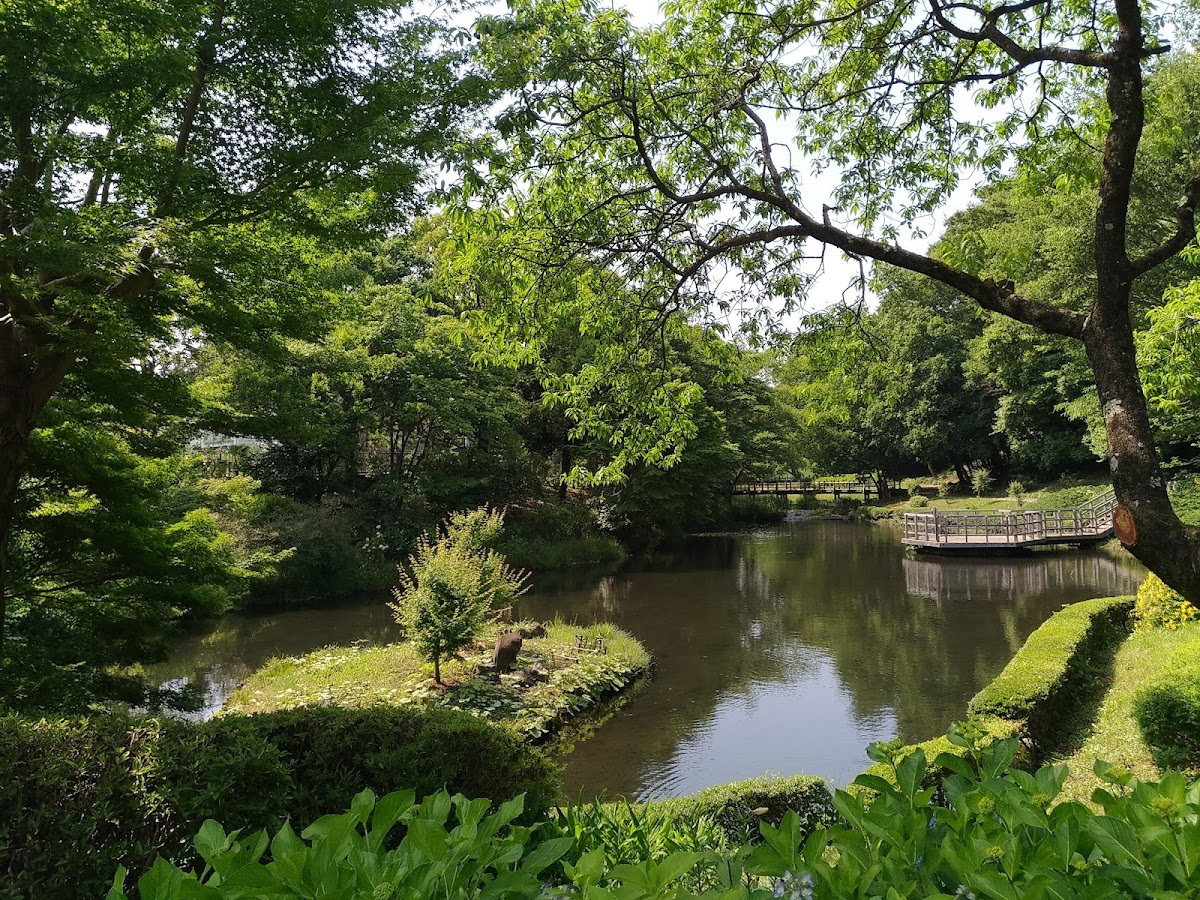
This spring water is groundwater that naturally flows from the rock layers of the hilly terrain, maintaining a relatively stable water volume throughout the year. The undulating terrain and rich vegetation nourish the water source, producing clear, pristine water. The area around the spring water is equipped with wooden pathways and observation decks, serving as a place of relaxation for citizens and as a venue for nature education.
Geographic Location and Environment
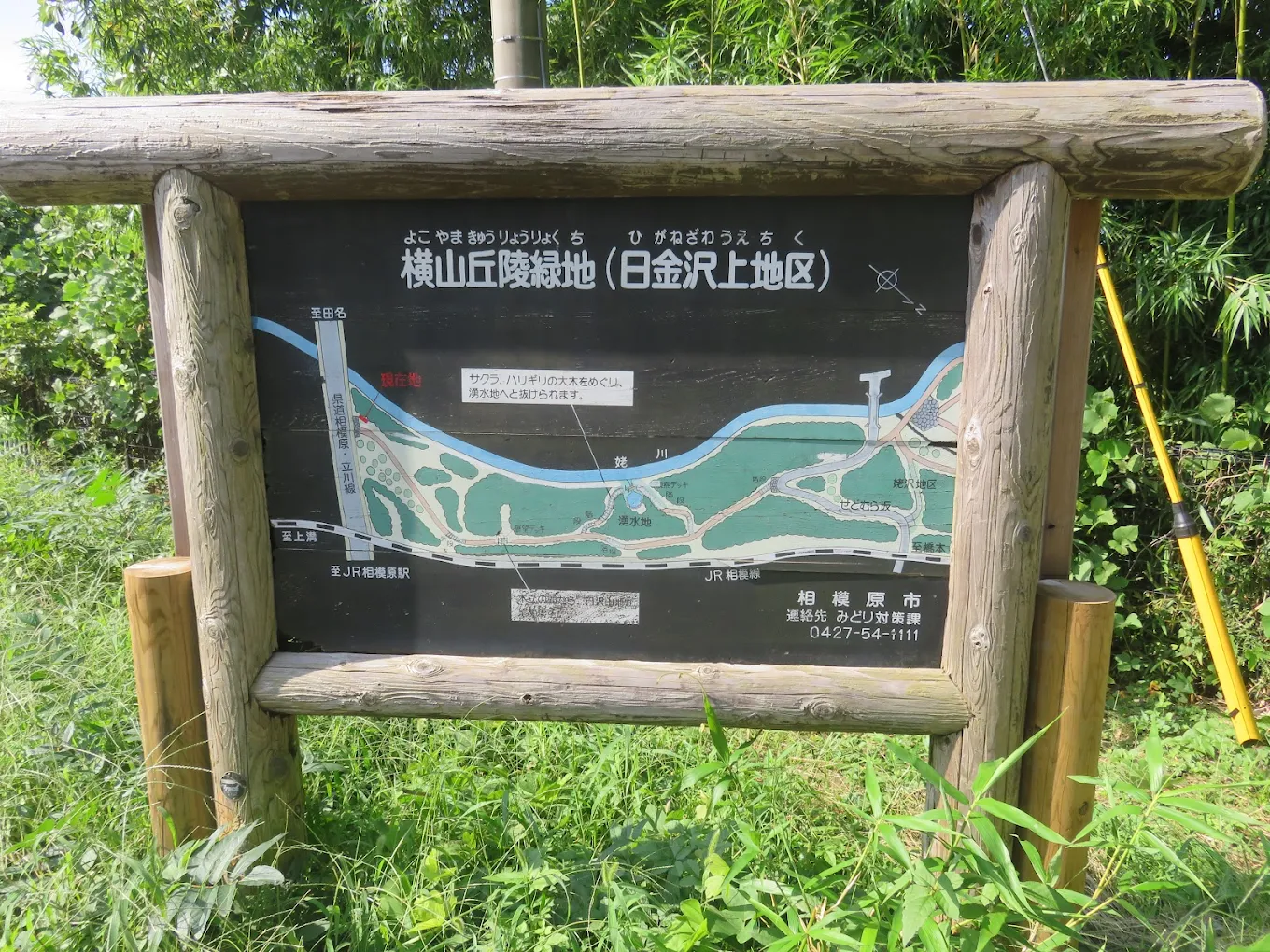
Yokoyama Kyuryo Ryokuchi forms a cohesive green space close to Sagamihara City’s urban areas. It is characterized by hilly terrain with elevation differences, and the spring water can be said to be a natural blessing that takes advantage of this geographical feature. The surrounding area is equipped with walking paths and is divided into three major areas: Ubasawa district, Hikanezawa Upper district, and Hikanezawa Lower district.
Access Methods and Location
Access by Public Transportation
Access to Yokoyama Kyuryo Ryokuchi Park spring water is via JR Yokohama Line Kamizo Station, which is the nearest station. From Kamizo Station to Ubasawa district is approximately 30 minutes on foot, about 2 kilometers away. This route is developed as “Terute Hime no Sato Roman Tanbou no Komichi” (Terute Princess Village Romance Exploration Path), where you can enjoy a walk while visiting historic sites related to the Terute Hime legend.
If using a bus, you can reach the entrance to the green area in about 10 minutes on foot after getting off at the “Shimokuzo” bus stop on a Kanagawa Chuo Kotsu bus.
Access by Automobile
For automobile access, approach from National Route 129 is convenient. However, there is no dedicated parking lot within the green area, so it is recommended to use nearby public parking lots or public transportation. If approaching from the Dobo River Park side, parking spaces are limited, so visiting on weekdays is recommended.
Detailed Routes to Each Area
Ubasawa District: From Kamizo Station using “Terute Hime no Sato Roman Tanbou no Komichi.” This is registered as a city cultural heritage site as the legendary site of Terute Hime, with “Ubasawa Gensou no Hi” (Ubasawa Illusion Monument) and “Terute Hime Iseki no Hi” (Terute Hime Ruins Monument) serving as landmarks.
Hikanezawa Upper District: From Ubasawa district, heading south on the walking path for approximately 15 minutes. This is the main area with spring water and observation decks.
Hikanezawa Lower District: Continuing south from Hikanezawa Upper District toward Dobo River Park. You can enjoy the view from the observation deck.
Water Quality and Characteristics of the Spring Water
Water Quality Characteristics
Yokoyama Kyuryo Ryokuchi Park spring water maintains relatively clear water quality due to the natural filtration process as it flows through the rock layers of the hilly terrain. The surrounding forest environment functions as a water source recharge forest, and impurities are removed as precipitation infiltrates the ground.
The water temperature is stable at approximately 15-17 degrees Celsius year-round, feeling cold in summer and relatively warm in winter. This temperature stability is evidence of the spring water’s origins in groundwater unique to springs.
Regarding Drinking Water Suitability
Yokoyama Kyuryo Ryokuchi Park spring water is not officially certified as drinking water. Water quality is not regularly tested, so use for drinking purposes is not recommended. It is appropriate to enjoy it for viewing and nature observation purposes.
If seeking drinking water from springs in Kanagawa Prefecture, it is recommended to use managed water sources such as the Hadano Basin Spring Group, selected as one of “Heisei’s 100 Famous Waters” by the Ministry of the Environment, or Zeniarai Water in Kamakura.
Water Volume and Seasonal Fluctuations
The water volume of the spring changes with the seasons. Water volume increases after the rainy season and autumn rains, and the wetland environment around the spring becomes richer. Conversely, during the dry season in midsummer and in winter, water volume decreases somewhat, but it is rare for the spring to dry up completely.
This stable flow is supported by the geological structure of Yokoyama Kyuryo and its extensive forest area. Although Sagamihara City is undergoing urbanization, this green area performs the valuable function of water source recharge.
Natural Environment of Yokoyama Kyuryo Ryokuchi
Vegetation and Ecosystem
Yokoyama Kyuryo Ryokuchi is primarily composed of mixed deciduous and evergreen broadleaf forests, including Konara oak, Kunus, and Shirakashi. The sloping forest forms a multi-layered structure, with developed stratified vegetation consisting of canopy layer, sub-canopy layer, shrub layer, and herbaceous layer.
In the moist environment around the spring water, hydrophilic plants such as Mizosoba, Seri, and Mizuki grow. In spring, spring ephemeral plants such as Katakuri and Nirinso color the forest floor, and in autumn, Rindou and Wareomoko can be seen.
Charm of Bird Watching
Yokoyama Kyuryo Ryokuchi is also known as a bird-watching spot. The rich forest environment and diverse habitats created by spring water allow for observation of various birds throughout the year.
Resident Birds: Shijukara, Yamagara, Kogera, and Mejiro can be observed year-round. Especially in winter, the view becomes clearer with leaf fall, making observation easier.
Summer Birds: Summer birds such as Ooruri, Kibidaki, and Sankocho migrate to breed. Beautiful songs can be heard from May to July.
Winter Birds: Winter birds such as Tsugumi, Shirohara, and Jobitaki arrive to overwinter. The area around the spring water is a gathering point for birds as a water source.
Observation decks and wooden pathways are equipped, allowing quiet observation without startling birds. Bringing binoculars allows for more detailed observation.
Insects and Aquatic Organisms
The spring water and surrounding wetland environment serve as habitats for diverse insects. Among dragonflies, species such as Shiokaratonbo, Oniyanma, and Ginyanma can be seen, and their egg-laying behavior can be observed at the water’s edge in summer.
Butterfly species are abundant, with Agehacho, Kiageha, and Hiodoshicho visiting flowers. Beetles such as Kabutomushi and Kuwagata live in tree sap, and summer nighttime observations offer the possibility of encountering them.
In the spring water flow, aquatic organisms such as Sawagani and Kawanina inhabit the water. The presence of these organisms, which are indicator species of clean water, demonstrates good water quality.
The Terute Hime Legend and Cultural Value
The Terute Hime Legend
Yokoyama Kyuryo Ryokuchi, particularly Ubasawa district, is known as the legendary site of the “Terute Hime Legend.” This legend is a medieval narrative featuring the beautiful princess Terute Hime and her husband, Oguri Hangan, in a tumultuous story.
According to the legend, Terute Hime undergoes various hardships but ultimately reunites with her husband. Ubasawa is said to be one of the settings of this story, where Terute Hime visited during her difficult journey.
Historic Sites and Monuments
Several historic sites conveying the Terute Hime legend are maintained in Ubasawa district.
Ubasawa Gensou no Hi (Ubasawa Illusion Monument): A commemorative monument expressing the world of the legend, installed along the walking path.
Terute Hime Iseki no Hi (Terute Hime Ruins Monument): A monument marking the legendary site, registered as a cultural heritage of Sagamihara City.
These historic sites are highlights of “Terute Hime no Sato Roman Tanbou no Komichi,” and an illustrated map is provided for the approximately 2-kilometer walking path connecting JR Kamizo Station and Yokoyama Kyuryo Ryokuchi.
Connection with Regional Culture
The Terute Hime legend is positioned as an important cultural resource of Sagamihara City and contributes to regional identity formation. Cultural initiatives combining history and nature, such as guided tours of historic sites by civic organizations and cultural events themed on the legend, are being conducted, promoting community development that links history and nature.
Facilities and Amenities at Yokoyama Kyuryo Ryokuchi
Walking Paths and Wooden Decks
Walking paths are equipped throughout Yokoyama Kyuryo Ryokuchi. Major paths are paved or surfaced with gravel and are maintained in relatively walkable condition. However, due to the undulating terrain, there are ups and downs, providing moderate exercise.
Wooden pathways are installed around the spring water, allowing nature observation without damaging the wetland. The wooden paths receive regular maintenance, but become slippery after rain, requiring caution.
Observation Decks and Rest Facilities
Observation Deck: An observation deck is installed in Hikanezawa Upper district, allowing close observation of the spring water. From here, the flow of spring water, aquatic organisms, and hydrophilic plants can be observed.
Observation Deck: From the observation deck in Hikanezawa Lower district, you can view the Sagamihara urban area and the Tanzawa Mountains. On clear days, Mount Fuji can be seen in the distance.
Azumaya (Shelters): Several rest shelters are installed, centered around Ubasawa district. Benches are available at various locations, allowing rest during walks.
Restrooms and Parking
Restroom facilities within the green area are limited, so it is recommended to use facilities at JR Kamizo Station before visiting. There are restroom facilities near Dobo River Park.
As mentioned above, there is no dedicated parking lot. Public transportation is recommended, but for those driving, limited roadside parking spaces near Dobo River Park can be used. However, weekends can be crowded, making weekday visits preferable.
How to Enjoy Each Season
Spring (March to May)
Spring at Yokoyama Kyuryo Ryokuchi is a beautiful season of new growth and spring flowers. From late March to April, spring ephemeral plants such as Katakuri, Nirinsobae, and Ichirinsou color the forest floor. Since these plants bloom and seed only during the short period before deciduous tree leaves expand, early spring visiting is recommended.
Birds enter their breeding season, with active singing. The beautiful songs of Uguisu, Mejiro, and Shijukara echo through the forest. By May, summer birds such as Ooruri and Kibidaki also arrive, making it an ideal time for bird watching.
Around the spring water, spring rain increases water volume, with the pleasant sound of clear water flowing.
Summer (June to August)
The rainy season is the period when spring water volume is most abundant. High humidity covers the forest in deep green. Hydrophilic plants around the spring water grow vibrantly, and the aquatic ecosystem becomes most active.
From July to August is ideal for dragonfly observation. Species such as Oniyanma and Ginyanma fly across the water’s edge, and egg-laying behavior can be observed. Early morning or evening visits offer cool, comfortable walks.
The shade of the forest is several degrees cooler than in urban areas, offering natural summer refuge from the urban heat island phenomenon. However, insect repellent measures are essential.
Autumn (September to November)
Autumn is the season of autumn foliage. From late October to November, Konara, Kunus, and Yamazakura turn color, and the entire hilly area becomes tinted red and yellow. While walking the path, you can enjoy the feel of fallen leaves underfoot.
Autumn wildflowers such as Rindou, Wareomoko, and Nokongiku bloom, adding subtle but beautiful color.
Winter birds begin arriving, with species such as Tsugumi, Shirohara, and Jobitaki becoming visible. Migratory birds passing through can also stop by, making it a fascinating season for birdwatchers.
Winter (December to February)
Winter at Yokoyama Kyuryo Ryokuchi, with leaf fall improving visibility, becomes an ideal season for bird watching. The contrast between evergreen greenery and deciduous tree branches is beautiful, and you can enjoy the quiet forest atmosphere.
The spring water’s temperature is higher than the outside air, so water vapor may rise from the outlet like steam. This phenomenon is particularly pronounced in early winter mornings, creating a fantastical sight.
The most winter birds are visible at this time, with the area around the spring water becoming a gathering point as a water source. You can observe Shirohara and Tsugumi searching for food on the ground, and Jobitaki perching on branch tips.
Frost and thin ice can be seen on some days, allowing enjoyment of winter’s natural formations.
Nearby Attractions and Combined Tourism
Dobo River Park
Dobo River Park, adjacent to the south end of Yokoyama Kyuryo Ryokuchi, is a waterfront park developed along Dobo River. It features walking paths along the river, grassy areas, and play equipment, popular with families.
Dobo River Park also has spring water, known as a spring water spot in Sagamihara City. Visiting both Yokoyama Kyuryo Ryokuchi and Dobo River Park allows comparative observation of hillside and flatland spring water.
Katsusaka Ruins Park
About 10 minutes by car from Yokoyama Kyuryo Ryokuchi, Katsusaka Ruins Park is a large-scale settlement ruins from the Middle Jomon period. Designated as a national historic site, it features reconstructed pit dwellings and artifact display facilities.
Katsusaka Ruins Park also has spring water, believed to have been used by Jomon people. This spot allows you to experience the blessings of spring water continuing from ancient to modern times.
Sagamihara City Museum
The Sagamihara City Museum offers comprehensive learning about Sagamihara’s nature, history, and culture. There are also displays about the natural environment of Sagamihara, including Yokoyama Kyuryo Ryokuchi, deepening understanding before or after visits.
A planetarium is also housed here, allowing a day combining nature walks with science learning.
Around JR Kamizo Station
Around JR Kamizo Station, the nearest station, various restaurants and cafes are located. Convenient for meals and rest after walks. Some establishments serve local cuisine, allowing you to experience Sagamihara’s food culture.
Precautions and Etiquette When Visiting
Clothing and Belongings
Yokoyama Kyuryo Ryokuchi is a place where natural environment is preserved, requiring appropriate clothing and equipment.
Clothing: Long sleeves and long pants are recommended. In summer for insect bite prevention, spring and autumn for protection from vegetation contact, and winter for warmth. Hiking boots or trekking shoes are appropriate for footwear. Sandals or heeled shoes are inappropriate.
Items to Bring:
- Drinking water (especially in summer)
- Hat (sun protection/warmth)
- Insect repellent spray (spring to autumn)
- Towel
- Leisure sheet (for rest)
- Binoculars (for bird watching)
- Camera
- Rain gear (when weather is uncertain)
Nature Protection Etiquette
Yokoyama Kyuryo Ryokuchi is a green area intended to preserve valuable natural environment. Follow this etiquette:
Plant Collection Prohibited: Collection of wildflowers and trees is prohibited. Avoid stepping on rare plants such as Katakuri, staying on the walking path.
Take Trash With You: Trash cans are not installed. Take all trash with you.
Consideration for Wildlife: When observing birds and insects, move quietly and avoid startling them. Feeding disrupts the ecosystem and is strictly prohibited.
No Fire: Fire use is completely prohibited to prevent forest fires. Smoking is also prohibited outside designated areas.
Pet Accompaniment: If bringing pets, always use a leash and always take feces with you. To minimize impact on wildlife, do not leave the walking paths.
Safety Precautions
Avoid Solo Travel: Visit with multiple people when possible. If alone, inform family or friends of your destination and expected return time.
Check Weather: Paths become slippery in rain or after rainfall. Flooding may also make the area around spring water dangerous. Avoid visiting on days with uncertain weather.
Caution Regarding Wasps and Snakes: From summer to autumn, Japanese hornets are active. If you find a nest, leave the area quietly without approaching. Care is also needed for snakes such as Yamakagashi and Mamushi. Avoid entering grass carelessly.
Heat Stroke Prevention: Even within forests, heat stroke risk exists in summer. Practice frequent water intake and adequate rest.
Other Spring Water Spots in Sagamihara City
When visiting Yokoyama Kyuryo Ryokuchi Park spring water, visiting other spring water spots within Sagamihara City is also enjoyable.
Dobo River Park Spring Water
As mentioned previously, Dobo River Park adjacent to Yokoyama Kyuryo Ryokuchi also has spring water. Flowing out along a river environment, it offers a different landscape from Yokoyama Kyuryo Ryokuchi spring water.
Katsusaka Ruins Park Spring Water
This is historically used spring water since the Jomon period. Preserved within the ruins park, it serves as an opportunity to consider the relationship between ancient people’s lives and water.
Water Environment of Sagamihara City
Sagamihara City is blessed with rivers including Sagami River, Dobo River, and Hatokogawa, and many springs exist in hillside areas. These water resources are deeply connected to citizens’ lives, with progress in water source recharge forest preservation and river environment maintenance.
Green areas like Yokoyama Kyuryo Ryokuchi perform valuable water source recharge functions as urbanization progresses, contributing to sustainable urban development.
Other Famous Waters and Springs in Kanagawa Prefecture
Beyond Yokoyama Kyuryo Ryokuchi Park spring water, Kanagawa Prefecture has many other famous water and spring spots.
Eastern Area
Hashirimizu Shrine Spring Water (Yokosuka City): A spring water long worshipped, flowing out within shrine grounds.
Yamate Spring Water (Gerard Water House) (Yokohama City): A historically significant spring water used in water supply operations for foreign vessels during the late Edo period.
Central Prefecture Area
Katsusaka Ruins Park Spring Water (Sagamihara City)
Dobo River Park Spring Water (Sagamihara City)
These are spring waters in Sagamihara City, same as Yokoyama Kyuryo Ryokuchi Park spring water.
Shonan Area
Five Famous Waters of Kamakura (Kamakura City): Kajiwara Tatakiarai Water, Furou Water, Kinryu Water, Nichiren Koiwateri, and Zeniarai Water. These have high historical and cultural value and are popular tourism spots.
Ten Wells of Kamakura (Kamakura City): Ten wells including Kanro No I, Munedachi No I, and Izumi No I are known.
Ashigara and West Shonan Area
Shakuizu no Taki Waterfall (Yamakita Town): Selected as one of Japan’s 100 Famous Waterfalls, with clear water cascading down.
Hayato Spring Water (Kiyokawa Village): Spring water flowing from the rich nature of the Tanzawa Mountains.
Joy of Touring Famous Waters
By touring spring water spots in Kanagawa Prefecture, you can experience the differences in topography, geology, history, and culture of each region. Yokoyama Kyuryo Ryokuchi Park spring water, as a representative example of hillside spring water near urban areas, offers deeper understanding when visited while comparing it with other springs.
Summary: The Charm of Yokoyama Kyuryo Ryokuchi Park Spring Water
Yokoyama Kyuryo Ryokuchi Park spring water is a precious natural resource in Sagamihara City, Kanagawa Prefecture. While remaining close to urban areas, it maintains a rich natural environment and is appreciated by citizens as a spot where diverse nature including spring water, forests, birds, and wildflowers can be observed.
Visiting via “Terute Hime no Sato Roman Tanbou no Komichi” from JR Kamizo Station also allows you to experience the region’s cultural heritage, the Terute Hime legend. It is a place where Sagamihara’s unique charm of the fusion of history and nature can be experienced.
Yokoyama Kyuryo Ryokuchi, displaying different faces with each season, offers new discoveries with every visit. Spring flowers, summer greenery, autumn foliage, and winter silence—you can experience the blessings of spring water and forest in each season.
With proper nature protection etiquette and appropriate equipment, safe and enriching nature experiences are possible. It is a spot enjoyable for various purposes: families with children, nature enthusiasts, history fans, and photography hobbyists.
While Kanagawa Prefecture has many famous waters and springs, Yokoyama Kyuryo Ryokuchi Park spring water is particularly recommended for its accessibility, natural abundance, and depth of cultural background. If you have the opportunity to visit Sagamihara City, please visit. Clear spring water and abundant nature will provide a time of healing that makes you forget urban bustle.