What is Yanagi no Ido? Thorough Explanation of Tokyo’s Famous Spring Water History, Access, and Highlights
“Yanagi no Ido” (Willow Well), situated quietly along the approach to Zenpukuji Temple in Moto-Azabu, Minato Ward, Tokyo, is a historic spring water that has been beloved by local residents since ancient times. This well, selected as No. 1 of the “57 Famous Spring Waters of Tokyo,” is known as a precious water source that saved many lives during disasters such as the Great Kanto Earthquake and the Tokyo Air Raids.
This article provides a comprehensive explanation of the charm of this famous spring water, including the historical background of Yanagi no Ido, legends related to Kobo Daishi, access methods, and surrounding attractions.
Basic Information and Overview of Yanagi no Ido
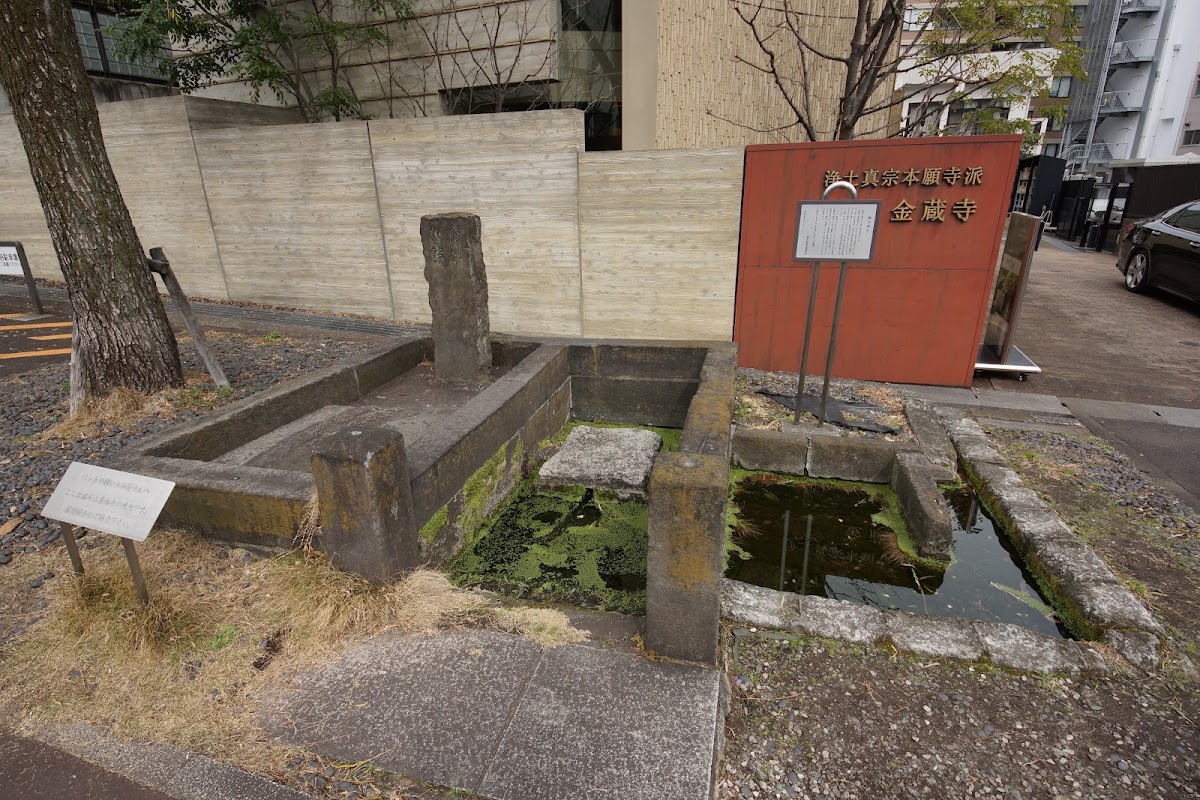
Yanagi no Ido is a spring well located on the right side of the approach to Azabuyama Zenpukuji Temple at 1-6, Moto-Azabu, Minato Ward, Tokyo. This well, from which clear water gushes forth from the ground, is designated as a cultural property of Minato Ward and continues to be loved by local residents and tourists today.
Location and Basic Data
- Address: Tokyo, Minato Ward, Moto-Azabu 1-6-21 (in front of Zenpukuji Temple)
- Designation: No. 1 of Tokyo’s 57 Famous Spring Waters, Minato Ward Cultural Property
- Management: Azabuyama Zenpukuji Temple
- Water Quality: Clear water from underground springs
- Viewing: Free (along the temple approach)
Located in the high-class residential area of Azabu where embassies and ambassador residences are scattered, it has become a precious place that conveys the natural blessings continuing from ancient times to the present day.
History and Origins of Yanagi no Ido
Legend of Creation by Kobo Daishi Kukai
The origins of Yanagi no Ido trace back to a legend related to the founding of Zenpukuji Temple. It is said that when Kobo Daishi Kukai visited this place on a pilgrimage, he struck the ground with his staff (shakujo), and clear water sprang forth.
This legend dates back to the early Heian period (around the 9th century) when Zenpukuji Temple was founded as a Shingon sect temple. Kobo Daishi has many legends remaining across the country of opening water sources, and Yanagi no Ido is one of them, gathering the faith of the local community.
Role as a Water Source During the Edo Period
During the Edo period, Yanagi no Ido was one of the important water sources for Edo townspeople. Together with Sakurai no Ido in the same Minato Ward, it is believed to have been used as household water for residents around Azabu.
At that time, although Edo had a water supply system in place, water from springs was considered particularly clear and delicious, and was treasured for use in tea ceremonies and cooking. Being located in the precinct of an ancient temple such as Zenpukuji, it also became an object of religious faith as water with miraculous efficacy.
Salvation During the Great Kanto Earthquake and Tokyo Air Raids
Yanagi no Ido was etched into history through two major modern disasters.
During the Great Kanto Earthquake of 1923 (Taisho 12), all of Tokyo suffered devastating damage, and water facilities ceased functioning. At that time, the clear water of Yanagi no Ido became a precious drinking water source for disaster victims, saving many lives.
During the Tokyo Air Raids of 1945 (Showa 20), similarly, the water of Yanagi no Ido, which continued to flow in the scorched wasteland of Tokyo, became a lifeline for ordinary citizens. Water naturally welling up from underground continued to maintain its purity unaffected by surface disasters.
These historical facts indicate that Yanagi no Ido is not merely a tourist attraction, but a place that played an important role in Tokyo’s disaster prevention history.
Value as No. 1 of Tokyo’s 57 Famous Spring Waters
What are Tokyo’s 57 Famous Spring Waters?
The “57 Famous Spring Waters of Tokyo,” selected by the Tokyo Metropolitan Environmental Bureau, is an initiative to preserve precious spring water sites remaining in the metropolitan area and help residents rediscover the blessings of nature. Yanagi no Ido was selected as its commemorative No. 1.
This selection is not simply based on numerical order but represents a comprehensive evaluation of historical value, water quality, contribution to the community, and importance as a cultural property. The selection of Yanagi no Ido as No. 1 demonstrates its exceptional value.
Mechanism and Water Quality of Spring Water
The water of Yanagi no Ido flows from an underground water vein of the Musashino Plateau. The topography of the Azabu Terrace is positioned at the boundary between high-elevation plateau and lowland, creating a geological structure where groundwater naturally springs forth.
Water welling up from deep underground has been filtered by rock layers over many years, making it clear, cool, and containing appropriate amounts of minerals. Currently, water quality inspections are conducted regularly, and the well-maintained condition of groundwater is preserved.
Precious Nature Remaining in Urbanization
The presence of natural spring water continuing to flow even in the current day in highly urbanized areas such as Minato Ward is extremely rare. Despite the lowering of surrounding groundwater levels and changes in ground conditions, the fact that Yanagi no Ido still holds clear water indicates a rich and stable underground water vein.
This fact proves that abundant water resources still exist beneath Tokyo, teaching us the importance of nature conservation in urban environments.
Relationship Between Zenpukuji Temple and Yanagi no Ido
History of Azabuyama Zenpukuji Temple
Zenpukuji is an ancient temple belonging to the Jodo Shinshu Honganji sect, with the formal name “Azabuyama Zenpukuji Temple.” According to temple tradition, it was founded by Kobo Daishi Kukai, though it was later converted to Pure Land Buddhism.
During the Edo period, it served as a regional temple in Azabu, holding many parishioners and playing a central role in community society. From the late Edo period through the Meiji era, being close to foreign settlements, it functioned as a place of international exchange.
Configuration Along the Approach and Landscape
Yanagi no Ido is positioned on the right side of the approach to Zenpukuji, just before entering the temple grounds. Being placed where temple visitors must surely see it indicates that this well was not merely a source of household water but something spiritually important to the temple.
The area around the well has been maintained with stone-paved paths and explanatory signs installed. According to tradition, there once stood a large willow tree beside the well, which became the origin of the name “Yanagi no Ido” (Willow Well). Although the willow tree is no longer visible, its trace remains in the well’s name.
Protection as a Cultural Property
Yanagi no Ido is designated as a cultural property of Minato Ward, and appropriate management and protection are conducted. Zenpukuji Temple bears management responsibility, with regular cleaning and water quality management implemented.
Through cultural property designation, modifications to the well and surrounding environment are restricted, preserving the historical landscape. This allows visitors to today continue to feel the ambiance of spring water continuing from the Edo period.
Access Methods to Yanagi no Ido
Access by Train
Access to Yanagi no Ido is most convenient using the Tokyo Metro.
Nearest Stations and Travel Times:
- Tokyo Metro Hibiya Line Hiroo Station: Approximately 10 minutes on foot from Exit 1
- Tokyo Metro Nanboku Line Azabujuban Station: Approximately 12 minutes on foot from Exit 4
- Toei Oedo Line Azabujuban Station: Approximately 12 minutes on foot from Exit 7
The route from Hiroo Station is the most straightforward, exiting the station and heading south on Meiji-dori toward Moto-Azabu, where you will see directional signs for Zenpukuji.
Detailed Walking Route
Route from Hiroo Station:
- Exit from Hiroo Station Exit 1 and head south on Meiji-dori toward Roppongi
- After about 200m, turn right at Moto-Azabu Intersection
- Continue straight through a residential area for about 400m
- Zenpukuji Temple’s gate appears on your left
- Yanagi no Ido is on the right side of the approach
Along the way, you can enjoy the street scenery typical of Azabu with embassies and luxury residences. The road is relatively flat and easy to walk.
Access by Bus
Public buses are also available.
- Toei 01 Route (Shibuya Station Front ~ Shinbashi Station Front): Get off at “Moto-Azabu” bus stop, approximately 3 minutes on foot
- Toei 06 Route (Shibuya Station Front ~ Shinbashi Station Front): Get off at “Azabujuban Station Front” bus stop, approximately 8 minutes on foot
The walk from the bus stop through the residential area to Zenpukuji is straightforward with directional signs posted, so you won’t get lost.
Access and Parking by Car
Visiting by private automobile is also possible, though Zenpukuji Temple has limited parking for visitors. There are several coin parking lots in the area, though parking fees in the Azabu area are on the higher side.
Major Roads in the Area:
- Approximately 5 minutes from the “Iikura” exit of the Shuto Expressway Urban Ring Route
- Accessible from Gaien East-dori and Meiji-dori
Some streets in the residential area are narrow, so careful driving is necessary. Public transportation is recommended if possible.
Attractions and Highlights at Yanagi no Ido
Structure and Characteristics of the Well
Yanagi no Ido maintains the form of a traditional well, surrounded by circular stone construction. The well has a diameter of approximately one meter with a depth of several meters.
The water surface is positioned relatively close to ground level, and when you peer into it, you can see clear water held quietly. The water maintains a constant water level, indicating that groundwater is being supplied steadily.
The area around the well is paved with stone and equipped with explanatory signage. The signs provide detailed information about the well’s history and its selection as one of Tokyo’s 57 Famous Spring Waters, offering visitors comprehensive information.
Clarity of Water and Sound
The greatest charm of Yanagi no Ido is the clarity of its water. Water welling from underground has high transparency, allowing you to see through to the bottom of the well.
If you listen carefully in the quiet environment, you can hear the faint sound of water welling up from underground. This sound allows visitors to forget urban hustle and bustle, providing a soothing effect.
Water temperature remains relatively constant throughout seasons, feeling cold in summer and relatively warm in winter. This is characteristic of groundwater, maintaining stable temperature year-round.
Scenery Throughout the Seasons
The area around Yanagi no Ido presents different faces with each season.
Spring (March~May): Cherry blossoms bloom in the Zenpukuji temple grounds, and the approach becomes vibrant. In the season of fresh greenery, the area around the well becomes vivid green.
Summer (June~August): The coolness of the spring water feels refreshing. Shaded areas are cool, and the value as an urban oasis increases.
Autumn (September~November): Autumn leaves are beautiful, and the well can be appreciated in a calm atmosphere. In the clear autumn air, the purity of the water stands out even more.
Winter (December~February): On cold days, steam rises from the well, creating a fantastic sight. This is due to the groundwater being warmer than the outside air temperature.
Charm as a Photography Spot
Yanagi no Ido is popular not only for historical value but also as a photography spot.
Recommended Photographic Angles:
- Photograph the well from directly above, capturing the reflection on the water surface
- Composition including the pathway from the approach to the well
- Photos recording both the explanatory signage and the well together
- Positioning the well with Zenpukuji’s gate as the background
Morning light is particularly recommended for photography. During times of strong direct sunlight, water surface reflections become too intense, making photography difficult.
Surrounding Attractions and Points of Interest
Grounds of Azabuyama Zenpukuji Temple
When visiting Yanagi no Ido, be sure to also pay respects at the temple grounds of Zenpukuji.
Main Attractions:
- Main Hall: A solemn main hall of the Jodo Shinshu Honganji sect with Amida Buddha as the main deity
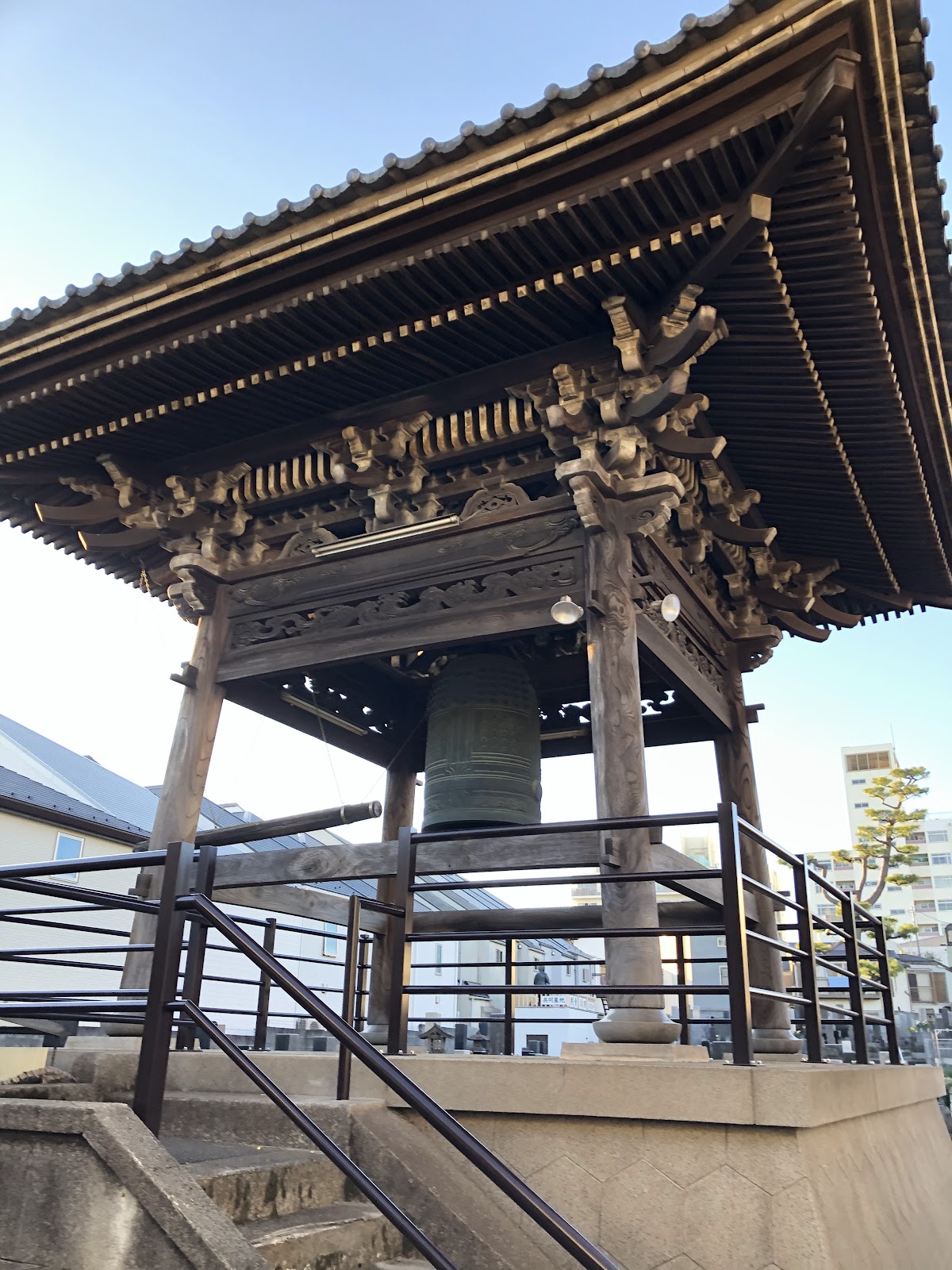
- Bell Tower: Houses an ancient bell continuing from the Edo period
- Cemetery: Contains graves of historically notable figures
- Temple Grounds Trees: Many old trees create a quiet space in the urban area
Zenpukuji is also known as a foreign cemetery, containing graves of foreigners who resided in Japan from the late Edo period through the Meiji era.
Azabujuban Shopping Street
The Azabujuban shopping street, within walking distance from Zenpukuji, is a popular tourist area with remaining downtown charm.
Characteristics:
- Established confectioneries and taiyaki shops
- Fashionable cafes and restaurants
- Miscellaneous goods stores and galleries
- The “Azabujuban Natsu Matsuri” (summer festival) in August is a fixture of Tokyo’s summer
Enjoying lunch or a cafe before or after visiting Yanagi no Ido at Azabujuban is also recommended.
Arisugawa-no-Miya Memorial Park
A metropolitan park with abundant nature located between Hiroo Station and Zenpukuji, offering a place of rest and refreshment.
Park Characteristics:
- Expansive grounds of approximately 67,000 square meters
- Undulating terrain with pond and stream
- Plants of all seasons
- Adjacent to the Metropolitan Central Library
Visiting together with Yanagi no Ido allows you to fully enjoy Tokyo’s water and greenery.
Embassy Tour of the Azabu Area
Numerous embassies are scattered throughout the Azabu area, characterizing the district as having an international flavor.
Major Embassies:
- German Embassy
- French Embassy
- Norwegian Embassy
- Finnish Embassy
Each embassy is architecturally interesting, and simply viewing their exteriors is enjoyable (interior viewing is not normally permitted).
Comparison with Other Famous Spring Waters in Tokyo
Spring Waters in Minato Ward
Besides Yanagi no Ido, there are other spring water sites in Minato Ward, though most have either dried up or are located in difficult-to-access places. It is invaluable that Yanagi no Ido continues to actively spring forth water and is open to the public.
Kanseien Park in Shinjuku Ward
Kanseien Park in Waseda, Shinjuku Ward, is also known as a garden utilizing spring water. Retaining the appearance of an Edo-period daimyo garden, spring water flows through a pond-and-stream stroll garden.
Whereas Yanagi no Ido is spring water as a “point,” Kanseien Park actively utilizes spring water as an “area.”
Spring Water Groups in Nerima Ward
Nerima Ward has multiple spring water sites including Shakuji Park. Due to its location on the western side of the Musashino Plateau, groundwater is abundant, and numerous spring waters are confirmed today.
Whereas spring water in Nerima Ward exists in natural environments, Yanagi no Ido is characterized by being situated in a cultural environment within a temple in the urban center.
Fujimi Ryokuchi in Tachikawa
Fujimi Ryokuchi in Tachikawa, Tachikawa City in the Tama area, is also a place where spring water can be observed. Water welling from the Tachikawa Terrace cliff edge was formerly used for agricultural irrigation.
Due to geographical conditions, the Tama area has more spring water, but the value of Yanagi no Ido as an active spring water in the 23 wards, particularly in the urban center, is exceptional.
Current Usage and Conservation Activities of Yanagi no Ido
Current Forms of Usage
Yanagi no Ido is currently not used directly as household water, but is utilized in the following ways:
Primary Uses:
- Public access as a tourism and educational resource
- Preservation as regional historical and cultural heritage
- Material for environmental education
- Positioning as an emergency water source during disasters
Water quality is periodically inspected, and the well may function as a drinkable water source in case of disaster. This is part of modern disaster prevention planning based on the record of saving lives during the Great Kanto Earthquake and Tokyo Air Raids.
Conservation Activities and Management System
Conservation of Yanagi no Ido involves cooperation among Zenpukuji Temple, Minato Ward, and local residents.
Content of Conservation Activities:
- Regular cleaning and water quality inspections
- Maintenance of surrounding environment
- Installation and updating of explanatory signage
- Appropriate management as a cultural property
- Information provision to visitors
At local elementary schools, environmental learning themed around Yanagi no Ido is sometimes conducted, serving as education for the next generation.
Challenges in Groundwater Conservation
In urbanizing Tokyo, conserving groundwater is not easy.
Main Challenges:
- Lowering of groundwater levels
- Impact of underground structures on groundwater veins
- Reduction of rain water infiltration areas
- Climate change affecting precipitation patterns
In response to these challenges, Minato Ward is advancing measures such as promoting rainwater infiltration facilities and preserving green areas. For Yanagi no Ido to continue flowing in the future, groundwater conservation across the entire region is essential.
Azabu’s Seven Mysteries and Yanagi no Ido
What are the Azabu Seven Mysteries?
The Azabu region has legends and mysterious places called “Azabu’s Seven Mysteries,” with Yanagi no Ido sometimes counted as one of them.
Examples of Azabu’s Seven Mysteries:
- Gama Pond: A pond in Zenpukuji where Kobo Daishi is said to have created using a toad
- Ippon Matsu: A giant pine tree once in Azabu
- Reverse Ginkgo: A mysterious ginkgo tree with roots exposed above ground
- Yanagi no Ido: Holy water opened by Kobo Daishi’s staff
- Roppongi: The place name derived from six pine (or fir) trees
- Seven-Color Camellia: A camellia tree on which flowers of seven colors bloom on one tree
- Okuri Bayashi: Mysterious festive music heard at night
These mysteries have been passed down since the Edo period and convey the history and culture of Azabu to the present day.
Spread of the Kobo Daishi Legend
The Kobo Daishi legend of Yanagi no Ido is one of the “Kobo Water” legends seen throughout Japan. Kukai (Kobo Daishi) actually traveled throughout the country on pilgrimage, founding many temples and engaging in civil engineering projects.
From his actual achievements and superhuman image, the origins of spring waters and hot springs in various places came to be connected with Kobo Daishi. The legend of Yanagi no Ido has become an important element conveying the relationship between Zenpukuji Temple and Kobo Daishi.
Value of Legends Living in Modern Times
Scientifically, the spring water of Yanagi no Ido results from geological conditions, but the Kobo Daishi legend is not mere superstition.
Such legends serve to:
- Form regional identity
- Heighten interest in historical heritage
- Convey the importance of water resources
- Preserve cultural diversity
Understanding both legends and scientific facts allows for deeper appreciation of Yanagi no Ido’s value.
Precautions and Etiquette When Visiting Yanagi no Ido
Etiquette During Viewing
Since Yanagi no Ido is located within Zenpukuji Temple grounds, please observe the following etiquette.
Basic Etiquette:
- View quietly (being mindful that it is a temple precinct)
- Take all trash with you
- Do not throw objects into the well
- Do not put your hand inside the well
- If drawing water, confirm with the temple
- Do not trespass on private property
- Be considerate when taking photographs
In particular, remember that Zenpukuji is an active temple where religious services and visitors may be present.
Recommended Visit Times
While Yanagi no Ido can generally be viewed during the day, there are recommended times.
Recommended Times:
- Morning (9:00~11:00): Fewer tourists allow for quiet viewing
- Weekdays: Less crowded than weekends
- Clear spring and autumn days: Pleasant weather and comfortable for surrounding exploration
Be aware that access may be restricted due to temple schedules at early morning or evening hours.
Clothing and Belongings
No special clothing is required, but pay attention to the following points.
Clothing:
- Comfortable walking shoes (there are stone-paved paths and slopes)
- Clothing appropriate to season
- Sun protection in summer, warm clothing in winter
Belongings:
- Camera (if you wish to take photos)
- Drinking water (especially in summer)
- Notebook (if you wish to record history or explanations)
- Map or smartphone (for exploring the area)
Visiting on Rainy Days
Yanagi no Ido can be viewed on rainy days, but care must be taken regarding:
- Stone-paved paths becoming slippery
- Necessity of carrying an umbrella while viewing
- Photography becoming difficult
- Surrounding exploration becoming limited
On the other hand, rainy days offer their own appeal. The sound of rain combines with the sound of spring water, allowing for a deeper feeling of water’s presence.
Learning About Tokyo’s Water Environment from Yanagi no Ido
Tokyo’s Groundwater System
The existence of Yanagi no Ido demonstrates that rich water resources exist beneath Tokyo.
Tokyo’s groundwater is classified primarily into:
- Shallow Groundwater: Depths ranging from several meters to several tens of meters below the surface
- Deep Groundwater: Depths of several hundred meters or more
The water of Yanagi no Ido is believed to be shallow groundwater, consisting of rainwater that infiltrated underground in a relatively short time.
Urbanization and Water Cycle
Tokyo’s urbanization has greatly impacted the water cycle.
Effects of Urbanization:
- Increased asphalt and concrete reduce rain infiltration into ground
- Underground structures of buildings sever groundwater veins
- Excessive groundwater pumping causing ground subsidence (currently improved through regulation)
- Heat island effects changing precipitation patterns
In response to these issues, Tokyo is advancing measures such as installing rainwater infiltration facilities and preserving green areas.
Significance of Spring Water Conservation
Preserving spring water like Yanagi no Ido has significance beyond simply protecting historical heritage.
Environmental Significance:
- Preservation of biodiversity (ecosystems around spring water)
- Mitigation of urban climate (evaporative cooling effect)
- Sustainable use of groundwater resources
Social Significance:
- Water source securing during disasters
- Function as core of community
- Environmental education venue
Cultural Significance:
- Preservation of historical landscape
- Maintenance of regional identity
- Continuation of traditional culture
Yanagi no Ido embodies all these values as a precious presence.
Future and Prospects for Yanagi no Ido
Toward Sustainable Conservation
For Yanagi no Ido to continue flowing in the future, conservation with a long-term perspective is necessary.
Necessary Measures:
- Maintenance of groundwater recharge function in surrounding areas
- Consideration for groundwater in development activities
- Adaptation strategies to climate change
- Regular monitoring and scientific investigation
- Understanding and cooperation from residents
Minato Ward, Tokyo, and Zenpukuji Temple are cooperating to address these issues.
Utilization as a Tourism Resource
Yanagi no Ido has potential for further utilization as a hidden tourist spot in Tokyo.
Ideas for Utilization:
- As a core of historical exploration courses in the Azabu area
- Venue for Japanese culture experience for foreign tourists
- Implementation of environmental education programs
- Information dissemination using digital technology (AR, VR, etc.)
However, excessive touristification risks compromising the serene environment, requiring balanced utilization.
Succession to the Next Generation
Passing on the value of Yanagi no Ido to the next generation is a responsibility of those living today.
Measures for Succession:
- Utilization in school education
- Provision of opportunities to learn area history
- Creation of digital archives
- Promotion of young generation participation in conservation activities
With respect for history and tradition while utilizing modern technology and knowledge, Yanagi no Ido will be passed to the future.
Conclusion: Charm of Yanagi no Ido and Value of Visiting
Yanagi no Ido is a precious place in the center of Tokyo where clear water continues to spring forth today, representing a harmony between history and nature.
Main Charms of Yanagi no Ido:
- Historical Value: Over 1,200 years of history from the Kobo Daishi legend to modern times
- Disaster Prevention History: Record of saving many lives during the Great Kanto Earthquake and Tokyo Air Raids
- Blessings of Nature: Mystery of groundwater that never dries up amid urbanization
- Cultural Property: No. 1 of Tokyo’s 57 Famous Spring Waters, designated Minato Ward cultural property
- Accessibility: Located in the urban center yet easily accessible
- Surrounding Environment: Neighborhood where one can feel Azabu’s history and international character
Visiting Yanagi no Ido is not mere tourism but an opportunity to deeply learn about Tokyo’s history, culture, and natural environment. In modern convenient life, this small well quietly teaches us the importance of water and the significance of coexistence with nature.
When visiting Azabu, be sure to stop by Yanagi no Ido at Zenpukuji Temple and touch the clear water that has continued to spring forth across more than a thousand years. There is concentrated the profundity of Tokyo as a major metropolis and the history of humanity’s relationship with nature.