Complete Guide to Tonmori no Yato Seepage Area (Kanagawa Prefecture): A Hidden Natural Treasure of Ikuta Ryokuchi
What is Tonmori no Yato Seepage Area?
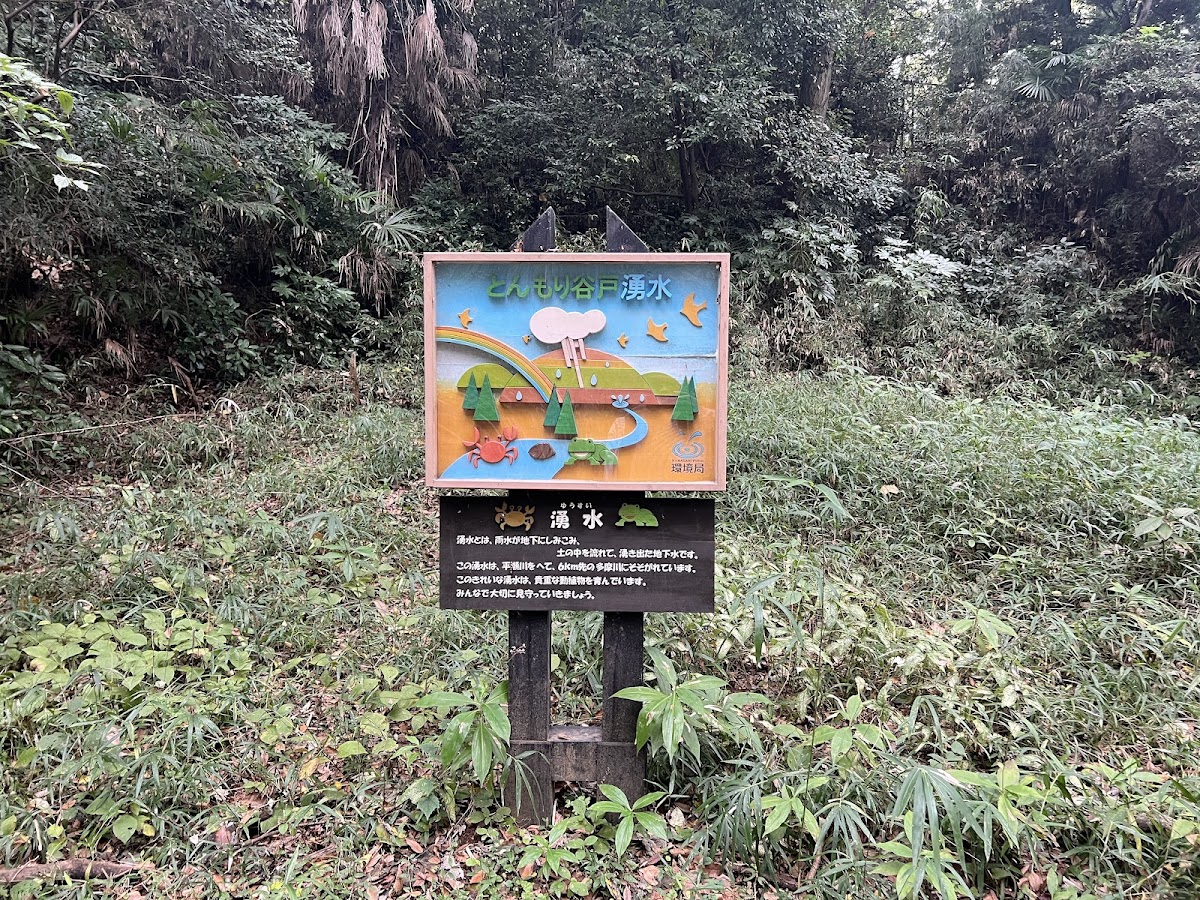
The Tonmori no Yato Seepage Area (飛森の谷戸湧水地) is a precious natural environment remaining in an urban area, located in Hatsuyama 1-chome, Miyamae Ward, Kawasaki City, Kanagawa Prefecture. This valley spreading across the eastern side of Ikuta Ryokuchi, a regional park, is known as a seepage area that makes use of the topography of the Tama Hills and has been carefully preserved by local residents and environmental conservation organizations.
While multiple seepage areas exist within Kawasaki City, Tonmori no Yato is particularly known for its high biodiversity and well-maintained water quality. Comprehensive development has progressed since the Heisei era, and today it functions as a nature observation area centered around an aquatic plant viewing pond, beloved by many nature enthusiasts and educators.
Geographic Features and Location
Tonmori no Yato is a typical valley landform created at the southern end of the Tama Hills. A “yato” (valley) is a valley-shaped topography formed by erosion of hills, and historically served as a source of abundant seepage water for agriculture and domestic water supply.
Ikuta Ryokuchi is a representative urban park of Kawasaki City, and Tonmori no Yato, adjacent to its eastern side, plays an important role in further enriching the park’s natural environment. While residential areas surround the valley, this valley alone has escaped development and remains a precious location transmitting the landscape of former satoyama (traditional rural woodlands).
History and Development of the Seepage Area
Beginning of Conservation Activities
Formal conservation efforts in Tonmori no Yato began with strong feelings for nature protection among local residents. As urbanization progressed, momentum grew to preserve the valley’s natural environment for future generations, leading to the formation of the “Society to Protect the Nature of Tonmori Valley.”
This civic organization conducts regular maintenance work at 9 a.m. on the second Sunday of every month, continuously carrying out environmental maintenance of the valley, removal of invasive species, and water quality preservation. Additionally, efforts are underway to inherit traditional satoyama management techniques such as field preparation and bamboo thinning, contributing to the preservation of cultural value beyond merely protecting nature.
Collaborative Development with the Community
Cooperation with local educational institutions has played an important role in developing Tonmori no Yato. In particular, students from Shirahata Daishin Elementary School participate in environmental surveys and cleanup activities in the valley as part of their integrated learning, utilizing it as a place for environmental education in practice.
Through such collaboration between local residents, civic organizations, educational institutions, and Kawasaki City, Tonmori no Yato has become not merely a seepage area but a model example of environmental education and citizen participation, attracting national attention. Continuous management continues after development completion, functioning as a sustainable model of coexistence between nature and humans.
Attractions of the Aquatic Plant Viewing Pond
Pond Structure and Features
The aquatic plant viewing pond, the central facility of Tonmori no Yato, is an observation pond created utilizing seepage water. Since this pond directly uses natural seepage water, water temperature remains stable throughout the year, providing an environment where diverse aquatic organisms can inhabit.
A walking trail has been developed around the pond, allowing visitors to safely observe waterside nature. Wooden decks and observation areas have also been established, with consideration given to enable nature observation enjoyment for both children and adults.
Aquatic Plants Observable
Seasonal aquatic plants can be observed throughout the year at the aquatic plant viewing pond. Spring brings blooming Mitsugazhikwa and Japanese irises, summer features water lilies and watershield adorning the water surface, autumn displays wetland plants such as bistorta, and even in winter, evergreen aquatic plants support the pond’s ecosystem.
These plants serve not only as objects of appreciation but also important functions in water purification and as habitats for organisms. The distinctive feature of this viewing pond is that plants are positioned to maintain natural balance while remaining observable by humans.
Organisms Living in Clear Water
Treasure Trove of Water Quality Indicator Species
One of the most important characteristics of Tonmori no Yato Seepage Area is the purity of its water. Here, organisms that can live only in clean water have been confirmed, including Japanese freshwater crabs, mayflies, and planarians. These organisms are known as water quality indicator species, and their very presence testifies to the purity of the seepage water.
The Japanese freshwater crab is a freshwater crab endemic to Japan that prefers clear streams with low water temperature and abundant oxygen. At Tonmori no Yato, visitors can observe these crabs hiding under rocks and among water plants, making them a popular subject for children’s nature observation.
Mayflies are a type of aquatic insect that spend their larval stage in clear streams. The presence of this insect serves as certain evidence of good water quality. Planarians are flatworms known for their high regenerative capacity, but are sensitive to pollution and can only survive in clean water environments.
Firefly Habitation and Viewing
One of the greatest attractions of Tonmori no Yato Seepage Area is the sight of fireflies seen in early summer. Natural firefly occurrence in urban areas is declining year by year, but through environmental conservation efforts, this valley continues to support populations of Genji and Heike fireflies.
For fireflies to inhabit an area, clear water, appropriate water temperature, food organisms such as snails, and darkness are necessary. Tonmori no Yato meets all these conditions, allowing observation of the fantastical glow of fireflies from June through July each year.
During firefly viewing season, local residents and nature enthusiasts visit, but with appropriate management by conservation organizations, observation activities proceed while protecting the firefly habitat. Enlightenment efforts regarding observation manners, such as restrictions on flashlight use and maintaining quiet, are actively conducted.
Other Biodiversity
Tonmori no Yato harbors not only aquatic organisms but also diverse terrestrial wildlife. Dragonflies are particularly abundant in species, with different types observable depending on season, including common clubtails, red dragonflies, and golden-ringed dragonflies.
Birds are also plentiful, with water-loving birds such as kingfishers, yellow wagtails, and grey wagtails frequently visiting. Additionally, small birds such as Japanese white-eyes, great tits, and varied tits inhabit the surrounding woodlands, making the area popular for birdwatching.
Among amphibians, Asian toads, Japanese red-legged frogs, and mossy frogs have been confirmed, with many frogs gathering in spring for spawning. The presence of these organisms indicates that the valley’s ecosystem functions healthily.
Position in Kanagawa Prefecture’s Seepage Environment
Comparison with Representative Seepage Areas in Kanagawa Prefecture
The Ministry of the Environment’s selection of “Representative Seepage Areas in Kanagawa Prefecture” includes famous seepage sites such as the Hadano Basin Seepage Group, Shakasuzu Falls and Takizawa Stream, and Seiza’emon Hell Pond. While Tonmori no Yato Seepage Area is smaller in scale compared to these, it holds important significance as a successful example of seepage conservation in urban areas.
The seepage group in Hadano City is a large seepage area region where approximately 750 million tons of groundwater are stored in the Hadano Basin, the only basin in Kanagawa Prefecture, and discharge at various locations throughout the city. In contrast, Tonmori no Yato is distinctive in being preserved through local resident efforts despite existing in increasingly urbanized Kawasaki City.
Relationship with Other Seepage Areas in Kawasaki City
Multiple seepage areas exist in Kawasaki City other than Tonmori no Yato, and the city undertakes water quality surveys and environmental conservation efforts. However, Tonmori no Yato is one of the locations with the most active citizen-participation conservation activities and plays a particularly important role as a place for practicing environmental education.
Other seepage points exist in the Ikuta Ryokuchi vicinity, but locations as developed and open to the public as Tonmori no Yato are limited. This seepage area attracts attention from other municipalities as a model case of seepage conservation in cooperation with urban parks.
Access and Visiting Information
Location and Transportation Access
Location: 1-chome Hatsuyama, Miyamae Ward, Kawasaki City, Kanagawa Prefecture
Access by Public Transportation:
- Approximately 15-minute walk from “Mukaigaoka Yuuen Station” on the Odakyu Line
- From the south exit of “Mukaigaoka Yuuen Station” on the Odakyu Line, take bus heading to “Mizoguchi Station,” get off at “Ikuta Ryokuchi Entrance,” approximately 10-minute walk
- From “Musashi-Mizuguchieki” on the JR Nambu Line or “Mizuguchieki” on the Tokyu Denentoshi Line, take bus heading to “Mukaigaoka Yuuen Station,” get off at “Ikuta Ryokuchi Entrance,” approximately 10-minute walk
Access by Automobile:
Ikuta Ryokuchi has a dedicated parking lot, but use of public transportation is recommended as congestion occurs during weekends and holiday seasons.
Precautions When Visiting
When visiting Tonmori no Yato Seepage Area, please note the following:
- Protection of Natural Environment: Plant collection and organism capture are prohibited. Enjoy observation only.
- Trash Disposal: There are no trash bins in the valley. Be sure to take all trash with you.
- Safety Management: Waterside areas are slippery; special care is necessary during rain or after rainfall. Young children must always be accompanied by guardians.
- Firefly Observation Manners: When visiting during firefly season, refrain from using flashlights and observe quietly. Avoid flash photography.
- Clothing: Wear clothing suitable for nature observation and non-slip shoes. Summer insect repellent measures are recommended.
Recommended Visiting Seasons
While Tonmori no Yato Seepage Area has charm in all seasons, particularly recommended periods are as follows:
Spring (March–May): Aquatic plants begin to sprout, and frog spawning is observable. New foliage is beautiful during this season.
Early Summer (June–July): Optimal period for firefly observation. Aquatic plants bloom and biological activity is most active.
Autumn (September–November): Autumn colors are beautiful, and dragonfly varieties are abundant. Pleasant weather makes it ideal for hiking.
Winter (December–February): Few visitors allow quiet nature observation. Winter bird watching is also enjoyable.
Methods of Participating in Conservation Activities
Activities of the Society to Protect the Nature of Tonmori Valley
The Society to Protect the Nature of Tonmori Valley is a civic organization centered on local residents, continuously implementing environmental conservation activities for the valley. Regular maintenance work is conducted at 9 a.m. on the second Sunday of each month, welcoming new participants.
Activity content varies by season, with main activities including:
- Removal of invasive plants
- Stream cleaning and maintenance
- Bamboo forest thinning (spring includes bamboo shoot digging)
- Rice paddy management (field preparation, planting, harvesting, etc.)
- Aquatic plant viewing pond management
- Walking trail development
- Biological surveys and record-keeping
Environmental Education Programs
Regional schools including Shirahata Daishin Elementary School utilize Tonmori no Yato as a place for environmental education. Students visit the valley throughout the year, experiencing water quality surveys, biological observation, and cleanup activities.
Such educational programs provide students with direct experience of nature’s importance while fostering attachment to local natural environments. The cooperative relationship between conservation organizations and schools is evaluated as a model of sustainable environmental conservation.
Individual Contributions
Beyond participating in conservation organization activities, individuals can contribute to Tonmori no Yato conservation:
- Observation Manner Compliance: Practice observation methods that do not damage the environment
- Information Sharing: Communicate the valley’s appeal and conservation importance to others
- Donations and Support: Financial support for conservation activities (inquire with Kawasaki City Environmental Bureau for details)
- Event Participation: Attend public events such as firefly observation sessions and nature observation meetings
Future Prospects for Tonmori no Yato Seepage Area
Issues Toward Sustainable Conservation
Tonmori no Yato Seepage Area maintains favorable conditions through past conservation efforts, but certain challenges also exist.
Climate Change Impact: Recent climate change has altered precipitation patterns, potentially affecting seepage volume. Long-term water volume monitoring and countermeasures are necessary.
Invasive Species Invasion: Invasive species such as signal crayfish and American bullfrogs pose serious impacts to native ecosystems. Continuous removal activities are important.
Conservation Activity Leaders: The aging of core conservation activity members progresses, making inheritance of activities to younger generations a challenge.
Surrounding Development Impact: Urban development in surrounding areas may reduce groundwater recharge areas. Environmental conservation from a broader perspective is required.
Strengthening Regional Cooperation
More certain conservation of Tonmori no Yato requires area-wide efforts. Efforts continue toward coordination with overall Ikuta Ryokuchi conservation plans, understanding and cooperation from surrounding residents, continuous partnership with educational institutions, and building multilayered networks.
Additionally, information dissemination using digital technology and approaches to younger generations through social media are beginning, with ongoing efforts to expand conservation activity participation.
As a Model for Urban Seepage Conservation
Tonmori no Yato Seepage Area attracts national attention as a successful example of seepage conservation in urban areas. The tripartite conservation model of citizen participation, administrative support, and educational institution cooperation is referenced in other regions.
Going forward, continued conservation activities and broader public participation are expected to transmit this precious natural environment to future generations. This small valley within the city will continue demonstrating its value as a place for biodiversity conservation and environmental education.
Conclusion: A Natural Treasure Remaining in the City
Tonmori no Yato Seepage Area is a precious natural environment that, despite its location in urban Kawasaki City, Kanagawa Prefecture, preserves clear seepage water and a rich ecosystem. This place, where water quality indicator species such as Japanese freshwater crabs, mayflies, and planarians inhabit, and where the fantastical glow of fireflies can be seen in early summer, has been protected through cooperation among local residents, civic organizations, educational institutions, and the government.
Developed around an aquatic plant viewing pond, it functions as a place for nature observation and environmental education, communicating nature’s importance to many people. Regular conservation work is conducted on the second Sunday of each month and welcomes new participants.
In the modern age of advancing urbanization, natural environments like Tonmori no Yato decrease year by year. This small valley’s demonstration of possible coexistence between humans and nature conveys an important message to us. When visiting, please observe environmental conservation manners and become a part of passing this precious nature to the future.
Should you have the opportunity to visit Ikuta Ryokuchi, be sure to also visit Tonmori no Yato Seepage Area. There awaits quiet water sounds that make you forget urban clamor, and abundant life activities.