Complete Guide to Shiroshio Inari Shrine Springwater Pond (Ikkanda Springwater) | Famous Water Spot in Hadano, Kanagawa Prefecture
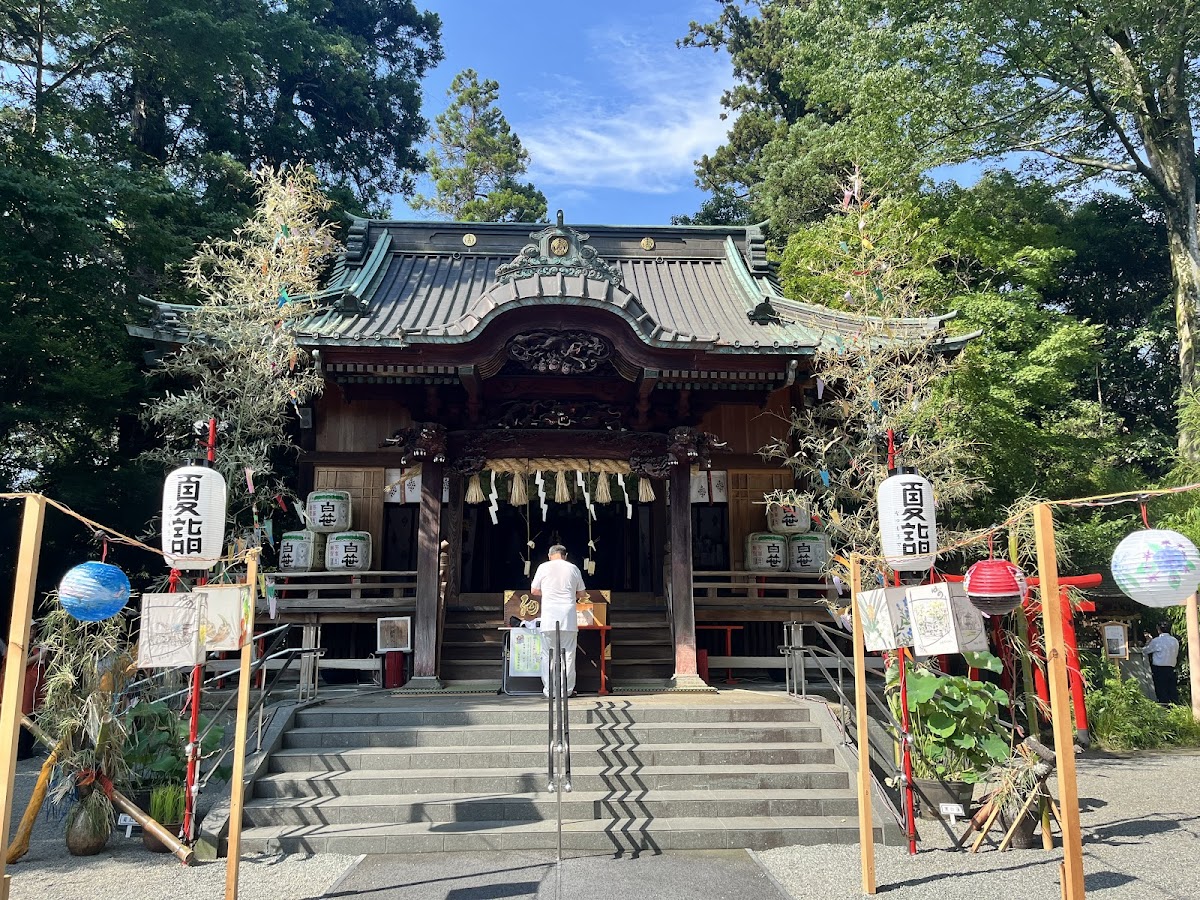
Shiroshio Inari Shrine, located in Imaiizumi, Hadano City, Kanagawa Prefecture, is known as one of the three great Inari shrines of the Kanto region. Within the shrine grounds is a rich springwater pond called “Ikkanda Springwater,” which serves as an important component of the “Hadano Basin Springwater Group,” one of Japan’s 100 Famous Waters, and is cherished by many visitors and water collection enthusiasts.
This article comprehensively covers everything you should know before visiting Shiroshio Inari Shrine’s springwater pond, from its historical background and water quality characteristics to water collection methods and nearby attractions.
Ikkanda Springwater | A Treasure of the Hadano Basin Springwater Group
Ikkanda Springwater is a natural springwater located in Ikkanda, Serizawa, Imaiizumi-cho, Hadano City. As the place name suggests, this land has been known since ancient times as a region blessed with abundant water.
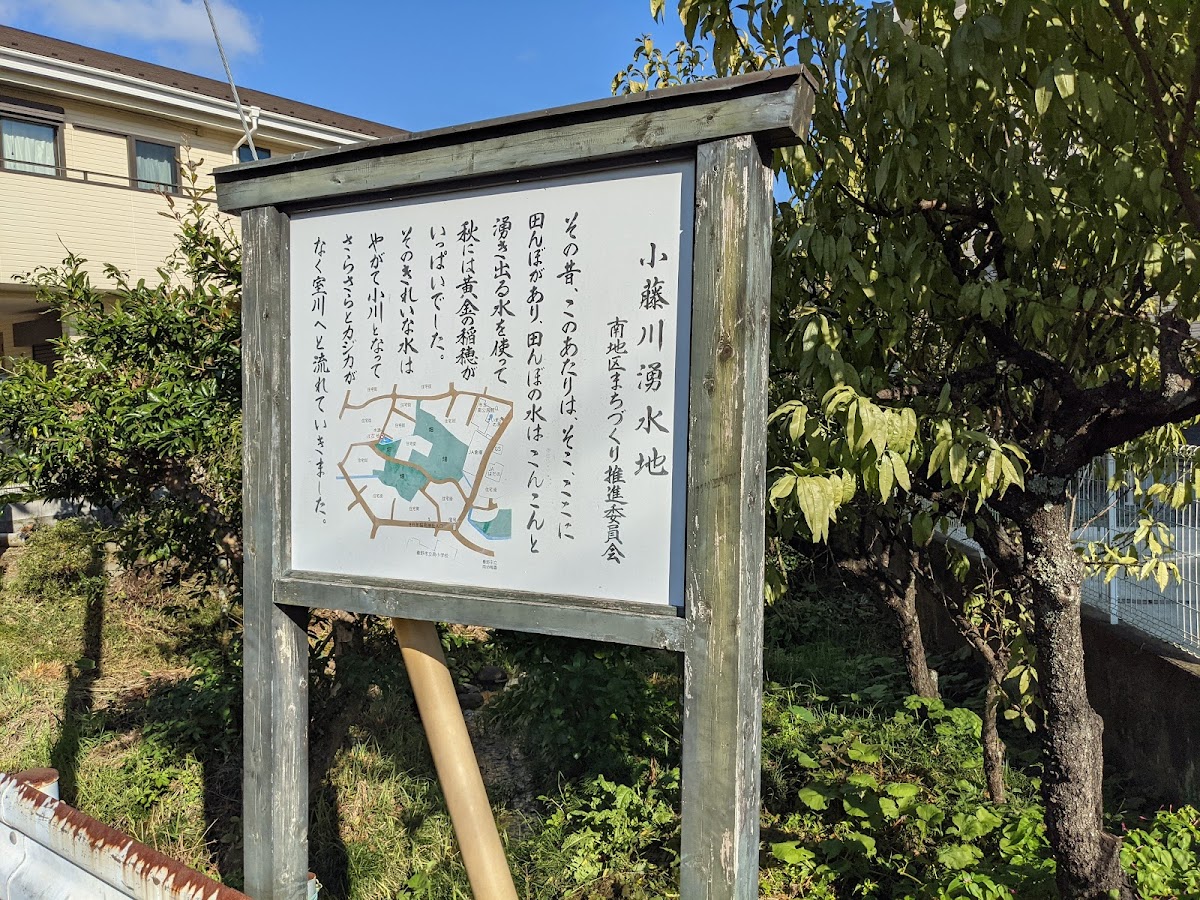
Part of the Hadano Basin Springwater Group
The Hadano Basin is a basin-shaped geography surrounded by the Tanzawa Mountains, where rainwater falling on the mountains infiltrates the ground and emerges at the basin’s periphery, creating a distinctive hydrological environment. Selected as Japan’s 100 Famous Waters by the Ministry of the Environment in 1985, the Hadano Basin Springwater Group comprises approximately 60 springwater points, with Ikkanda Springwater being one of the most abundant among them.
Abundant Water Volume of 5,000 to 7,000 Tons Daily
The Ikkanda district, where Shiroshio Inari Shrine is located, is blessed with abundant springwater of 5,000 to 7,000 tons daily. This volume is equivalent to the daily water usage of approximately 10,000 households and serves as an important water source for Hadano City. The clear water flowing through the shrine grounds has supported people’s lives since ancient times and made rice cultivation possible, serving as the water of life.
Water Quality Characteristics of the Springwater
Ikkanda Springwater possesses characteristics unique to natural water that has permeated through the Tanzawa geological strata over many years. It contains an appropriate amount of minerals such as calcium and magnesium, making it a soft to moderately hard water that is smooth and easy to drink. Notably, the nearby Tsurugashima Hot Spring is known for one of the world’s highest calcium content, reflecting the geological characteristics of this region.
The water temperature remains stable at approximately 15-17 degrees Celsius year-round, exhibiting the characteristic property of springwater where it feels cold in summer and warm in winter. This stable water temperature and abundant water volume maintain the rich natural environment within the shrine grounds.
History of Shiroshio Inari Shrine and Its Relationship with Springwater
Shiroshio Inari Shrine and Ikkanda Springwater have an inseparable deep relationship. The shrine’s founding and the existence of springwater convey ancient water-related beliefs to the present day.
Ancient Rice Farmers and Water Source Worship
For the ancient rice farmer populations who inhabited this land, water sources essential for rice paddy cultivation were literally the source of life itself. Recognizing the sacred in the “water source (minamoto)” that became the foundation of human survival and the source of clothing, food, and shelter, ancient people revered it as a place where gods dwell (shinamboi).
The origin of Shiroshio Inari Shrine lies in enshrining “Uka no Mitama,” the spirit of rice and grain that oversees the water necessary for rice cultivation. In other words, the existence of springwater was the fundamental reason for the shrine’s founding, with gratitude and reverence toward water forming the origin of its faith.
Edo Period Reconstruction and Changes in Names
In the early Edo period, the shrine used the characters “white reed (shiroshino).” In 1774, to clarify its origins and renew faith, the shrine was reconstructed through a transfer from Fushimi Inari Taisha in Kyoto. It is believed that the name was changed to the “Shiroshio” characters at this time.
Following its reconstruction, Shiroshio Inari Shrine became widely worshipped as one of the three great Inari shrines of the Kanto region and has welcomed many visitors alongside its abundant springwater.
Importance as a Water Source
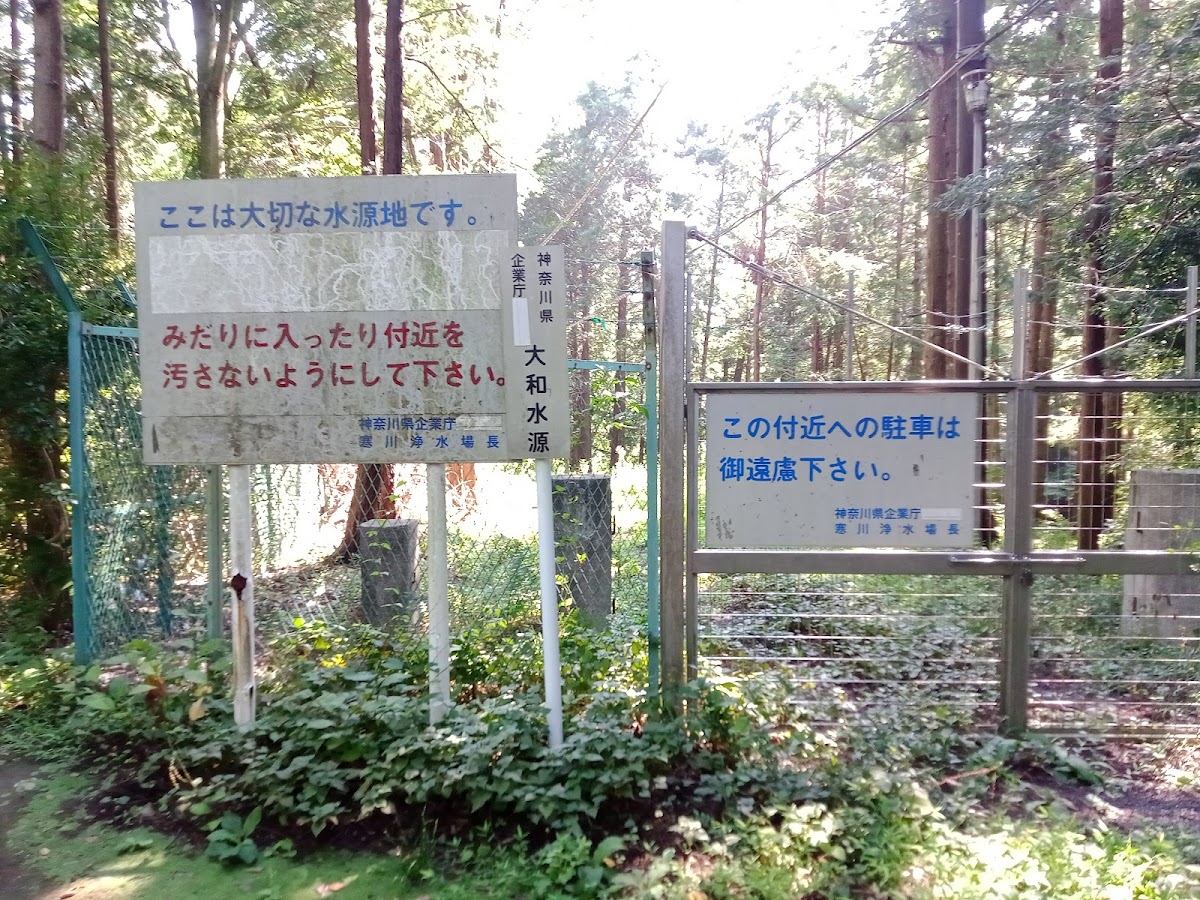
Following modernization in the Meiji period onward, Ikkanda Springwater was positioned as an important water source for Hadano City. Today, it continues to be utilized as part of Hadano City’s tap water source, and the springwater within the shrine grounds continues to support the lives of local residents.
The shrine grounds where pure water springs forth represent a truly “clean and spiritually pure place worthy of enshrining the gods,” maintaining unchanging value from ancient times to the present day.
Springwater Spot Pilgrimage Through the Shrine Grounds
Within Shiroshio Inari Shrine’s grounds, there are multiple springwater-related spots, each with its own characteristics and points of interest.
Temizusha (Water Purification Basin) Springwater
As you proceed along the approach path, the first thing you encounter is the temizusha. While many shrines use tap water, the temizusha at Shiroshio Inari Shrine carries Ikkanda Springwater, allowing visitors to purify themselves with natural springwater.
The water in this temizusha is potable, and many visitors bring plastic bottles to collect water. The cold, clear springwater has a subtle sweetness when tasted, embodying the spiritual purity befitting the shrine grounds.
The Golden Spring (Hikariomo Pond)
The most mystical spot within the shrine grounds is the “Golden Spring (Kogane no Izumi).” This pond is home to “Hikariomo,” a rare type of algae, and under the right conditions, the water surface appears to shimmer with golden light, attracting attention as a power spot for fortune in money.
Hikariomo can only grow in clean water environments like springwater and is a delicate organism. The sight of the pond’s water surface shimmering with golden light depending on the angle of sunlight and weather conditions is truly mystical and captivates many visitors. The late morning hours when slanting light filters through are said to be the best times to observe the golden shimmer.
Springwater Ponds and Water Channels
Within the grounds are multiple springwater ponds from which flowing water becomes a small stream that circulates through the grounds. In the transparent water, aquatic plants sway, and small fish can occasionally be spotted.
Near the spring outlet, you can observe water welling up, allowing you to experience firsthand the natural phenomenon of water emerging from underground. The surrounding area is enveloped in greenery, with the pleasant sound of running water creating a soothing space.
Water Collection Etiquette and Precautions
Shiroshio Inari Shrine permits visitors to collect and take home springwater. However, please observe the following etiquette:
- Complete your shrine visit before collecting water
- Use clean containers
- Avoid large-scale collection (consideration for other visitors)
- Do not dirty the shrine grounds
- Drink raw water at your own risk (boiling is recommended)
- Practice consideration during crowded times
Attractions at Shiroshio Inari Shrine
Beyond the springwater, Shiroshio Inari Shrine offers many other attractions.
Ceiling Paintings in the Main Hall
The ceiling of the main hall features paintings of dragons and treasures. These ceiling paintings are available for free viewing and express a unique worldview where Inari faith and water deity worship converge. In particular, the dragon painting symbolizes the nature of a water-governing deity and evokes a connection with the springwater.
Minami-Hadano Village Seven Deities Pilgrimage
Shiroshio Inari Shrine is one of the stops in the “Minami-Hadano Village Seven Deities Pilgrimage,” enshrining “Jurōjin,” the deity guarding people’s peace and health. Many visitors come as part of the seven deities pilgrimage tour, and collecting shrine stamps is also a popular activity.
Grand Festival and Annual Events
Throughout the year, various sacred events are held at Shiroshio Inari Shrine. The grand festival in particular is cherished as part of the region’s seasonal culture, drawing many visitors. Events such as the first horse festival and the festival of new rice, deeply connected to rice cultivation, continue to be preserved today.
Natural Environment of the Shrine Grounds
Nourished by abundant springwater, the shrine grounds are blessed with rich natural surroundings. Seasonal flowers and grasses, bird songs, organisms living in clear streams, and other features maintain a rich ecosystem despite proximity to urban areas.
Access Information
Detailed directions to Shiroshio Inari Shrine are provided below.
Public Transportation Access
By Odakyu Line
- Get off at “Hadano Station” on the Odakyu Odawara Line
- Board a Kanagawa Chuo Kotsu bus from the North Exit Bus Terminal
- Get off at “Shiroshio Inari Shrine Entrance” bus stop, approximately 3 minutes on foot
Bus frequency varies by time of day, so it is recommended to check the Kanagawa Chuo Kotsu website or timetable in advance. The bus ride takes approximately 15 minutes from Hadano Station.
On Foot
Walking from Hadano Station takes approximately 40 minutes. The distance is about 3.5 km with some uphill sections, so plan with sufficient time.
Access by Private Vehicle
By Tomei Expressway
- Approximately 15 minutes from Hadano-Nakai IC
- Approximately 30 minutes from Atsugi IC
By National Route 246
- Via Prefectural Route 62 (Hiratsuka-Hadano Line) from National Route 246
Parking Information
Free parking for visitors is available on the shrine grounds. However, during busy periods such as New Year visits or the grand festival, the lot may be full, so consider using public transportation.
Address and Basic Information
- Address: 1-3-5 Imaiizumi, Hadano City, Kanagawa Prefecture
- Phone: 0463-81-0256
- Visiting Hours: Shrine grounds open (Shrine office approximately 9:00 AM to 5:00 PM)
- Admission: Free
Nearby Tourist Attractions
Points of interest near Shiroshio Inari Shrine worth visiting are introduced below.
Other Springwater Sites in the Hadano Basin Springwater Group
Kobo’s Clear Water
A springwater with a legend that it emerged when Kobo Daishi struck it with his staff. Located within walking distance of Hadano Station, it is cherished by local residents.
Goraya-shiki Water
A springwater in the Imaiizumi district, said to be named after a place where incense burning once took place. It is a springwater spot known to local people.
Dômei Spring
One of the sources of the Konomegawa River, a springwater spot nestled in a quiet residential area. The highly transparent water forms a beautiful pond.
Tsurugashima Hot Spring
Located approximately 10 minutes by car from Shiroshio Inari Shrine, Tsurugashima Hot Spring is a famous bath boasting one of the world’s highest calcium content. Several day-use bathing facilities are available, and it is recommended to refresh yourself in the hot spring after your shrine visit.
Day-Use Natural Hot Spring Meisuihadano Fujimi no Yu
A day-use hot spring facility where you can enjoy both Hadano’s famous water and hot spring. Views of Mount Fuji can also be enjoyed.
Hadano & Yugawara Hot Spring Manyo no Yu
A large-scale day-use hot spring facility equipped with comprehensive bathing facilities and dining establishments.
Izumo Taisha Sagami Branch Shrine
A branch shrine of Izumo Taisha located within Hadano City. Enshrining Okuninushi no Kami, known as the deity of matchmaking, many people visit this shrine along with Shiroshio Inari Shrine.
Kobo Mountain Park
Known as a cherry blossom viewing spot, Kobo Mountain Park is also popular as a hiking course. In spring, approximately 2,000 cherry trees bloom, and the observation deck, selected as one of Kanto’s 100 Scenic Spots for Fuji Views, offers panoramic views of Mount Fuji and Sagami Bay.
Tanzawa and Oyama Areas
Shiroshio Inari Shrine is located at the base of the Tanzawa Mountains, and many hikers stop by before and after climbing.
Oyama Afuri Shrine
An ancient shrine enshrined at the summit of Mount Oyama at 1,252 meters elevation. A cable car can take you to the lower shrine at mid-slope.
Yabitsu Pass
A popular hillclimb course among cycling enthusiasts and also known as a starting point for mountain climbing.
Seasonal Enjoyment
Shiroshio Inari Shrine and Ikkanda Springwater present different faces in each of the four seasons.
Spring (March to May)
A season when cherry blossoms and fresh greenery within the shrine grounds are beautiful. The difference between the springwater temperature and air temperature may cause morning mist to rise, creating a mystical atmosphere. Spring festivals such as the first horse festival are also held.
Summer (June to August)
A season when the cold springwater is particularly pleasant. The densely green shrine grounds provide cool shade, allowing visitors to forget the heat of the city. Hikariomo also actively emits light during this period.
Autumn (September to November)
A season when the foliage within the shrine grounds turns beautiful colors. Autumn festivals and thanksgiving festivals for the harvest are held, allowing you to sense the shrine’s essential connection to rice cultivation culture.
Winter (December to February)
A season when you can visit in solitude with fewer visitors, taking your time with your shrine visit. The springwater never freezes in winter, maintaining a water temperature that even feels warm. The New Year visit period draws many visitors.
Efforts to Preserve Springwater
Various conservation activities are carried out to protect the Hadano Basin Springwater Group and Ikkanda Springwater.
Hadano City’s Initiatives
Hadano City has enacted the “Hadano City Groundwater Conservation Ordinance,” promoting appropriate use and recharge of groundwater. Additionally, it implements environmental conservation activities such as the “Hadano Minogawai Clean Campaign” together with citizens.
Conservation Activities by Local Residents
Local neighborhood associations and environmental conservation organizations regularly conduct cleaning activities around springwater sites and water quality surveys. Efforts continue to pass down clean water to future generations.
What Visitors Can Do
- Always take trash with you
- Do not throw objects into springwater or ponds
- Do not wash items using detergent
- Use water carefully
- Respect the natural environment
These small considerations contribute to protecting the beautiful springwater environment.
Shrine Visiting Etiquette and Blessings
A summary of basic shrine visiting etiquette and blessings when visiting Shiroshio Inari Shrine.
Shrine Visiting Etiquette
- Bow once before passing through the torii gate
- Purify yourself at the temizusha (left hand → right hand → mouth → left hand)
- Avoid walking in the center of the approach path
- Place a coin offering at the main hall
- Perform the two bows, two claps, one bow ritual
- View the springwater and ceiling paintings within the grounds
- Bow once more at the torii gate upon leaving
Blessings
- Abundant Harvests: The original blessing of Inari shrines
- Prosperous Business: Rice spirit is also worshipped as a deity of commerce
- Family Safety and Health: As a deity protecting water, the foundation of life
- Long Life and Health: Due to the enshrined Jurōjin
- Increased Fortune: Related to the Hikariomo of the Golden Spring
Shrine Stamps and Amulets
The shrine office issues shrine stamps and amulets. Particularly popular are water-related amulets and stamps from this one of the three great Kanto Inari shrines.
Conclusion | A Sacred Place Where Water and Faith Intertwine
Shiroshio Inari Shrine Springwater Pond (Ikkanda Springwater) is a representative springwater site in the Hadano Basin Springwater Group, one of Japan’s 100 Famous Waters, located within the shrine grounds of Shiroshio Inari Shrine, one of the three great Inari shrines of the Kanto region.
With its abundant daily water volume of 5,000 to 7,000 tons, clear and delicious water quality, and faith in water continuing from ancient times, it can be considered Kanagawa Prefecture’s premier water power spot.
Through experiences such as touching natural springwater at the shrine’s temizusha, being enchanted by the mystical shimmer of the Golden Spring, and listening to the sound of welling spring water, you can renew your appreciation for water’s importance and gratitude toward nature.
With easy access via bus from Odakyu Line’s Hadano Station, and nearby access to hot spring facilities, other springwater spots, and the nature of Tanzawa and Oyama, it is ideal for day-trip tourism.
Please experience firsthand the unique atmosphere created by clear springwater and this historically significant shrine. Ikkanda Springwater, continuing to spring forth unchanged from ancient times to the present, will surely teach us the preciousness of water’s blessings.