Complete Guide to Sekiguchi Basho-an | Exploring Historic Sites and Spring-Fed Garden Associated with Matsuo Basho
Sekiguchi Basho-an, located in Sekiguchi, Bunkyo Ward, Tokyo, is a precious historic site known as the place where Matsuo Basho, a representative haiku poet of the Edo period, lived. This location, which conveys the footprints of Basho in the Edo period who was involved in the renovation work of the Kanda Aqueduct, offers a serene space that makes visitors forget the hustle and bustle of the city, together with a beautiful Japanese garden that makes use of spring water.
This article provides comprehensive information about everything you should know before visiting, from the historical background of Sekiguchi Basho-an to the highlights of the garden, access methods, and surrounding tourist spots.
What is Sekiguchi Basho-an | Historical Background of Matsuo Basho’s Residence
The Connection Between Matsuo Basho and the Sekiguchi Area
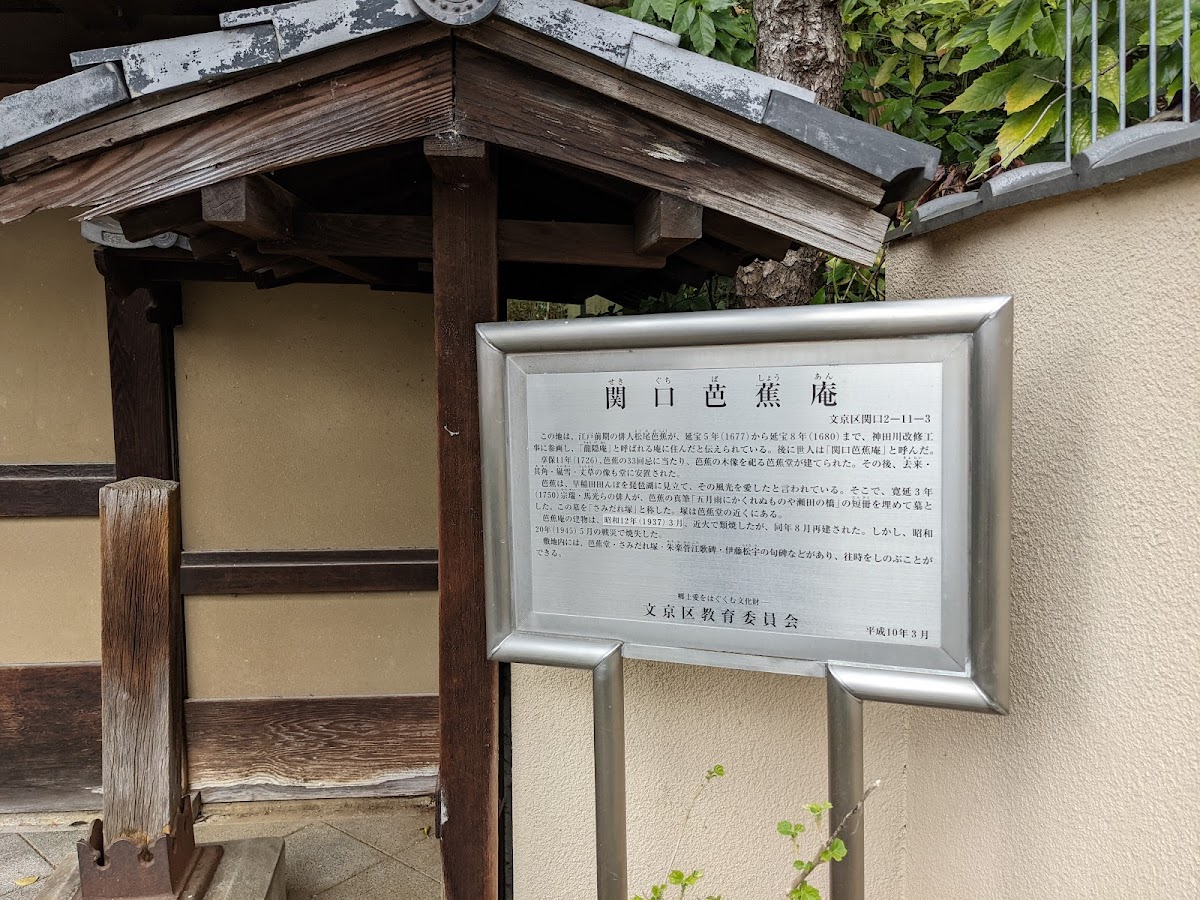
Sekiguchi Basho-an is a historic site that derives from the fact that Matsuo Basho (1644–1694) lived in this Sekiguchi area for three years from 1677 to 1680 (Enpo 5 to Enpo 8). After Basho’s second arrival in Edo, he engaged in important activities in this area.
At that time, the Tōdō clan, who were Basho’s former patrons, undertook large-scale renovation work on the Kanda Aqueduct, and Basho is said to have been involved in this renovation work as a technician. The Kanda Aqueduct was an important water supply facility for Edo, and its management and maintenance were crucial to supporting Edo’s urban life.
Life at the Water-Guarding Hut “Ryūin-an”
The building where Basho actually lived was a water-guarding hut near the Kanda Aqueduct construction site, or what is said to have been called “Ryūin-an.” A water-guarding hut was a facility where sentries who managed the aqueduct and monitored water levels were stationed, and Basho lived in this place, combining his duties as a construction supervisor with his residence.
This period was an important time when Basho embarked on the path of a haiku poet in earnest, and the three years in Sekiguchi became a precious training period in the establishment of his haiku style. The murmuring of the Kandagawa River and the verdant natural environment are believed to have exerted a great influence on the formation of Basho’s later views of nature and aesthetic sensibility.
The Origin and Changes of the Name “Basho-an”
After Basho left this area, his disciples and haiku enthusiasts who admired him built a hermitage called “Ryūin-an” at the place where Basho had lived. This later came to be called “Basho-an” and was cherished as a sacred place to honor Basho.
However, this building repeated cycles of destruction by fire and reconstruction from the Edo period through the Meiji, Taisho, and Showa periods. In particular, it was completely destroyed by the fires of World War II. The current building was reconstructed after the war, incorporating architectural styles that evoke Basho’s era, though it was constructed using modern techniques.
Highlights of Sekiguchi Basho-an | The Appeal of the Garden and Architecture
The Beauty of the Pond and Strolling Garden
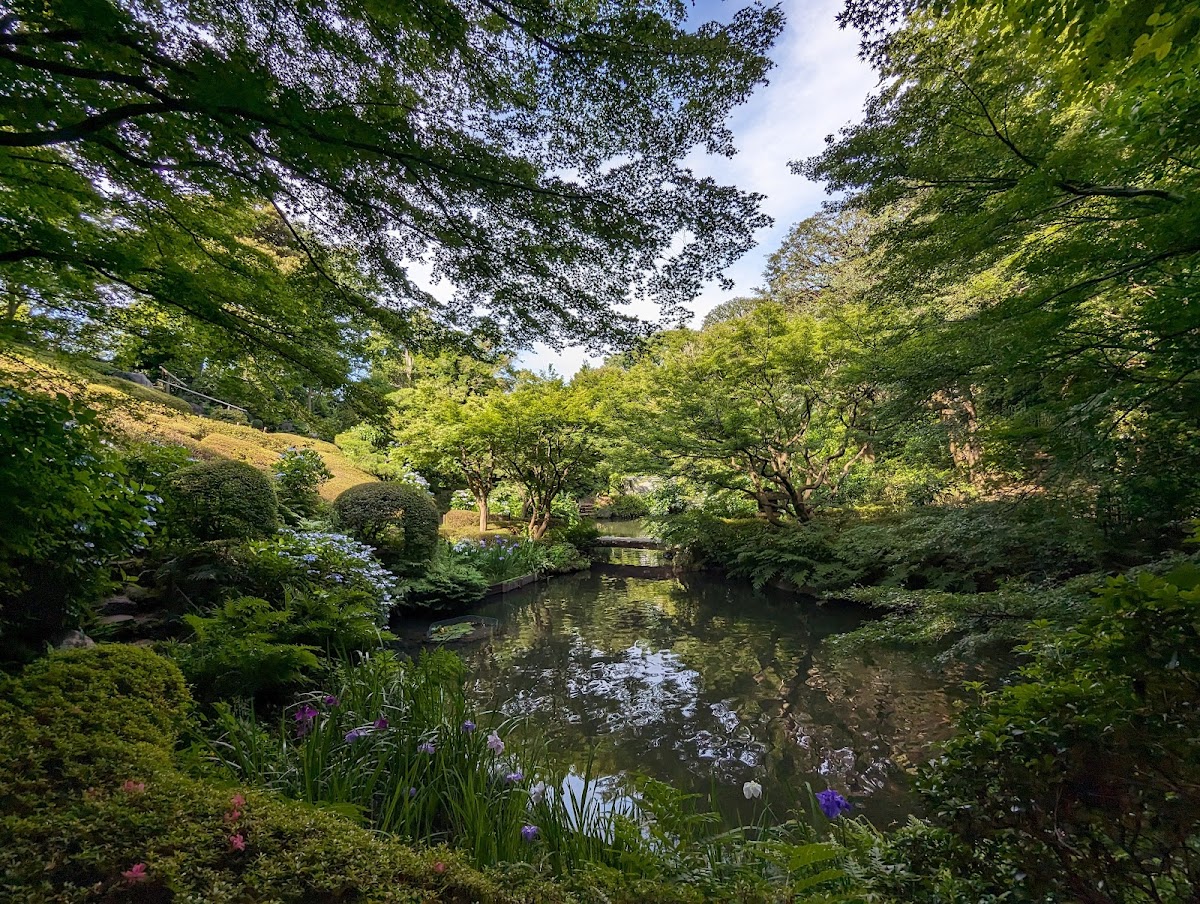
The greatest appeal of Sekiguchi Basho-an is its pond and strolling garden that makes use of spring water. This garden is designed to retain the appearance of the Meiji era, and the garden path uses natural stones from the time of its creation.
The central pond, named Hyōtan-ike (Gourd-shaped Pond), maintains clear water at all times thanks to spring water. The walking path that circles the pond, in harmony with plants that change with the seasons, presents different aspects depending on when one visits.
Spring brings cherry blossoms and fresh greenery, summer deep green, autumn colored leaves, and winter snow scenes—one can experience the passage of seasons unique to Japanese gardens. Particularly after rain, the garden stands out with the sound of spring water and vibrant greenery, offering the perfect opportunity to experience the natural elegance that Basho loved.
Spring Water Selected as One of Tokyo’s 57 Famous Springs
Sekiguchi Basho-an is designated as one of “Tokyo’s 57 Famous Springs” and is known as a precious spring water spot in the metropolis. Water gushing from a cliff about 15 meters high flows into stone basins and then into the Hyōtan-ike pond.
This spring water is groundwater from the Musashino Plateau appearing at ground level, maintains stable temperature year-round, and preserves clear water quality. That this spring water continues to flow without drying up even as urbanization progresses is evidence that the region’s water environment has been relatively well maintained.
The sound of the spring water brings a quiet atmosphere to the entire garden, offering healing to visitors. When Basho lived in the water-guarding hut, he may have composed haiku while listening to this spring water sound.
The Basho Hall and Stone Monuments with Verses
Within the garden stands a building called the Basho Hall, where a wooden statue of Matsuo Basho is enshrined. This hall has become a place of reverence for those who honor Basho and is one of the pilgrimage sites for haiku enthusiasts and literary fans.
Multiple verse monuments are scattered throughout the grounds, with famous verses by Basho and verses by later haiku poets who admired him carved into them. By strolling while visiting these stone monuments, one can touch Basho’s literary world and the haiku culture of the Edo period.
Particularly, the Basho Mound is a memorial built to honor Basho’s legacy and is an important historical structure that tells the history of Basho veneration continuing from the Edo period. Searching for these literary monuments while strolling through the garden is one of the unique pleasures of visiting Sekiguchi Basho-an.
Seasonal Plantings and Landscapes
The garden at Sekiguchi Basho-an is carefully designed with plantings arranged to provide different beauty throughout the year.
Spring (March to May)
Cherry blossoms bloom splendidly and fresh greenery sprouts. Cherry blossoms reflected on the surface of the Hyōtan-ike pond have a poetic quality, attracting many photography enthusiasts.
Summer (June to August)
The garden wrapped in deep green offers a coolness unimaginable in the heart of the city. The sound of spring water feels even more pleasant. The green dampened by monsoon rains is also beautiful, evoking the natural scenery described in Basho’s verses.
Autumn (September to November)
Autumn leaves color the garden—the most popular season. Maples and ginkgos change color, and the autumn leaves reflected in the Hyōtan-ike pond are spectacular.
Winter (December to February)
The snow-covered garden is enveloped in silence, with a beauty like an ink wash painting. The winter-barren landscape also conveys the wabi and sabi unique to Japanese gardens.
Access and Basic Information | How to Reach Sekiguchi Basho-an
Access by Train
Sekiguchi Basho-an is accessible from multiple train lines.
From Tokyo Metro Marunouchi Line “Edogawabashi Station”
- About 11 minutes on foot from Exit 1b
- The route along the Kandagawa River heading upstream is easy to follow
From Arakawa Tram Line “Waseda Station”
- About 5 minutes on foot heading east
- The closest station with convenient access
From Tokyo Metro Tozai Line “Waseda Station”
- About 10 minutes on foot from Exit 3a
From Tokyo Metro Fukutoshin Line “Zoshigaya Station”
- About 15 minutes on foot
Opening Hours and Closure Days
Opening Hours
- 9:00 AM to 5:00 PM (Admission until 4:30 PM)
Closure Days
- December 29 to January 3 (Year-end and New Year holidays)
- Other temporary closures as needed
Admission Fee
- Free (Garden strolling is open to the public)
Address and Contact Information
Address
2-11-3 Sekiguchi, Bunkyo Ward, Tokyo 112-0014
Inquiries
Bunkyo Ward Board of Education or Bunkyo Ward Tourism Association
Parking Information
Sekiguchi Basho-an does not have dedicated parking. Those arriving by car need to use nearby coin parking. However, since the area is a residential neighborhood with limited parking, using public transportation is strongly recommended.
Tourist Spots Around Sekiguchi Basho-an
Edogawa Park
Within walking distance of Sekiguchi Basho-an, Edogawa Park spreads along the Kandagawa River with beautiful scenery. Known as a cherry blossom spot, it attracts many visitors during spring. Visiting together with Sekiguchi Basho-an allows you to enjoy a satisfying half-day walking course.
Tokyo Cathedral of St. Mary
About 10 minutes on foot from Sekiguchi Basho-an, this masterpiece of modern architecture was designed by Kenzo Tange. Viewing this Western religious architecture in contrast with Basho-an, a cultural heritage of Japanese tradition, allows one to appreciate cultural diversity.
Higo Hosokawa Garden
A Japanese garden created at the site of the former secondary residence of the Hosokawa clan of the former Kumamoto domain. Like Sekiguchi Basho-an, it is a spring-fed garden and preserves the atmosphere of an Edo period daimyo garden. Located about 15 minutes on foot, it is particularly recommended for those who enjoy garden appreciation.
Gokoku-ji Temple
Located several stations away via the Arakawa Tram Line, this is a prestigious temple founded at the behest of Keishōin, mother of Tokugawa Tsunayoshi. With Edo-period architecture remaining, it is a precious cultural property and a spot worth adding to your historic tour route.
Walking Path Along the Kandagawa River
The area around Sekiguchi Basho-an along the Kandagawa River is maintained as a walking path where one can enjoy nature’s seasonal changes. Walking leisurely along the river while appreciating the history of the Kanda Aqueduct that Basho was involved in renovating has its own charm.
Points to Enjoy Sekiguchi Basho-an
Ideal Times to Visit
Sekiguchi Basho-an can be visited year-round, but the following times are particularly recommended.
Autumn Foliage Season (mid-November to early December)
The most popular time, with autumn leaves reflected in the Hyōtan-ike pond being a must-see. However, it may be crowded, so visiting on a weekday morning is recommended.
Cherry Blossom Season (late March to early April)
Cherry blossoms and fresh greenery are beautiful, allowing one to feel the arrival of spring. Can be enjoyed together with cherry blossoms at Edogawa Park.
Rainy Season (June)
Wet greenery is beautiful, allowing one to experience the atmosphere described in Basho’s verses. Fewer visitors allow for peaceful garden appreciation.
Photography Tips
Sekiguchi Basho-an is suitable for photography, but keep the following in mind.
- Using reflections in the Hyōtan-ike pond in composition is recommended
- Soft light in early morning and evening produces beautiful photographs
- Just after rain, increased spring water flow creates dynamic photographs
- Use of tripods should consider other visitors’ comfort
- Respect the serene atmosphere of the garden and photograph quietly
Estimated Time Required
Since the garden at Sekiguchi Basho-an is not very large, even careful viewing takes about 30 minutes to an hour. However, if you want to read each verse monument and spend time leisurely in the garden, allow about an hour and a half.
If visiting together with nearby Edogawa Park or Higo Hosokawa Garden, it is recommended to allocate about half a day.
Etiquette and Precautions
Sekiguchi Basho-an is a cultural property in a quiet residential neighborhood. Please observe the following etiquette when visiting.
- Keep quiet in the garden and refrain from loud conversation
- Do not touch plants or stone monuments, or damage them
- Always take trash with you
- Smoking is prohibited
- Check in advance regarding pet accompaniment
- Show consideration so as not to disturb nearby residents
Matsuo Basho and the World of Haiku
Basho’s Life and Path to Haiku
Matsuo Basho (1644–1694) was a representative haiku poet of the Edo period. Born in Iga Province (present-day Mie Prefecture), he became familiar with haiku from a young age. Moving to Edo, he began activities as a haiku poet and established his unique haiku style called “Shōfū” (Basho’s style).
The three years in Sekiguchi correspond to when Basho was in his early thirties, a crucial period in establishing his foundation as a haiku poet. The experience of engaging in practical work on the Kanda Aqueduct renovation while facing nature and pursuing haiku practice led to later works like “Oku no Hosomichi” (Narrow Road to the Deep North).
Basho’s Haiku Activities During the Sekiguchi Period
During his residence in Sekiguchi, Basho gradually increased his reputation as a haiku poet. The natural environment—the murmur of the Kandagawa River, the sound of spring water, and the passage of the seasons—provided an ideal place to refine his sensibility.
During this period, Basho had not yet reached the refined state of “wabi and sabi” that characterized his later work, but through nature observation, he cultivated an attitude of pursuing the essence of haiku.
Representative Verses Left by Basho
Basho’s representative verses include the following.
“Furuikeyaya / Kawazutobikomu / Mizu no oto” (Old pond / A frog jumps in / Sound of water)
“Shizukasaya / Iwaninshiiru / Semi no koe” (Quietness / Soaking into the rocks / A cicada’s voice)
“Samidarewo / Atsumete hayashi / Mogamigawa” (Gathering spring rains / Swift flows / The Mogami River)
These verses reveal Basho’s keen observational eye that captures an instant of nature and his unique sensibility that discovers movement within silence. It is certain that the days in Sekiguchi contributed to the formation of such aesthetic consciousness.
The Kanda Aqueduct and Edo’s Water System
History and Role of the Kanda Aqueduct
The Kanda Aqueduct was one of the main water supply systems of Edo, established in the early Edo period. Using the Inokashira Pond as its water source and utilizing the flow of the Kandagawa River, it was an important infrastructure that supplied drinking water to central Edo.
When Tokugawa Ieyasu established the shogunate in Edo, securing drinking water became an urgent issue as Edo’s population increased. The Kanda Aqueduct was then established to deliver clean water to Edo Castle, samurai residences, and merchant areas.
Renovation Work During the Enpo Period and Basho’s Role
Around 1677 (Enpo 5), when Basho was living in Sekiguchi, large-scale renovation work on the Kanda Aqueduct was undertaken by the Tōdō clan. This work aimed to expand water channels, strengthen embankments, and improve water quality management.
Basho is said to have been involved in this renovation work as a technician or supervisor through his connection as a former patron of the Tōdō clan. Life in the water-guarding hut involved practical duties in managing the aqueduct, not merely residence.
For Basho, this experience meant pursuing the path of haiku while engaging in work that supported Edo’s urban infrastructure—a dual life. This balance between practical work and art is believed to have influenced Basho’s later worldview and literary works.
Remnants of the Kanda Aqueduct in Modern Times
Today, much of the Kanda Aqueduct has been converted to underground channels or repurposed, but places retaining traces of the past remain around Sekiguchi Basho-an. The Ōaraizerki (Great Washing Weir), built as a water intake facility for the Kanda Aqueduct in the Edo period, remains on the Kandagawa River.
When visiting Sekiguchi Basho-an, taking a walk along the nearby Kandagawa River and searching for traces of the Edo-period water system offers an interesting experience.
Cultural Properties and Historic Walking in Bunkyo Ward
Historical Characteristics of Bunkyo Ward
Bunkyo Ward has been a region with many samurai residences and temples since the Edo period and developed as an education district. After the Meiji period, many literary figures and scholars established residences here, cultivating a cultural atmosphere as “Bunkyo” (the capital of literature).
Sekiguchi Basho-an is one of its representative cultural properties and has become a spot symbolizing the history and culture of Bunkyo Ward.
Other Sites in Bunkyo Ward Connected to Basho
Within Bunkyo Ward, there are several sites connected to Basho beyond Sekiguchi Basho-an. Basho stayed in Edo multiple times during his lifetime and left footprints in various places.
Those who enjoy literary walks or historic exploration might consider tracing the “Way of Basho,” visiting these sites.
Garden Tour in Bunkyo Ward
In addition to Sekiguchi Basho-an, Bunkyo Ward has several remaining Edo-period daimyo gardens including Higo Hosokawa Garden, Rikugien, and Koishikawa Korakuen. A garden tour visiting these is a precious opportunity to experience Edo-period garden design techniques and aesthetic sensibility.
By organizing a course to visit these gardens in a day, one can fully appreciate the cultural appeal of Bunkyo Ward.
Prerequisite Knowledge for Deeply Enjoying Sekiguchi Basho-an
What is a Pond and Strolling Garden?
The pond and strolling garden style is one of the Japanese garden styles that developed in the Edo period. It is designed with a pond at the center and pathways circling it, allowing visitors to enjoy various perspectives while walking.
The garden at Sekiguchi Basho-an is also arranged with the Hyōtan-ike pond at its center and walking paths circling it, with different scenery unfolding with each step. This experience of “appreciating while moving” is the essence of the pond and strolling garden style.
Basic Knowledge of Haiku
Having basic knowledge of haiku allows for deeper enjoyment when visiting Sekiguchi Basho-an.
Haiku is a traditional Japanese poem consisting of 17 syllables in a 5-7-5 pattern and fundamentally includes a seasonal reference. Basho advocated “Fueki Ryūkō” (unchanging essence and changing form), pursuing the coexistence of unchanging essence and timely novelty.
With this knowledge, reading the verses on the monuments in the garden allows for a deeper understanding of the meaning and imagery in the poems.
Basho Works to Read Before Visiting
Reading Basho’s representative works before visiting Sekiguchi Basho-an makes for a more poignant experience.
“Oku no Hosomichi” (Narrow Road to the Deep North)
Basho’s most famous travel narrative. A record of travels through Tohoku and Hokuriku regions, it is a masterpiece fusing haiku composed at various locations with travel writing.
“Nozarashi Kikō” (Records of Exposure in the Fields)
Basho’s early travel narrative. The relationship between travel and haiku is strongly evident.
By reading these works, one can understand Basho’s worldview and views on nature, and imagine what significance his days in Sekiguchi held.
Summary | The Appeal and Significance of Visiting Sekiguchi Basho-an
Sekiguchi Basho-an is both a precious historic site where Matsuo Basho, the great haiku poet of the Edo period, spent his youth and a hidden gem where one can enjoy the beauty of a serene Japanese garden in the heart of the city.
The footprints of Basho who walked the path of haiku while working on the Kanda Aqueduct renovations, the beautiful pond and strolling garden nurtured by spring water, the passage of nature through the seasons, and the literary tradition continuing from the Edo period—all of these form the multilayered appeal of Sekiguchi Basho-an.
Leaving behind the noise of modern life, listening to the sound of spring water that Basho must have heard, and viewing the same scenery—such a time-traveling experience is the greatest appeal of Sekiguchi Basho-an.
Sekiguchi Basho-an, which can be visited free of charge and enjoyed for various purposes including literary walks, garden tours, historical exploration, and photography, is easily accessible from Tokyo Metro Marunouchi Line Edogawabashi Station and Arakawa Tram Line Waseda Station. When visited together with nearby Edogawa Park and Higo Hosokawa Garden, one can enjoy enriched Bunkyo Ward exploration.
Why not visit Sekiguchi Basho-an on your next day off and spend a luxurious time touching Japanese traditional culture in the silence and nature that Basho loved?