Complete Guide to Ozawa Waterfall (Mito City, Ibaraki)|How to Get to a Hidden Spring Water Spot and What to See
Located in the Sanomaru area in the center of Mito City, “Ozawa Waterfall” is a mysterious spot that, contrary to its name, has no waterfall. However, what captivates visitors is the transparent spring water that wells up in a pond, large carp swimming leisurely there, and the quiet space surrounded by bamboo groves. This article provides a thorough explanation of the charm of this hidden gem and how to visit it.
What is Ozawa Waterfall? The Origin of Its Name and Historical Background
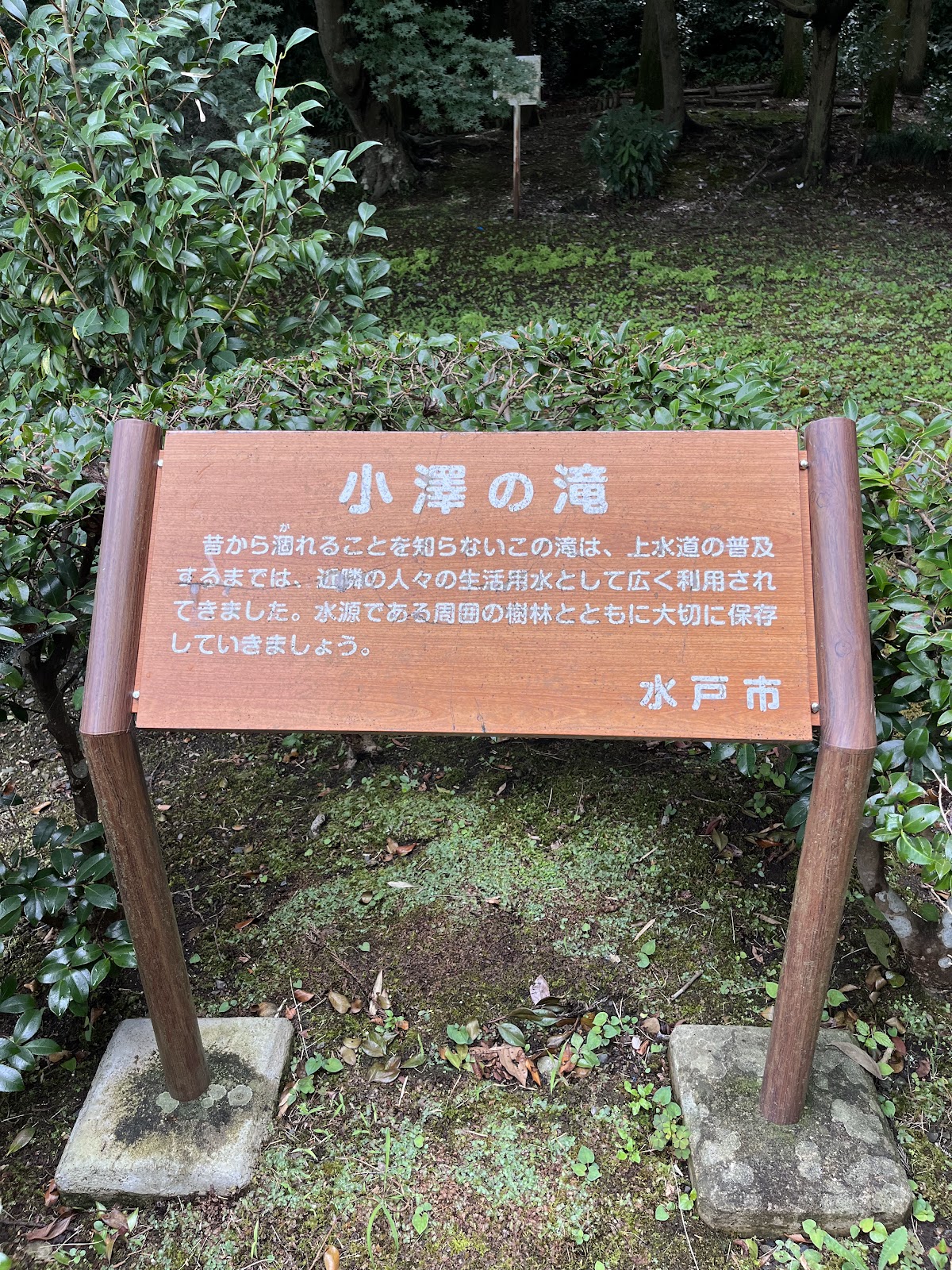
When people hear the name “Ozawa Waterfall,” most imagine a waterfall cascading down. However, there is currently no waterfall at this location. It is said that long ago, there was a small waterfall here where spring water flowed down from a cliff, and the name “Ozawa Waterfall” remains as a remnant of that past.
Sanomaru in Mito City was once located in the outer perimeter of Mito Castle, and was an area lined with samurai residences. This area is positioned at the edge of a plateau and geographically has an environment where spring water easily emerges. The Ozawa Waterfall area was also a place utilizing such natural spring water and has been familiar to local people since ancient times.
Currently, it functions as a small developed park and is a place of relaxation for Mito citizens. Despite being in the city, it is characterized by maintaining a quietness as if time had stopped.
The Greatest Charm of Ozawa Waterfall | Transparent Spring Water and a Pond Where Carp Swim
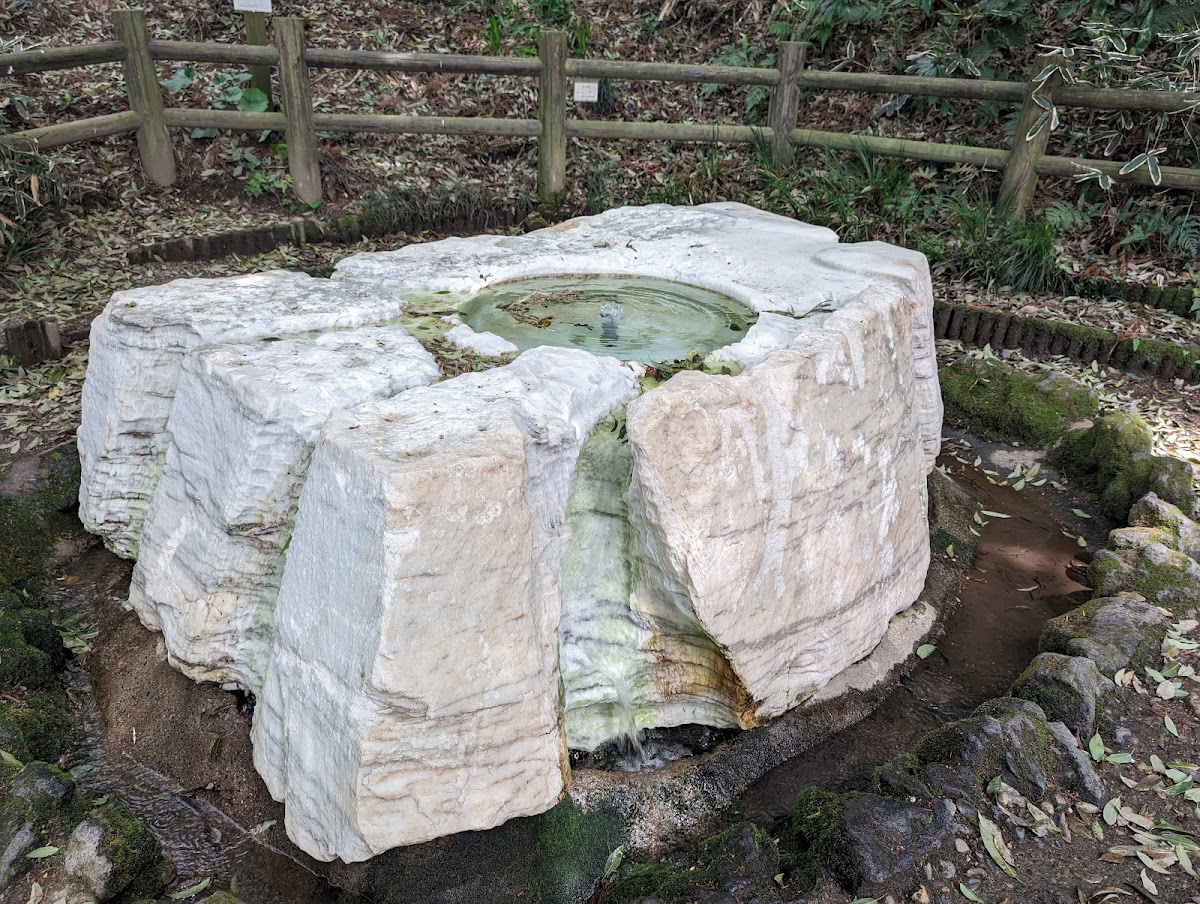
The primary reason to visit Ozawa Waterfall is the beautiful pond created by clear spring water. This pond is constantly filled with water welling up from underground, and its high transparency is astonishing.
Characteristics of Spring Water
Ibaraki Prefecture is known nationwide for its abundance of spring water, and Ozawa Waterfall benefits from this. This spring water maintains a nearly constant water temperature throughout the year—it feels cold in summer and relatively warm in winter. The water quality is also good, with high transparency, allowing you to see clearly all the way to the bottom of the pond.
Large Carp Swimming in the Pond
The pond is home to several large carp that can be observed swimming at a leisurely pace. These carp have been raised in this pond for many years, and some individuals exceed 50 centimeters in length. The colors of the carp are beautiful, and watching red-and-white and golden carp swim through the transparent water provides healing to visitors.
Taking time to gaze at carp swimming gracefully while removed from the hustle and bustle of the city is a luxurious moment that allows you to forget the stress of daily life.
Through the Bamboo Forest Path | How to Access Ozawa Waterfall
Although Ozawa Waterfall is located in Mito city, it is known as an extremely hard-to-find place. However, because of this, you can visit it with a sense of “treasure hunting,” and the joy of discovery is all the greater.
Detailed Directions
Address: Around Sanomaru, Mito City, Ibaraki (near Tobu-kan)
To reach Ozawa Waterfall, it is easiest to use Tobu-kan (a martial arts hall) in Mito’s Sanomaru as a landmark. Near Tobu-kan, there is a cliff, and Ozawa Waterfall park is located at the lower part.
There are almost no signposts from the road, making it a hidden spot unknown even to many local residents. The surrounding area is a mix of residential areas and parking lots, and you reach it by passing through narrow slopes and bamboo thickets.
The Charm of the Bamboo Forest Slope
When accessing Ozawa Waterfall, most visitors pass through a narrow slope surrounded by bamboo groves. This slope itself is one of the attractions, and the light filtering through the bamboo and the sound of bamboo leaves swaying in the wind create an atmosphere like an entrance to another world.
The slope is paved but has a somewhat steep incline, so visiting in easy-to-walk shoes is recommended. On rainy days, it becomes slippery, so special care is needed.
Parking
There is no dedicated parking for Ozawa Waterfall. The surrounding area is used as a parking lot for people working in the city, and street parking should be avoided. When visiting, it is recommended to use public transportation or paid parking in the nearby area.
It is approximately a 20-minute walk from JR Mito Station, and visiting while strolling through Mito city is also a good option.
Ozawa Waterfall as a Developed Park
Upon exiting the bamboo forest slope, a neatly developed small park appears. Although modest in size, it is well-maintained and you can feel the affection of local residents in this space.
Park Facilities and Features
Several benches are set up in the park where you can rest while gazing at the pond. The surroundings are covered in greenery, and the fresh green foliage is particularly beautiful from spring through summer, while autumn offers beautiful fall colors.
The park is located at the base of a cliff, so the temperature is lower than the surrounding area, making it relatively cool even in summer. This natural coolness is also one of Ozawa Waterfall’s charms.
How to Spend Time in a Quiet Space
Since Ozawa Waterfall has not been developed as a tourist destination, there are few visitors and you can spend time in quietness. You can read, sketch, meditate, or spend time as you wish.
Particularly on weekday mornings, there are few people and only the chirping of birds and the sound of water can be heard in this quiet space. It is an ideal spot when you want to escape the hustle and bustle of the city and calm your mind.
Points of Interest and Spots Around Ozawa Waterfall
When visiting Ozawa Waterfall, it is recommended to also explore the Sanomaru area of Mito City.
Mito Castle Ruins and Kōdōkan
Within walking distance of Ozawa Waterfall are historical sites such as Mito Castle ruins and Kōdōkan. Mito Castle was the castle of the Mito Tokugawa family, one of the Three Tokugawa Branch Families, and its main gate has been restored. Kōdōkan is known as one of Japan’s largest clan schools and is designated as a Special Historic Site of Japan.
Strolling Through Mito City
The Sanomaru area is an interesting zone where old streetscapes mix with new buildings. Strolling while sensing the region’s history on the way to Ozawa Waterfall is also one of the pleasures.
Precautions and Etiquette When Visiting
Ozawa Waterfall is a quiet place of relaxation beloved by local residents. When visiting, please note the following points.
Basic Etiquette
- Spend time quietly: As it is near residential areas, care must be taken not to speak loudly or make noise
- Take all trash with you: There are no trash cans in the park, so please take everything with you
- Feeding the carp: If not permitted, do not feed them
- Avoid entering private property: Since there are residences and parking lots nearby, avoid entering areas outside the park
Best Times and Hours to Visit
Ozawa Waterfall can be visited year-round, but the recommended periods are as follows:
- Spring (April–May): Fresh greenery is beautiful and the weather is mild, perfect for strolling
- Summer (June–August): The coolness of spring water is pleasant and can be enjoyed as a retreat from heat
- Autumn (October–November): Fall foliage is beautiful and the atmosphere becomes more calm
- Winter (December–February): Few visitors and the quietness stands out
Morning hours are especially recommended. There are few people and you can enjoy the spring water and carp in the fresh morning air.
Ozawa Waterfall and Other Spring Water and Waterfall Spots in Ibaraki Prefecture
In addition to Ozawa Waterfall, Ibaraki Prefecture has many spring water and waterfall spots.
Representative Waterfalls in Ibaraki Prefecture
Fukuroda Falls: Counted as one of Japan’s Three Most Famous Waterfalls, this is Ibaraki’s representative waterfall, boasting a grand scale with a drop of 120 meters and a width of 73 meters. Its appearance changes with the seasons, with autumn foliage and winter ice falls being particularly famous.
Tsukimachi Waterfall: A 17-meter waterfall in Daigo Town, popular as a “back-view waterfall” where you can walk behind the falling water.
Namaze Waterfall: One of the waterfalls representing the gorge beauty of Oku-Kuji and a spot with wonderful natural surroundings.
The Uniqueness of Ozawa Waterfall
Compared to these famous waterfalls, Ozawa Waterfall is small in scale and currently has no waterfall. However, its convenient location in Mito city, the beauty of its spring water, and most importantly, the special feeling as a “hidden place” become Ozawa Waterfall’s unique charm.
Ozawa Waterfall has its own value as a quiet, healing space rooted in the community, something that cannot be experienced at large tourist destinations.
The Joy of Discovering Ozawa Waterfall | A Treasure-Hunting Experience
One of the greatest charms of Ozawa Waterfall is its “difficulty of finding.” With no signposts from the road and unknown even to many local residents, the sense of accomplishment when discovering this place feels like finding treasure.
The Joy of Exploration
Even using digital tools like Google Maps, finding the exact entrance is not easy. Walking around the area, finding the path through the bamboo thicket, and reaching the quiet park beyond creates an emotion that is difficult to experience elsewhere.
This “process of searching” itself becomes the highlight of visiting Ozawa Waterfall, and in the age of social media, it has become a precious spot that has escaped excessive tourism, known only to those who know about it.
Photography Tips
Although a small spot, Ozawa Waterfall is attractive as a photography location.
Recommended Photography Points
- Pond and carp: Photographing carp swimming in transparent water from above captures the transparency of the water and the beauty of the carp’s colors
- Bamboo forest path: Photographing the slope from above or below creates a tunnel-like atmosphere of the bamboo grove
- Spring water outlet: Photographing the spot where water wells up in close-up captures the movement of the water
- Park overall: Capturing the entire quiet space at the base of the cliff conveys a hideaway-like atmosphere
Photography Precautions
- Since it is near residential areas, photography should be mindful of privacy
- If using a tripod, care should be taken not to obstruct passage
- When posting on social media, consider that specifying the location too precisely could lead to congestion
Coexistence with Residents | Sustainable Visiting
The area around Ozawa Waterfall is a place used daily by local residents. The bamboo path is also used as a passage to parking lots, and many people pass through.
As a visitor, it is important to understand that this place is not a tourist destination but part of the local community’s living space, and to behave with consideration for residents.
Visit quietly and leave quietly. Such considerate visiting contributes to preserving this precious space for the future.
Conclusion | Ozawa Waterfall is a Hidden Gem of Mito
Although Ozawa Waterfall contradicts its name by having no waterfall, it possesses rare charms: transparent spring water, carp swimming leisurely, and a quiet space surrounded by bamboo groves.
Located in a convenient city location while being hard to find, it has escaped excessive tourism and is preserved as a quiet healing space. The joy of treasure-hunting-like exploration, the happiness of discovery, and the luxury of spending quiet time—all of this makes Ozawa Waterfall special.
When visiting Mito, please try to seek out this gem-like hidden spot and spend a moment of peace in this small oasis within the city. It will surely become a special memory only for you.