Ochiai River and Minamisawa Spring Group Tokyo|Complete Guide to Tokyo’s Only Clear Stream Selected for the Heisei Top 100 Waters
The “Ochiai River and Minamisawa Spring Group” located in the central part of Higashikurume City, Tokyo, is a precious water environment that was uniquely selected in Tokyo by the Ministry of the Environment’s “Heisei Top 100 Waters” designated in June 2008. Despite being within just 20 km of the city center, the clear stream blessed with abundant spring water flowing through a residential area forms a natural landscape that can be said to be a miracle of Tokyo.
This article provides comprehensive information about the charm, history, nearby attractions, and access methods of the Ochiai River and Minamisawa Spring Group, all the information you should know before visiting.
What are the Ochiai River and Minamisawa Spring Group?
Reasons for Selection in the Heisei Top 100 Waters
There are several important factors behind the selection of the Ochiai River and Minamisawa Spring Group in the Heisei Top 100 Waters. The Ministry of the Environment selected carefully chosen waters from across the nation with the aim of further promoting water environment conservation, and among them, only the Ochiai River and Minamisawa Spring Group were selected from Tokyo.
The core of the selection reason lies in the abundant daily spring water flow of approximately 10,000 tons and the quality of that water. In Higashikurume City, which is particularly rich in spring water even within the Musashino Plateau, the Minamisawa area is a point where groundwater veins are concentrated, maintaining stable spring water year-round.
Furthermore, the selection was greatly supported by the appreciation of long-term water environment conservation activities by citizens and related parties. The history of residents taking the initiative in cleaning activities and water quality conservation has continued to protect this famous water.
Geographical Characteristics of Ochiai River
The Ochiai River is a first-class river that is completed within Higashikurume City. Taking spring water from near Hachiman-cho in the city as its source, it adds spring water from the Minamisawa Spring Group and Chikurin Park, and the distance until it joins the Kurome River is only about 3.4 kilometers. Despite its short course, its water volume and quality are unparalleled.
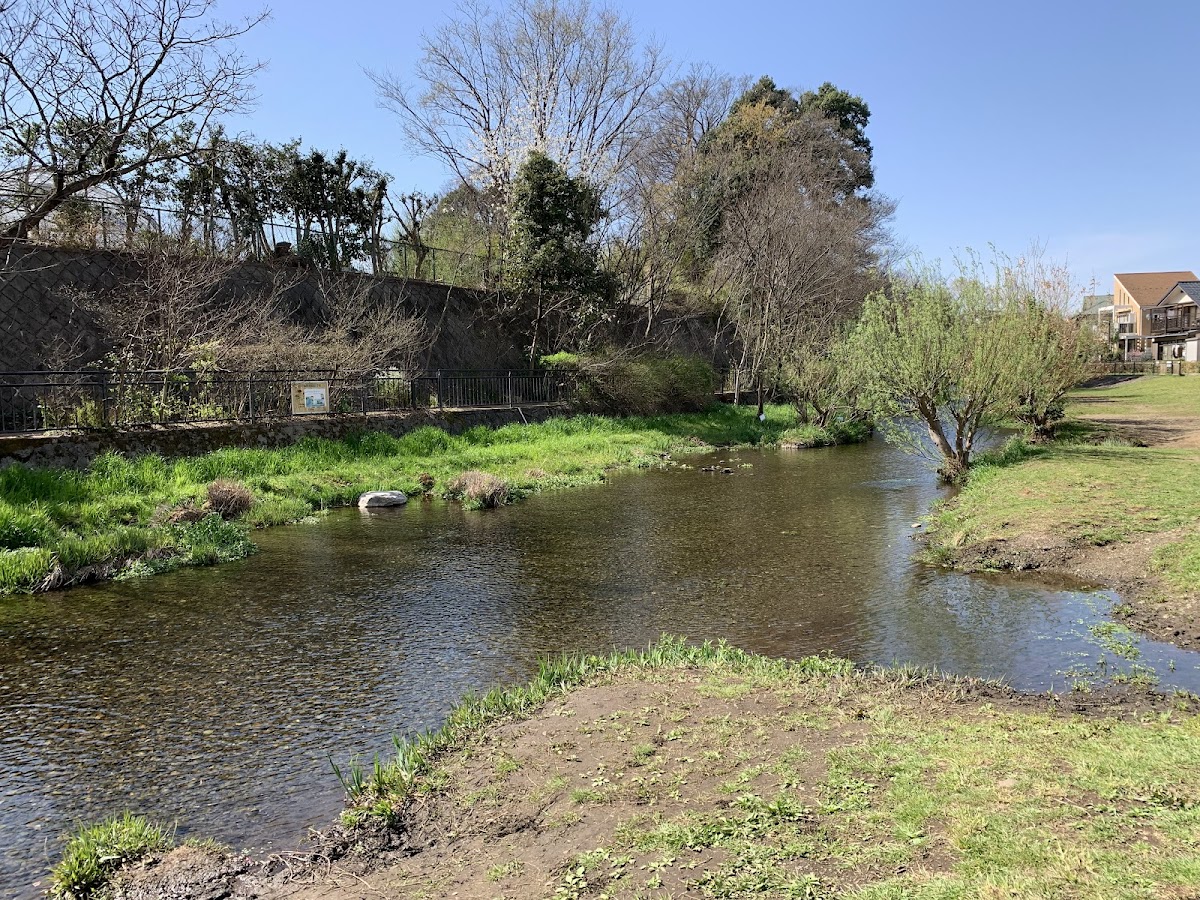
The river width varies by location but averages about 5-10 meters. The water is shallow and boasts such transparency that you can see the riverbed clearly. Despite flowing through a residential area, greenery is preserved along the riverbank, functioning as an oasis within the city.
Characteristics of Minamisawa Spring Group
The Minamisawa Spring Group is located at 3-9 Minamisawa, Higashikurume City, Tokyo, and serves as the primary water source for the Ochiai River. This spring group is protected as the “Minamisawa Green Space Conservation Area” and lies in a forest covered with many trees.
Spring water emerges from multiple spring outlets, with the total volume reaching approximately 10,000 tons per day. The water temperature remains stable at approximately 15-17 degrees Celsius year-round, feeling cold in summer and warm in winter. This stable water temperature enables various aquatic organisms to inhabit the area.
It has also been selected as one of Tokyo’s 57 Named Spring Waters, and the proximity of the Tokyo Waterworks’ intake facility demonstrates the high quality of its water. In fact, this spring water is also utilized as a water source for tap water.
History of Ochiai River and Minamisawa Spring Group
Hydrogeological Background of the Musashino Plateau
To understand the Ochiai River and Minamisawa Spring Group, one must know the geological and hydrological background of the Musashino Plateau. The Musashino Plateau is an alluvial terrace covered with Kanto loam, with multiple aquifers existing underground.
Higashikurume City is located at the eastern end of the Musashino Plateau, at the boundary between the plateau and lowlands. This geographical characteristic creates a natural mechanism where rainwater that has permeated the plateau becomes groundwater and emerges as spring water in the lower-elevation Minamisawa area.
Since the Edo period, the abundant spring water in this area has been utilized for agricultural water. The clear water was suitable for rice cultivation and had a history of nourishing the surrounding rice paddies.
Modernization and Changes in Water Environment
The wave of urbanization reached Higashikurume City during the period of rapid economic growth. From the 1960s through the 1970s, housing development progressed rapidly and the population increased. Accompanying this, groundwater was excessively pumped and domestic wastewater flowed in, bringing both water quality and quantity to the brink of deterioration.
From the late 1970s, efforts to conserve the water environment by citizens and related parties intensified. A groundwater conservation ordinance was enacted, sewage system development was promoted, and river cleanup activities became regular, with coordinated efforts by both the public and private sectors.
These efforts bore fruit, and from the 1990s onward, the water quality of the Ochiai River gradually improved. Transparency increased, and fish and aquatic insects began to return.
Selection for Heisei Top 100 Waters and After
The June 2008 selection for the Heisei Top 100 Waters was the moment when previous conservation efforts were recognized by the nation. The achievement of being the only selection in Tokyo became a source of pride for the citizens and served as a driving force for further conservation activities.
After the selection, Higashikurume City strengthened branding as a “town of water and green.” The city also began to focus on tourism promotion centered on the Ochiai River and Minamisawa Spring Group. Directional signs have been improved, walking trails have been developed, and guided tours are being conducted to create an environment where visitors can comfortably enjoy the waterside.
Going forward, citizen-led conservation activities will continue to be sustained to maintain a sustainable water environment.
Ecosystem of Ochiai River and Minamisawa Spring Group
Treasure Trove of Aquatic Life
The clear waters of the Ochiai River and Minamisawa Spring Group are home to diverse aquatic organisms. Of particular note is the presence of Hotoke dojo (Niwaella delicata), which is listed in the Ministry of the Environment’s Red List.
Hotoke dojo is a small loach that inhabits only clear streams and is extremely sensitive to water pollution. The confirmation of its presence proves the high water quality of the Ochiai River. Other diverse freshwater fish such as Abura haya, Oikawa, and Yoshinobori have also been confirmed.
Aquatic insects are also abundant, with many species that prefer clear streams such as dragonfly larvae (yago), mayflies, and stoneflies residing there. These are also important as indicator organisms for water quality.
Mecca for Bird Watching
The Ochiai River is also known as a famous bird watching spot. In particular, Kingfisher (Alcedo atthis) sightings are frequent, and many birdwatchers visit seeking glimpses of its brilliant blue figure.
The kingfisher lives in clear streams and preys on small fish, so its presence is evidence of a rich ecosystem. If you walk quietly along the river early in the morning or at dusk, you may see a kingfisher flying just above the water surface.
Other water-loving birds such as herons (Grey Heron, Little Egret), Spot-billed Duck, and wagtails can be observed throughout the year. In winter, migratory birds also fly in, expanding the joys of birdwatching.
Riparian Vegetation
Diverse plants grow along the river. In the water, aquatic plants that prefer clear streams such as Baika-mo (Nuphar subintegerrima) and watercress flourish. These aquatic plants also contribute to water purification.
On the riverbank, trees that favor riparian environments such as willows and alders line up, creating cool shade in summer. Cherry blossoms bloom in spring, and autumn foliage colors the water’s surface in fall, allowing enjoyment of the landscape of all four seasons.
In the green space surrounding the Minamisawa Spring Group, secondary forests of trees such as oak and lacquer tree are preserved, maintaining a satoyama-like environment rare in urban areas.
Detailed Guide to Minamisawa Spring Group and Surrounding Spots
Minamisawa Spring Group and Minamisawa Green Space Conservation Area (Minamisawa 3-chome)
The Minamisawa Green Space Conservation Area, the center of the Minamisawa Spring Group, is a naturally rich space that, despite being in a residential area, reminds one of a remote mountain gorge. It is designated as a green space conservation area by Tokyo, protecting it from development.
Spring water emerges continuously from multiple spring outlets, and you can observe this in person. A wooden walkway has been installed around the spring pool, allowing you to enjoy the spring without getting wet. The water’s transparency is extremely high, allowing you to see sand rising from the pool bottom.
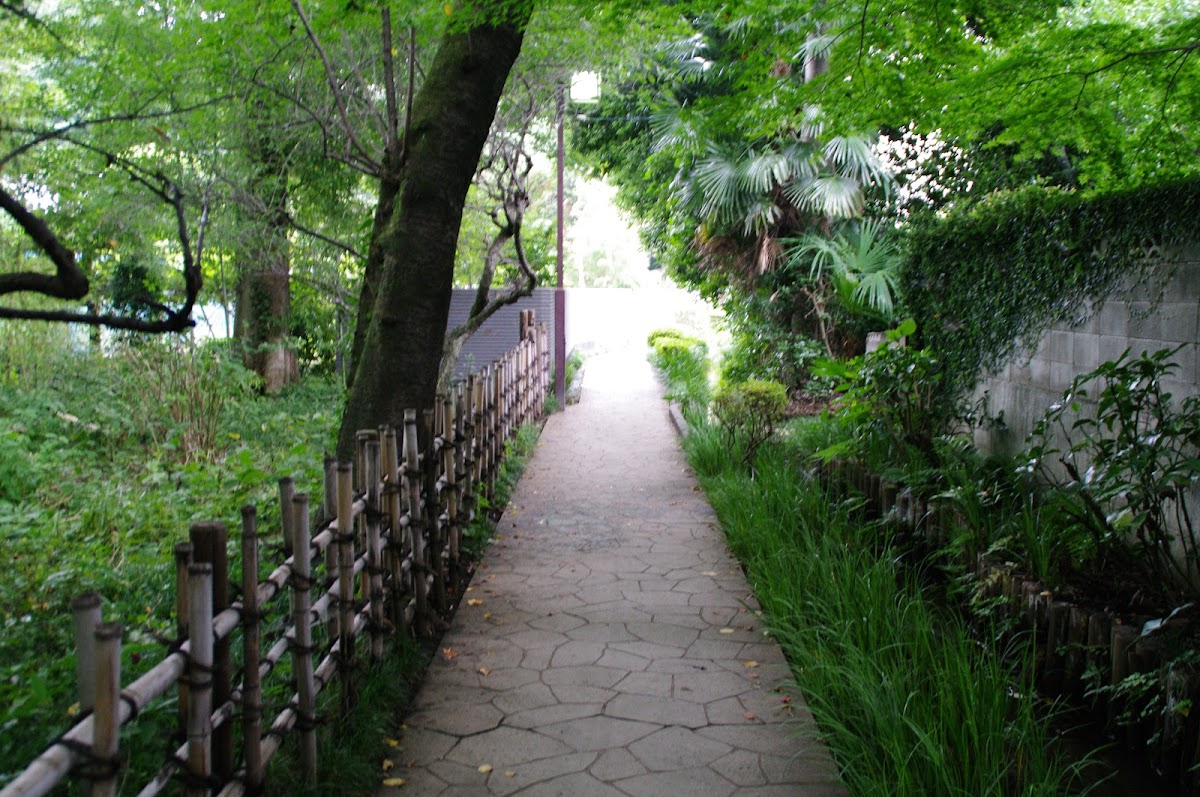
Walking trails are developed within the green space, allowing you to enjoy forest bathing as you walk slowly. Even in summer, the air is pleasantly cool, allowing you to forget the hustle and bustle of the city.
Access: About 15 minutes walk from the west exit of Higashikurume Station on the Seibu Ikebukuro Line, or get off at the “Minamisawa Green Space Conservation Area” bus stop
Minamisawa Hikawa Shrine
The Minamisawa Hikawa Shrine, enshrined immediately near the Minamisawa Spring Group, has long been an object of faith as the tutelary deity of the area. A small stream fed by spring water flows through the shrine grounds, evoking a deep connection between the shrine and water.
The shrine’s founding is ancient, with a history of religious rites held to give thanks for the area’s water blessings. Every autumn, an annual festival is held where local residents gather.
The shrine grounds are enveloped in a serene atmosphere, making it an ideal rest stop for viewing and waterside walks.
Minamisawa Waterside Park
Minamisawa Waterside Park, developed along the Ochiai River, is cherished as a place of rest for citizens. A friendly shore has been installed allowing access to the river, and in summer you can see children enjoying water play.
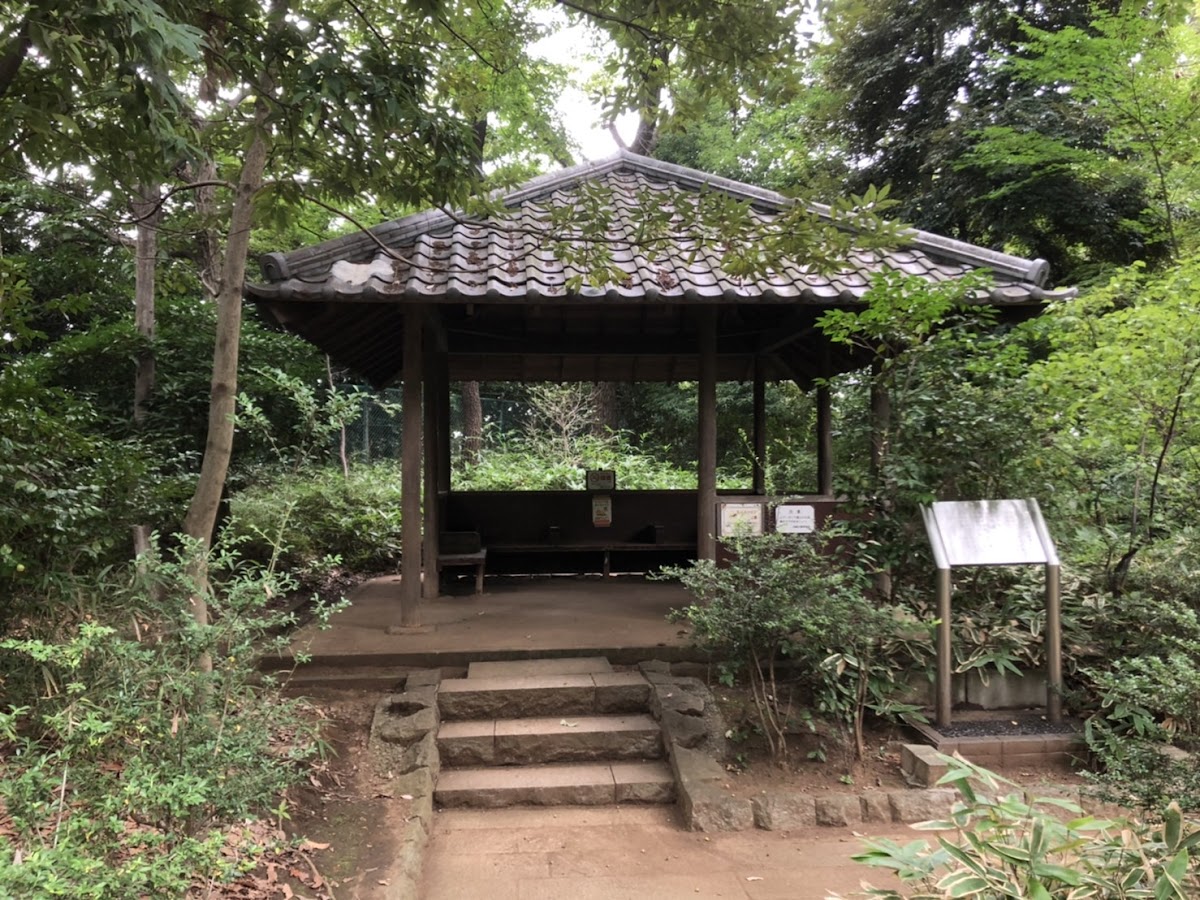
Gazebos and benches are installed in the park, allowing you to spend time quietly listening to the babbling of the river. Cherry trees are also planted, and it becomes crowded as a cherry blossom viewing spot in spring.
The river’s flow is calm and the water is shallow, allowing safe interaction with the waterside. However, avoid approaching during times of high water.
Tamon-ji Temple
Tamon-ji Temple, located in the Ochiai River basin, is an ancient temple of the Shingon sect. The temple grounds feature an impressive gate and main hall, evoking a sense of history.
The area surrounding the temple is also lush with greenery, allowing enjoyment of walks in a calm atmosphere. Incorporating it into a walking course along the Ochiai River creates a route where you can experience both nature and history.
Ochiai River Recreation Waterside (Ochiai River Ikoi no Mizuabe)
The “Ochiai River Ikoi no Mizuabe” is a friendly water space developed along the river. It is set in a place where the river widens, designed to allow you to feel the river’s flow up close.
Here you can experience the high transparency allowing you to see the riverbed. It is an ideal spot for observing fish swimming and water plants swaying.
Benches and rest spaces are well-equipped, perfect for taking a break during a long walk.
Chikurin Park (Minamisawa 1-chome)
Chikurin Park, as its name suggests, is a park surrounded by bamboo forest, and it also has spring water. This spring water also flows into the Ochiai River, enriching the river’s water volume.
The walking trail through the bamboo forest is cool even in summer and has a unique atmosphere. The dappled sunlight filtering through the bamboo is beautiful and popular as a photography spot.
Within the park is a spring pool where you can see transparent water up close. Around the pool, seasonal flowers and plants are planted, showing different faces with each season.
Access: About 12 minutes walk from the west exit of Higashikurume Station on the Seibu Ikebukuro Line
Walking Courses for Ochiai River and Minamisawa Spring Group
Recommended Walking Route
To efficiently tour the Ochiai River and Minamisawa Spring Group, the following course is recommended.
Start: West exit of Higashikurume Station on the Seibu Ikebukuro Line
↓ About 15 minutes walk
1. Minamisawa Spring Group and Minamisawa Green Space Conservation Area (30 minutes stay)
↓ About 3 minutes walk
2. Minamisawa Hikawa Shrine (15 minutes stay)
↓ About 5 minutes walk
3. Minamisawa Waterside Park (20 minutes stay)
↓ Walk along the river about 10 minutes
4. Ochiai River Ikoi no Mizuabe (20 minutes stay)
↓ About 8 minutes walk
5. Chikurin Park (30 minutes stay)
↓ About 12 minutes walk
Goal: Higashikurume Station
Time Required: About 2.5-3 hours (for leisurely walking)
Seasonal Highlights
Spring (March-May)
During cherry blossom season, the cherry tree lined river is beautiful, and flower viewing walks are enjoyable. In the new greenery season, the trees of the green space turn vibrant green, allowing refreshing walks.
Summer (June-August)
The season when the coldness of the spring water is pleasant. The waterside is cool, with an air-conditioned resort-like atmosphere. Waterfowl such as kingfishers are also actively engaged in activities, increasing observation opportunities.
Autumn (September-November)
A season of beautiful fall colors. The autumn leaves reflected in the river water are spectacular. With clear air, the water’s transparency appears even greater.
Winter (December-February)
The spring water is warm, and fantastical scenes of steam rising from the river can sometimes be seen. Migratory birds fly in, and it’s the ideal season for birdwatching.
Notes for Walking
- When entering the river, wear appropriate footwear as some places are slippery
- Avoid approaching the river during times of high water or rain
- Always take your trash with you and respect the natural environment
- Feeding wild animals is prohibited
- When taking photos, be considerate of those around you
- In summer, prepare a hat and sunscreen as the sun is strong
- In winter, take proper measures for cold protection
Access and Parking Information
Access by Train
Nearest Station: Higashikurume Station on the Seibu Ikebukuro Line
- From Ikebukuro Station: About 20 minutes by Seibu Ikebukuro Line Express
- From Tokorozawa Station: About 15 minutes by Seibu Ikebukuro Line
From Higashikurume Station West Exit to the Minamisawa Spring Group is about 15 minutes walk. There are also directional signs at the station front, so first-time visitors can arrive without getting lost.
Access by Bus
Buses are also available from Higashikurume Station West Exit.
- Seibu Bus: Board “Takiyama Operations Center bound” or “Maesawa Shuku bound” buses, get off at “Minamisawa Green Space Conservation Area” bus stop
- Travel time: About 5 minutes
- Fare: About 180 yen for adults (as of 2025)
Access by Car
From Kan-Etsu Expressway:
- About 30 minutes from “Oizumi IC”
From Chuo Expressway:
- About 40 minutes from “Kunitachi Fuchu IC”
Parking Information
There are no large dedicated parking lots in the Minamisawa Spring Group area. Coin parking is recommended for nearby locations, or public transportation is suggested.
There are several coin parking lots around Higashikurume Station, from which you can walk to the destination.
Efforts to Protect Ochiai River and Minamisawa Spring Group
Citizen-Participated Conservation Activities
The beauty of the Ochiai River and Minamisawa Spring Group is protected by continuous conservation efforts by citizens and related parties.
The “Ochiai River Protection Society” and other citizen organizations conduct regular cleaning activities, water quality surveys, and biological surveys. As part of environmental learning, observation meetings of the Ochiai River are held at local elementary schools, with emphasis placed on environmental education for the next generation.
Every year, a large-scale cleaning event called “Ochiai River Cleanup Operation” is held, in which many citizens participate. Such grassroots efforts significantly contribute to the maintenance of this famous water.
Measures by Higashikurume City
Higashikurume City, advocating itself as a “town of water and green,” is implementing various measures.
- Groundwater Conservation Ordinance: Regulates excessive pumping of groundwater
- Promotion of Rainwater Infiltration Facilities: Facilitates infiltration of rainwater into the ground to promote groundwater recharge
- Designation of Green Space Conservation Areas: Protects greenery that becomes the spring water source
- Sewage System Development: Prevents water quality contamination from domestic wastewater
- Development of Friendly Water Facilities: Creating environments where citizens can interact with the waterside
These comprehensive efforts maintain a sustainable water environment.
Future Challenges and Prospects
Climate change causing shifts in precipitation patterns and ongoing urbanization are expected to present various challenges going forward. Continuous groundwater volume maintenance, water quality conservation, and ecosystem protection will increasingly require cooperation among citizens, government, and experts.
Higashikurume City is advancing regional branding centered on the Ochiai River and Minamisawa Spring Group, aiming for both environmental conservation and regional revitalization. New initiatives such as promoting ecotourism and enhancing environmental education are also beginning.
Surrounding Tourism and Dining Information
Nearby Tourist Attractions
Rokusen Park: A large park in Higashikurume City. It features vast lawn areas, baseball fields, tennis courts, etc., and is popular with families.
Higashikurume City Local History Museum: A facility where you can learn about the city’s history and culture. Exhibits on the history of the Ochiai River and spring water are also displayed.
Kurome River: The river into which the Ochiai River flows. This is also a clear stream with a cycling road developed along it.
Dining Information
Around Higashikurume Station, there are numerous restaurants popular with locals. Dining is recommended after a walk.
- Local Cafes: Some shops serve coffee made with spring water
- Japanese Restaurants: Lunch sets using fresh ingredients are popular
- Bakeries: Historic bread shops beloved locally
When walking, bringing a packed lunch for a picnic is also recommended. Dining in nature at benches or parks along the river is exceptional.
Conclusion
The Ochiai River and Minamisawa Spring Group, while located within Tokyo, is truly an oasis of the city blessed with rich nature and clear water. The value of being the only selection for the Heisei Top 100 Waters in Tokyo is the result of approximately 10,000 tons of abundant spring water daily, high water quality, diverse ecosystems, and conservation efforts by citizens.
The mysterious spring water of Minamisawa Spring Group, the crystal-clear Ochiai River, precious organisms such as kingfishers and Hotoke dojo, and beautiful scenery that changes with the seasons. Its proximity and easy access from the city center are also attractions.
Weekend walks, family picnics, birdwatching, photography—there are many ways to enjoy the Ochiai River and Minamisawa Spring Group. Be sure to visit this precious spot where you can experience a true clear stream within Tokyo. And for each visitor, holding the awareness of environmental conservation is important to preserve this beautiful water environment for the future.