Complete Guide to Kurikara Fudoson Pond (Funabashi City, Chiba Prefecture) | History, Access, and the Charm of Spring Water
Kurikara Fudoson Pond, quietly nestled in Iiyamamitsu Town, Funabashi City, Chiba Prefecture, is known as a valuable place where natural spring water emerges in the rapidly urbanizing city of Funabashi. Located at the source of the Maehara River, this pond has a history of abundant clear spring water flowing in the past, and today remains a cherished place of relaxation for local residents.
What is Kurikara Fudoson Pond?
Kurikara Fudoson Pond (倶梨迦羅不動尊の池) is a spring water pond located at 3-1524-1 Iiyamamitsu Town, Funabashi City. It is situated just about 200 meters north of Yakuendai Station on the Shin-Keisei Line and is adjacent to the grounds of Komyo-ji Temple.
“Kurikara” is a term derived from Sanskrit meaning a black dragon, representing the dragon coiled around the sword held by Fudo Myoo (Acala). As this name suggests, ancient legends related to dragons have been passed down at this pond. According to tradition, a dragon was enshrined here, and pure spring water once flowed from the dragon’s mouth.
Importance as the Source of the Maehara River
Kurikara Fudoson Pond is located at the uppermost source of the Maehara River, which flows through Funabashi City. It has a geographical feature where water naturally springs forth from a depression-like terrain, and historically abundant groundwater flowed from this location. The Maehara River is one of the few bodies of water that can truly be called a “river” within Funabashi City, and the role this pond has played as its water source is extremely significant.
In Funabashi City’s water system, multiple spring water sources existed, such as Taki Fudo’s waterfall and pond at the Ebigawa River, and Kurikara Fudoson Pond, but as urbanization progressed, many spring water sites were lost. In this context, the preservation and continued existence of this pond today is a valuable case study from the perspective of regional natural environment protection.
History of Kurikara Fudoson Pond
An Ancient Place of Faith
Kurikara Fudoson Pond has a long history, already appearing on old maps from the 6th year of Genroku (1693) as “Iiyamamitsu Fudoson.” A Shingon Buddhist temple of the Toyosan sect stood at this location, with Fudo Myoo enshrined as the principal deity.
During the Edo period, there was a waterfall at this pond’s location, and it was known as a sacred training ground where ascetics and practitioners performed spiritual exercises. The practice of being beaten by the waterfall to purify body and mind took place here, and the place name “Taki Dai Town” remains in the nearby area to this day. This serves as important evidence of the history of this location having once had a waterfall that was an object of veneration.
Dragon Deity Legend and Spring Water Worship
The dragon deity legend passed down at Kurikara Fudoson Pond is a form of water deity worship common to spring water sites throughout Japan. True to its name meaning “black dragon,” this location revered the dragon as a water-governing deity, and the pure water flowing from the dragon’s mouth was believed to possess miraculous powers and was the object of people’s faith.
Spring water has been treasured since ancient times as a source of life, and places where clear water springs forth were considered sacred. Kurikara Fudoson Pond became such an object of faith and was carefully preserved as a spiritual anchor for local residents.
Crisis of Extinction and the Story of Revival
Following the period of high economic growth, Funabashi City underwent rapid urbanization. Underground water veins changed due to residential development and road construction, and as many spring water sites dried up, Kurikara Fudoson Pond also faced near-extinction. The spring water volume decreased, and the pond fell into disrepair, losing its former appearance.
However, in March 2002 (Heisei 14), through a development project based on Funabashi City’s Environmental Symbiosis Town Development Ordinance, this pond achieved a remarkable revival. While preserving its function as a spring water pond, the surrounding environment was developed, and it was transformed into a quiet place of respite surrounded by greenery. This story of revival represents the fruits of cooperation between citizens concerned about protecting the region’s natural heritage and the local administration, and has gained attention as a successful example of nature preservation in urban areas.
Kurikara Fudoson Pond Today
An Urban Oasis Surrounded by Greenery
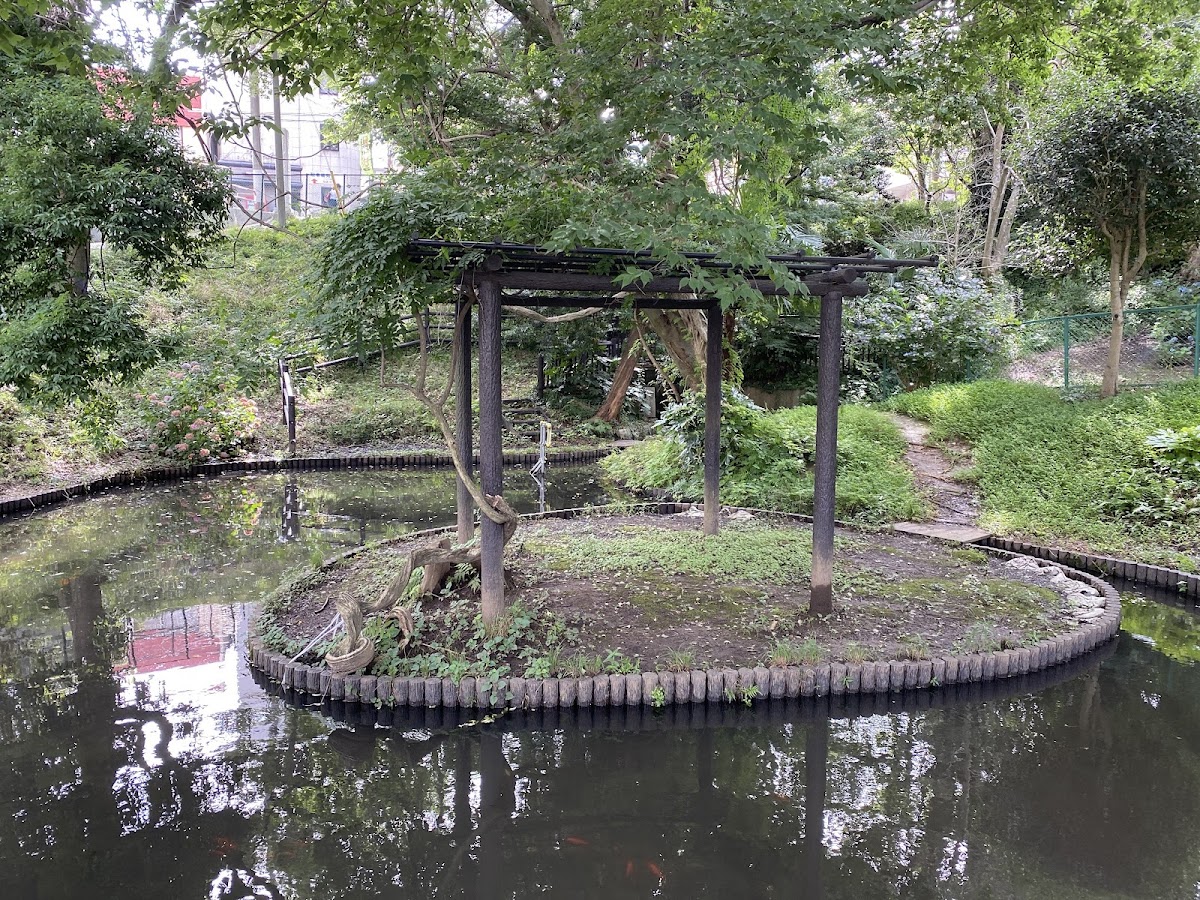
The current Kurikara Fudoson Pond maintains a beautiful landscape surrounded by developed walking paths and planted vegetation. Located within the quiet grounds of Komyo-ji Temple, surrounded by thick trees, it maintains a tranquility that makes one forget they are in the middle of the city.
Kurikara Jido Park has also been developed around the pond and is cherished by local residents as a place of relaxation. While located in an urban area, it serves as a precious space where one can feel connected to nature, drawing visitors who come for walks and refreshment.
Current State of Spring Water
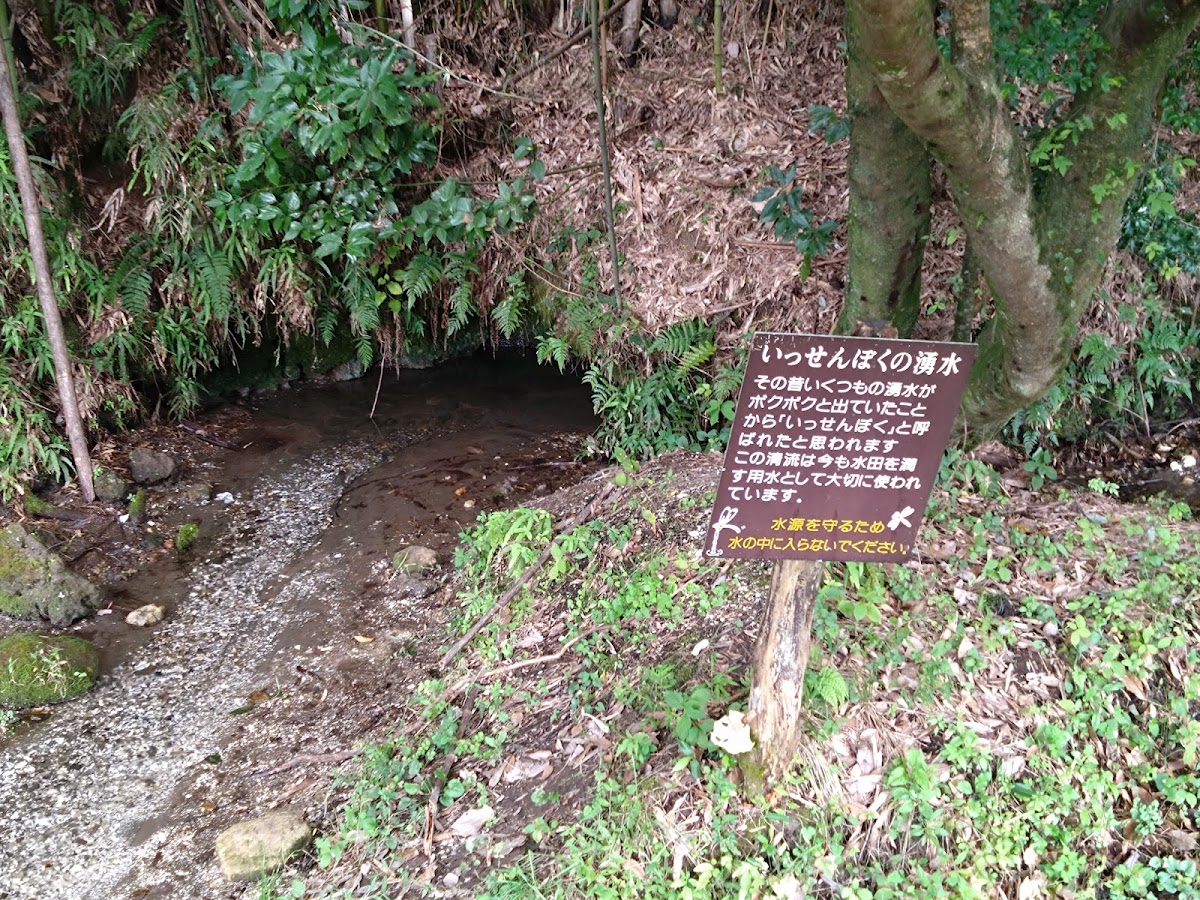
The scene of abundant spring water flowing from the dragon’s mouth as in the past is no longer seen, but the water flow utilizing the depression-like terrain is still maintained. Due to fluctuations in groundwater levels and the effects of urbanization, the volume of spring water has decreased compared to the past, but its role as the source of the Maehara River is maintained.
From an environmental conservation perspective, Funabashi City continues to monitor the water quality and surrounding environment of this pond, and ongoing efforts are being made to preserve this precious natural water site for future generations.
Access Methods
Access by Train
Access to Kurikara Fudoson Pond is extremely convenient.
Approximately 3-minute walk from Yakuendai Station on the Shin-Keisei Line
Exiting the north exit of Yakuendai Station and proceeding about 200 meters northward, Kurikara Fudoson Pond and Kurikara Jido Park appear, adjacent to the grounds of Komyo-ji Temple. The location is extremely close to the station, and even first-time visitors can arrive without getting lost.
The Shin-Keisei Line is a railway connecting Keisei Tsudanuma Station to Matsudo Station, convenient for transportation within Funabashi City. Access from the urban center is also good, making it easy to visit for a day trip.
Access by Car and Parking
If visiting by car, head toward 3-1524-1 Iiyamamitsu Town, Funabashi City, Chiba Prefecture. However, there is no dedicated parking lot around the pond, so it is recommended to use a nearby coin parking or public transportation.
Since it is located within a residential area, street parking is a nuisance to nearby residents. Be sure to use a parking lot.
Nearby Landmarks
- Komyo-ji Temple (a Shingon Buddhist temple of the Toyosan sect)
- Kurikara Jido Park
- North exit of Yakuendai Station on the Shin-Keisei Line
Using these as landmarks will help you arrive smoothly.
Nearby Points of Interest
Komyo-ji Temple and Kurikara Fudoson Hall
Komyo-ji Temple, adjacent to Kurikara Fudoson Pond, is a Shingon Buddhist temple of the Toyosan sect and houses the Kurikara Fudoson Hall. It is a historically significant temple already recorded on old maps from the Genroku period and is definitely worth visiting when exploring the pond.
This temple, which enshrines Fudo Myoo as its principal deity, has been loved as the center of regional faith for many years. The quiet temple grounds are an ideal space for calming the mind.
Kurikara Jido Park
Located right beside the pond, Kurikara Jido Park is developed as a play area for local children. With playground equipment and open spaces, it is also suitable for families to visit. You can spend a leisurely time while enjoying a walk around the pond.
Walking Along the Maehara River
Along the Maehara River, which has Kurikara Fudoson Pond as its source, walking paths have been developed in some sections. By walking along the river’s flow, you can enjoy a pleasant walk while feeling nature despite being in an urban area.
Funabashi City’s Environmental Conservation Efforts
Funabashi City Environmental Symbiosis Town Development Ordinance
The “Funabashi City Environmental Symbiosis Town Development Ordinance,” which made the revival of Kurikara Fudoson Pond possible, is an ordinance enacted by Funabashi City to promote sustainable town development that coexists with the environment. Based on this ordinance, efforts are being made to preserve valuable natural environments, secure green spaces, and develop waterside areas.
The development project of Kurikara Fudoson Pond is a representative success story that embodies the ideals of this ordinance and has attracted attention from other municipalities.
Significance of Spring Water Site Conservation
As urbanization progresses, spring water sites play an important role in supporting regional ecosystems. Spring water maintains stable water temperatures throughout the year and becomes a habitat for diverse organisms. It also contributes to groundwater recharge and maintaining river water volume.
Through the conservation of spring water sites such as Kurikara Fudoson Pond, Funabashi City aims to maintain biodiversity in urban areas and create an environment where citizens can interact with nature.
Other Spring Water and Natural Water Sites in Chiba Prefecture
Besides Kurikara Fudoson Pond, there are several spring water and natural water sites in Chiba Prefecture.
Gumi no Mizu at Kusakari Eki Station (Ichihara City)
“Gumi no Mizu” in Kusakari, Ichihara City, is a beloved spring water spot among locals. It is adjacent to a roadside station with good access.
Kururi’s Natural Water (Kimitsu City)
Kururi’s Natural Water, selected as one of the “Heisei 100 Famous Waters,” is a representative natural water site in Chiba Prefecture. In Kururi, which prospered as a castle town, many wells still remain, and high-quality groundwater can be drawn.
Kashiwa’s Natural Water (Kashiwa City)
Spring water sites are scattered throughout Kashiwa City, supporting the region’s natural environment. Conservation activities are being carried out as a precious waterside space in an urban area.
Natural Water and Spring Water Sightseeing in the Kanto Region
After visiting Kurikara Fudoson Pond, why not extend your trip to other famous water sites in the Kanto region?
Spring Water Sites in Tokyo
Anazawa Tenjin Shrine Divine Water (Inagi City Yanoguchicho)
Anazawa Tenjin Shrine, located along the Tamagawa River, has divine water that has been believed to possess miraculous powers since ancient times.
“Tokiwa no Shimizu” at Yaho Tenmangū (Kunitachi City Yaho)
Within the grounds of Yaho Tenmangū, one of the three major Tenjin shrines in the Kanto region, there is spring water called “Tokiwa no Shimizu,” beloved by worshippers.
Spring Water Sites in Kanagawa Prefecture
Meisui Sakawa (Odawara City Ougicho)
The underground water of the Sakawa River, which flows through Odawara City, has been known since ancient times as high-quality water and was used in the region’s sake brewing.
Natural Waters in Saitama and Ibaraki Prefectures
Saitama and Ibaraki prefectures also have numerous spring water and natural water sites rooted in their communities. The underground water veins of the Kanto Plain extend across a wide area, fostering distinctive water cultures in each location.
Precautions and Etiquette When Visiting
Consideration for the Quiet Environment
Kurikara Fudoson Pond is a quiet place adjacent to the grounds of Komyo-ji Temple. Refrain from loud conversations and noise, and respect the tranquil atmosphere. Especially when worshipping at the temple, it is important to maintain proper manners for a religious facility.
Cooperation with Environmental Conservation
Always take your trash with you, and be mindful not to pollute the pond and surrounding natural environment. For future generations to inherit this precious spring water site, the environmental awareness of each visitor is crucial.
Consideration When Photographing
Photography is permitted, but be considerate of nearby residents’ privacy and avoid capturing residences in your photos. Also, some areas within the temple grounds may prohibit photography, so follow the guidance signs.
Water Collection
Currently, there are no specific guidelines regarding water collection at Kurikara Fudoson Pond. If you wish to collect water for drinking purposes, it is recommended to contact the Funabashi City Planning Department Landscape Section (047-436-2528) in advance.
The Significance of Kurikara Fudoson Pond
Its Aspect as a Power Spot
Kurikara Fudoson Pond is attracting attention as a power spot, a place of miraculous spiritual power where dragon deity legends and Fudo Myoo faith are intertwined. As the name “Kurikara,” meaning “black dragon,” suggests, this location has been believed since ancient times to be imbued with powerful spiritual energy.
In this quiet environment, by calming one’s mind and feeling the flow of pure water, many people visit seeking physical and mental refreshment or spiritual purification.
As a Core of Community
Kurikara Fudoson Pond holds meaning for local residents that goes beyond being merely a natural attraction. This space, integrated with the children’s park, serves as a meeting place for intergenerational exchange and plays a role in deepening community bonds.
The green landscape that changes with the seasons and the sight of birds and insects gathering at the water’s edge provide healing to those seeking contact with nature in urban life.
A Model for Coexistence Between Urban Areas and Nature
In an urban city like Funabashi, preserving a historically significant spring water site and developing it as a community recreational space makes Kurikara Fudoson Pond a model case of sustainable town development where urban areas and nature coexist.
Efforts to balance development with conservation while passing on regional historical and cultural assets to future generations serve as reference examples for other municipalities.
Conclusion
Kurikara Fudoson Pond located in Iiyamamitsu Town, Funabashi City, Chiba Prefecture, is a spring water site steeped in history and faith, positioned at the source of the Maehara River. This pond, where the black dragon legend is transmitted, was once a sacred training ground where ascetics conducted their spiritual practice and attracted the faith of local residents.
Facing near-extinction due to the wave of urbanization, it achieved a remarkable revival through development projects based on Funabashi City’s Environmental Symbiosis Town Development Ordinance, and today is cherished as a quiet place of relaxation surrounded by greenery.
Another appealing feature is its excellent accessibility, just a 3-minute walk from Yakuendai Station on the Shin-Keisei Line. Why not escape the hustle and bustle of the city and spend a peaceful time at this historically significant spring water site?
Kurikara Fudoson Pond, a precious natural heritage of Funabashi City. The green trees reflected on its quiet water surface and the mystical atmosphere where dragon deity legends still live will provide visitors with a special experience.