Complete Guide to Konokami Spring Water (Atsugi City, Kanagawa Prefecture) | Access, Water Quality, and Surrounding Attractions
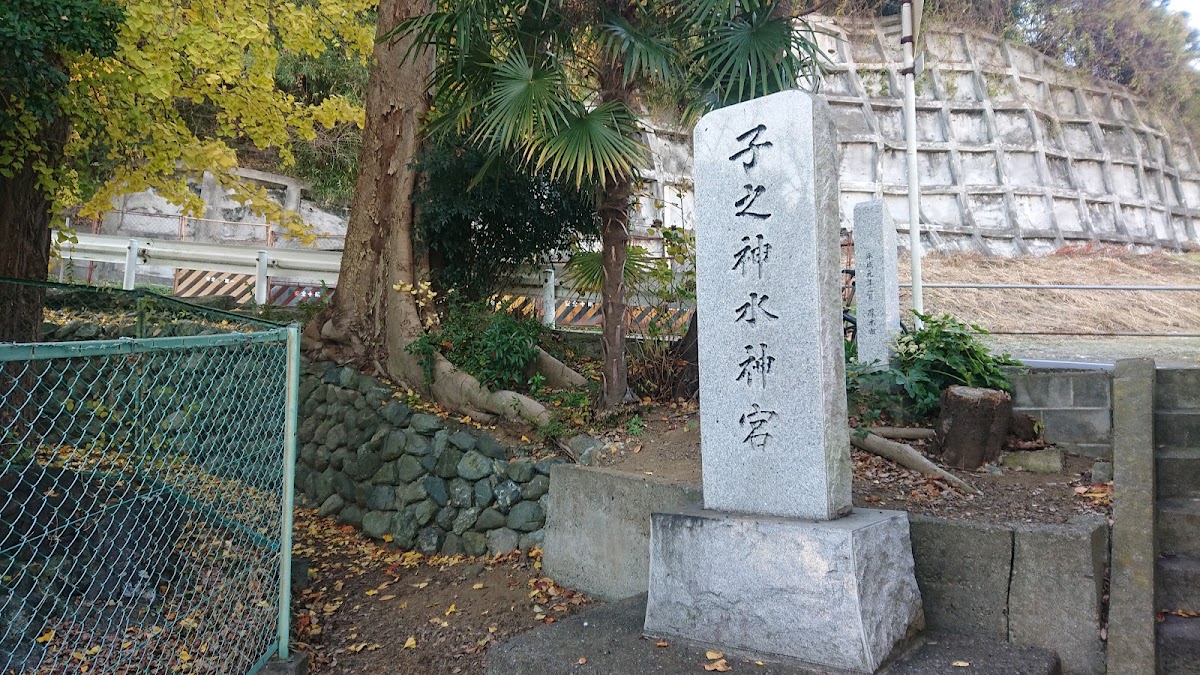
Konokami Spring Water, located in Tomuro, Atsugi City, Kanagawa Prefecture, is a valuable spring water spot that has been cherished by local residents for generations. Despite its convenient access from the city center, this spring water is blessed with a rich natural environment and has become one of the notable water resources in Kanagawa Prefecture.
This article provides comprehensive information useful for those considering a visit, covering everything from the historical background of Konokami Spring Water to its water quality characteristics, specific access methods, and surrounding tourist attractions.
About Konokami Spring Water
Basic Information
Konokami Spring Water is a natural spring located at 2-chome 8-16 Tomuro, Atsugi City, Kanagawa Prefecture. Atsugi City is situated at the foot of the Tanzawa Mountains, blessed with abundant groundwater veins. Konokami Spring Water is also a precious water resource that takes advantage of these geographical characteristics and has been carefully preserved by the local community.
Location: 2-chome 8-16 Tomuro, Atsugi City, Kanagawa Prefecture
Management: Local neighborhood association and Atsugi City
Usage: Utilization as domestic water and disaster prevention water
Historical Background
The name “Konokami Spring Water” originates from the place name “Konokami” that has been passed down in the region for generations. Records remain of its use as domestic water for local residents since the Edo period, and it supported the community as a precious water source during times of water shortage.
During the Showa period, there were concerns about a decline in spring water volume due to urban development; however, the current good condition has been maintained through conservation efforts by local residents. This spring water is positioned not merely as a water resource, but as a symbol of the region’s history and culture.
Water Quality and Characteristics of Konokami Spring Water
Spring Water Mechanism
Atsugi City is located on an alluvial fan extending from the Tanzawa Mountains to the Sagami River. Rainwater that falls on the mountains is naturally filtered as it passes through geological layers and emerges as spring water at the surface. Konokami Spring Water is formed through a similar mechanism and flows steadily from abundant groundwater veins.
Water Quality Characteristics
Konokami Spring Water possesses the following characteristics:
- Water Temperature: Stable at approximately 15-17 degrees Celsius year-round
- Water Quality: Moderately hard water containing calcium and magnesium
- Transparency: Maintains high transparency with clear water quality
- pH Value: Ranges from weakly alkaline to neutral
As it passes through the Tanzawa Mountain geological layers, it becomes high-quality water rich in natural minerals while containing few impurities. However, if considering drinking water use, it is recommended to check regular water quality test results or boil the water before use.
Spring Water Volume and Seasonal Fluctuation
Konokami Spring Water maintains a relatively stable volume, though it varies somewhat depending on precipitation. The spring water volume increases after the rainy season and typhoon season, and tends to decrease slightly during the dry winter season.
Access Methods | Detailed Route from Hommatsushiro Station
Public Transportation Access
Route from Odakyu Line “Hommatsushiro Station”
Konokami Spring Water’s closest station is Hommatsushiro Station on the Odakyu Line.
Access on Foot
- Time Required: Approximately 28-35 minutes
- Distance: Approximately 2.2 km
- Route: From the north exit of Hommatsushiro Station, proceed toward National Route 246, then head toward the Tomuro area
Walking allows you to enjoy sightseeing while visiting, as you pass through the city center and enter residential areas. You can observe the streetscape and shopping streets of Atsugi City while walking and experience the atmosphere of the region.
Bus Access
- Boarding Location: Hommatsushiro Station North Exit Bus Terminal
- Bus Line: Kanagawa Chuoh Transport Bus (Tomuro-bound)
- Alighting Stop: “Tomuro” Bus Stop
- Walking from Bus Stop: Approximately 5-8 minutes
- Travel Time: Approximately 15 minutes by bus + approximately 5 minutes walking = approximately 20 minutes total
When using the bus, board a Tomuro-bound bus from the north exit of Hommatsushiro Station, get off at the Tomuro bus stop, and proceed on foot through the residential area for an efficient route.
Access by Automobile
When Using the Tomei Expressway
- Nearest IC: Tomei Expressway “Atsugi IC”
- Distance from IC: Approximately 4 km
- Travel Time: Approximately 10-15 minutes (depending on traffic conditions)
Via National Route 246
A route is also available using National Route 246 to enter Atsugi City from the city center, then heading toward the Tomuro area.
Parking Information
There is no dedicated parking lot around Konokami Spring Water, so when visiting, use nearby coin parking or public transportation is recommended. Since it is located in a residential area, on-street parking should be avoided, and consideration for nearby residents is necessary.
Usage Methods and Precautions for Konokami Spring Water
Rules for Use
Konokami Spring Water is managed by the local community, and visitors must follow these rules:
- Preservation of Surrounding Environment: Take all garbage with you
- Consideration for Noise: Visit quietly due to residential area location
- Water Quality Conservation: Do not put detergent or foreign objects into the spring area
- Reasonable Water Collection: Avoid large-scale water collection and limit use to necessary minimum
- Consideration for Private Property: Avoid entering areas outside designated zones
Regarding Drinking Water
Konokami Spring Water has a history of use as domestic water; however, regular official water quality testing for drinking water is not currently conducted. If wishing to drink the water, please note the following points:
- Always boil before drinking
- Avoid drinking if you have health concerns
- Understand that use is at your own responsibility
- Recommend non-drinking uses such as domestic water or watering plants
Recommended Visiting Seasons and Times
Recommended Visiting Seasons
- Spring (March-May): Pleasant season for sightseeing with fresh greenery
- Autumn (September-November): Stable weather with abundant spring water volume
- After Rainy Season (mid-July onward): Increased spring water volume allows experiencing the force of the water
Visiting Time
Since it is located in a residential area, visiting early morning or after evening should be avoided out of consideration for nearby residents. Visits between 10 AM and 4 PM are recommended.
Comparison with Other Springs in Kanagawa Prefecture
Representative Springs in Kanagawa Prefecture
Kanagawa Prefecture has numerous spring water spots, including those selected by the Ministry of the Environment as the “Heisei 100 Famous Waters.” Compared to Konokami Spring Water, other springs have the following characteristics.
Hadano Basin Spring Water Group (Hadano City)
Hadano City is known as a “city of famous water” with approximately 60 springs scattered throughout the city. It has achieved the top ranking nationally in the “delicious taste excellent famous water” category and has multiple facilities set up for water collection.
- Kobo’s Clear Water: Spring water with a connection to Kobo Daishi
- Imaizumi Spring Pool: A well-organized water collection site
- Inomyojin Water: Sacred water of Soya Shrine
Banshinjin Spring Water (Zama City)
Spring water that flows from beneath a shrine “Banshindo” on the south side of Zama Park, utilized as firewater and urban landscape water. Like Konokami Spring Water, it is carefully preserved by the local community.
Kamiido Spring Water (Zama City)
A spring water historically used as drinking water by nearby residents, called “Kamiido” (god’s well) meaning “water bestowed by gods.”
Seizaemon Jigoku Pond (Hakone Town)
A spring water selected for the “Heisei 100 Famous Waters,” it boasts abundant spring water volume in the natural environment of Hakone. The area is developed as a tourist attraction and easily accessible.
Positioning of Konokami Spring Water
Konokami Spring Water is not selected as a “hundred famous waters” like the Hadano Basin Spring Water Group or Seizaemon Jigoku Pond; however, it is positioned as a precious local resource in Atsugi City. Since it has not been developed into a large-scale tourist site, it offers the distinctive feature of enjoying spring water in a quiet and calm atmosphere.
Surrounding Tourist Attractions and Outing Plans
Hommatsushiro Station Area
It is recommended to combine visiting Konokami Spring Water with sightseeing at nearby attractions around Hommatsushiro Station.
Hommatsushiro Station Shopping District
Lively shopping streets extend around Hommatsushiro Station, where you can enjoy local cuisine and shopping. In particular, “Shirokorohormon” is known as an Atsugi specialty and is offered at many restaurants.
Cafe Suzuki
A popular cafe near Hommatsushiro Station, perfect as a rest spot for spring water tours. You can enjoy menus made with local ingredients.
Natural Spots in Atsugi City
Hakusan Hiking Course
Hiking courses are established throughout Atsugi City, including Hakusan, and nature walking plans combining with visits to Konokami Spring Water are popular.
- Time Required: Half day to full day course
- Difficulty: Beginner to intermediate
- Points of Interest: Tanzawa mountain range views, seasonal vegetation
Iiyama Hot Spring
The Iiyama district of Atsugi City has hot spring facilities such as “Kabuto-yu Onsen,” and a plan to refresh at hot springs after touring spring water sites is also recommended.
- Access: Approximately 30 minutes by bus from Hommatsushiro Station
- Features: Known as hot spring water beneficial for skin beauty
Recommended Day-Trip Plan
Easy Access from the City Center! Atsugi Drive & Sightseeing Course
- Morning: Arrive at Hommatsushiro Station → Visit Konokami Spring Water (approximately 1 hour)
- Lunch: Shirokoro Hormon lunch near Hommatsushiro Station
- Afternoon: Hakusan Hiking or relax at Iiyama Hot Spring
- Evening: Shopping and cafe time around Hommatsushiro Station
Forest Therapy & Spring Water Tour Course
- Morning: Spring water tour starting from Hadano Station through Hadano Basin springs
- Lunch: Local cuisine in Hadano City
- Afternoon: Move to Atsugi City and visit Konokami Spring Water
- Evening: Soothe fatigue at Kabuto-yu Onsen
2021 Kanagawa One-Night Date Plan
- Day 1 Morning: Visit Konokami Spring Water from Hommatsushiro Station
- Day 1 Afternoon: Atsugi City sightseeing/Hakusan Hiking
- Day 1 Evening: Check into Iiyama Hot Spring accommodation
- Day 2 Morning: Enjoy leisurely breakfast at the hot spring
- Day 2 Afternoon: Tour Hadano Basin spring waters or head toward Hakone area
Spring Water Conservation Activities in Atsugi City
City Administration and Spring Water Conservation
Atsugi City has worked on preserving the region’s natural environment as it approaches its “60th anniversary of city establishment.” Spring water is positioned as a precious water resource in the city, and the following conservation activities are conducted:
Water Quality Monitoring
Regular water quality testing is conducted at major spring water sites in the city, and environmental changes are monitored.
Collaboration with Local Residents
Many springs, including Konokami Spring Water, have their surrounding areas cleaned and environmental maintenance performed by neighborhood associations and resident organizations.
Application in Environmental Education
Environmental education programs using spring water as subject matter are conducted in elementary and junior high schools within the city, fostering environmental conservation awareness in the next generation.
Toward Sustainable Use
Efforts continue to balance urban development and natural conservation while passing spring water on to future generations. Visitors can also contribute to spring water conservation by being mindful of the following points:
- Do not damage vegetation around spring water areas
- Avoid entering areas outside designated routes
- Respect community rules
- Show understanding and cooperation with conservation activities
Spring Water Culture in Kanagawa Prefecture and Konokami Spring Water
Characteristics of Springs in Kanagawa Prefecture
Kanagawa Prefecture has diverse terrain including the Tanzawa Mountains, Hakone Mountains, and Tama Hills, with spring water scattered throughout the prefecture. According to Ministry of the Environment surveys, hundreds of springs have been identified in Kanagawa Prefecture, each deeply connected to the history and culture of its respective region.
Spring Water and Local Communities
Like Konokami Spring Water, many springs have been closely connected to local residents’ lives. They were once essential as drinking and domestic water, and water collection sites served as places for community interaction.
In modern times, with the prevalence of tap water, the importance of spring water as domestic water has diminished; however, new value is being found in their function as disaster prevention water, agricultural water, landscape water, and as cultural resources transmitting regional history.
Significance of Spring Water in Urban Periphery Areas
The preservation of natural springs like Konokami Spring Water in urban peripheral areas such as Atsugi City holds important significance in the following ways:
- Conservation of Biodiversity: Unique ecosystems form around spring water areas
- Mitigation of Heat Island Phenomenon: Spring water and surrounding greenery suppress urban temperature increases
- Disaster Prevention Function: Functions as a precious water source during disasters
- Environmental Education Space: Provides opportunities to interact with nature
- Formation of Regional Identity: Serves as a symbol of regional history and culture
Visitor Voices and Testimonials
Local Resident Perspective
Konokami Spring Water is a familiar natural spot to local residents since childhood. Voices are heard saying, “It was enjoyable to feel the cold spring water on hot summer days,” and “The existence of spring water is reassuring as disaster preparation.”
Visitor Impressions
People visiting from the city center express surprise at the discovery of such nature remaining in a corner of a residential area and appreciate the calm atmosphere where they can feel nature’s blessings. The fact that it is not a large-scale tourist site is appreciated, allowing visitors to enjoy the spring water slowly without crowds.
Conclusion | Charm of Konokami Spring Water
Konokami Spring Water in Atsugi City, Kanagawa Prefecture, is a precious natural spring remaining in an urban peripheral area. While accessible by foot or bus from Hommatsushiro Station, it is a spot where visitors can feel nature’s blessings in a quiet and calm environment.
Unlike the large-scale Hadano Basin Spring Water Group or the touristy Seizaemon Jigoku Pond, it possesses a simple charm rooted in the community. When visiting, remember to follow community rules and not forget to care for environmental conservation, experiencing Kanagawa Prefecture’s rich water culture.
By combining it with nearby Hakusan hiking and Iiyama Hot Spring, you can spend a fulfilling day enjoying Atsugi City’s nature and culture. Taking advantage of the convenient access of about one hour from the city center, why not visit Konokami Spring Water as a day trip or one-night short travel plan?
Numerous other spring water spots are scattered throughout Kanagawa Prefecture, each with its own unique history and characteristics. Using Konokami Spring Water as a starting point for spring water tours throughout Kanagawa Prefecture is also recommended. While cherishing the region’s natural environment, experience the healing and blessings brought by clear spring water.