Kiyotaki Fudo Falls Complete Guide | Mystical Male and Female Falls, History, and Access Information in Osaki City, Miyagi Prefecture
Kiyotaki Fudo Falls, located in the Kiyotaki district of Furukawa, Osaki City, Miyagi Prefecture, is a sacred place that has been venerated by local people since ancient times. In a serene space surrounded by cedar groves, the male and female falls flow down facing each other, with Fudo Myoo enshrined at the center. This article provides comprehensive information you should know before visiting, including the historical background of Kiyotaki Fudo Falls, geological features, seasonal attractions, and access methods.
About Kiyotaki Fudo Falls
Kiyotaki Fudo Falls is a sacred place located in the Kiyotaki district of Furukawa, Osaki City, Miyagi Prefecture, characterized by two falls known as the male fall and female fall forming a distinctive landscape. This region has geological characteristics that are conducive to waterfall formation, and it is said that there were once 48 waterfalls within the district.
Characteristics of the Male and Female Falls
The most distinctive feature of Kiyotaki Fudo Falls is the male fall and female fall facing each other to the east and west. Both falls have a water level drop of approximately one meter or less, which is relatively small, but their water stability is particularly noteworthy. Throughout the seasons, they maintain a constant water volume unaffected by weather changes, allowing visitors year-round.
The male fall is characterized by a powerful and vigorous water flow, while the female fall exhibits a graceful and delicate stream. These contrasting two falls have long been thought to symbolize the harmony of yin and yang.
The Sacred Realm Where Fudo Myoo is Enshrined
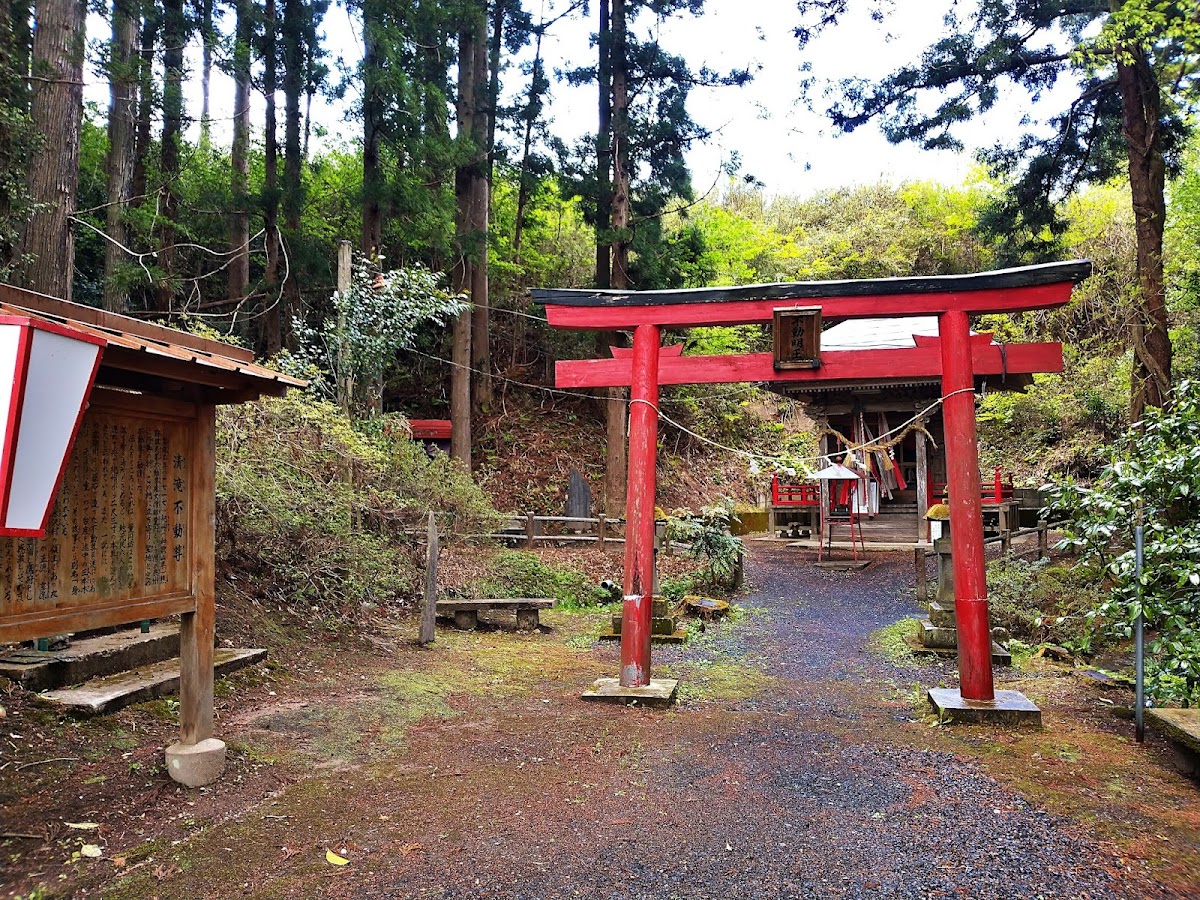
Between the male and female falls stands a hall enshrining Fudo Myoo. Fudo Myoo is one of the vidyarajas in Buddhism, venerated as a being who severs earthly desires and protects practitioners. The Fudo of Kiyotaki has drawn many pilgrims from both the local community and distant places.
The grounds, enveloped in cedar groves, are surrounded by a mystical atmosphere, bringing silence and peace to those who visit. Particularly at dawn or dusk, dappled sunlight reflects off the waterfall’s surface, creating a fantastical sight.
The Geology of the Kiyotaki Region and the Legend of 48 Waterfalls
The Kiyotaki district in the Furukawa region is known for its unique geological structure. This region’s geological characteristics enabled the formation of numerous waterfalls.
Geological Characteristics
The Kiyotaki district possesses a complex layered structure formed by volcanic activity and crustal movements. The alternating layers of hard bedrock and soft strata cause erosion by water flow to progress unevenly, creating numerous steps. This led to the formation of waterfalls.
Furthermore, this region is blessed with abundant underground water veins, ensuring stable water volume throughout the year. This is also the reason why Kiyotaki Fudo Falls maintains a constant water volume year-round.
Historical Records of 48 Waterfalls
The district is said to have had 48 waterfalls, but fewer waterfalls are currently confirmed to exist. With the passage of time, some waterfalls are believed to have disappeared due to land development and changes in the natural environment.
The number 48 also holds religious significance in Buddhism, such as in the 48 Vows and the 48 earthly desires. While it is uncertain whether the actual number of waterfalls was precisely 48, it can be considered a symbolic number indicating that this region was recognized as a sacred place since ancient times.
The History and Faith of Kiyotaki Fudo Falls
Kiyotaki Fudo Falls is not merely a natural landscape but a place of faith with a long history. Let us explore its origins and development.
The Origins of Fudo Myoo Faith
Faith in Fudo Myoo spread with the esoteric Buddhism (Shingon and Tendai) that was transmitted to Japan during the Heian period. Particularly connected to mountain worship and Shugendo practice, Fudo Myoo came to be enshrined in natural settings such as waterfalls and ravines where practitioners performed ascetic training.
While there are no clear historical records of when Kiyotaki Fudo Falls became an object of faith, it is believed that by the Edo period it was already recognized as an important sacred place in the region. In regions where agriculture was the main industry, waterfalls that brought the blessings of water were objects of prayer for abundant harvests.
Connection with Local Residents
Kiyotaki Fudo Falls has been deeply connected with the lives of local residents. Festival rites were held at fixed times each year, gathering people to pray for abundant harvests and household safety. Additionally, during droughts, prayers for rain were sometimes performed.
Currently, the site continues to be cleaned and maintained by local residents, functioning not only as a place of faith but also as a place symbolizing community solidarity.
Kiyotaki Fudo Falls Through the Four Seasons
Kiyotaki Fudo Falls displays a different face in each season. You can discover completely different attractions depending on when you visit.
Spring at Kiyotaki Falls
In spring, the surrounding trees bud and new greenery colors the area around the falls. With water from melting snow added, the water volume increases slightly, allowing visitors to see a vigorous flow. Spring sunlight filtered through the cedar groves creates beautiful patterns of light on the waterfall basin—truly nature’s artwork.
From April to May, mountain wildflowers come into bloom, offering opportunities for plant observation.
Summer at Kiyotaki Falls
Summer at Kiyotaki is an ideal place for those seeking coolness. The cedar groves block direct sunlight, and water spray from the falls lowers the surrounding temperature. Even in midsummer, the grounds remain cool, serving as a summer retreat.
The sound of the waterfall echoing through the serene space helps visitors forget the hustle and bustle of the city, making it a healing spot.
Autumn at Kiyotaki Falls
In autumn, fall foliage colors the area around the falls. The contrast between the green of the cedars and the autumn colors of the broadleaf trees is beautiful, and many photographers visit for picture-taking. The best time for viewing fall colors is particularly from late October to early November.
Enjoying the fall foliage while listening to the waterfall’s sound in the clear autumn air has a calming effect on the mind.
Winter at Kiyotaki Falls
In winter, Kiyotaki Falls continues to maintain its water volume despite severe cold. On particularly cold days, icicles form around the waterfall, creating a fantastical landscape. The combination of snow-covered cedar forest and frozen waterfall possesses a mystical beauty not seen in other seasons.
During winter, accumulated snow makes footing slippery, so proper equipment and caution are necessary when visiting.
Access to Kiyotaki Fudo Falls
Detailed instructions for accessing Kiyotaki Fudo Falls are provided below.
Access by Public Transportation
By Train
- The nearest station is Furukawa Station on the Tohoku Shinkansen
- From Furukawa Station, take a bus or taxi
By Bus
- From Furukawa Station, approximately 40 minutes by bus to Shimizusawa bus stop
- Walking is necessary from the bus stop
- As bus service is limited, it is recommended to check the timetable in advance
Access by Automobile
Using the Expressway
- Approximately 30 minutes from Furukawa Interchange on the Tohoku Expressway
- Search your car’s navigation system for “Osaki City Furukawa Kiyotaki” or “Kiyotaki Fudo”
Parking Information
- Parking space is available near the Fudo hall, but spaces are limited
- Congestion is expected on days when festivals and other events are held
- Street parking causes inconvenience to residents, so always park in designated areas
Location and Contact Information
Address
〒989-6321 Kiyotaki, Furukawa, Osaki City, Miyagi Prefecture
Contact Information
Osaki City Hall, Industrial and Economic Department, Tourism and Exchange Division
Phone Number: 0229-23-7097 (Main Number)
If you wish to confirm the latest information before your visit, please contact the Osaki City Tourism and Exchange Division.
Precautions and Etiquette During Your Visit
Kiyotaki Fudo Falls is a place of faith and an important location for local residents. Please note the following when visiting.
Basic Etiquette
- Maintain Quiet: Avoid speaking loudly or making noise within the grounds
- Take Trash with You: To protect the natural environment, always take trash with you
- No Smoking: Refrain from smoking in and around the grounds
- Do Not Collect Plants or Animals: Do not collect plants or living creatures to preserve nature
- Respect Off-Limits Areas: Do not enter dangerous areas or areas marked as off-limits
Safety Precautions
- The area around the falls has slippery footing. Wear appropriate footwear such as sneakers or hiking boots
- Extra caution is needed in rainy conditions or just after rain when surfaces are especially slippery
- Winter snow and ice increase the danger level. Visit with proper equipment
- Summer insect repellent is recommended
- If you are not feeling well, do not push yourself and prioritize safety
Nearby Tourist Attractions
Visiting nearby tourist attractions when you come to Kiyotaki Fudo Falls will make your trip more fulfilling.
Tourist Resources of Osaki City
Osaki City is home to the “Osaki Kodo” (Osaki Cultivated Soil), which is designated as a Globally Important Agricultural Heritage System (GIAHS). The sustainable paddy rice agriculture system was recognized in 2017. The water from Kiyotaki Fudo Falls also forms part of the water system supporting this abundant agriculture.
Historical and Cultural Heritage of the Furukawa Region
The Furukawa region retains history as a post town during the Edo period. You can experience the region’s history by visiting old townscapes and temples and shrines.
Local Specialties
Osaki City is known as a rice-growing region and is the birthplace of “Sasanishiki” rice. During your visit, it is also recommended to taste fresh local agricultural products and processed foods.
Conservation Activities for Kiyotaki Fudo Falls
Kiyotaki Fudo Falls and its surrounding environment are protected by the efforts of local residents and local government.
Maintenance by the Community
Regular cleaning activities and trail maintenance are conducted by local neighborhood associations and volunteers. These activities are essential not only for preserving the place of faith but also for maintaining an environment where visitors can safely visit.
Protection of the Natural Environment
The rich natural environment of the Kiyotaki district is important from the perspective of biodiversity. The cedar forest and streams are home to diverse flora and fauna, and protecting these ecosystems contributes to maintaining the waterfall’s scenic landscape.
When each individual visitor maintains environmental awareness, this valuable natural and cultural heritage can be passed on to future generations.
Photography Guide for Kiyotaki Fudo Falls
Kiyotaki Fudo Falls is also popular as a photography spot. Here are some tips for taking beautiful photographs.
Best Times for Photography
Early Morning: The time when morning sunlight filters through the trees captures a mystical scene. With fewer people around, you can photograph the serene atmosphere.
Overcast Days: Contrary to expectations, overcast conditions are actually ideal for waterfall photography. Without harsh direct sunlight creating strong contrast, the flow of the waterfall can be beautifully expressed.
Photography Techniques
Slow Shutter: Using a tripod and photographing with a slow shutter expresses the waterfall’s flow as smoothly as silk. A shutter speed of around 1/4 second to several seconds is appropriate.
Composition: Try various angles, such as framing both male and female falls or including the Fudo shrine in the composition.
Seasonal Elements: Incorporating seasonal elements such as autumn leaves, new green growth, or snow landscapes makes photographs more impressive.
Precautions While Photographing
- Use tripods in locations that will not inconvenience others
- Be considerate of pilgrims and avoid getting in their way
- For commercial use, advance permission may be required
- Check local rules regarding drone usage
Conclusion: The Charm of Kiyotaki Fudo Falls
Kiyotaki Fudo Falls is a precious spot in Osaki City, Miyagi Prefecture, where nature and faith merge. The unique landscape where the male fall and female fall face each other with Fudo Myoo enshrined between them leaves a profound impression on visitors.
The constant water volume maintained year-round, the geological background of the 48 waterfalls that once existed, the long history of Fudo faith, and beautiful natural scenery that changes with the seasons—all of these make Kiyotaki Fudo Falls a special place.
While access is somewhat inconvenient by public transportation, this has the benefit of preserving a serene environment. It is an ideal location for stepping away from urban bustle and settling your mind. By car, it is relatively easy to reach at approximately 30 minutes from Furukawa Interchange.
When visiting, it is important to remember that this is a place of faith and to respect nature and culture by following proper etiquette. We have a responsibility to treasure this valuable location, maintained through the efforts of local residents, and pass it on to future generations.
Kiyotaki Fudo Falls is not merely a tourist destination but a living heritage where Japan’s nature-based faith and regional culture continue to thrive. Please visit at least once to experience its mystical atmosphere and serene beauty. With multiple visits across different seasons, you will surely find new discoveries and inspiration.
.png)