Katsurahashimizu: Famous Spring Water in Kurihara City, Miyagi Prefecture | Comprehensive Guide to History, Access, and the Charm of the Seven Springs
Katsurahashimizu (かつらはしみず), located in the Takashimizu district of Kurihara City, Miyagi Prefecture, is one of Japan’s Hundred Famous Waters selected by the Ministry of the Environment in 1985 (Showa 60). The clear spring water that gushes from the base of a large Japanese Judas tree is affectionately called “katsurappo” by local residents and has long been cherished as a place of respite for local inhabitants and travelers.
This article provides a comprehensive explanation of the charm of Katsurahashimizu, including its historical background, relationship with the Seven Springs of Takashimizu, current usage, and access methods.
Overview and Characteristics of Katsurahashimizu
Basic Information
Katsurahashimizu is a spring located at 26 Chojoji, Takashimizu, Kurihara City, Miyagi Prefecture. Situated in a rural area at the foot of the Ou Mountains, abundant water springs from the base of a giant Japanese Judas tree said to be several hundred years old.
Location: 26 Chojoji, Takashimizu, Kurihara City, Miyagi Prefecture
Selection: Japan’s Hundred Famous Waters by the Ministry of the Environment (selected in Showa 60)
Local Name: Katsurappo
Water Quality: Cool and clear spring water
Value as a Hundred Famous Water
The Ministry of the Environment’s Hundred Famous Waters, selected nationwide in 1985, were chosen to preserve high-quality water environments and inherit regional water culture. Katsurahashimizu is recognized as a representative spring water of the Tohoku region, valued for its abundant discharge and excellent water quality.
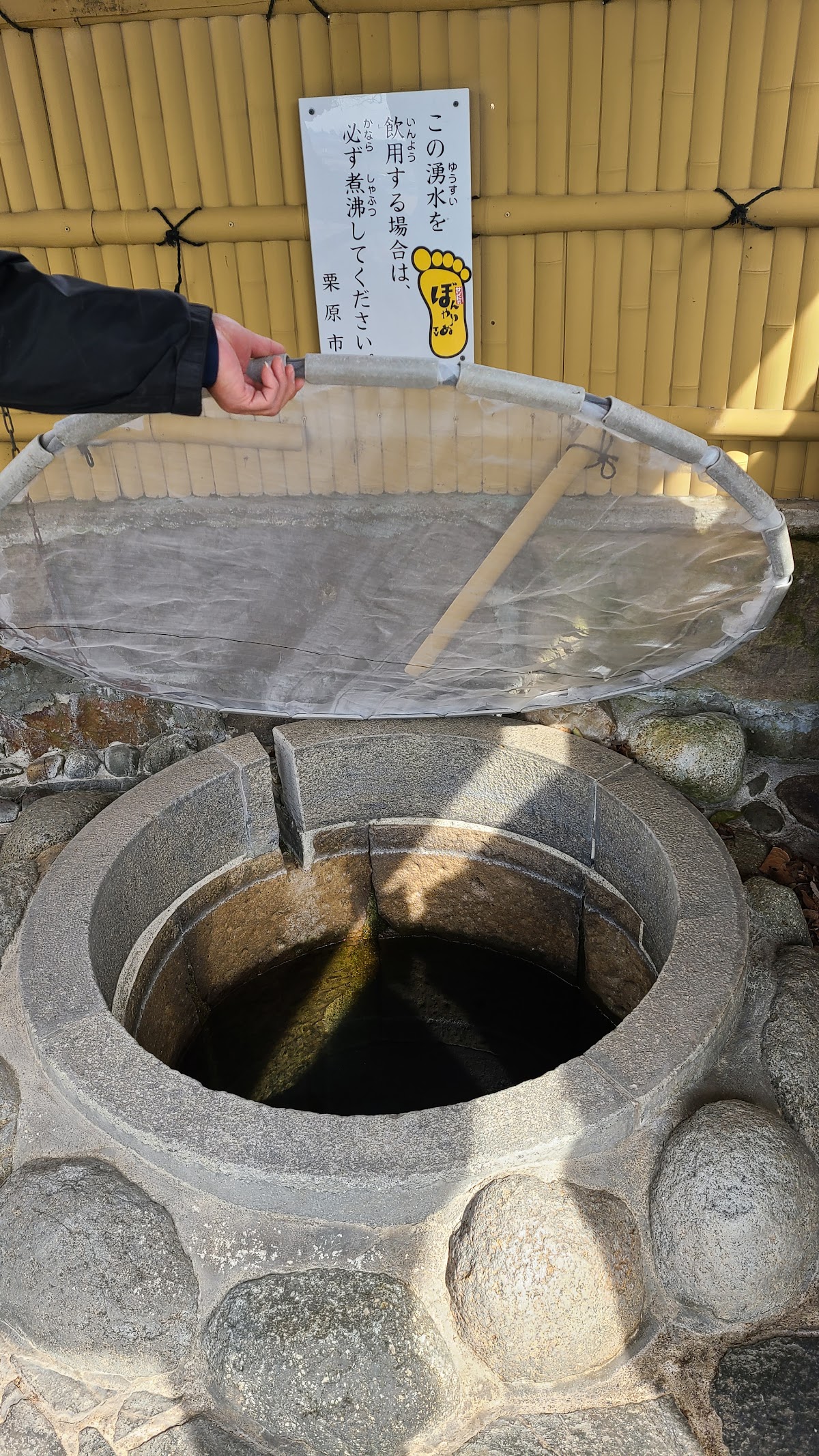
However, selection as a Hundred Famous Water does not necessarily guarantee suitability for drinking. If you plan to drink the water, please confirm the water quality status with the municipal government such as Kurihara City.
The Relationship Between the Giant Japanese Judas Tree and Spring Water
The most distinctive feature of Katsurahashimizu is that water springs from the base of an aged Japanese Judas tree. The Japanese Judas tree is known as a species that prefers water and naturally grows in locations with abundant groundwater veins. The tree itself serves as a natural indicator of the presence of groundwater.
In autumn, the leaves of the Japanese Judas tree turn golden and emit a distinctive sweet fragrance. The landscape created by this fragrance and clear spring water leaves a deep impression on all who visit.
The Seven Springs of Takashimizu and the Origin of the Place Name
History of the Seven Springs
The Takashimizu district of Kurihara City was once known for having seven springs (yugenshui). This abundance of spring water became the origin of the place name “Takashimizu.” The Seven Springs refer to the following springs:
- Katsurahashimizu (かつらはしみず) – The most famous with the largest discharge
- Shimizu Gongen Shimizu (しみずごんげんしみず)
- Shimizu Gongen Shita Shimizu (しみずごんげんしたしみず)
- Kongo-in Shimizu (こんごういんしみず)
- Honmachi Ura Shimizu (ほんまちうらしみず)
- Koyama Shita Shimizu (こやましたしみず)
- Shinmachi Ura Shimizu (しんまちうらしみず)
These springs played important roles as domestic water sources and irrigation water for agriculture in the region.
Current Status of the Seven Springs
Unfortunately, some of the Seven Springs have dried up. This is thought to be due to urbanization, changes in groundwater levels, and shifts in water usage. However, Katsurahashimizu continues to maintain a abundant discharge and has become a symbolic presence representing the Seven Springs of Takashimizu.
In 1992 (Heisei 4), the surrounding area was developed as a park, and it has since become a place of respite surrounded by rural scenery visited by many people.
Cultural Significance of Springs in the Region
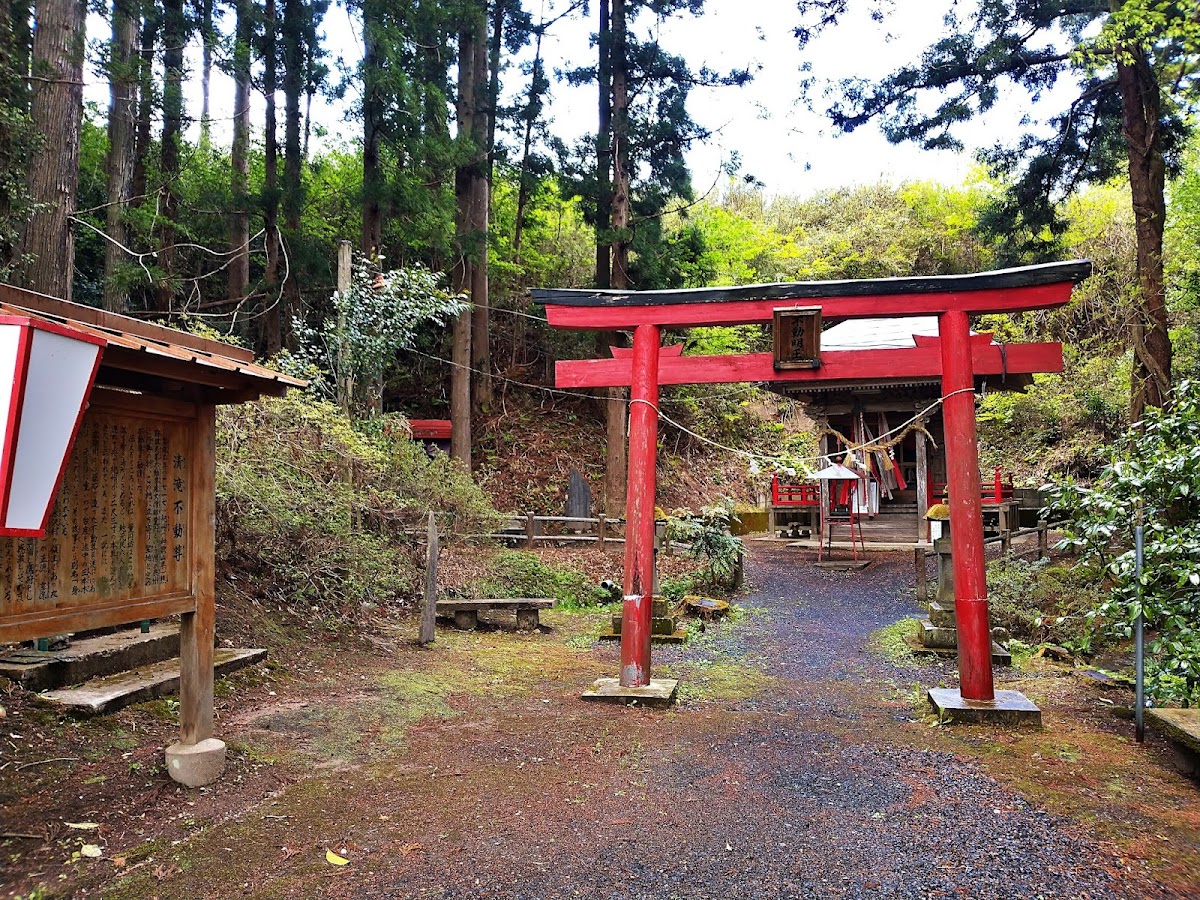
In the Takashimizu district, springs held significance beyond mere water sources. Springs were revered as sacred places and became objects of regional rituals and faith. The name “Shimizu Gongen Shimizu” itself reveals a history where spring water and Shinto shrine worship were intertwined.
Katsurahashimizu was no exception, functioning as purification water for those visiting shrines and as a gathering place for community interaction.
Historical Use of Katsurahashimizu
Travelers on the Oshu Kaido and Katsurahashimizu
From the Edo period through the Meiji era, Katsurahashimizu was a valuable rest stop for travelers using the Oshu Kaido highway. Springs along the highway were important points for relieving travel fatigue, and Katsurahashimizu’s abundant and cold spring water was welcomed by many travelers.
The Oshu Kaido was a major route connecting Edo and the Tohoku region, with diverse travelers passing through, from daimyo processions during the sankin-kotai system to merchants and general travelers. Katsurahashimizu was a memorable landmark in the memories of such travelers.
Sake Brewing and Katsurahashimizu
A particularly noteworthy aspect of Katsurahashimizu’s history is its use as sake brewing water. From the Meiji period through the early Showa period, the water quality of Katsurahashimizu was widely known, and sake breweries in thirteen towns and villages north of Sendai traveled long distances with ten-koku barrels (approximately 1,800 liters) attached to wagons or horse sleighs during the winter brewing season to draw water from this spring.
In Japanese sake brewing, water is one of the most important elements. The water of Katsurahashimizu is believed to have been ideal for sake brewing, containing appropriate minerals while being free of off-flavors. The fact that many sake breweries visited to obtain this precious water amid harsh winter conditions speaks to the high quality of Katsurahashimizu.
Role as Domestic Water
For local residents, Katsurahashimizu was an essential water source for daily life. It was used not only as drinking water but also for washing vegetables and rice, and as a place to escape the summer heat in various aspects of daily life.
Before the installation of tap water systems, the spring was also the center of the community. While drawing water and doing laundry, residents exchanged information and deepened community bonds through this gathering place.
Current Katsurahashimizu and Park Development
Park Development in the Heisei Period
In 1992 (Heisei 4), the area surrounding Katsurahashimizu was developed as a park. This development created an environment where visitors could comfortably enjoy the famous water.
The park is equipped with parking spaces, gazebos, benches, and other facilities for leisurely enjoying nature. The landscape centered on the giant Japanese Judas tree has been preserved, maintaining harmony with the rural scenery.
Current Usage
Today, Katsurahashimizu is utilized as a tourist attraction and as a place of respite for local residents. Due to its selection as one of Japan’s Hundred Famous Waters, visitors from across the country who collect famous springs come to visit.
Particularly during spring’s fresh greenery, summer’s cool season, and autumn’s fall foliage, many visitors come. It is also popular as a photography spot, and the landscape created by the giant Japanese Judas tree and clear spring water captivate many people.
However, if you plan to drink the water, it is recommended to confirm the water quality status with Kurihara City beforehand. Since it is natural spring water, water quality may change depending on the season and weather.
Regional Promotion and Katsurahashimizu
Kurihara City is working on regional promotion that leverages the water resources in the area, including Katsurahashimizu. Various initiatives are underway, such as product development utilizing famous waters and development of tourism routes centered on water.
Katsurahashimizu is introduced as an important spot in tourism promotions such as “Gyugyutto Kurihara” and plays a role in communicating the appeal of Kurihara City.
Access Methods to Katsurahashimizu
Access by Car
Access to Katsurahashimizu is most convenient by car.
When using the Tohoku Expressway:
- Approximately 15 minutes from Tatekiri Interchange
- Approximately 25 minutes from Furukawa Interchange
When using National Route 4:
- Accessible via prefectural roads from National Route 4
When using car navigation, you can search for “26 Chojoji, Takashimizu, Kurihara City, Miyagi Prefecture” or “Katsurahashimizu.” Parking spaces are equipped in the surrounding area.
Access by Public Transportation
The following routes are possible when using public transportation.
When using rail:
- Using the Tohoku Shinkansen
- Get off at Kurikoma Kogen Station
- Approximately 20 minutes from Kurikoma Kogen Station by taxi or rental car
- Using the JR Tohoku Main Line
- Get off at Semine Station
- Approximately 15 minutes from Semine Station by taxi
Since public transportation service is limited, it is recommended to check the timetable in advance or consider using a taxi or rental car.
Combination with Nearby Tourist Facilities
When visiting Katsurahashimizu, it is recommended to combine it with other tourist attractions within Kurihara City.
- Izu Marsh and Uchi Marsh: A Ramsar Convention registered wetland famous as a stopover point for migratory birds
- Mount Kurikoma: A mountain scenic area known as a famous autumn foliage destination
- Hosokura Mine Park: A theme park utilizing a former mining site
Planning a tourism route visiting these spots allows you to enjoy the nature and history of Kurihara City to the fullest.
Notes When Visiting Katsurahashimizu
Regarding Drinking
Although Katsurahashimizu is selected as one of Japan’s Hundred Famous Waters, this does not guarantee suitability for drinking. As natural spring water, water quality may fluctuate depending on season, weather, and changes in the surrounding environment.
If you wish to drink the water, it is strongly recommended to confirm the latest water quality status with Kurihara City Hall beforehand. You should also consider measures such as boiling the water before consumption.
Consideration for Environmental Conservation
Katsurahashimizu is a valuable natural resource. By each visitor being conscious of environmental conservation, this beautiful spring water can be preserved for future generations.
- Always take garbage with you
- Do not pollute the spring or surrounding environment
- Do not damage the Japanese Judas tree
- Do not draw large quantities of water
- Do not enter areas outside designated zones
By following these rules of conduct, we can ensure that future generations can also enjoy the beautiful Katsurahashimizu.
Best Times to Visit
Katsurahashimizu can be visited throughout the year, but each season offers different attractions.
Spring (April–May): The contrast between the fresh greenery of the Japanese Judas tree and clear spring water is beautiful
Summer (June–August): Many visitors seek coolness, and the cold spring water is refreshing
Autumn (September–November): The Japanese Judas tree leaves turn golden, and a distinctive sweet fragrance drifts in the air
Winter (December–March): The quiet winter landscape is deeply evocative
Autumn’s fall foliage season is particularly the best time to enjoy the color change and fragrance of the Japanese Judas tree leaves. However, during winter, there is a possibility of snowfall and icy road conditions, so caution is necessary when visiting.
Katsurahashimizu and Miyagi Prefecture’s Water Culture
Famous Waters and Spring Water Culture of Miyagi Prefecture
Miyagi Prefecture is a region blessed with abundant water resources. Clear water flowing from the Ou Mountains appears as springs throughout the prefecture, supporting people’s lives and culture.
Besides Katsurahashimizu, there are many famous springs in Miyagi Prefecture. Each of these springs has nurtured unique water culture in its respective region. Food cultures utilizing high-quality water have developed, such as sake brewing, tofu making, and soba noodle preparation.
The Hundred Famous Waters and Regional Identity
The selection of the Hundred Famous Waters in 1985 (Showa 60) became an opportunity to reconsider the region’s water resources. The selection of Katsurahashimizu raised awareness among local residents about protecting the water environment and formed a regional identity centered on the spring.
Today, Katsurahashimizu has become a symbol of Kurihara City’s Takashimizu district and a source of regional pride. Continuous cleaning activities and environmental conservation efforts by local residents are ongoing, with preservation efforts advancing through public and private cooperation.
Living in Coexistence with Water
The history of the Takashimizu district is precisely a history of living in coexistence with water. The abundant springs represented by the Seven Springs have nurtured agricultural fields as irrigation water, supported people’s daily lives as domestic water, and served as objects of faith as spiritual anchors.
Even in modern times, Katsurahashimizu symbolizes the relationship between the region and water. With advancing urbanization, the importance of inheriting such water culture is being re-recognized.
Conclusion: The Charm and Future of Katsurahashimizu
Katsurahashimizu in Kurihara City, Miyagi Prefecture, possesses value far beyond that of a mere spring. The clear water gushing from the base of a giant Japanese Judas tree hundreds of years old has the quality and history worthy of selection as a Hundred Famous Water.
As the representative of the Seven Springs of Takashimizu, a rest stop for travelers on the Oshu Kaido, and water utilized by many sake breweries, Katsurahashimizu’s rich history speaks of the deep relationship between water and people.
Since its park development in 1992 (Heisei 4), Katsurahashimizu has gained attention as a tourist attraction and has become a valuable place where nature can be experienced amid rural scenery. With good access from the Kurikoma Kogen Shinkansen Station and the Tohoku Expressway, it is a must-see spot when visiting Kurihara City.
When visiting, it is important to be mindful of environmental conservation and to be conscious of preserving this beautiful spring for future generations. If you wish to drink the water, be sure to confirm the water quality status with Kurihara City.
Katsurahashimizu is a valuable spot where you can experience Miyagi Prefecture’s rich water culture. Please visit in person to experience the natural beauty of each season and the blessings of water nurtured by history.