Complete Guide to Keiji Shimizu (Yonezawa City, Yamagata Prefecture) | A Famous Spring Associated with Maeda Keiji
“Keiji Shimizu,” a spring that quietly continues to flow in Dômori, Bansei Town, Yonezawa City, Yamagata Prefecture, is known as the groundwater that Maeda Keiji, a “kabuki-mono” (eccentric) who lived during the Sengoku period, used in his later years. Even after more than four hundred years, this clear spring still holds pristine water and stands as a precious historical site that conveys the historical romance of Maeda Keiji to the present day.
This article provides comprehensive information you should know before visiting, from the historical background of Keiji Shimizu to what the site looks like currently, access methods, and related historical sites in the surrounding area.
Keiji Shimizu | A Historically Significant Spring Associated with Maeda Keiji
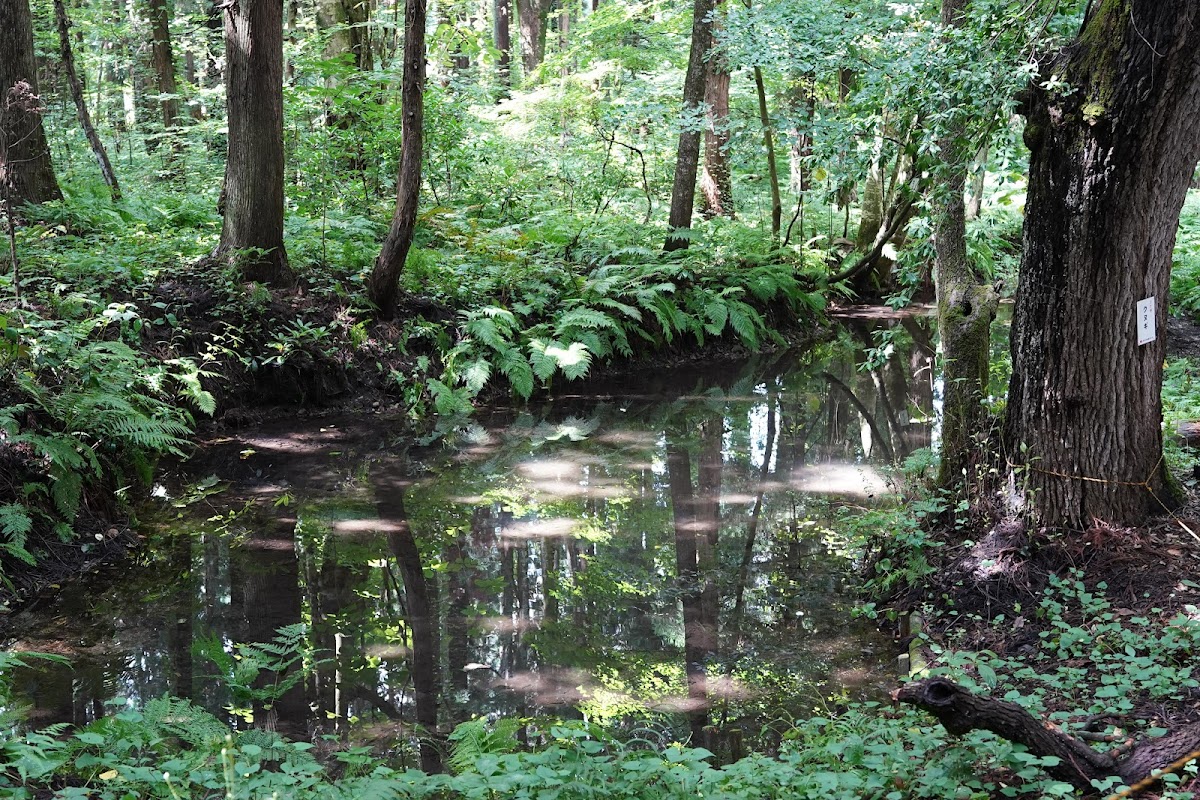
Keiji Shimizu is a natural spring pool located in Dômori, Bansei Town, Yonezawa City. Despite its modest scale with a depth of approximately 0.12 meters and a spring flow rate of 0.03 cubic meters per second, it has continuously produced water for about 400 years without drying up.
This spring came to be called “Keiji Shimizu” because of Maeda Keiji, who spent his final years in this area during the early Edo period, used it in his daily life. Today, it has been selected as one of “Village Famous Waters – Yamagata Hundred Selections,” and is cherished as one of Yamagata Prefecture’s representative natural springs.
How Maeda Keiji Came to Settle in Yonezawa
Maeda Keiji (前田慶次) was a military commander who was active from the Sengoku period into the early Edo period. His real name was Maeda Toshisaku (前田利益), and he is known as a “kabuki-mono” who left behind numerous anecdotes.
In Keicho 6 (1601), Keiji moved to Yonezawa with the Uesugi clan when his lord, Uesugi Kagekatsu, was reduced from the Aizu domain of 1.2 million koku to the Yonezawa domain of 300,000 koku. While serving as a senior retainer of the Uesugi clan in Yonezawa, Keiji is said to have withdrawn to a modest hermitage called “Mukuan” (無苦庵) in the remote Dômori area and lived a reclusive life devoted to the arts.
The Relationship Between Mukuan and Keiji Shimizu
The “Mukuan” hermitage where Maeda Keiji made his residence is said to have been located near the present-day Dômori Zenkô Temple. Keiji Shimizu is positioned about 500 meters east of this hermitage and served as an important water source in Keiji’s daily life.
Use as Drinking Water
At that time, securing clean drinking water was fundamental to daily life. Keiji Shimizu is said to have been used as essential drinking water for life at the Mukuan hermitage. Some accounts suggest that Keiji himself discovered this spring, while others claim he improved an existing spring for the purpose of securing drinking water.
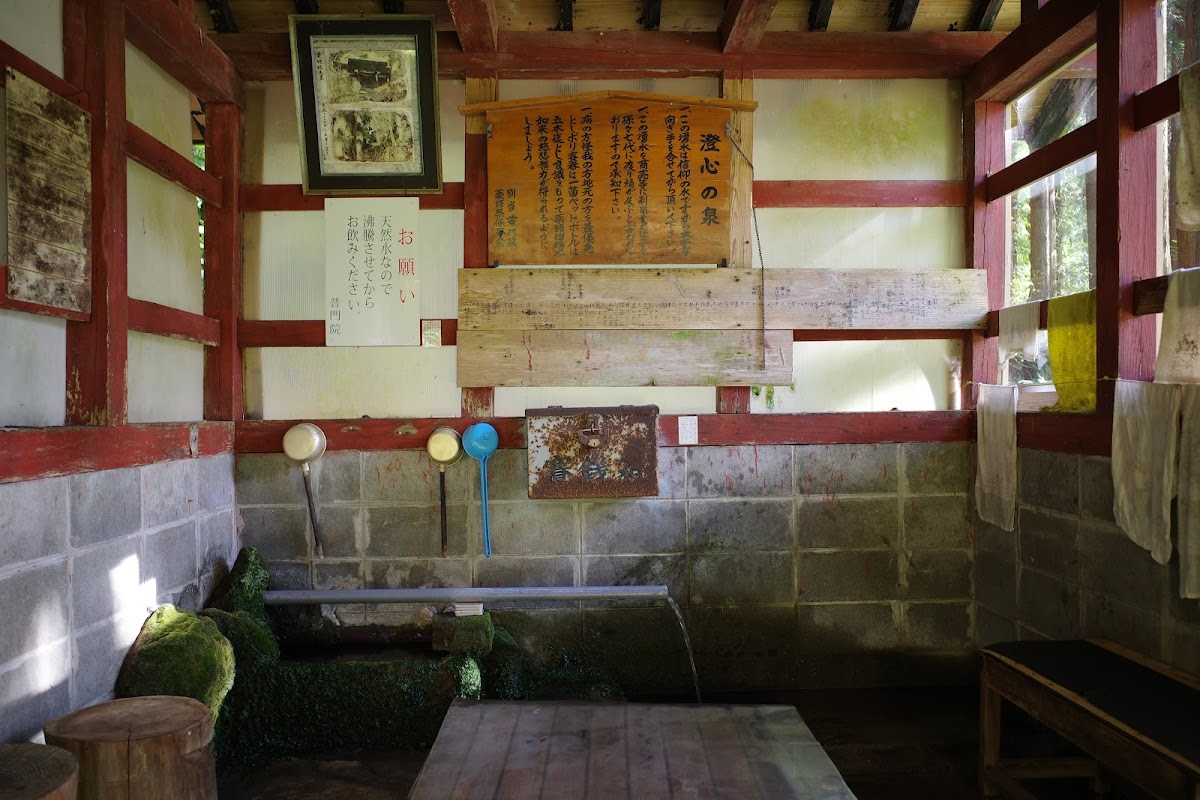
The water quality of the spring is good, and water quality tests are still conducted regularly today, with inspection reports posted on-site. Cups for visitors are also provided, and the spring remains a precious historical groundwater that can actually be drunk today.
Diverse Uses in Daily Life
Beyond drinking water, Keiji Shimizu is thought to have been used for cooking, laundry, and other daily household activities. It was the very source of life that supported Keiji’s simple yet refined lifestyle.
Today, the spring is also used for agricultural water, and even after more than 400 years, it continues to serve the local people.
The Current State of Keiji Shimizu
Location and Environment
Keiji Shimizu is located in a mixed forest adjacent to the Yahata-hara Ryokuchi Baseball Stadium. It quietly continues to flow in the peaceful surroundings of Yonezawa’s suburbs, where residential areas and farmland spread.
The area around the spring has been maintained and takes the form of a small pond. Surrounded by trees, you can view the clear water surface in a calm atmosphere. The surrounding landscape changes with the seasons, offering views of spring’s fresh greenery, summer’s deep green, autumn’s colored leaves, and winter’s snowy scenery.
Facilities and Viewing
An information board explaining the origins of Keiji Shimizu has been installed on-site, where you can learn about its connection to Maeda Keiji and its historical background. Water quality test results are also posted, so you can drink the water with confidence.
The provision of visitor cups is also characteristic, allowing for the precious experience of tasting the same water from 400 years ago. However, as it is natural spring water, drinking is at your own discretion.
Value as a “Village Famous Water – Yamagata Hundred Selections”
Keiji Shimizu is counted as one of the “Village Famous Waters – Yamagata Hundred Selections” designated by Yamagata Prefecture. This is a system aimed at preserving and transmitting excellent springs and clear streams within the prefecture to future generations, and Keiji Shimizu was selected for its historical value and water quality.
While there are many famous springs throughout Yamagata Prefecture, Keiji Shimizu holds a special position as groundwater associated with a Sengoku-period warlord.
Access Methods and Parking Information
Access by Car
Car access to Keiji Shimizu is convenient. It is located approximately 15 minutes from central Yonezawa.
Main Routes:
- Approximately 10 minutes from “Yonezawa Chuo IC” on the Tohoku Chuo Expressway
- Approximately 15 minutes by car from JR Yonezawa Station
Parking
You can use the free parking lot at Yahata-hara Ryokuchi Baseball Stadium. Since it is adjacent to the baseball stadium, it may be crowded during sports events, but there is usually ample space.
It is only a few minutes’ walk from the parking lot to Keiji Shimizu.
Access by Public Transportation
If using public transportation, taking a taxi from JR Yonezawa Station is the most practical option. Access by route bus is limited, so it is recommended to check the latest transportation information with the Yonezawa City tourist information office before your visit.
Related Historical Sites Associated with Maeda Keiji in the Surrounding Area
When visiting Keiji Shimizu, be sure to tour the nearby historical sites connected to Maeda Keiji.
Dômori Zenkô Temple and Maeda Keiji Memorial Pagoda
About 500 meters west of Keiji Shimizu, Dômori Zenkô Temple has a memorial pagoda for Maeda Keiji. The site is considered to be near where Keiji’s hermitage, Mukuan, was located in his later years, and as Keiji’s grave site, it attracts many history enthusiasts.
The memorial pagoda, though modest, is carefully maintained, allowing you to reflect on Keiji’s character. Zenkô Temple itself is a historic temple, and its quiet grounds are suitable for a leisurely walk.
Mukuan Ruins
The area around Dômori Zenkô Temple is believed to be the site of the Mukuan hermitage. While no clear remains exist today, information plaques have been installed, allowing visitors to imagine what kind of life Keiji led in this location.
The name “Mukuan” (meaning “without suffering”) is said to reflect Keiji’s philosophy of life—”a life without hardship”—and contrasts with his image as a flamboyant warlord, revealing a quieter, more refined figure in his later years.
Related Spots in Yonezawa City Center
There are numerous historical sites related to the Uesugi clan in central Yonezawa. Visiting Uesugi Shrine and the Uesugi clan mausoleum, among other sites, can deepen your understanding of the clan that Keiji served and provide greater insight into Keiji’s position and life in Yonezawa.
Best Season to Visit and Important Notes
Recommended Seasons
Keiji Shimizu can be visited year-round, but spring through autumn are particularly recommended.
- Spring (April–May): Beautiful fresh greenery and pleasant weather
- Summer (June–August): Deep green foliage and a refreshing atmosphere
- Autumn (September–November): Beautiful autumn leaves and ideal for historical exploration
During winter (December–March), there is snow, requiring attention to your footing. However, the spring amid snowy scenery also has its charm and is worth visiting.
Notes When Visiting
- Clothing: Since the site is in a mixed forest, comfortable walking shoes and easy-to-move-in clothing are recommended. In summer, remember to bring insect repellent.
- Regarding Drinking Water: While water quality tests are conducted, understand that it is natural spring water and drink at your own discretion.
- Environmental Conservation: In order to preserve this historic spring for future generations, always take your trash with you and be careful not to pollute the area around the spring.
- Photography Etiquette: Photography is permitted, but be careful not to trespass on private land or farmland.
Maeda Keiji: The Person | Anecdotes and Appeal
Learning about Maeda Keiji before visiting Keiji Shimizu will allow you to enjoy the historical site more deeply.
Life as a “Kabuki-mono”
Maeda Keiji is known as a “kabuki-mono.” The term “kabuki-mono” refers to people who lived unconventionally and freely, unconstrained by common sense, and Keiji was known for his flamboyant attire and bold actions.
In his youth, as the nephew of Maeda Toshiie, he served the Kaga Maeda clan, but he left the household due to succession disputes and wandered from place to place. He later served Uesugi Kagekatsu and deepened his friendship with Naoe Kanetsugu.
A Cultured Man of Both Military and Literary Arts
Beyond martial prowess, Keiji was a well-educated man skilled in Japanese poetry, the game of go, calligraphy, and painting. During his life at Mukuan, he is said to have enjoyed such refined pursuits while living simply yet fulfilling days.
Anecdotes of his go playing also survive, suggesting his high cultural refinement. One can imagine Keiji spending graceful moments by Keiji Shimizu, listening to the sound of water.
Keiji’s Final Years
Maeda Keiji is said to have closed his life in Yonezawa around Keicho 17 (1612). His age at death varies by account, but is believed to have been in his late sixties to seventies.
After a tumultuous life, what Keiji chose in his final years was a quiet reclusive life in a remote mountain village of Yonezawa. Keiji Shimizu is a precious historical site that conveys such a peaceful final chapter of Keiji’s life to the present day.
Yonezawa’s Deep Connection to Maeda Keiji
Yonezawa City carefully preserves and cherishes its history and culture as a place associated with Maeda Keiji.
The Yonezawa Maeda Keiji Society
There is an organization called the “Yonezawa Maeda Keiji Society” in the local area that works to preserve and honor Keiji’s historical sites. It also cooperates in the maintenance and management of related historical sites such as Keiji Shimizu, serving to connect history enthusiasts with the community.
Use as a Tourism Resource
While Yonezawa is known as the castle town of the Uesugi clan, Maeda Keiji is also positioned as an important historical figure. Keiji Shimizu is gaining attention as a hidden gem in Yonezawa tourism, particularly among history enthusiasts.
In recent years, the appeal of Keiji has spread to younger generations through influences such as the manga “Hana no Keiji,” and the number of tourists visiting Keiji Shimizu is on an upward trend.
Preservation and Future of Keiji Shimizu
Though Keiji Shimizu has continued to flow for more than 400 years, continuous effort is necessary for its preservation.
Water Quality Conservation Efforts
Regular water quality tests are conducted to maintain drinkable conditions. Preservation of the surrounding environment is also important, and local residents, government agencies, and related organizations cooperate to protect the spring’s environment.
Transmitting Historical Value
Efforts are underway to pass on to the next generation not merely the significance of a spring, but its value as a cultural asset deeply connected to the historical figure Maeda Keiji. Through the installation of information boards and information dissemination, efforts continue to help many people understand the historical significance of Keiji Shimizu.
The Significance of Visiting Keiji Shimizu
Keiji Shimizu is not merely a tourist attraction. The ability to see, touch, and drink the same water that a Sengoku-period warlord actually used 400 years ago in the same location is a precious experience that bridges history and the present.
Maeda Keiji, a “kabuki-mono,” chose a quiet reclusive life for his final years. The clear spring that sustained his daily life continues to flow unchanged to this day. By visiting Keiji Shimizu, you can feel the breath of a historical figure and taste a romance that transcends time.
When visiting Yonezawa, be sure to visit Keiji Shimizu and taste the water that Maeda Keiji loved. The spring that quietly flows in the mixed forest will greet you with the same appearance as 400 years ago.