Sumigokoro Spring (Yonezawa City, Yamagata Prefecture) | The Complete Picture of Mysterious Spring Water Gushing at Bumon-in Temple, Linked to Lord Uesugi Takayama
“Sumigokoro Spring,” which quietly gushes from the grounds of Bumon-in Temple in Yonezawa City, Yamagata Prefecture, is clear water that has long been cherished by local residents as the “Medicine Master’s Water.” Despite the mountain having no streams or water pools, this mysterious water gushes forth as if drawn up by stones, and it is said that after being filtered through stone over many years, it has never once run dry.
This article comprehensively introduces information you should know before visiting Sumigokoro Spring, which gushes at Bumon-in Temple, a place associated with Lord Uesugi Takayama, including its historical background, geological characteristics, access methods, and nearby attractions.
Sumigokoro Spring | Selected as Famous Water in Yamagata Prefecture’s “Rural Spring Water and One Hundred Selected Waters of Yamagata”
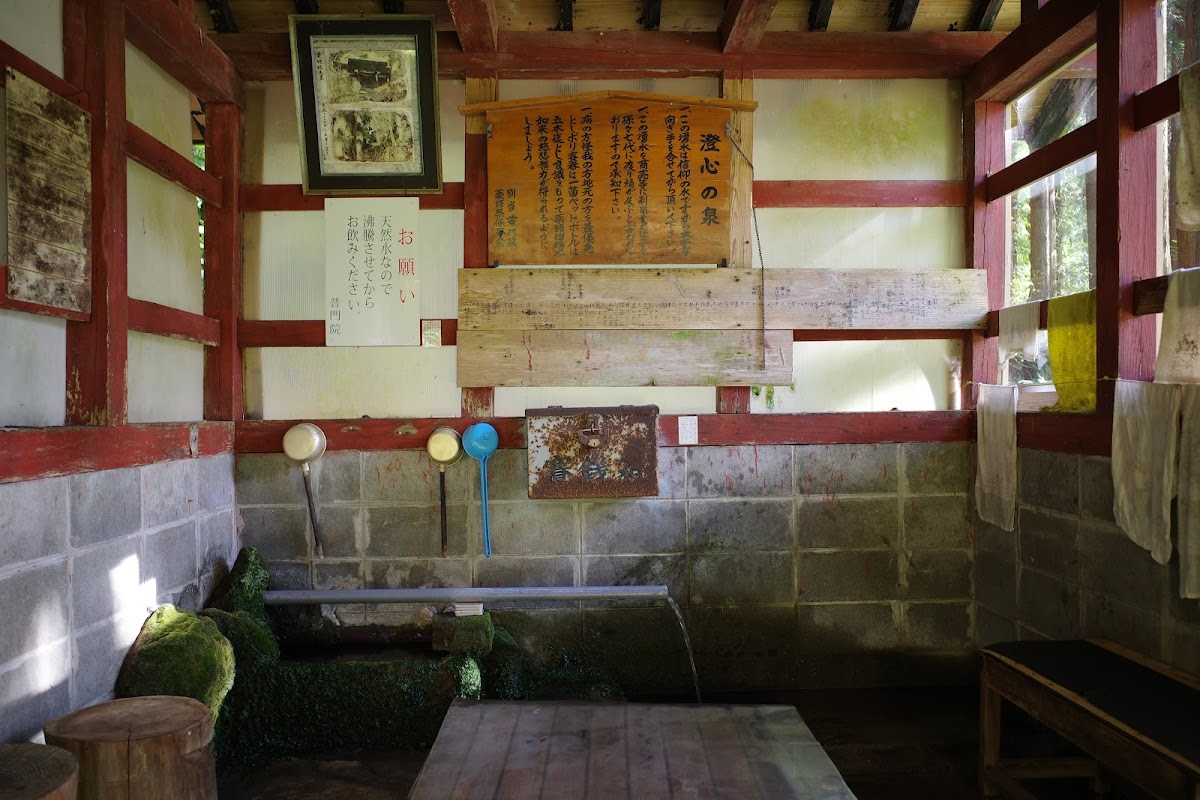
Sumigokoro Spring is spring water registered as No. 49 in Yamagata Prefecture’s “Rural Spring Water and One Hundred Selected Waters of Yamagata.” Located at the foot of the mountain where Kintendo Yakushi Hall (also called Korori Yakushi) is enshrined within the grounds of Bumon-in Temple in Yonezawa City, clear water gushes forth without ceasing.
What is “Rural Spring Water and One Hundred Selected Waters of Yamagata”?
Yamagata Prefecture is blessed with a rich natural environment, with high-quality spring water scattered throughout the prefecture. “Rural Spring Water and One Hundred Selected Waters of Yamagata” is a group of famous waters selected by Yamagata Prefecture for the purpose of conserving these precious water resources and passing them on to future generations. Sumigokoro Spring was selected for this hundred waters based on its historical value, water quality, and connection to the community.
Characteristics and Water Quality of the Spring Water
The greatest characteristic of Sumigokoro Spring is that it is “mysterious water” that gushes forth despite there being no streams or water pools at the foot of the mountain. From a geological perspective, it is believed that the water becomes clean as it naturally filters through deep underground rock formations and stone layers over a long period of time before appearing at the surface.
This clear water has a history of being used as domestic water by local residents, and its water quality has been proven by the people of the area over generations. In water quality surveys conducted by Yamagata Prefecture, this water has been confirmed to be high-quality water suitable for drinking.
Bumon-in Temple and Sumigokoro Spring | Historic Temple Associated with Lord Uesugi Takayama
Bumon-in Temple, where Sumigokoro Spring gushes, is a nationally designated historic site in Yonezawa City and is known as a place associated with Lord Uesugi Takayama, a renowned wise ruler of the Edo period.
History of Bumon-in Temple
Bumon-in Temple has a long history and was also one of the bases of spiritual culture that Lord Uesugi Takayama, the Yonezawa clan lord, valued as part of his domain reforms. The temple grounds feature the main hall and historic structures of high cultural value such as Kintendo Yakushi Hall, creating beautiful scenery with plants and trees that change with the seasons.
Kintendo Yakushi Hall (Korori Yakushi) and Its Relationship with Sumigokoro Spring
Kintendo Yakushi Hall, which stands where Sumigokoro Spring gushes, has the alternate name “Korori Yakushi.” While there are various theories about the origin of this name, a legend has been passed down that when an epidemic once raged, people prayed to this Medicine Master and avoided illness by drinking the water from Sumigokoro Spring.
For this reason, local residents call Sumigokoro Spring the “Medicine Master’s Water,” and have continued to protect it carefully not only as an object of faith but also as a precious water resource in their daily lives. This connection between water and faith is an example that symbolizes the spirituality in Japanese water culture.
The Geological Mechanism of Sumigokoro Spring | Why It Never Runs Dry
The reason Sumigokoro Spring is called “mysterious water” lies in its gushing mechanism.
Groundwater System and Recharge Area
The geological structure around the Yonezawa Basin has complex underground water veins flowing from the Azuma and Iide mountain ranges. Although the hillside where Sumigokoro Spring is located appears to have no streams or pools as water sources, a vast mountainous area actually serves as a recharge area (a region that stores groundwater), with precipitation and snowmelt seeping deep underground.
Natural Filtration System Through Rock Formations
Water that seeps underground passes through rock formations and gravel layers over tens to hundreds of years. Through this process, impurities are removed, and the water becomes clear water containing an appropriate amount of minerals. The expression that Sumigokoro Spring’s water is “drawn up by stones” represents an intuitive grasp of this natural filtration system.
The Secret of Stable Spring Water Volume
The fact that Sumigokoro Spring has never run dry indicates that the groundwater system behind it is extremely stable. A vast recharge area and deep aquifer ensure a water source that is not easily affected by seasonal variations or changes in rainfall.
Access to Sumigokoro Spring | How to Get There from Yonezawa City
To visit Sumigokoro Spring, first head to Bumon-in Temple.
Basic Information
- Location: Yonezawa City, Yamagata Prefecture
- Management: Bumon-in Temple
- Viewing: Temple grounds are open (however, observe temple etiquette)
- Parking: Parking space for visitors available on the temple grounds
Access by Public Transportation
Use a route bus or taxi from JR Yonezawa Station. Since Yonezawa City has tourist attractions scattered throughout, renting a car is also convenient. Bumon-in Temple is located relatively close to the city center, making access good.
Access by Car
Approximately 15 minutes from the Yonezawa Central IC on the Tohoku Central Expressway. Enter “Bumon-in Temple” or the address into your car navigation system for directions. There is parking on the temple grounds, but it is reserved for visitors, so please use it responsibly.
Precautions When Visiting
- Bumon-in Temple is an active temple, so observe proper visiting etiquette
- Sumigokoro Spring is also domestic water for local residents. Care must be taken not to pollute the water
- Photography is permitted, but there are places where photography is prohibited, such as inside the main hall
- Always take your trash with you
- Avoid loud conversations and excessive noise
Attractions Around Sumigokoro Spring | Enjoying Them Together with Yonezawa Tourism
Visiting Sumigokoro Spring becomes a more fulfilling experience when combined with other tourist spots in Yonezawa City.
Uesugi Shrine and Uesugi Family Mausoleum
Uesugi Shrine, a representative tourist attraction of Yonezawa City, is a shrine dedicated to Lord Uesugi Kenshin. The adjacent Uesugi Family Mausoleum is a nationally designated historic site, where tombs of successive clan lords stand in a solemn atmosphere. Since Bumon-in Temple is a place associated with Lord Uesugi Takayama, visiting it is recommended as part of a journey tracing the history of the Uesugi family.
Yonezawa Castle Ruins (Matsugaoka Park)
Yonezawa Castle Ruins, where Uesugi Shrine is located, are now developed as Matsugaoka Park and are also known as a cherry blossom viewing spot. In spring, approximately 200 cherry trees bloom in profusion, attracting many tourists.
Denkoku-no-Mori (Yonezawa City Uesugi Museum)
A museum displaying precious cultural properties handed down by the Uesugi family. You can learn about the history of Lord Uesugi Takayama’s reforms, including the National Treasure “Uesugi Rakuchu Rakugai Byobu Screen.” A visit is recommended to deepen your understanding of the historical background of Bumon-in Temple, where Sumigokoro Spring gushes.
Yonezawa’s Spring Water Tour
Yonezawa City has several other springs and famous water spots besides Sumigokoro Spring. Touring other famous waters selected for “Rural Spring Water and One Hundred Selected Waters of Yamagata” is a good opportunity to experience Yamagata Prefecture’s rich water culture.
Sumigokoro Spring Through the Seasons | Which Season Should You Visit?
Sumigokoro Spring can be visited year-round, but it has different attractions for each season.
Spring (March–May)
The season of snowmelt arrives, and plants and trees on the temple grounds begin to bud. The cherry blossoms and fresh greenery of Bumon-in Temple are beautiful, and the transparency of the clear water increases. There is joy in visiting famous water as you feel the arrival of spring.
Summer (June–August)
A season when the cool clear water of Sumigokoro Spring feels particularly pleasant amid the lush green temple grounds. On hot days, you can enjoy coolness at the water’s edge, filled with refreshing sensations.
Autumn (September–November)
A season of beautiful autumn foliage. The trees on the temple grounds change color, and the autumn leaves reflected on the water of Sumigokoro Spring are exceptionally beautiful. You can spend quiet, serene moments in the clear autumn air.
Winter (December–February)
The snow-covered temple grounds are enveloped in a grave and mysterious atmosphere. Winter is a season when you can experience the strength of Sumigokoro Spring, which does not run dry even in cold weather. However, pay attention to heavy snow and icy road conditions.
Efforts to Protect Famous Water | Conservation Activities by the Community and Administration
For precious famous water like Sumigokoro Spring to be passed on to future generations, continuous conservation efforts are essential.
Water Quality Surveys by Yamagata Prefecture
Yamagata Prefecture conducts periodic water quality surveys on famous waters selected for “Rural Spring Water and One Hundred Selected Waters of Yamagata.” This allows monitoring of changes in water quality and implementation of necessary measures for environmental conservation. Survey results are made public, allowing prefectural residents to learn about the condition of the famous water.
Cleanup Activities by Local Residents
Parish members and local residents of Bumon-in Temple regularly conduct cleanups and environmental improvements around the temple grounds and Sumigokoro Spring. These steady efforts form the foundation for maintaining the beauty and purity of the famous water.
Request to Visitors
When visiting famous water, please note the following:
- Do not pollute the water source (do not use detergents or chemicals)
- Do not litter; always take your trash with you
- Do not collect large amounts of water (it is also domestic water for local residents)
- Do not damage the surrounding natural environment
- Follow the instructions of managers on private land or temple grounds
Sumigokoro Spring and Yamagata’s Water Culture | The Community Activities Fostered by Famous Water
Yamagata Prefecture is a region blessed with abundant water systems, including the Mogami River. Spring water like Sumigokoro Spring is not merely a tourism resource but forms the foundation supporting the community’s life and culture.
Famous Water as Domestic Water
Sumigokoro Spring is simultaneously an object of faith as the “Medicine Master’s Water” for local residents and practical domestic water. Before modern water systems were established, such springs were important infrastructure supporting regional society.
The Connection Between Faith and Water
One characteristic of Japanese water culture is that water and faith are deeply intertwined. The relationship between Sumigokoro Spring and Kintendo Yakushi Hall is a typical example of this. Clear water was revered as sacred, and it was believed to have the power to heal illness.
A Core of Regional Identity
Famous water like Sumigokoro Spring is an important element in forming regional identity. The pride that “our region has such wonderful water” strengthens community cohesion and raises awareness of environmental conservation.
Other Famous Waters and Spring Water Spots in Yonezawa
There are other water spots worth visiting in Yonezawa City and the Okitama region besides Sumigokoro Spring.
Springs in Yonezawa City
Several spring water points are scattered around Yonezawa City. The abundant groundwater supported Yonezawa’s development as a castle town.
Famous Waters in the Okitama Region
The Okitama region (Yonezawa City, Nanyo City, Nagai City, Shirataka Town, Iide Town, Kawanishi Town, and Oguni Town) has multiple famous waters selected for “Rural Spring Water and One Hundred Selected Waters of Yamagata.” Each has its own unique history and characteristics, allowing you to enjoy a journey of famous water touring.
What to Bring and What to Wear When Visiting Sumigokoro Spring
Here are suggestions for preparation to make your visit to Sumigokoro Spring comfortable.
Recommended Items to Bring
- Camera (to photograph the beautiful temple grounds and clear water)
- Bottle for drinking water (if collecting water, confirm permission beforehand)
- Towel
- Insect repellent spray (summer season)
- Rain gear (weather can change in mountainous areas)
Notes on Clothing
- Comfortable walking shoes (the temple grounds may have slopes and stone steps)
- Seasonal clothing (take warmth precautions in winter)
- Modest clothing appropriate for visiting a temple
Conclusion | Sumigokoro Spring is a Treasure of Yonezawa, Pride of Yamagata
Sumigokoro Spring is historic spring water gushing at Bumon-in Temple in Yonezawa City, Yamagata Prefecture. This mysterious clear water that gushes endlessly without ever running dry, despite the lack of streams at the foot of the mountain, is a gift of nature filtered through rock formations over many years and has been cherished by local residents as the “Medicine Master’s Water.”
Bumon-in Temple and Sumigokoro Spring gushing at Kintendo Yakushi Hall (Korori Yakushi), places associated with Lord Uesugi Takayama, are symbols of Yonezawa’s history and culture. This famous water, selected for “Rural Spring Water and One Hundred Selected Waters of Yamagata,” is protected through the efforts of local people and continues to provide clear water and peace of mind to those who visit today.
When visiting Yonezawa, be sure to visit Sumigokoro Spring and experience firsthand the mysterious mechanism of its spring water and Japanese culture’s appreciation for water. Along with the beautiful scenery of the temple grounds in each season, you will surely spend time where your mind becomes as clear as the water.
Visiting famous water is an opportunity to express gratitude for nature’s gifts and to reaffirm the importance of environmental conservation. Let us all begin doing what we can to ensure that Sumigokoro Spring continues to gush forth unchanged.