Hitomaru Shrine (Sano City, Tochigi Prefecture) Complete Guide | Ancient Wanyaku Shrine Dedicated to the Poetry Saint Kakinomoto no Hitomaro
Hitomaru Shrine, located in Konaka-cho, Sano City, Tochigi Prefecture, is a historic shrine that enshrines Kakinomoto no Hitomaro, a poet from the Asuka period. As one of the Thirty-Six Poetry Immortals who left many excellent poems in the Man’yōshū anthology, this poetry saint has attracted the faith of those pursuing literature and the arts. This article comprehensively covers information you should know before visiting Hitomaru Shrine, including its history, highlights, goshuin stamp information, and access methods.
History and Origins of Hitomaru Shrine
Kakinomoto no Hitomaro and the Founding of Hitomaru Shrine
Kakinomoto no Hitomaro (also written as Kakinomoto no Hitomaru), the enshrined deity of Hitomaru Shrine, was a poet representative of the Asuka period and is revered as the “Poetry Saint” for having left numerous excellent works among those collected in the Man’yōshū. According to the tradition of Hitomaru Shrine, when Hitomaro visited this area, he was captivated by its scenic beauty and is said to have composed many poems here.
After Hitomaro’s death, the beginning of Hitomaru Shrine is said to have been when the local people, admiring his achievements and virtue, invited a branch spirit to this location. Since then, it has continuously attracted the faith of local people and has been revered as a deity of literature, arts, and learning.
The Folk Oral Tradition of “Fire Ceases”
An interesting folk oral tradition passed down at Hitomaru Shrine concerns the origin of the name “Hitomaru.” According to the shrine’s tradition, “Hitomaru” was originally transmitted as “Hi Tomaru” (火止る, “fire ceases”), suggesting that the shrine was also believed to prevent fires. This tradition shows an interesting form of folk belief where the name “Hitomaru” of Kakinomoto no Hitomaro became connected with “fire ceases” as a regional faith.
Grounds and Highlights of Hitomaru Shrine
The First Torii Gate and Approach
Upon visiting Hitomaru Shrine, the first thing that catches the eye is a magnificent first torii gate. Passing through this gate, there is a parking space ahead, with a visitor-friendly layout. The approach path leading from the gate to the main hall is enveloped in a serene atmosphere, allowing visitors to calm their minds away from urban hustle and bustle.
Sacred Pond and Natural Monument
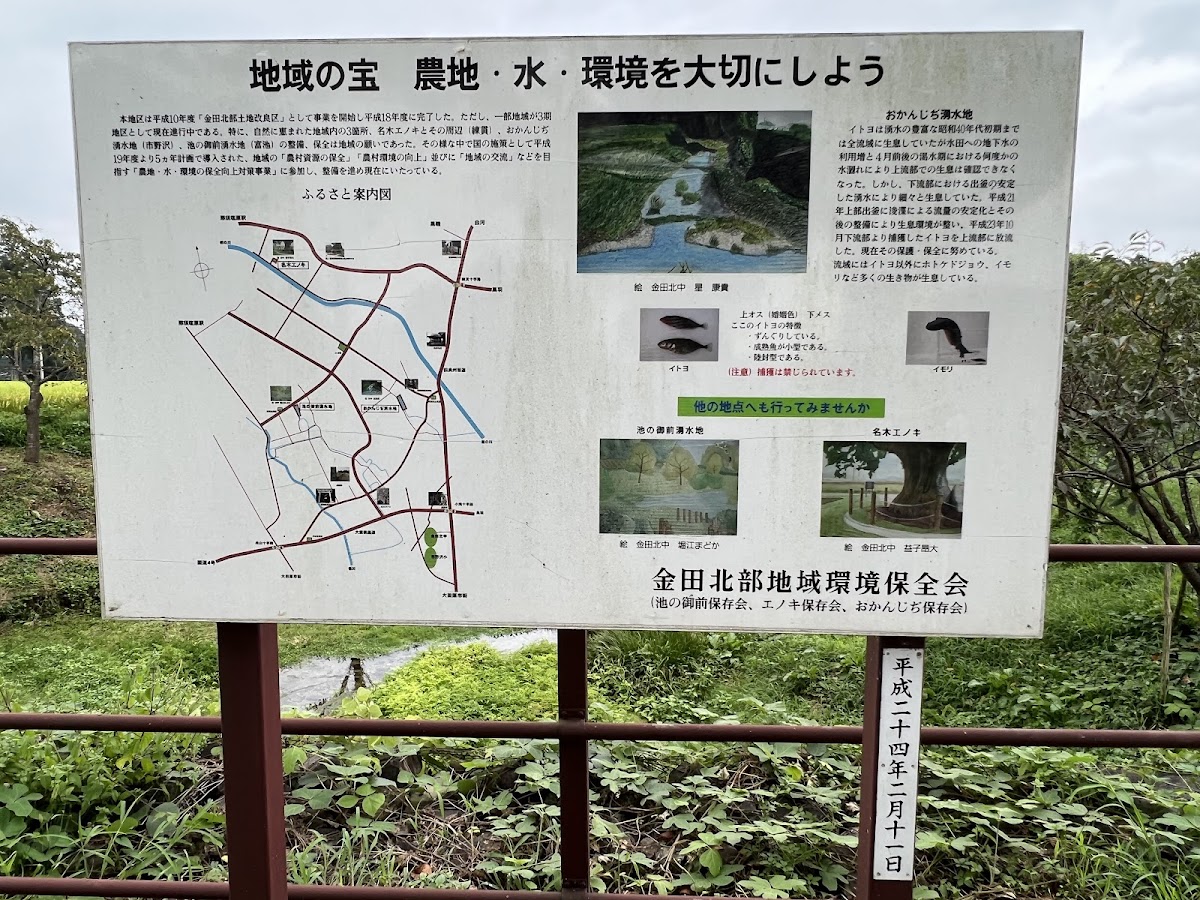
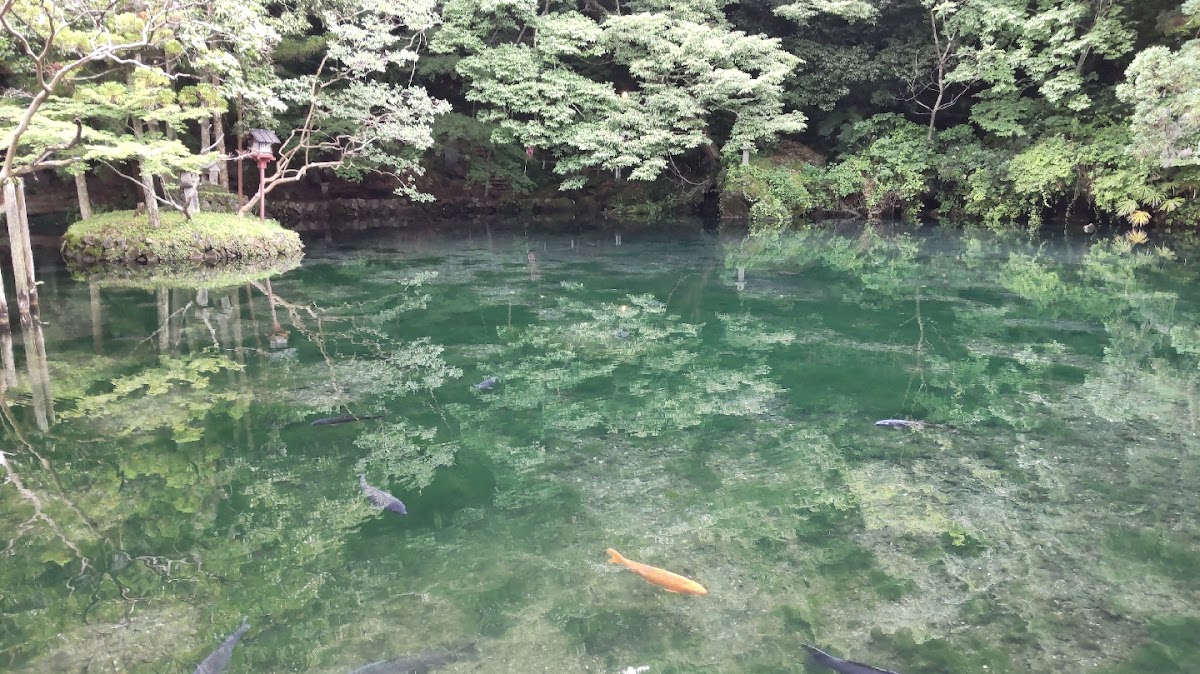
One of the greatest features of Hitomaru Shrine is the sacred pond that surrounds the shrine grounds. This sacred pond is designated as a natural monument of Sano City and has become an important presence from the perspective of natural environment protection. The water surface of the pond displays different appearances with the changing seasons, with cherry blossoms reflecting in the water in spring and crimson leaves in autumn.
Many carp swim in the sacred pond, delighting the eyes of visitors. These carp are not merely for ornamental purposes but are bound to Hitomaru Shrine through deep connections. In fact, carp motifs can be seen throughout the shrine grounds and have become symbolic presences of the shrine.
Main Hall and Dragon Carvings
The main hall of Hitomaru Shrine is a structure that conveys the beauty of traditional shrine architecture to the present day. Particularly noteworthy is the splendid dragon carving on the front of the main hall. This dragon carving has been featured in local newspapers due to its high artistic value and has become a masterpiece that causes many visitors to stop and gaze in admiration.
The dragon is one of the important motifs in shrine architecture, often carved as a divine beast that controls water and as a presence symbolizing divine authority. The dragon carving at Hitomaru Shrine conveys the high technical skills of the craftsmen through its sophisticated form and powerful expression.
Guardian Lions and Carp Motifs
A pair of guardian lions (komainu) are positioned in front of the main hall, but a characteristic feature of Hitomaru Shrine is the use of carp motifs throughout the shrine grounds. Carp are depicted on frames and votive plaques of the shrine buildings, and carp have become important symbols of the shrine not only as living creatures but also as artistic works.
This deep connection between carp and Hitomaru Shrine is likely derived from the fact that the carp in the sacred pond have long been treasured as the messengers of the gods. The carp is also a symbol of success through diligent effort and is an appropriate motif for a shrine that enshrines Kakinomoto no Hitomaro, a deity of learning and the arts.
Subsidiary Shrines
Several subsidiary shrines are arranged to the left of the main hall at Hitomaru Shrine. Each of these subsidiary shrines enshrines different deities and serves to respond to the diverse wishes of visitors.
The subsidiary shrines are arranged in the following order from left to right:
- Hiyoshi Shrine: Shrine of Sanno faith
- Itsuki Shrine: Guardian deity of the region
- Inari Shrine: Deity of abundant harvests and business prosperity
- Yasaka Shrine: Deity of epidemic prevention and warding off misfortune
- Tenmangū: Enshrines Sugawara no Michizane, the deity of learning
- Shinmei-gū: Enshrines Amaterasu Ōmikami
- Hachiman-gū: Enshrines Ōjin Tennō, the deity of military fortune
- Sengen Shrine: Shrine of Fuji faith
- Saigawa Shrine: Water deity of the region
The arrangement of these subsidiary shrines together illustrates how Hitomaru Shrine has functioned as the center of comprehensive regional faith.
Shrine Treasures and Cultural Properties
Silk Painting of Kakinomoto no Hitomaru in Color
Hitomaru Shrine preserves a valuable treasure called “Silk Painting of Kakinomoto no Hitomaru in Color.” This painting depicts the figure of the enshrined deity Kakinomoto no Hitomaro and is an important cultural property that conveys the shrine’s origins and history. The colored portrait of Hitomaru on silk is also a valuable source material that conveys ancient painting techniques to the present.
Kagura Masks and Dedicated Offerings
Sacred kagura masks have also been stored at the shrine grounds, having been dedicated for many years. These kagura masks are important folk cultural materials that convey the condition of kagura and festival rites that were once performed at the shrine. Kagura masks are important elements in Japanese traditional performing arts and are indispensable in forming the cultural identity of the region.
In addition, various items that have been dedicated by believers over many years are carefully preserved as shrine treasures, giving a sense of the depth of Hitomaru Shrine’s history.
Goshuin Stamp and Goshuin Book Information
Goshuin Stamp of Hitomaru Shrine
Visitors can receive a goshuin stamp at Hitomaru Shrine as a memorial of their visit. The goshuin stamp features the calligraphy “Hitomaru Shrine” and a red stamp seal, with the date of visit also written in. A goshuin stamp is not merely a souvenir stamp but should be cherished as proof of making a connection with the shrine and as a record of encountering the deity.
Sano City Shrine Goshuin Pilgrimage
The Tochigi Prefecture Shinto Association Asa Branch conducts a “Sano City Shrine Goshuin Pilgrimage” visiting 12 shrines in Sano City as a commemorative project of the Imperial Enthronement. Hitomaru Shrine is one of the target shrines for this goshuin pilgrimage, offering a precious opportunity to visit shrines throughout Sano City while learning about the region’s history and culture.
The goshuin pilgrimage is not merely about collecting stamps but provides a good opportunity to learn about the history and origins of each shrine and understand the cultural background of the region. When visiting Hitomaru Shrine, why not also visit other shrines together?
Other Hitomaru Shrines in Tochigi Prefecture
Hitomaru Shrine in Nikko City
Outside of Sano City, other Hitomaru Shrines exist in Tochigi Prefecture. In Teoka, Nikko City (formerly Imachi City), there is a Hitomaru Shrine that enshrines Usutsutsuo no Mikoto as its deity. According to the “Tochigi Prefecture Shrine Records,” this shrine differs from the Hitomaru Shrine in Sano City in that it enshrines Usutsutsuo no Mikoto rather than Kakinomoto no Hitomaro.
There is also a Hitomaru Shrine in Inokura, Nikko City, which enshrines Kotoshironushi no Kami as its deity. This shrine is said to have begun when Watanabe Tosho no Suke enshrined it as a privately revered shrine in Hagi no Hara in Entoku 1 (1489).
It is interesting that even shrines with the same name “Hitomaru Shrine” have different enshrined deities and origins depending on the region. This is an excellent example of the diversity of Japanese shrine faith and unique regional belief patterns.
Access and Basic Information
Address
Location: 1062 Konaka-cho, Sano City, Tochigi Prefecture
Hitomaru Shrine is located slightly away from Sano City’s downtown area in a quiet place surrounded by nature, allowing visitors to worship in a calm environment.
Access by Public Transportation
Train and Bus:
- Alight at “Sano Station” south exit on JR Ryōmō Line or Tōbu Sano Line
- Board the Sano Station municipal bus Meisui Akamake Line
- Alight at “Hitomaru Shrine West” bus stop, then a short walk
Sano Station is a transportation hub served by both the Ryōmō Line and Tōbu Sano Line, with relatively easy access from the Tokyo area. Using the municipal bus, you can travel directly from the station to near the shrine.
Access by Car
Automobile:
- Approximately 15 minutes from “Sano Tanuma IC” on the Kita Kanto Expressway
- Approximately 20 minutes from “Sano Fujioka IC” on the Tōhoku Expressway
The shrine has a parking space, where you can park your car just past the first torii gate. However, as parking capacity is limited, especially on festival days or weekends, early arrival is recommended.
Visiting Hours and Entrance Fee
Hitomaru Shrine is generally open for free worship. No entrance fee is required, but if you wish to receive a goshuin stamp, an initial offering (usually around 300 yen) is necessary. As the office hours vary by day, it is recommended to confirm in advance if you wish to receive a goshuin stamp.
Nearby Tourist Attractions
Sano Yakuyoke Daishi (Kasugaoka-san Sōjūji Temple)
When visiting Hitomaru Shrine, be sure to also visit Sano Yakuyoke Daishi, one of Sano City’s representative tourist destinations. Formally known as Kasugaoka-san Sōjūji Temple, this is a Tendai Buddhist temple counted among the three great temples of the Kantō region. Particularly during New Year’s first visits and fortune-telling seasons, it is crowded with many visitors.
Asahi-mori Tenmangū
Asahi-mori Tenmangū, which enshrines Sugawara no Michizane, the deity of learning, is also one of the important shrines in Sano City. During exam season, many students and parents visit to pray for success in their exams. Since the enshrined deity of Hitomaru Shrine, Kakinomoto no Hitomaro, is also revered as a deity of literature, it is also good to visit both shrines together if you wish to pray for success in learning.
Manganji’s Weeping Cherry Blossom
If you visit Sano City during spring, do not miss Manganji’s weeping cherry blossom. The magnificent weeping cherry blossom, said to be several hundred years old, attracts many flower-viewing visitors during the blooming season. The area around Hitomaru Shrine’s sacred pond is also beautiful during the cherry blossom season, making a spring tour of Sano City especially recommended.
Experiences at Hitomaru Shrine
Natural Beauty of the Four Seasons
The area around Hitomaru Shrine’s sacred pond displays different appearances with each season. Spring cherry blossoms, summer greenery, autumn crimson leaves, and winter’s serene snow-covered landscapes offer entirely different scenery depending on when you visit. The scenery reflected in the sacred pond is particularly popular as a photography spot.
Feeding the Carp
It may be possible to feed the carp swimming in the sacred pond (depending on the season and circumstances). The carp are friendly and gather seeking food, a sight particularly popular with children. However, if there are rules for feeding, be sure to follow them.
Meditation and Prayer in Silence
Hitomaru Shrine, located slightly away from downtown in a quiet environment, is ideal for calming one’s mind away from the bustle of everyday life. The experience of standing by the sacred pond, gazing at its water surface, and centering one’s heart is a precious moment for modern people.
Etiquette and Precautions for Shrine Visits
Basic Shrine Visit Procedure
There is a basic procedure for visiting shrines:
- Bow once before passing through the torii gate
- Walk to the side of the approach path (the center is the deity’s pathway)
- Purify your hands and mouth at the water basin
- Perform “two bows, two hand claps, one bow” at the main hall
- Bow once more at the torii gate when leaving
By following these procedures, you can make a more heartfelt visit.
Photography
Photography within the grounds is generally permitted, but photography may be prohibited in certain areas such as the interior of the main hall or shrine treasures. Additionally, it is important to be considerate of other visitors and maintain quiet.
Environmental Protection of the Sacred Pond
To protect the environment of the sacred pond designated as a natural monument, it is strictly forbidden to throw garbage in the pond or take fish without permission. The manner of each individual is important for passing natural environments to future generations.
Conclusion
Hitomaru Shrine in Sano City, Tochigi Prefecture, is a venerable shrine that has long attracted the faith of local people as it enshrines Kakinomoto no Hitomaro, the poetry saint of the Man’yōshū. With abundant attractions including the sacred pond designated as a natural monument, finely crafted dragon carvings, carp motifs, and numerous subsidiary shrines, this is a shrine worth visiting.
As a deity of literature, arts, and learning revered as Kakinomoto no Hitomaro, it receives visits from those wishing for success in these fields, and from the “fire ceases” tradition, there is also belief in fire prevention. As one of the shrines in the Sano City Shrine Goshuin Pilgrimage, it is an indispensable spot for shrine tours in Tochigi Prefecture.
Located conveniently accessible by bus from Sano Station and easy to reach by car, while yet enveloped in serene grounds perfect for calming the mind. By visiting together with nearby tourist attractions such as Sano Yakuyoke Daishi and Asahi-mori Tenmangū, you can gain a deeper understanding of Sano City’s history and culture.
When visiting Tochigi Prefecture, be sure to visit Hitomaru Shrine and experience the scenery loved by the poetry saint and the serene atmosphere.