Historic Site Katsusaka Ruins Park Spring Water (Kanagawa Prefecture) | Visiting a Spring That Has Flowed Since the Jomon Period and the Remains of a Large Settlement from 5,000 Years Ago
Historic Site Katsusaka Ruins Park, located in Minami Ward, Sagamihara City, Kanagawa Prefecture, is a nationally designated historic site known as a large settlement from the Middle Jomon Period approximately 5,000 years ago. The greatest characteristic of this ruins site is the abundant spring water that continues to flow even today. The reason the Jomon people were able to establish long-term sedentary life was largely due to the existence of this inexhaustible water source. This article provides a detailed explanation of the spring water at Historic Site Katsusaka Ruins Park, the historical value of the ruins, the results of excavation surveys, and the Jomon natural environment that remains in modern times.
Historic Site Katsusaka Ruins Park
Overview and Historical Background of the Ruins
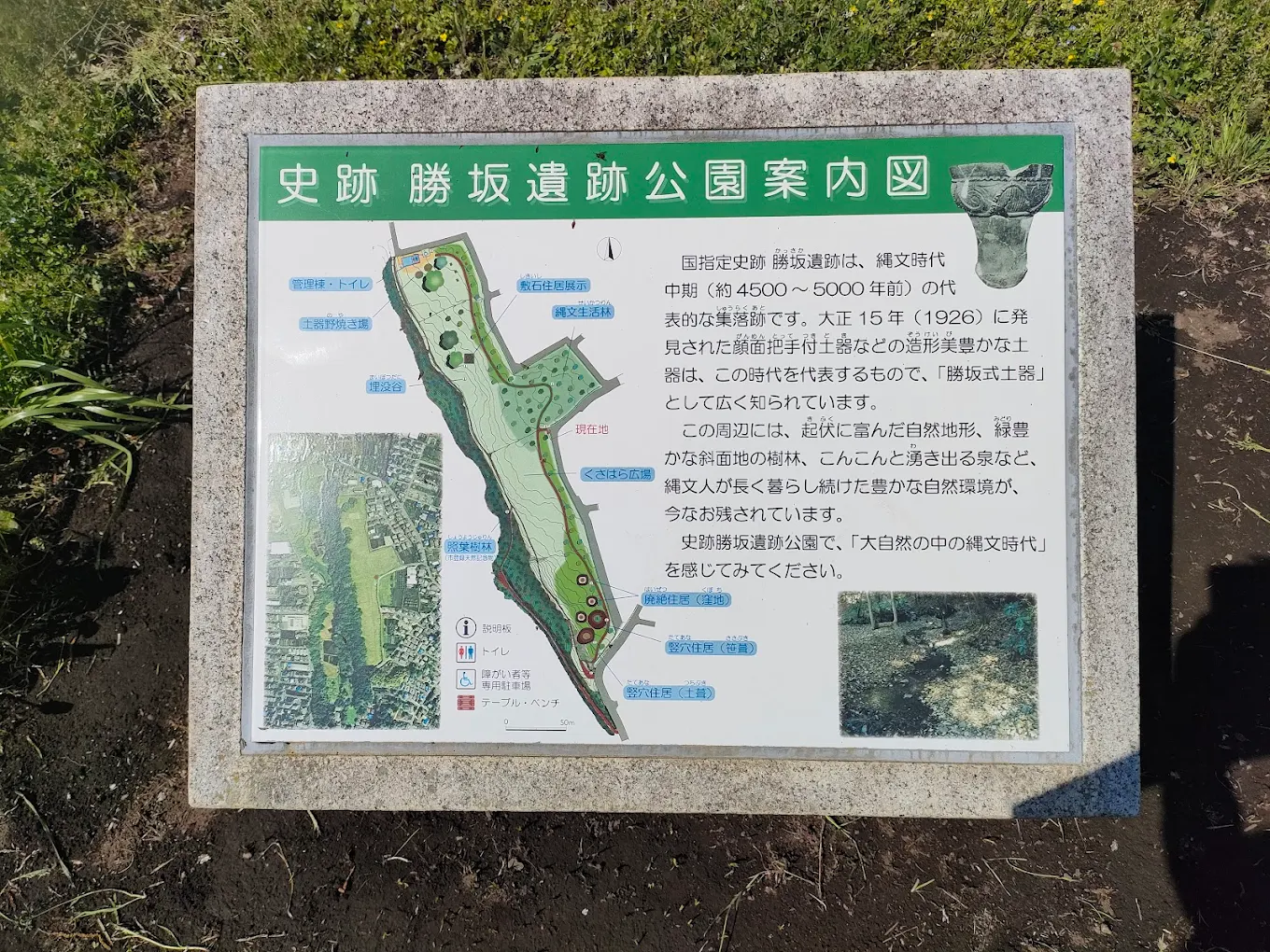
Historic Site Katsusaka Ruins Park is a large-scale settlement ruins site from the Middle Jomon Period (approximately 5,000 years ago) located on a river terrace formed by the Sagami River. Since its discovery in 1926 (Taisho 15), continuous excavation surveys have been conducted, and it was designated as a national historic site in 1974 (Showa 49). In 2009 (Heisei 21), it was developed as a ruins park where visitors can experience “the Jomon Period in the midst of nature,” and has become one of Sagamihara City’s representative historical and cultural facilities.
More than 60 pit dwelling remains have been discovered at the site, conveying the appearance of a large settlement during the Middle Jomon Period. The prosperity of this settlement over a long period was made possible by the abundant spring water flowing from the terrace cliff, an indispensable element.
Importance as the Birthplace of Katsusaka-style Pottery
Katsusaka Ruins holds an extremely important position in archaeology as the type site (standard site) for “Katsusaka-style pottery,” which represents the Middle Jomon Period. Katsusaka-style pottery is characterized by three-dimensional decorations and complex patterns, representing a pottery style that exemplifies the artistry of Jomon culture.
Excavation surveys have uncovered numerous artifacts besides Katsusaka-style pottery, including stone tools such as chipped stone axes and polished stone axes, as well as clay figurines and ornaments that tell of the rich lives of the Jomon people. Some of these excavated items can be viewed at an exhibition building within the park, allowing visitors to feel close to the lives of the Jomon people.
Characteristics of the Spring Water at Historic Site Katsusaka Ruins Park
Clear Water Flowing from the Terrace Cliff
One of the greatest attractions of Historic Site Katsusaka Ruins Park is the spring water that continues to flow steadily from the terrace cliff even today. On the western cliff face of the river terrace formed by the Sagami River, there are multiple spring water points where groundwater naturally flows out. This spring water has continued to flow unbroken for over 5,000 years from the Jomon Period to the present day, serving as a precious water source that supported the lives of the Jomon people.
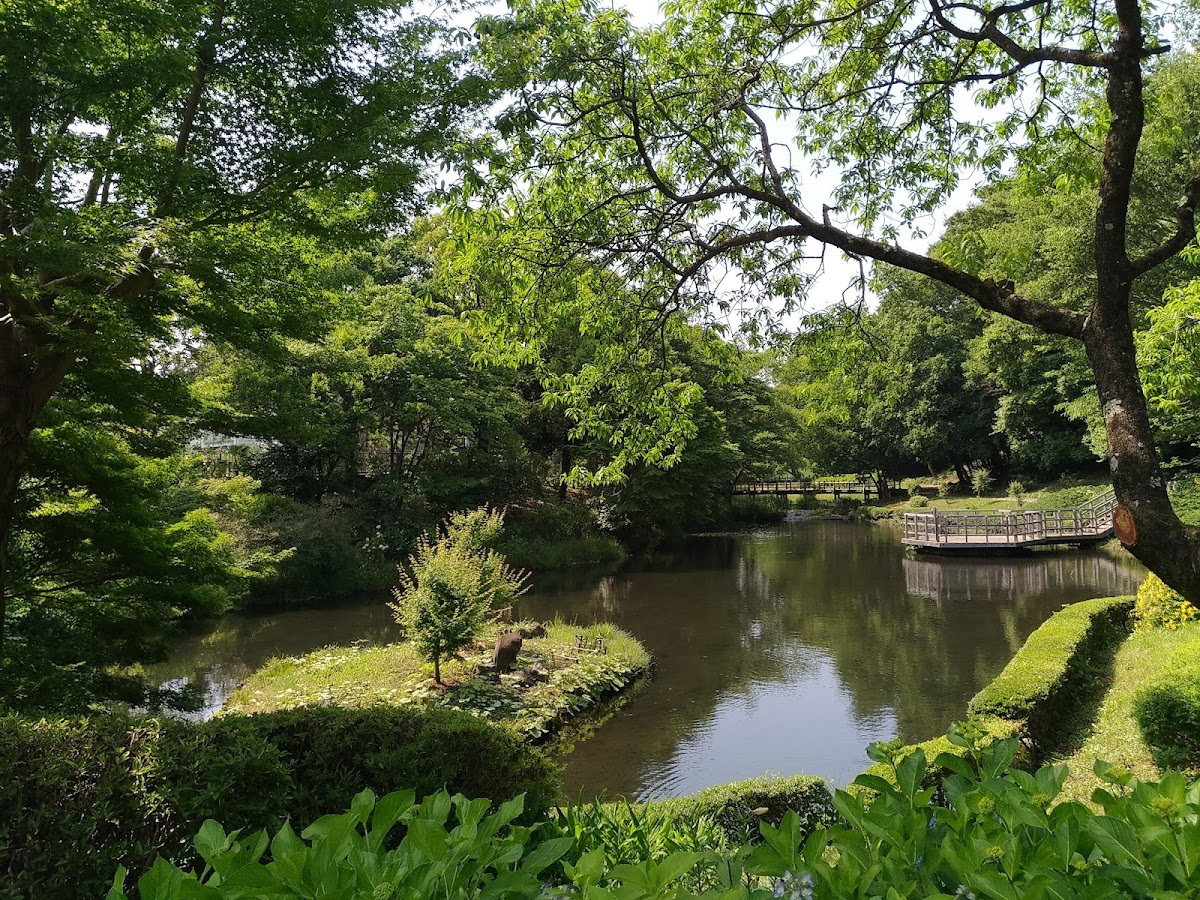
The spring water quality is clear and pure, playing a role in preserving the natural environment of the surrounding area. Combined with the green tree-covered slopes of the terrace cliff, it has become a valuable space that preserves the natural environment of the Jomon Period even though it is located near an urban area.
The Prosperity of the Jomon Settlement Supported by Spring Water
Securing a stable water source was one of the most important conditions in settlement locations during the Jomon Period. The reason Katsusaka Ruins was able to flourish as a large settlement for an extended period was none other than the existence of this abundant spring water.
Spring water was utilized not only as drinking water but also in every aspect of Jomon life, including food preparation, tool production, and processing of plant-based foods. Additionally, water-loving plants grew around the spring water, and small animals gathered there, making it an important location for food gathering activities.
Excavation surveys have revealed numerous pottery fragments and stone tools uncovered in depressions near the spring water, confirming active living activities in the water area. This archaeological evidence indicates that the spring water was a central living space of the settlement.
Spring Water as an Object of Belief
The spring water from the terrace cliff has long been revered as an object of worship. The mysterious phenomenon of water welling up endlessly, which is the source of life, was likely a subject of nature worship for the Jomon people.
Even today, traces of beliefs dating from ancient times remain around the spring water area, suggesting that people’s reverence for water has been passed down across generations. Including such cultural and spiritual aspects, the spring water at Historic Site Katsusaka Ruins Park possesses value beyond that of a mere natural phenomenon.
Points of Interest in the Ruins Park
Reconstructed Pit Dwellings
Historic Site Katsusaka Ruins Park displays pit dwellings reconstructed based on the results of excavation surveys. These reconstructed dwellings, faithfully recreating the housing structure of the Middle Jomon Period, are valuable exhibits that allow visitors to concretely imagine the lifestyles of the people of that time.
Archaeological knowledge is reflected in fine details including the interior structure of dwellings, pillar placement, and hearth positions, making the facility highly valuable for educational purposes. Since visitors can actually enter the dwellings, they can experience the environment from the Jomon people’s perspective.
Preserved Display of Excavation Survey Trenches
Within the park, portions of trenches (test excavation ditches) dug during past excavation surveys are preserved and displayed. From the trenches dug repeatedly in an east-west direction, visitors can directly observe the stratigraphic layers and structural remains from the Jomon Period, allowing them to learn about the realities of archaeological investigation.
Particularly noteworthy are the locations where overlapping dwelling remains from multiple periods can be confirmed. This is important evidence demonstrating that a settlement continued to be inhabited in the same location for an extended period, illustrating how important the existence of a stable water source like the spring water was.
Viewing Excavated Items at the Exhibition Building
The exhibition building within the park displays excavated items such as pottery and stone tools from Katsusaka Ruins. Visitors can observe Katsusaka-style pottery artifacts up close, as well as view a diverse range of items including tool types such as chipped and polished stone axes, clay figurines, and ornaments that demonstrate the lives and spiritual culture of the Jomon people.
The exhibition is organized with easily understood explanatory panels, allowing visitors without specialized archaeological knowledge to fully appreciate the appeal of Jomon culture. The three-dimensional decorations and complex pattern representations of Katsusaka-style pottery are particularly worthy of note as examples of the high artistry and technical skill of the Jomon people.
Verdant Natural Environment
The appeal of Historic Site Katsusaka Ruins Park extends beyond its archaeological value. The tree-covered slopes of the terrace cliff, vegetation around the spring water, and terrain rich in variety preserve the abundant natural environment that has continued since the Jomon Period.
The park also features spacious grassy areas and picnic spaces, allowing families to spend time leisurely. Visitors can enjoy seasonal changes in nature, from fresh greenery in spring to autumn foliage, while experiencing the environment of the Jomon Period in this precious space.
Results of Excavation Surveys and Future Prospects
History of Excavation Surveys to Date
Excavation surveys at Katsusaka Ruins have been conducted continuously for approximately 100 years since its discovery in 1926 (Taisho 15). Early Showa Period surveys made the first systematic study of Katsusaka-style pottery, contributing greatly to the establishment of chronology (time period divisions) for the Middle Jomon Period.
Even after the site’s designation as a national historic site in 1974 (Showa 49), surveys to confirm the extent and understand the contents of the ruins have proceeded methodically, gradually clarifying the structure and changes in the settlement. Particularly since entering the Heisei Period, surveys have examined in detail the dwelling placement patterns, spatial utilization within the settlement, and relationships with spring water.
Excavation surveys continue to the present day, and new discoveries are anticipated. Scientific analysis using the latest investigation techniques is also underway, with further clarification of the actual conditions of Jomon people’s diet and environmental adaptation expected.
Spring Water Environment Conservation Activities
The spring water at Historic Site Katsusaka Ruins Park is an important natural resource supporting the historical value of the ruins, while also serving as a precious waterside space in the modern urban environment. Sagamihara City continues to implement measures to conserve this spring water environment for future generations.
Various conservation measures are being undertaken, including tree forest protection on the terrace cliff, water quality monitoring, and development restrictions in the surrounding area. Additionally, citizen-participation-based environmental conservation activities are being carried out, with community residents working to preserve the natural environment continuing from the Jomon Period.
Development of Educational and Outreach Activities
Historic Site Katsusaka Ruins Park is actively utilized as a venue for archaeological education and local history learning. It has become established as a destination for school field trips from local elementary and junior high schools, and general lectures and experiential events are held regularly.
Programs allowing hands-on engagement with Jomon culture, such as Jomon pottery-making experiences, fire-starting experiences, and comma-shaped bead crafting, are particularly popular. Expert-led ruins guided tours are also offered, responding to the needs of visitors seeking deeper understanding.
Access and Facility Information
Basic Information
Location: 1780 Isobe, Minami Ward, Sagamihara City, Kanagawa Prefecture and other locations
Opening Hours: Open year-round (Exhibition building: 9:00 AM–4:30 PM)
Closed Days: Exhibition building closed Mondays (or the following day if Monday is a holiday), and year-end/New Year periods
Admission: Free
Parking: Free parking available (approximately 20 spaces)
Inquiries: Sagamihara City Museum (TEL: 042-750-8030)
Transportation Access
By Train and Bus:
Approximately 15-minute walk from “Shimomizo Station” on the JR Sagami Line
Or by bus from “Sagamihara Daono Station” on the Odakyu Line, 5-minute walk from “Katsusaka” bus stop
By Automobile:
Approximately 15 minutes from “Sagamihara Aiko IC” on the Kensetsudo Expressway
Accessible from National Route 129
Although the park is located in a residential area, signage is well-maintained, making it relatively easy to reach. With free parking in place, it is convenient for family visits.
Coordination with Nearby Facilities
When visiting Historic Site Katsusaka Ruins Park, it is recommended to combine your visit with the Sagamihara City Museum. The museum features more detailed exhibitions related to Katsusaka Ruins, with many of the excavated items housed and displayed there. The museum also offers a planetarium and natural history exhibits, allowing for a full day of enjoyment.
Nearby, there are walking paths along the Hatogawa River, popular as a hiking course for enjoying nature observation. The waterside environment of the Hatogawa River, where spring water flows, preserves a valuable ecosystem uncommon in urban areas, making it suitable for bird watching.
Advice for Visitors
Points for Viewing
When visiting Historic Site Katsusaka Ruins Park, focusing on the following points allows for a more fulfilling visit.
- Observation of Spring Water: Visit the actual spring water points on the terrace cliff and observe the water flowing continuously for 5,000 years unchanged. Listen to the sound of water and experience the natural bounty that the Jomon people felt.
- Understanding the Topography: Walk through the park and experience the terrain rich in variation. The height differences of the terrace, cliff slopes, and expanse of flat areas help visitors understand why the Jomon people chose this location for their settlement.
- Interior Viewing of Reconstructed Dwellings: Actually enter the reconstructed pit dwellings and view the surroundings from the Jomon people’s perspective. This allows understanding of the spatial relationships with spring water and tree forests.
- Seasonal Changes: If possible, it is recommended to visit multiple times during different seasons. The natural environment, which displays different characteristics with spring’s fresh greenery, summer’s deep green, autumn’s red leaves, and winter’s bare branches, allows visitors to re-experience the seasonal cycle that the Jomon people experienced.
Photography Spots
For those interested in photography, the following locations are recommended:
- Spring water points on the terrace cliff (particularly beautiful in morning light)
- Reconstructed pit dwellings with tree forest backdrop
- Cross-sectional display of excavation trenches
- Vista overlooking the entire park from elevated locations
Combinations with seasonal flowers and autumn foliage are also beautiful, and highly photogenic images suitable for social media can be captured. However, please note that due to ruins protection, do not enter restricted areas.
The Value of Jomon Culture Demonstrated by Historic Site Katsusaka Ruins Park
A Model for Sustainable Society
The relationship between the spring water at Historic Site Katsusaka Ruins Park and the Jomon settlement provides important lessons for modern society. The Jomon people maintained sustainable living over approximately 5,000 years without destroying the natural environment.
The Jomon people’s wisdom in cherishing the natural blessings of spring water, avoiding excessive development, and nurturing a rich culture in harmony with nature offers much for modern society facing environmental challenges to learn from.
Utilization as a Regional Cultural Resource
Historic Site Katsusaka Ruins Park contributes to the formation of regional identity as an important cultural resource for Sagamihara City. For citizens, it is a source of pride in their hometown’s historical heritage, and for visitors, it serves as an entry point to discovering the appeal of Sagamihara.
It is anticipated that through continued research and conservation efforts, this precious ruins will be reliably passed on to future generations. Historic Site Katsusaka Ruins Park, where a living natural heritage of spring water and archaeological heritage are integrated, will continue to increase its value as an important site representing Japan’s Jomon culture.
Conclusion
The spring water at Historic Site Katsusaka Ruins Park has flowed unbroken from approximately 5,000 years ago in the Jomon Period to the present day, serving as the source of life supporting the prosperity of a large settlement. This location, where clear spring water flowing from the terrace cliff, verdant natural environment, and abundant Jomon culture represented by Katsusaka-style pottery are integrated as one, stands as a precious historic site representing Kanagawa Prefecture, continuously conveying the appeal of the Jomon Period to many people.
Through reconstructed pit dwellings, the results of excavation surveys, and the spring water’s unceasing flow today, we can directly experience the deep connection between the Jomon people’s lives and nature. When visiting Sagamihara City, be sure to visit Historic Site Katsusaka Ruins Park and feel the Jomon breeze beside the spring flowing for 5,000 years.
Despite its proximity to urban areas, this park preserves the natural environment of the Jomon Period and is recommended not only for history enthusiasts but also for those who enjoy nature walks and families seeking a pleasant picnic destination. As a nationally designated historic site that can be visited free of charge and casually, it is a spot worth visiting again and again.