Gunminzaka Spring Water (Mito City, Ibaraki Prefecture) Complete Guide | History, Access, and Water Quality Information
Gunminzaka Spring Water (ぐんみんざかゆうすい), located in Kamikokui-cho, Mito City, Ibaraki Prefecture, is a historic spring water site that came into being through civil engineering projects in the early Showa period. Currently maintained carefully by local residents, this spring water maintains excellent water quality and is known as one of Ibaraki Prefecture’s representative quality waters.
This article provides comprehensive information useful for those considering a visit, covering the historical background of Gunminzaka Spring Water, current water quality conditions, access methods, and nearby attractions.
What is Gunminzaka Spring Water | Basic Information
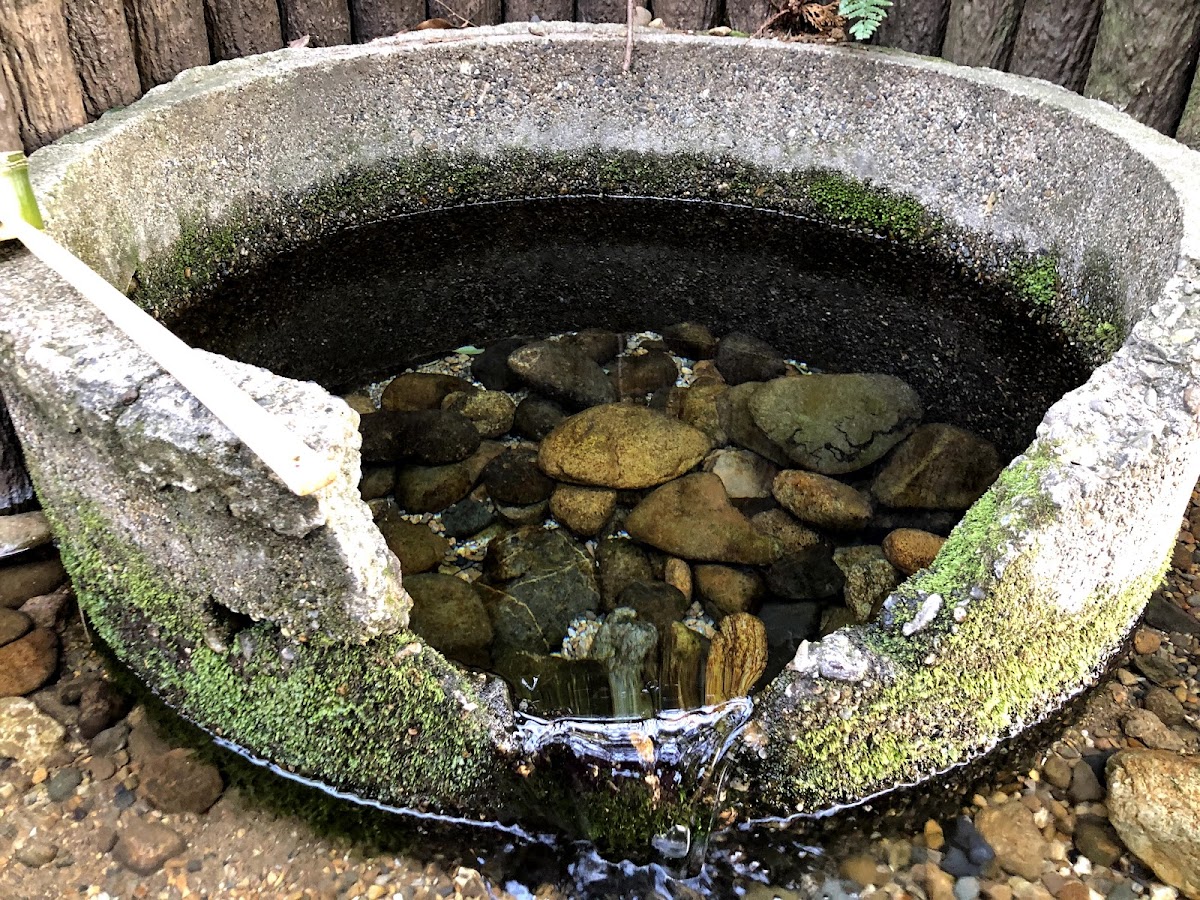
Gunminzaka Spring Water is located midway along a slope called Gunminzaka in Kamikokui-cho, Mito City. An abundant volume of water gushes from a concrete circular frame approximately one meter in diameter, and the water quality is so highly regarded that it is even used by nearby soba restaurants.
Location and Basic Data
- Location: Kamikokui-cho, Mito City, Ibaraki Prefecture
- Spring Water Type: Natural outflow from bedrock
- Water Temperature: Stable year-round (approximately 15-17 degrees Celsius)
- Water Volume: Abundant (with seasonal variation)
- Management Organization: Kamikokui Regional Preservation Society
- Drinking: Possible (regular water quality testing conducted)
The surrounding area is a quiet environment with farmland, and Nanatsu-do Park, which has been used as a film location, is nearby.
History of Gunminzaka Spring Water | The Showa Depression and Agricultural Relief Civil Engineering
The birth of Gunminzaka Spring Water has deep connections to the socioeconomic conditions of the early Showa period. Understanding this history clarifies the spring water’s value as a local cultural asset.
Road Improvement Project of 1935
Gunminzaka Spring Water began flowing in its current form in Showa Year 10 (1935). At that time, road improvements were planned as part of agricultural relief civil engineering to aid rural areas suffering from the Showa Depression.
This project was implemented through cooperation between the former Imperial Army Mito Engineer Unit Fourteen (under Captain Takasaku Nishimura and thirty subordinates) and local residents. Because the military and civilians cooperated, Captain Nishimura renamed the slope “Gunminzaka” (Military-Civilian Slope), a name that has been passed down to the present day.
Bedrock Blasting with Dynamite
In carrying out the road improvements, it was necessary to modify the old road (Kamei Slope) that had been blocked by steep terrain. Day after day, bedrock blasting with dynamite was conducted, and these efforts were recorded in local documents as “magnificent.”
This blasting work altered the underground water vein, causing new spring water to emerge midway along the slope, creating the current Gunminzaka Spring Water. As a memorial to the construction, a monument bearing Captain Nishimura’s mark still exists, testament to its historical value.
Relationship with Mikuni Falls
Before Gunminzaka Spring Water was established, a waterfall known as “Mikuni Falls (Ōtaki)” with a drop of approximately four meters existed in this area. It is believed that as a result of the changed water vein caused by the road improvement project, water that had previously flowed to Mikuni Falls began gushing out midway along Gunminzaka Slope.
Part of Mikuni Falls still bears traces nearby, suggesting the former abundance of this water source. In this way, Gunminzaka Spring Water represents an interesting case of natural water sources changing form through human activity.
Water Quality and Drinking | Systematic Regular Testing
Since its birth, Gunminzaka Spring Water has been maintained and managed as domestic water by local residents. It currently maintains water quality suitable for drinking, and many people visit to collect water.
Management by the Kamikokui Regional Preservation Society
Water quality management of Gunminzaka Spring Water is undertaken by the “Kamikokui Regional Preservation Society,” composed of local residents. This society conducts regular water quality testing to confirm that water quality suitable for drinking is maintained.
Through this community-wide preservation activity, the resource continues to be utilized to the present day, and it has been certified by the Mito City Board of Education as a valuable cultural asset that tells of the region’s history.
Characteristics of Water Quality
Gunminzaka Spring Water possesses the following water quality characteristics:
- Clarity: High transparency with no cloudiness
- Taste: No distinctive flavor; smooth, mild mouthfeel
- Hardness: Relatively soft water (easy to drink)
- Temperature: Stable low temperature year-round
The fact that nearby soba restaurants use it as “exceptionally good water” confirms its excellent water quality.
Precautions When Drinking
Although regular water quality testing is conducted, the following points require attention when consuming natural spring water:
- Boiling Recommended: If drinking untreated water, you do so at your own risk
- Clean Container: Bring a clean container for collecting water
- Caution After Rain: Water quality may change after heavy rain
- Surrounding Cleanliness: Be careful that fallen leaves and dust do not enter
The spring outlet is configured with an embedded pipe, so fallen leaves and other debris may enter depending on surrounding conditions. When collecting water, it is recommended to check the condition of the outlet.
Access and Parking Information
For those planning to visit Gunminzaka Spring Water, detailed access information is provided below.
Access by Car
From Mito Interchange on the Joban Expressway
- Driving Time: Approximately 20 minutes
- Head north on National Route 123, via prefectural roads
- Navigation Setting: Search for “Kamikokui-cho, Mito City”
From JR Mito Station
- Approximately 30 minutes by car
- Via National Route 118
Parking
Gunminzaka Spring Water has no dedicated parking lot, but roadside space near the spring allows short-term parking. However, since it is a residential road, please note the following:
- Park in a location that does not obstruct traffic
- Avoid long-term parking
- Be considerate of neighboring residents
- If visiting with multiple vehicles, stagger arrival times
Access by Public Transportation
Visiting by public transportation is difficult, so car travel is recommended. The nearest bus stop is also a considerable walking distance away.
Nearby Landmarks
- Nanatsu-do Park (approximately 5 minutes by car)
- Kamikokui district farmland
- Gunminzaka signage
The road is a narrow residential street, so drive carefully and watch for oncoming traffic.
Nearby Attractions and Sightseeing Spots
When visiting Gunminzaka Spring Water, combining a tour of nearby attractions allows for a more fulfilling Mito sightseeing experience.
Nanatsu-do Park
Located approximately 5 minutes by car from Gunminzaka Spring Water, Nanatsu-do Park is a beautiful English-style garden that has been used as a film and drama location.
- Features: English garden design
- Highlights: Seasonal flowers, fountains, stone structures
- Admission: Free
- Parking: Available (free)
Other Spring Water Sites in Mito City
Several other spring water sites exist in the Mito area besides Gunminzaka Spring Water:
- Moritaki Self-Springing Water: Spring water that flows naturally
- Kokuda Spring Water: Sometimes known as an alternative name for Gunminzaka Spring Water
Nearby Soba Restaurants
Soba restaurants using water from Gunminzaka Spring Water are available, allowing you to taste the blessings of the spring. Soba made with local ingredients and quality water makes an ideal souvenir of your visit.
Water Collection Etiquette and Important Notes
To preserve Gunminzaka Spring Water for generations to come, visitors should observe the following etiquette and precautions.
Basic Etiquette
- Take trash with you: There are no trash bins in the area
- Be mindful of noise: The area is near residences, so keep quiet
- Take turns: Yield to other users if present
- Avoid monopolizing: Show consideration so many people can use it
- Do not contaminate the water source: Do not use detergent or soap
Precautions When Collecting Water
- Use a clean container: Bring a pre-washed container
- Do not drink directly from the source: Hygiene considerations
- Mind spilled water: The surrounding area becomes slippery
- Do not touch the outlet: For water quality preservation
Seasonal Precautions
Spring and Summer
- Insects are more prevalent; consider insect repellent
- Wear a hat if sunshine is strong
Fall and Winter
- Fallen leaves increase; carefully check water quality
- Be cautious of road surface freezing (winter)
- Recommend visiting during daylight hours as sunset comes early
During and After Rain
- Be aware water quality may change
- Watch footing as surfaces become slippery
Cultural Asset Value of Gunminzaka Spring Water
Gunminzaka Spring Water possesses value beyond that of a mere water resource as a local cultural asset.
A Testament to Regional History
Gunminzaka Spring Water embodies multi-layered history: the socioeconomic context of the Showa Depression, the agricultural relief civil engineering policy, military-civilian cooperation in social structure, and the relationship between nature and humans.
The Mito City Board of Education positions this spring water as “a valuable cultural asset telling the region’s history,” recognizing its historical and cultural significance.
Core of Community Connection
Since its birth, Gunminzaka Spring Water has maintained close ties to local residents’ lives. It has supported people’s livelihoods as domestic water, agricultural water, and as a place for community interaction.
Continued management by the Kamikokui Regional Preservation Society makes it a symbol of community cohesion today.
Model for Sustainable Water Resource Management
Regular water quality testing, independent management by residents, and efforts to improve visitor etiquette make Gunminzaka Spring Water’s preservation activities a model case of sustainable water resource management.
Comparison with Other Quality Waters in Ibaraki Prefecture
In addition to Gunminzaka Spring Water, Ibaraki Prefecture has other water sources, including those selected for the Environment Ministry’s “Heisei Century Water 100 Selection.”
Major Springs and Quality Waters in Ibaraki Prefecture
- Yami River Spring Group (Daigo Town): Heisei Century Water 100 Selection
- Isohara Hot Spring Water (Kitaibaraki City)
- Spring Water around Fukuroda Falls (Daigo Town)
- Spring Water Groups around Tsukuba Mountain Foothills (Tsukuba City area)
What distinguishes Gunminzaka Spring Water is the circumstances of its birth. Unlike naturally occurring springs, its unique characteristic lies in the fact that it was created when human activity altered the underground water vein.
Visitor Feedback and Reviews
Those who have visited Gunminzaka Spring Water share the following impressions:
Regarding Water Quality
- “Water with no distinctive flavor, easy to drink”
- “Not extremely cold, but with a smooth, gentle taste”
- “It makes sense that soba restaurants use such quality water”
Regarding Access
- “Easy to find as it’s along an ordinary residential road”
- “Limited parking space requires attention”
- “The surrounding farmland scenery is beautiful”
Regarding Environment
- “Simple form with water gushing from a pipe”
- “Fallen leaves and dust easily enter, so caution is needed”
- “Gratitude for maintenance by local residents”
Frequently Asked Questions (FAQ)
Q1: Can I drink water from Gunminzaka Spring Water?
A1: Yes, drinking is possible. Regular water quality testing is conducted by the Kamikokui Regional Preservation Society, and water quality suitable for drinking is maintained. However, since it is natural spring water, it is recommended to boil it before drinking as a precaution. Also, water quality may change after heavy rain, so check the conditions.
Q2: Is there parking?
A2: There is no dedicated parking lot, but short-term parking is possible in the roadside area near the spring. However, since it is a residential road, please avoid obstructing traffic and avoid long-term parking. If visiting with multiple vehicles, please coordinate arrival times.
Q3: What is the origin of the name Gunminzaka Spring Water?
A3: During the road improvement project of Showa Year 10, cooperation between the former Imperial Army Mito Engineer Unit Fourteen and local residents led Captain Takasaku Nishimura to name it “Gunminzaka” (Military-Civilian Slope). Because this water began flowing as a result of that project, it is called “Gunminzaka Spring Water.”
Q4: Is water volume stable year-round?
A4: Water volume remains relatively stable but varies with seasons and precipitation. Generally, water volume increases during rainy seasons and decreases during dry periods. However, complete drying is rare, and water collection is possible year-round.
Q5: Can Mikuni Falls still be seen?
A5: Mikuni Falls no longer exists in its former waterfall form due to the altered water vein from the Showa Year 10 road improvement project. However, traces remain nearby, allowing one to contemplate the former state of the water source. The current Gunminzaka Spring Water is believed to be water that previously flowed to Mikuni Falls, now in altered form.
Q6: Can I visit along with Nanatsu-do Park?
A6: Yes, it is possible. Nanatsu-do Park is approximately 5 minutes by car from Gunminzaka Spring Water, making it ideal for combined visiting. A course collecting water from the spring and then strolling through the beautiful gardens of Nanatsu-do Park is recommended.
Q7: Can I purchase a water collection container on-site?
A7: There are no sales facilities on-site, so please prepare and bring a clean water collection container beforehand. It is recommended to prepare a clean beverage bottle or plastic container intended for drinking water.
Q8: Is water collection possible during winter?
A8: Water collection is possible during winter. However, exercise caution regarding access due to possible road surface freezing. Also, since sunset comes early, visiting during daylight hours is recommended. The spring itself rarely freezes, but surrounding puddles may freeze and become slippery.
Conclusion | The Value of Visiting Gunminzaka Spring Water
Gunminzaka Spring Water carries the historical background of the agricultural relief civil engineering project of Showa Year 10 and is a unique spring born from military-civilian cooperation. Through dramatic bedrock blasting, it was created and has continued to support the lives of local residents to the present day, having transformed from Mikuni Falls, the former water source.
Regular water quality testing ensures excellent water quality, dedicated management by the Kamikokui Regional Preservation Society, and value as a cultural asset telling the region’s story. All of these make Gunminzaka Spring Water one of Ibaraki Prefecture’s representative quality waters.
When visiting Mito, please take time to visit this historic spring water, contemplate the endeavors of people from the early Showa period, and experience its abundant water volume and excellent quality. Combined visits with nearby sightseeing spots such as Nanatsu-do Park will create a more fulfilling Mito sightseeing experience.
This precious water resource protected through the efforts of local residents carries our responsibility to cherish it and pass it on to future generations. By observing proper etiquette and exercising environmental consideration in its use, Gunminzaka Spring Water will continue to provide blessings to many people in the years to come.