Fujiseno Water (Ishikawa Prefecture) Complete Guide | History, Efficacy, and Access Information for the Sacred Water Selected as One of the Heisei Era’s Top 100 Waters
“Fujiseno Water” springs forth in Nakajima Town, Nanao City, Ishikawa Prefecture, and is a sacred water that has long been cherished by local people as “water that cures illness.” This spring water, selected as one of the Heisei Era’s Top 100 Waters, carries a mystical legend of having been discovered through a revelation from Moonlight Bodhisattva, and has become a popular destination attracting many visitors from all over Japan even today.
What is Fujiseno Water? Sacred Water Selected as One of the Heisei Era’s Top 100 Waters
Fujiseno Water (Fuji no Se no Mizu) is a spring located in Fujiseno, Nakajima Town, Nanao City, Ishikawa Prefecture. In 2008 (Heisei 20), it was selected by the Ministry of the Environment as one of the “Heisei Era’s Top 100 Waters,” becoming one of four waters selected from Ishikawa Prefecture. Combined with three locations selected in the “Top 100 Waters” designated in 1985 (Showa 60), there are a total of seven renowned waters in Ishikawa Prefecture.
Fujiseno Water is not merely a spring; it has been treated as a special water throughout history as “Fujiseno Sacred Water.” Its greatest characteristic is its reputation for curing various illnesses including neuralgia. Many cases have been reported in which people’s conditions improved after drinking this water, and it has become widely known beyond the local region.
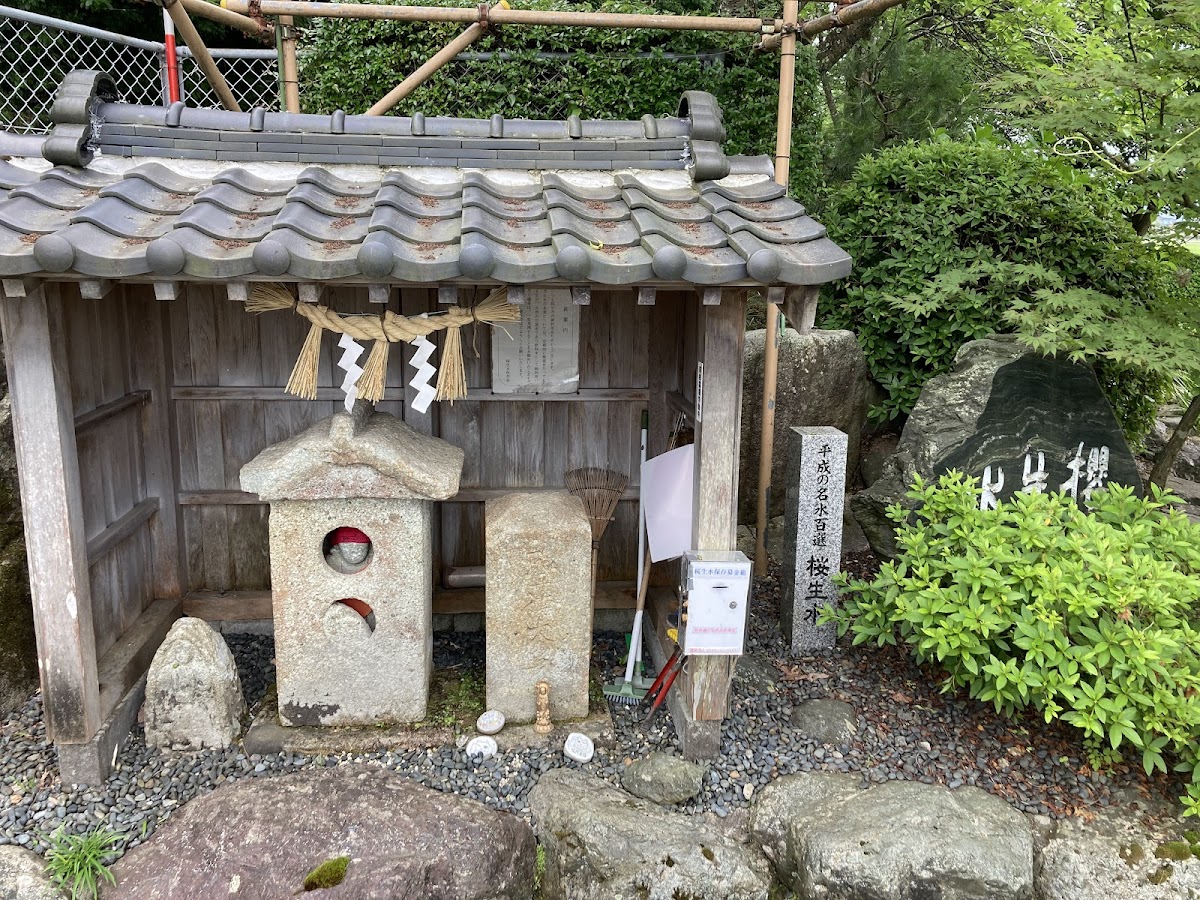
Currently, Fujiseno Water has been developed as “Fujiseno Sacred Water Park,” a spot that anyone can freely visit. The park is equipped with facilities for collecting the spring water and is available year-round without holidays.
The Mystical Legend and History of Fujiseno Sacred Water
Discovery Through a Revelation from Moonlight Bodhisattva
Fujiseno Water has a mystical legend surrounding its discovery that has been passed down through generations. The head of the Zasu family (zasu-ke), designated as a National Important Cultural Property in this area, named Zasu Masakarimori, suffered from severe neuralgia for many years.
One deep night, Zasu received a revelation from Moonlight Bodhisattva (Gakkō Bosatsu) in a dream. Following this revelation, he continued to drink this spring water, and his long-standing neuralgia was allegedly cured. This miraculous event became widely known, and Fujiseno Water became recognized as “water that cures illness.”
The Relationship Between the Zasu Family and Fujiseno Water
The Zasu family holds an important position in Ishikawa’s history, and their residence is designated as a National Important Cultural Property. The discovery and spread of Fujiseno Water were greatly influenced by the existence of this family. The miraculous healing experienced by the head of the family became a factor that enhanced the credibility of this water.
After Zasu’s experience, Fujiseno Water was carefully preserved as “sacred water” among the people of the region. The reputation spread through word of mouth, and eventually many people began to visit from distant places.
The Efficacy and Reputation of Fujiseno Water
Effects on Neuralgia
Fujiseno Water is most known for its effects on neuralgia. Beginning with the case of Zasu’s severe neuralgia being cured—which became the origin of the legend—many people have reported experiencing improvement in neuralgia symptoms.
Neuralgia is one of the conditions that is difficult to cure even with modern medicine, but many reports have been received of symptoms being alleviated through continuous consumption of Fujiseno Water. This is not merely a legend; it is characterized by the fact that many people are actually experiencing its effects.
Efficacy for Other Illnesses
Fujiseno Water has a reputation for curing not only neuralgia but various diseases. Specifically, effects on the following symptoms have been reported:
- Chronic pain: Improvement in joint pain, lower back pain, and similar conditions
- Digestive system disorders: Effects in regulating gastrointestinal function
- Fatigue recovery: Alleviation of daily fatigue
- Improvement of constitution: Overall improvement in health condition through continuous consumption
While scientific analysis data is limited, many people have experienced its effects over the years, and the reputation continues to spread through word of mouth.
Actual Testimonies and Cases
Among those who visit Fujiseno Water, there are many with experience of their illnesses improving. Many people travel from distant places to collect water, and some continue to do so on a regular basis, with some having consumed it for years.
Such actual cases support the credibility and reputation of Fujiseno Water. However, rather than considering it as a substitute for medical treatment, it is recommended to use it as a health maintenance aid or complementary role.
Facilities and Environment of Fujiseno Sacred Water Park
Park Development Status
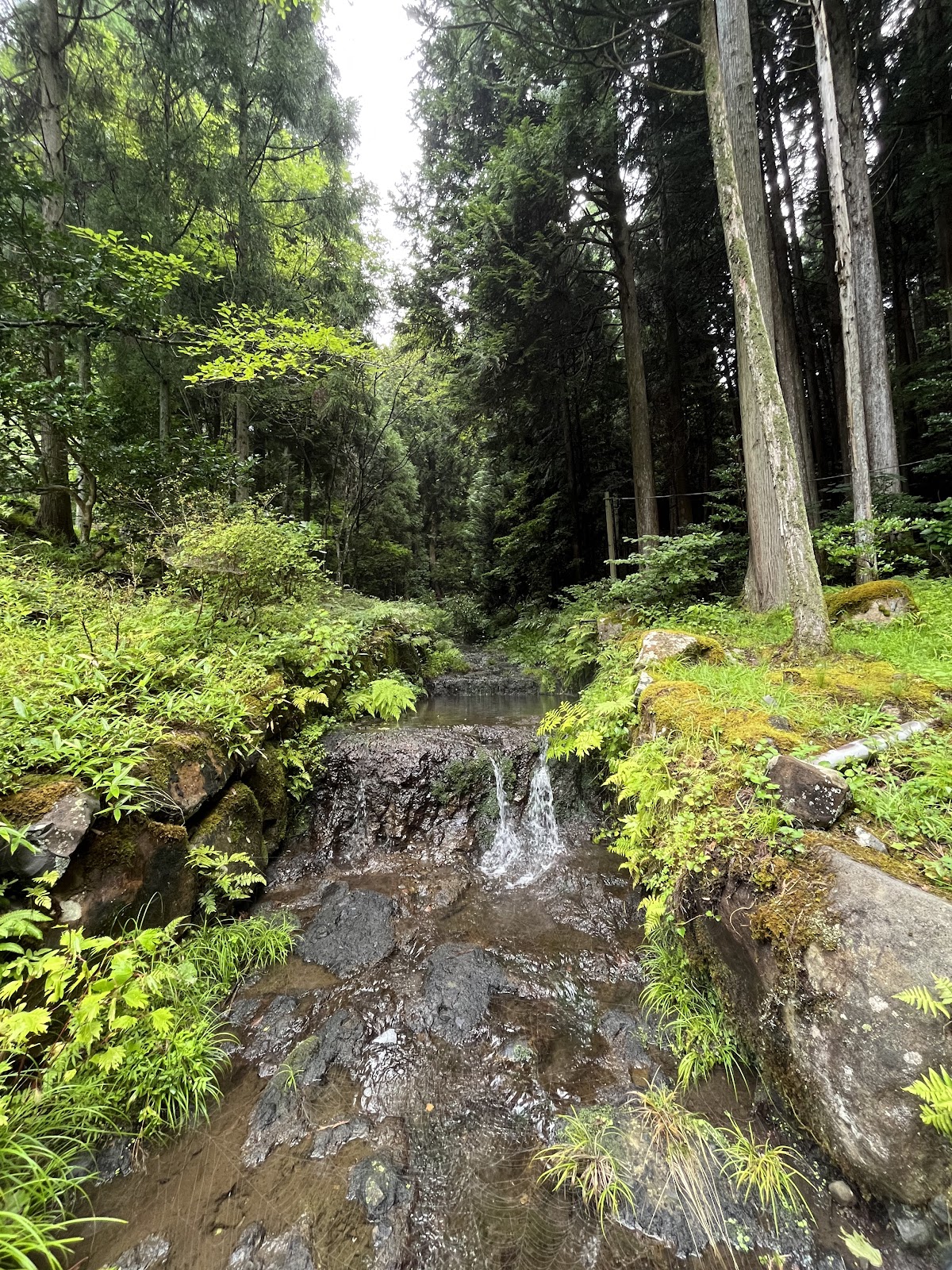
Fujiseno Water is currently developed as “Fujiseno Sacred Water Park,” beautifully maintained. The park is kept clean and maintains a calm atmosphere centered around the spring water. Various facilities have been set up to ensure that visitors can comfortably collect water.
The park contains the following facilities:
- Water collection area: Cleanly managed water collection space
- Parking lot: Easy access by automobile
- Rest areas: Bench seating and other rest facilities
- Information boards: Explanatory signage introducing the history and legends of Fujiseno Water
Hours of Operation and Admission
Fujiseno Sacred Water Park can be used under the following conditions:
- Opening hours: 6:00 AM to 8:00 PM (no seasonal variation)
- Holidays: Open year-round without holidays
- Admission fee: Free (free to visit)
- Water collection: Free (visitors must bring their own containers)
Open year-round from early morning to late evening, visitors can come at their convenience. However, since the surroundings become dark at night, daytime visits are recommended.
Water Quality Management and Safety
Fujiseno Sacred Water Park is properly managed by the Fujiseno Sacred Water Park Management Association. The spring water quality is checked regularly, and cleanliness is maintained.
However, since it is natural spring water, please note the following when drinking:
- Use a clean container when collecting water
- Drink the collected water soon (it is not suitable for long-term storage)
- If there are health concerns, start with a small amount
- Do not consider it a substitute for medical treatment; use it in a complementary manner
Access Methods and Surrounding Information
Location and Basic Information
Address: 19-38 Fujiseno, Nakajima Town, Nanao City, Ishikawa Prefecture
Inquiry: 0767-66-2500 (Fujiseno Sacred Water Park Management Association)
Access by Automobile
Access to Fujiseno Sacred Water Park by automobile is most convenient. The park has a parking lot where visitors can park and collect water.
Access from major cities:
- From Kanazawa City: Approximately 1 hour to 1 hour 15 minutes via National Route 159
- From Nanao City center: Approximately 20 minutes by car
- From Noto Airport: Approximately 40 minutes by car
You can find the exact location by searching “Fujiseno Sacred Water Park” or “Fujiseno Water” on car navigation systems or smartphone map applications.
Access by Public Transportation
If using public transportation, you would need to use a bus from within Nanao City, but since service is limited, it is recommended to check the schedule in advance. Access by automobile is most efficient.
Nearby Sightseeing Spots
When visiting Fujiseno Water, you can also visit nearby sightseeing spots in Nakajima Town, Nanao City:
Zasu Family Residence: A historic structure designated as a National Important Cultural Property. This is an important location deeply connected to the legend of Fujiseno Water.
Notojima Island: A beautiful island connected to Nanao City by bridge. You can enjoy various activities including an aquarium, hot springs, and scenic coastal drives.
Nanao Bay: A calm inner bay where you can enjoy fresh seafood and beautiful scenery.
Wakaura Hot Spring: A hot spring resort representative of Nanao City. After wishing for health at Fujiseno Water, relaxing in the hot spring is also recommended.
How to Collect and Carry Away Fujiseno Water
Items to Prepare
When going to collect Fujiseno Water, prepare the following items:
- Clean container: Pet bottles or poly tanks and other food-grade containers
- Towel: For cases when water spills
- Cooler box (summer): For temperature management when transporting water
- Work gloves (winter): Convenient when handling cold water
Choose the container size considering the amount you wish to collect and your storage space. Generally, people bring multiple 2-liter pet bottles.
How to Collect Water
- Prepare container: Confirm that the container is clean before collection
- Go to water collection area: Move to the designated water collection area in the park
- Collect water: Pour water directly from the spring outlet into the container
- Close the lid firmly: Seal the lid securely to prevent spillage
- Clean the surroundings: Wipe up any spilled water
Storage and Consumption Notes
Since Fujiseno Water is natural spring water, proper storage and prompt consumption are important:
- Storage method: Store in a cool, dark place or refrigerator
- Consumption period: Drink as soon as possible (within a few days is ideal)
- Boiling: If concerned, boil before drinking
- Observation: If there is an unusual odor or cloudiness, avoid drinking
Fujiseno Water and Ishikawa’s Top 100 Waters
Top 100 Waters in Ishikawa Prefecture
Ishikawa Prefecture has a total of seven renowned waters, combining the Top 100 Waters and Heisei Era’s Top 100 Waters selected by the Ministry of the Environment:
Top 100 Waters from the Showa Era (selected in 1985):
- Hakusan Mikawa Subterranean Water Group (Hakusan City, Nonoichi City)
- Kōbōike Pond Water (Komatsu City)
- Kowazo Spring Water (Komatsu City)
Heisei Era’s Top 100 Waters (selected in 2008):
- Fujiseno Water (Nanao City)
- Kawachi Senjō Hot Spring Spring Water (Hakusan City)
- Otesarashi Pond (Hakusan City)
- Sakurao Water (Suzu City)
Fujiseno Water is one of four locations selected as one of the Heisei Era’s Top 100 Waters, making it one of the representative waters of Ishikawa Prefecture.
Characteristics of Fujiseno Water and Differences from Other Waters
Characteristics of Fujiseno Water when compared with other waters in Ishikawa Prefecture:
History as sacred water: It is unique in having a mystical legend of discovery through a revelation from Moonlight Bodhisattva. While other waters are evaluated primarily for water quality and scenery, Fujiseno Water is centered on the reputation of its efficacy as “water that cures illness.”
Good accessibility: Developed as a park with a parking lot, it is easily accessible if you have a car.
Open year-round: It is notable that it is available year-round without holidays, regardless of season or weather.
Connection with the community: It has a deep connection with the Zasu family, a historic family line, and possesses cultural value beyond that of a mere natural spring.
Etiquette and Rules When Visiting Fujiseno Water
Basic Etiquette
When visiting Fujiseno Sacred Water Park, observe the following etiquette:
- Be quiet: Among those who come to collect sacred water, some offer prayers. Act quietly
- Keep it clean: Be careful not to dirty the water collection area or surroundings
- Follow the order: Share and yield to other users during crowded times
- Do not monopolize: Avoid occupying the space for long periods so others can also use it
- Take trash home: Do not leave garbage in the park
Water Collection Rules
- Collect only what you need: If collecting a large amount, check if other users are present
- Do not put your mouth directly: Avoid putting your mouth directly on the spring water outlet
- Do not immerse the container: For hygiene reasons, collect water without immersing the container in the spring
- Do not waste water: Wipe up any spilled water
About Photography
Photography at Fujiseno Sacred Water Park is basically free, but please note the following:
- Consideration for other users: Be careful not to interfere with people collecting water
- Respect for privacy: Be considerate so other visitors do not appear in photos
- Notes on SNS posting: Pay attention to location information handling and avoid causing congestion
Visitor Feedback and Experience Reports
Why There Are Many Repeat Visitors
As a characteristic of people visiting Fujiseno Water, there are many repeat visitors. After their first visit, many people begin to regularly return to collect water, and some have been doing so for years.
Reasons for many repeat visitors:
- Experience actual effects: Feel physical changes from continued water consumption
- Good accessibility: Developed as a park, easy to visit
- Pleasant environment: The quiet and calm atmosphere is comfortable
- Free to use: Can continue without economic burden
Visitors from Distant Places
The reputation of Fujiseno Water extends beyond Ishikawa Prefecture throughout Japan. Many people travel hours by car to visit, and some regularly travel from outside the prefecture to do so.
It appears that many people suffering from neuralgia or chronic pain come to Fujiseno Water after hearing of its reputation. An increasing number of people use Fujiseno Water in a complementary manner alongside medical treatment at medical institutions.
Charm of the Four Seasons
Fujiseno Sacred Water Park is available year-round, but has different charms depending on the season:
Spring: The surrounding nature comes to life, and fresh greenery is beautiful. Moderate temperatures make visiting easy
Summer: Cold spring water is refreshing, and visiting on hot days is especially pleasant. However, attention is needed to water storage
Autumn: Fall foliage is beautiful, and water can be collected in a calm atmosphere. Comfortable temperature
Winter: The sacred water amid snowy scenery has a mystical atmosphere. However, be careful of icy road surfaces
Fujiseno Water and Noto Peninsula Culture
Noto’s Water Culture
The Noto Peninsula is a region blessed with abundant water resources throughout history. Beyond the surrounding seas, the inland areas have numerous clear springs that have supported people’s lives.
Fujiseno Water is one of the symbols of Noto’s water culture. The history of being preserved as “sacred water” rather than merely functional water for daily use reflects the Noto people’s reverence for nature.
The Zasu Family and Regional History
The Zasu family, central to the legend of Fujiseno Water, has played an important role in the history of the Noto region. The fact that their residence is designated as a National Important Cultural Property demonstrates the significance of the Zasu family in the region.
The story of the miraculous healing experienced by the head of the Zasu family is not merely a legend but has become a cultural treasure connected to the faith of the local people. By being passed down, Fujiseno Water has transcended the status of a mere spring and become something greater.
Contemporary Significance
In contemporary society, the existence of “sacred water” like Fujiseno Water possesses value that cannot be explained by scientific evidence alone. The fact that many people actually experience its effects and continue to visit demonstrates that it serves as a source of spiritual support for people.
In modern society with its stress, the act of visiting a quiet park to seek the blessing of natural spring water itself may provide refreshment for mind and body.
Frequently Asked Questions (FAQ)
Q1: Does Fujiseno Water really cure illnesses?
A: Fujiseno Water has long been known as “water that cures illness,” and there are numerous reports of symptom improvement including neuralgia. However, medical treatment effects have not been scientifically proven. Rather than considering it a substitute for medical treatment, it is recommended to use it as an aid to health maintenance or in a complementary capacity. If you have health concerns, please consult a physician.
Q2: Is there a fee to collect water?
A: Use of Fujiseno Sacred Water Park is completely free. There is no admission fee or water collection charge. However, you must provide your own container for the water. Please bring a clean pet bottle or poly tank.
Q3: How much water can I collect?
A: There is no explicit limit, but consideration for other users is necessary. During crowded times, limit yourself to necessary amounts or visit during less busy hours. Generally, domestic use (several liters to about 10 liters) is not a problem.
Q4: Can I collect water in winter?
A: Yes, Fujiseno Sacred Water Park is available year-round, including during winter. However, if there is snow or icy road surfaces, be careful with access. Daytime visits are recommended, especially since temperatures are low in early morning or evening, and road surfaces may be icy.
Q5: How long can I store the water I collect?
A: Since Fujiseno Water is natural spring water, it is not suitable for long-term storage. Store in a refrigerator and drink within a few days if possible. Water quality may change depending on storage conditions, so avoid drinking if there is an unusual odor or cloudiness. If concerned, boiling before drinking is safer.
Q6: Is it okay to give it to pets?
A: It is generally considered safe, but depends on your pet’s constitution and health. If giving it for the first time, try a small amount and observe. If concerned, consult a veterinarian.
Q7: Can I access it without a car?
A: You can use public transportation, but since bus service is limited, access by automobile is most convenient. You can also rent a car or use a taxi. If staying at an accommodation in Nanao City, you may consult with your host.
Q8: Are there places to eat nearby?
A: There are few restaurants in the vicinity of Fujiseno Sacred Water Park, so dining in Nanao City center or the Wakaura Hot Spring area is recommended. There are many restaurants offering dishes with fresh Noto seafood.
Summary: The Appeal of Fujiseno Water and the Value of a Visit
Fujiseno Water in Fujiseno, Nakajima Town, Nanao City, Ishikawa Prefecture, is one of Ishikawa Prefecture’s representative waters selected as one of the Heisei Era’s Top 100 Waters. It carries a mystical legend of discovery through a revelation from Moonlight Bodhisattva and has long been cherished by many people as “water that cures illness.”
It has gained a reputation especially for its effects on neuralgia, and many reports of symptom improvement have been received. It is currently developed as Fujiseno Sacred Water Park, beautifully maintained, and anyone can visit freely year-round and free of charge.
The greatest appeal of Fujiseno Water lies in its credibility based on people’s actual experiences, transcending scientific explanation. Many repeat visitors continue to visit for years, and there are many who travel from distant places specifically to come. The quiet and calm atmosphere of the park also soothes the hearts of those who visit.
When visiting the Noto Peninsula, be sure to stop by Fujiseno Water. Tasting the clear spring water and touching its history and legends will allow you to experience the rich water culture of Noto. Visiting along with nearby sightseeing spots such as the Zasu Family Residence and Wakaura Hot Spring will make for a more fulfilling Noto trip.
Fujiseno Water is a precious place that reminds us of gratitude and reverence for nature’s blessings, values that are being lost in modern society. Once you visit, you will surely be enchanted by its clear water and quiet environment, and will certainly want to visit again.