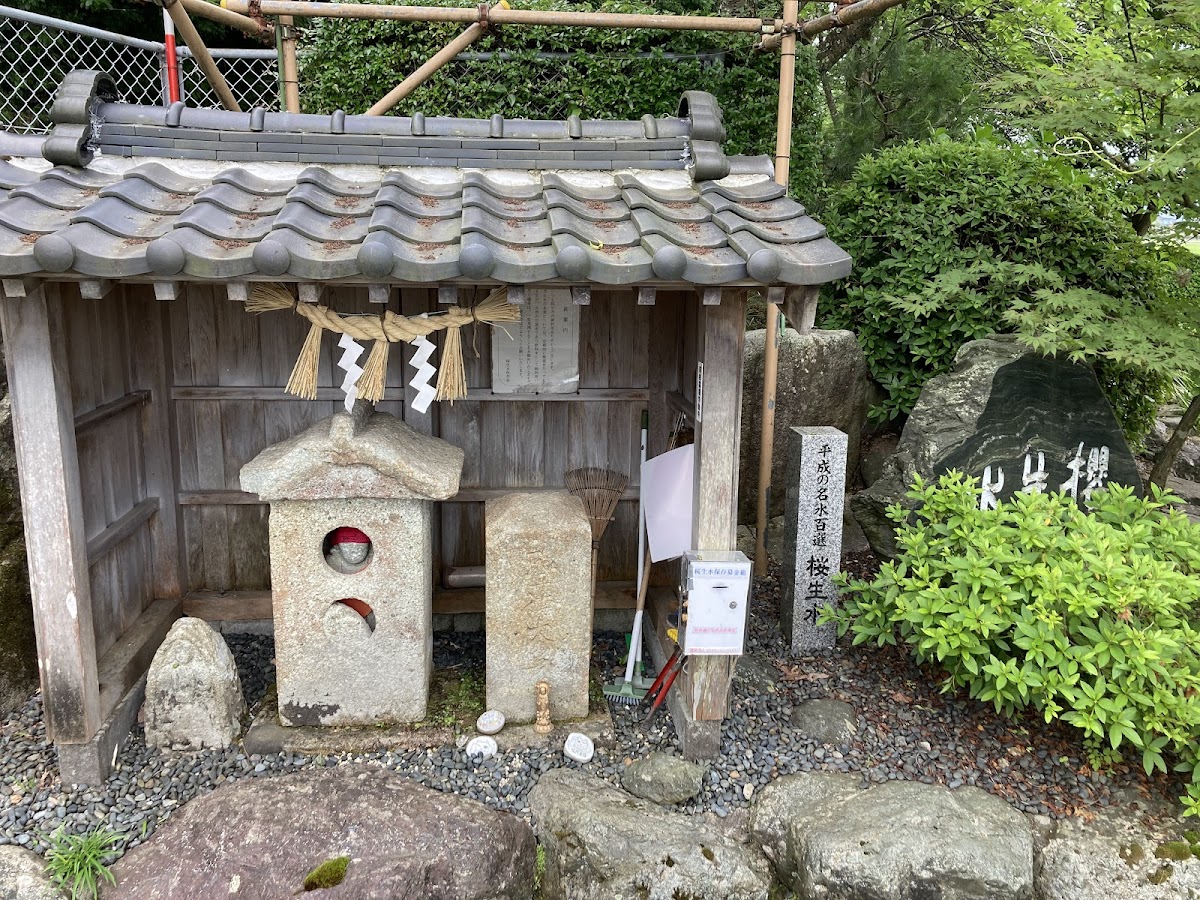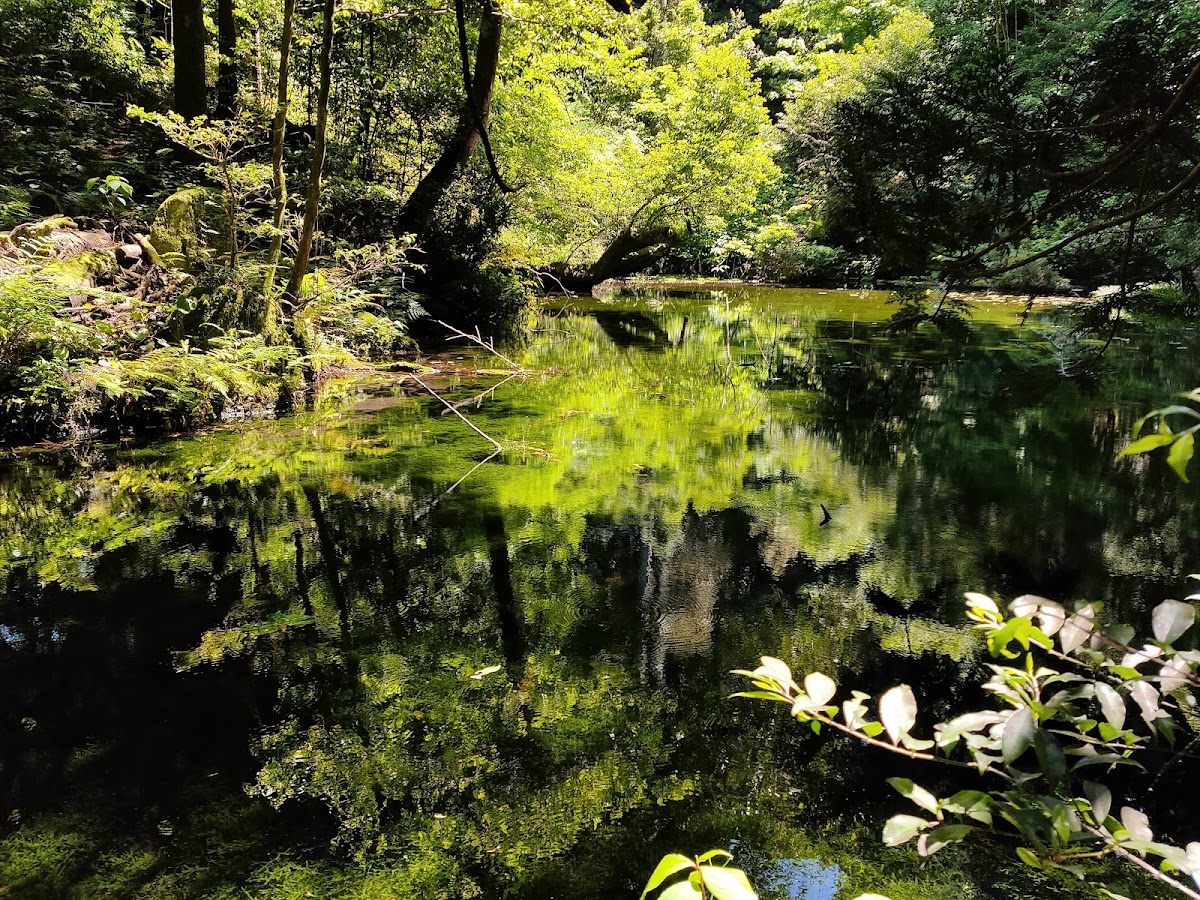

Kobo’s Sacred Spring (Ishikawa Prefecture) Complete Guide: History of Kobo Pond and Nationally Rare Pothole Spring Water
Kobo Pond (Koboike), which springs forth in Kamashimizu Town, Nomi City, Ishikawa Prefecture, is a famous water spot with legends related to Kobo Daishi Kukai and geologically distinctive characteristics that are rare nationwide. Also known by the alternative name “Kama Pond,” this spring water has been cherished by local people since ancient times and was selected as one of the Hundred Best Waters of the Showa Era. This article provides detailed explanations of the history, characteristics, access methods, and surrounding tourism information of Kobo’s Sacred Spring.
Kobo Pond: Overview of Ishikawa’s Celebrated Spring Water
Kobo Pond is a spring water site located in Kamashimizu Town, Nomi City, Ishikawa Prefecture, and as its name suggests, it originates from a legend connected to Kobo Daishi Kukai. This pond is not merely a spring but is characterized by the fact that water springs forth from a geologically extremely valuable “pothole (ouketsu),” a phenomenon unique in its own right.
A pothole is a pot-shaped depression created when the rapids of a river carve away bedrock over a long period of time. Normally, potholes form at the bottom of rivers, but at Kobo Pond, groundwater springs forth from this pothole, making it an extremely rare phenomenon known nationwide. From this unique shape, it was given the alternative name “Kama Pond,” and it became the origin of the district name “Kamashimizu.”
The water temperature remains nearly constant throughout the year, maintaining clear, limpid water quality. The local residents have a history of using this water as domestic water from ancient times, and even today, many people visit in search of this famous water.
The Legend of Kobo Daishi Kukai: Gratitude to an Old Woman and the Miracle of the Pilgrim’s Staff
The most famous legend associated with Kobo Pond is the story of Kobo Daishi Kukai and a kind old woman. This legend is passed down as a particularly moving episode among the many Kobo Daishi traditions found throughout Ishikawa Prefecture.
Details of the Legend
In the early Heian period, Kobo Daishi Kukai, who was traveling throughout the country, visited this area and encountered an old woman. At that time, this region was lacking in water, and residents were forced to endure the hardship of traveling far to draw water.
Suffering from thirst during his journey, Kukai received precious water from the old woman without hesitation, and she offered him wholehearted hospitality. Deeply grateful for the old woman’s kindness, Kukai thought of wanting to give her something in return.
Kukai forcefully thrust the pilgrim’s staff (shakujo) he held in his hand into the rock. Then, from that spot, clear water sprang forth, becoming a spring that would never run dry. This freed the villagers from the suffering of water shortage.
Significance of the Legend
This legend is not merely a tale of miracles but contains deep teachings about compassion in Buddhism, the importance of gratitude, and salvation for people in difficult circumstances. Kobo Daishi Kukai is known as the founder of the Shingon sect, but he left similar “legends involving water” in various places throughout the country, each becoming a subject of faith in their respective regions.
Numerous temples and shrines connected to Kobo Daishi Kukai exist throughout Ishikawa Prefecture, and Kobo Daishi faith remains deeply rooted from the Noto region to the Kaga region. Kobo Pond can be said to be a precious place where the legend remains in a particularly concrete form among these sites.
Nationally Rare Pothole Spring Water: Geological Significance
The greatest feature of Kobo Pond is the geologically extremely rare phenomenon of spring water being produced from a pothole (ouketsu). This characteristic is explained in detail below.
What is a Pothole?
A pothole is a circular or elliptical hole created when stones and sand carried by river rapids rotate in a whirlpool-like motion within a depression in bedrock, gradually carving away the rock over a long period of time. In English, it is called a “pothole,” which literally describes its “pot-like” shape.
Normally, potholes are found at the bottom of rivers or in places that were once rivers where water currently flows. However, cases like Kobo Pond where groundwater springs forth from a pothole are extremely rare nationwide.
The Geological Formation Process of Kobo Pond
The area around Kamashimizu Town in Nomi City, where Kobo Pond is located, is thought to have been the former course of the Tedori River. The Tedori River is the largest river in Ishikawa Prefecture, originating from Mount Hakusan and flowing into the Japan Sea as a rapid river.
Tens of thousands of years ago, the fierce flow of the ancient Tedori River that flowed through this region carved away bedrock to form potholes. Subsequently, the river’s course changed, and this location was no longer a river bottom. However, it is believed that through a fortunate coincidence, a groundwater vein happened to spring forth at the surface exactly at the location of the pothole, forming the present-day Kobo Pond.
Characteristics of Water Quality
The water of Kobo Pond, being groundwater flowing from deep underground, maintains a nearly constant temperature throughout the year (approximately 13-15 degrees Celsius). Additionally, as it is naturally filtered through geological strata, it is very clear and transparent with high clarity and contains mineral components in good balance.
This water quality was evaluated highly, and it was selected as one of the “Hundred Best Waters of the Showa Era” chosen by the Ministry of the Environment. Historically, local people have used it as drinking water and domestic water from ancient times, and even today, people continue to visit to draw water.
The Hundred Best Waters of the Showa Era: Evaluation of Kobo Pond’s Water
The water of Kobo Pond was selected as one of the “Hundred Best Waters of the Showa Era” chosen by the Ministry of the Environment in 1985 (Showa 60). This selection aims to preserve excellent spring water and river water throughout the country and make their value widely known.
Selection Criteria for the Hundred Best Waters
To be selected as one of the Hundred Best Waters, the following criteria are considered:
- Water Quality Excellence: The water should be clear and suitable for drinking
- Abundant Water Volume: Stable water quantity should be ensured
- Public Accessibility: The environment should be accessible and familiar to residents and visitors
- Conservation Activities: Conservation activities should be conducted by the local community
- History and Culture: Strong connections to the region’s history and culture
Kobo Pond met all these criteria, and it was highly evaluated particularly for its historical and cultural background through the Kobo Daishi legend and its geological value as spring water from a pothole.
Comparison with Other Famous Waters in Ishikawa
Ishikawa Prefecture has several other famous waters in addition to Kobo Pond. For example, “Kowa Shuudo” in Hakusan City is known as water historically used in temples for presenting tea to Buddha. There are also multiple spring water sites within Kanazawa City, each with its own unique history and characteristics.
Among Ishikawa’s famous waters, Kobo Pond has become a particularly popular spot due to the clarity of its legend, its geological characteristics, and its good accessibility.
Basic Information and Access Methods
Here is the basic information and access methods necessary for visiting Kobo Pond.
Location
Address: Kamashimizu Town, Nomi City, Ishikawa Prefecture
Coordinates: Approximately 36°26′ North Latitude, 136°27′ East Longitude
Access Methods
By Car:
- Approximately 10 minutes from “Nomi Negao IC” on the Hokuriku Expressway
- Approximately 40 minutes from downtown Kanazawa via National Route 8
- Approximately 20 minutes from Komatsu Airport
- Parking: Available (free, space for several vehicles)
By Public Transportation:
- Approximately 10 minutes by taxi from “Nomi Negao Station” on the JR Hokuriku Main Line
- Bus service is limited, making taxi use convenient
Visiting Hours and Admission
- Visiting Hours: Free access 24 hours (note: no lighting available at night)
- Admission: Free
- Recommended Time to Visit: Morning to afternoon during daylight hours
Precautions
- When drawing water, please be considerate so as not to disturb local residents
- Always take trash with you
- Since the area is residential, be mindful of noise
- Water quality is good, but if you drink it, please do so at your own responsibility
- During rainy weather or high water conditions, be careful as the ground becomes slippery
Surrounding Tourist Attractions and Places Connected to Kobo Daishi in Ishikawa
When visiting Kobo Pond, it is recommended to also visit surrounding tourist attractions and other places in Ishikawa Prefecture connected to Kobo Daishi.
Tourist Attractions Around Nomi City
Kutani Ware Museum
Nomi City is famous as a production area for Kutani ware. At the Kutani Ware Museum, you can appreciate masterpieces of historic Kutani ware, and creation experiences are also available. It is located approximately 15 minutes by car from Kobo Pond.
Ishikawa Zoo
Ishikawa’s largest zoo where you can observe animals in environments close to nature. It is especially recommended for families. It is approximately 20 minutes by car from Kobo Pond.
Tedori Gorge
A beautiful gorge formed by the Tedori River, particularly spectacular during the autumn foliage season. You can see the current state of the ancient Tedori River that formed the pothole at Kobo Pond.
Temples and Shrines Connected to Kobo Daishi in Ishikawa
Meisenji Temple (Anamizu Town)
An ancient Shingon temple founded in 652 (Hakuchi 3), with a legend that when Kobo Daishi practiced in this place, the “Myojo Stone” fell from heaven. The five-story stone pagoda in the temple grounds is a nationally designated important cultural property.
Genhoin Temple (Kanazawa City)
A Koyasan Shingon temple in Kanazawa’s Suketsu-machi teahouse district, said to have been founded by Kobo Daishi. Its location along the Asano River in a picturesque setting is also appealing.
Natadera Temple (Komatsu City)
Belonging to the Shingon sect, Koyasan branch, this ancient temple is said to have been founded by Kobo Daishi in 830 (Tencho 7). It is known as a temple with many ancient legends, including the “Seven Wonders,” and its beautiful garden and rock cave are noteworthy.
Hot Spring Areas in Ishikawa
Ishikawa has many hot spring areas with legends related to Kobo Daishi or Bodhisattva Gyoki.
Yamanaka Onsen
A hot spring area said to have been discovered by Bodhisattva Gyoki, famous for being visited by Matsuo Basho during his journey for “The Narrow Road to the Deep North,” where he composed the poem “Yamanaka ya / Kiku wa taoraji / Yu no kaori.”
Yamashiro Onsen
A hot spring area said to have been opened by Bodhisattva Gyoki, historically flourished as a therapeutic bathing area.
Awazu Onsen
Considered one of Japan’s three ancient hot springs, said to have been opened by Taizho Daishi in 718 (Yoro 2).
Conservation Activities of Kobo Pond and Community Involvement
Kobo Pond has been carefully protected by local residents throughout history. In modern times, such conservation activities continue.
Conservation Activities by Local Residents
The residents of Kamashimizu Town, Nomi City, recognize Kobo Pond as a precious community asset and regularly conduct cleaning activities and environmental maintenance. Particular attention is paid to managing the surrounding environment to maintain water quality.
With local community associations and environmental conservation organizations taking the lead, the following activities are implemented:
- Regular cleaning activities
- Water quality surveys
- Management of surrounding vegetation
- Awareness raising of manners for visitors
- Installation and maintenance of information signs
Educational Use
Local elementary schools utilize Kobo Pond as teaching material, providing opportunities for children to learn about the region’s history and natural environment. Children can learn about the Kobo Daishi legend while deepening their understanding of potholes, a geological phenomenon.
Additionally, as part of environmental education, students learn about the importance of conserving famous waters and the value of water resources. Through such activities, transmission to the next generation is promoted.
Use as a Tourism Resource
Nomi City positions Kobo Pond as an important tourism resource and actively provides information through tourism pamphlets and websites. However, excessive tourism development is avoided, aiming for sustainable use while preserving the natural environment and historical landscape.
Enjoyment and Photography Spots When Visiting
Here are some suggestions for enjoying Kobo Pond and recommended spots for photography.
Water Drawing Experience
Many visitors come with empty plastic bottles or poly tanks to draw water from Kobo Pond and take it home. This clear water, when used for brewing tea or coffee, allows you to experience a noticeable difference in taste.
When drawing water, be considerate of those ahead of you and maintain proper order. Avoid monopolizing the space for long periods and be mindful so that many people can use it.
Observation of the Pothole
You can observe the shape of the pothole from around the pond. Seeing natural formations created over long periods of time up close is a precious experience of feeling the Earth’s history.
Quietly observing the way water springs forth allows you to feel both the powerful force and delicate nature of the water flowing from underground.
Photography Spots
Capturing the Entire Pond
From a distance, composing the entire pond along with surrounding greenery creates a photograph that conveys the atmosphere of a famous water spot surrounded by nature.
Close-up of Water Surface
Close-up shots of the transparency of the water and the ripples on the water surface highlight the clarity of the water.
Combination with Seasonal Scenery
Photography combining Kobo Pond with seasonal nature—spring’s new greenery, summer’s deep green, autumn’s colored leaves, and winter’s snowy landscape—is also recommended.
Composition Evoking the Legend
Photography that evokes the Kobo Daishi legend, creating a mysterious atmosphere, is popular. Photographing in soft light during early morning or dusk produces more impressive results.
Charm of Each Season
Spring (March to May)
Trees around the pond bud and new greenery is beautiful. Snowmelt water increases the water volume.
Summer (June to August)
Kobo Pond surrounded by deep green foliage draws visitors seeking coolness. The cold spring water feels particularly refreshing this season.
Autumn (September to November)
The surrounding autumn foliage is beautiful, and the autumn colors reflected in the pond are spectacular. Clear air makes the water’s transparency even more apparent.
Winter (December to February)
Snow-covered tranquility with warm spring water rising in steam creates a fantastical sight. However, the ground becomes slippery, requiring caution.
Stone Water Culture and the Position of Kobo Pond
Ishikawa Prefecture is blessed with abundant water resources, and a culture of valuing famous waters has been rooted here since ancient times. Kobo Pond holds a special position among them.
Water Culture of Ishikawa
Ishikawa is crossed by many rivers, including the Tedori River originating from Mount Hakusan, flowing into the Japan Sea. Moreover, abundant rainfall combined with complex topography has created numerous locations with high-quality spring water.
In Kanazawa City, irrigation canals are well-developed, and the city is known as the “City of Water.” Water channels running through samurai residences and teahouse districts still resound with beautiful water sounds.
In the Noto region, surrounded by the sea and mountains, spring water is valued as a precious freshwater resource. In the Kaga region, a bath culture alongside hot springs has developed, and sake brewing and food culture utilizing clear water have flourished.
Cultural Significance of Kobo Pond
Kobo Pond has multi-layered cultural significance beyond being merely a spring water site:
- Religious Significance: As a specific sacred site of Kobo Daishi faith
- Historical Significance: As a place transmitting the history of water use in the region
- Geological Significance: As an example of the rare natural phenomenon of spring water from potholes
- Educational Significance: As teaching material for learning about regional history, culture, and nature
- Tourism Significance: As a tourism resource conveying regional appeal
- Practical Significance: As a currently used water source
These multi-faceted values have been evaluated, establishing Kobo Pond’s position as one of Ishikawa’s representative famous water spots.
The Relationship Between Kobo Daishi Kukai and the Hokuriku Region
To deeply understand the legend of Kobo Pond, it is important to understand the relationship between Kobo Daishi Kukai and the Hokuriku region.
The Life of Kobo Daishi Kukai
Kobo Daishi Kukai (774-835) was a Buddhist monk in the early Heian period and is known as the founder of the Shingon sect. Born in Sanuki Province (present-day Kagawa Prefecture), he studied Buddhism from a young age and departed for China in 804 as part of an official mission to Tang Dynasty China.
In China, he studied the mysteries of esoteric Buddhism from Keika Acharya and returned to Japan in just two years. After his return, he established Kongobuji Temple on Mount Koya, making it the center of Shingon esotericism. He also received Toji Temple in Kyoto and devoted himself to spreading esoteric Buddhism.
Kukai was not only exceptional as a religious figure but also demonstrated outstanding talents as an educator, calligrapher, and civil engineer, having significant influence on Japanese culture.
Kobo Daishi’s Nationwide Pilgrimage Legends
Legends of Kobo Daishi traveling throughout the country and saving people exist in many places. Particularly, legends involving “water” are found all over the country, with the following patterns observed:
- He struck rock with his pilgrim’s staff causing water to spring forth
- He dug wells for villages suffering from drought
- He changed poisoned water into pure water
- He discovered hot springs
While it is often uncertain whether Kobo Daishi actually visited these locations, these legends are thought to have been born from the deep faith of the common people in Kobo Daishi combined with the important life issue of securing water.
Kobo Daishi Faith in the Hokuriku Region
The Hokuriku region, including Ishikawa Prefecture, has numerous temples and sacred sites said to be connected to Kobo Daishi. This shows that the Shingon sect was transmitted to the Hokuriku region early and took deep root there.
There are multiple pilgrimage routes, such as the Hokuriku Thirty-Three Kannon Pilgrimage Sites, the Hokuriku Thirty-Three Longevity Kannon Pilgrimage Sites, and the Hokuriku Thirty-Six Fudo Pilgrimage Sites, each including temples connected to Kobo Daishi.
The legend of Kobo Pond can be understood within the context of Kobo Daishi faith in the Hokuriku region. The universal theme of compassion for people suffering from water shortage is transmitted to the present day in the concrete form of flowing spring water.
Conclusion: What Kobo’s Sacred Spring Conveys to the Present
Kobo Pond in Nomi City, Ishikawa Prefecture, is a multi-faceted valuable spot possessing the legend of Kobo Daishi Kukai, geologically rare characteristics of spring water from a pothole, and the evaluation of being selected as one of the Hundred Best Waters of the Showa Era.
The fact that a legend from over a thousand years ago continues to be passed down together with clear spring water that continues to flow to this day teaches us much. It teaches us gratitude for nature’s blessings, compassion for people in difficult circumstances, and the importance of our responsibility to pass on regional treasures to the next generation.
When visiting Kobo Pond, go beyond simply drawing water and reflect on the history, culture, and geological value that form its background. And please use this opportunity to think about what each of us can do to ensure that this precious natural and cultural heritage is passed on to the future.
When visiting Ishikawa Prefecture, be sure to stop by Kobo’s Sacred Spring and experience its clear water and eternal history. You will certainly have an experience as refreshing as having your heart cleansed.