Complete Guide to Choumei Water (Fukui Prefecture): History, Benefits, and Access Methods Fully Explained
Fukui Prefecture is home to numerous famous springs, but among them, “Choumei Water” is a precious spring water spot that has been beloved by local residents for many years. This article provides a comprehensive explanation of all information related to this famous water, including Choumei Water’s historical background, water quality characteristics, health effects, specific access methods, and etiquette when visiting.
What is Choumei Water: Fukui Prefecture’s Esteemed Historic Spring Water
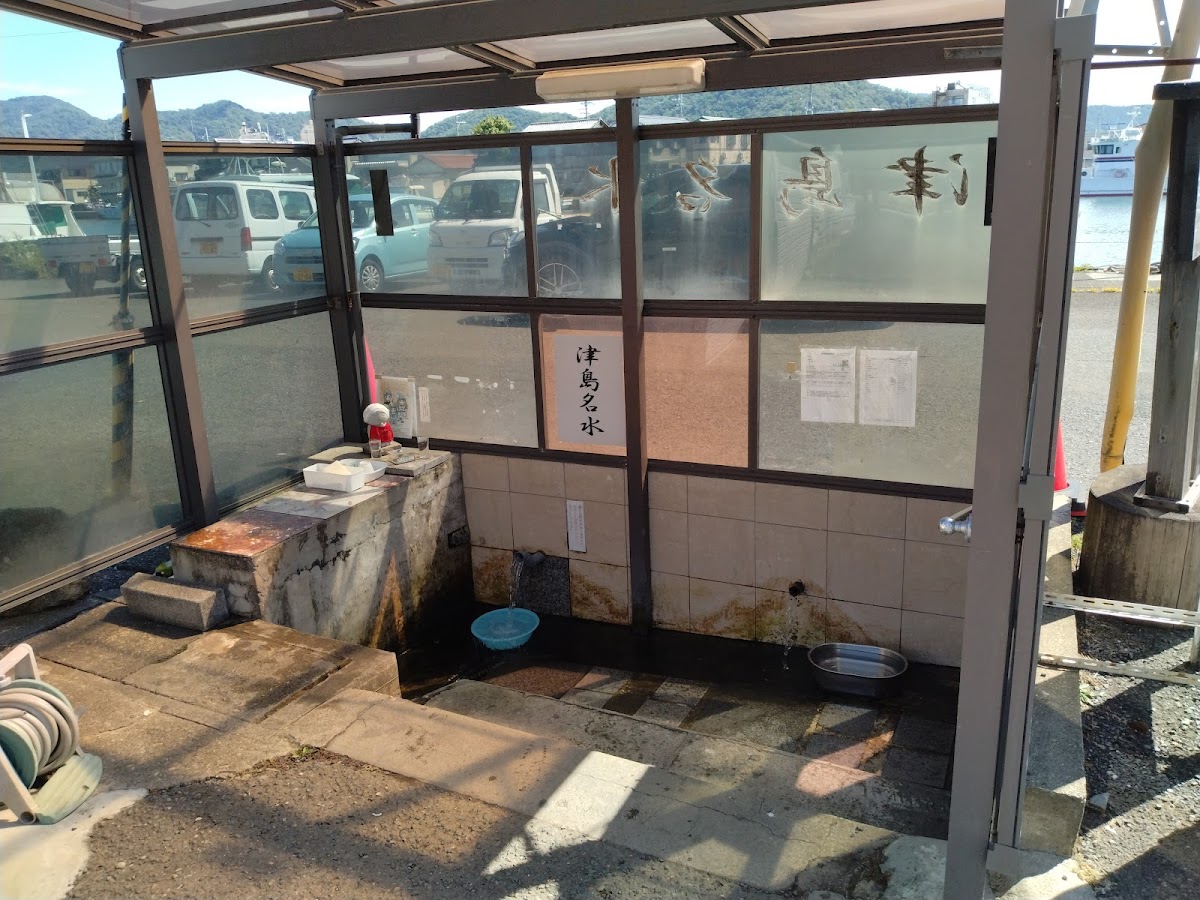
Choumei Water is natural spring water that flows from within Fukui Prefecture, and as its name suggests, it was named with wishes for “longevity” and “healthy longevity.” Depending on the region, multiple springs called “Choumei Water” may exist, but all are characterized by clear water quality and abundant spring flow.
Origins and History of Choumei Water
The name Choumei Water derives from a long-standing local legend that residents who drank this water maintained their health and lived long lives. From the Edo period through the Meiji period, it was highly valued as water for daily use in the community, and today it remains a water source closely integrated into life, with many local residents regularly visiting to collect water.
Fukui Prefecture is located in the Hokuriku region and is characterized by a rich natural environment and terrain surrounded by mountains. Water flowing from underground water veins created by this terrain undergoes natural filtration through geological layers over many years, becoming high-quality water rich in mineral content.
Fukui Prefecture’s Water Environment and the Position of Choumei Water
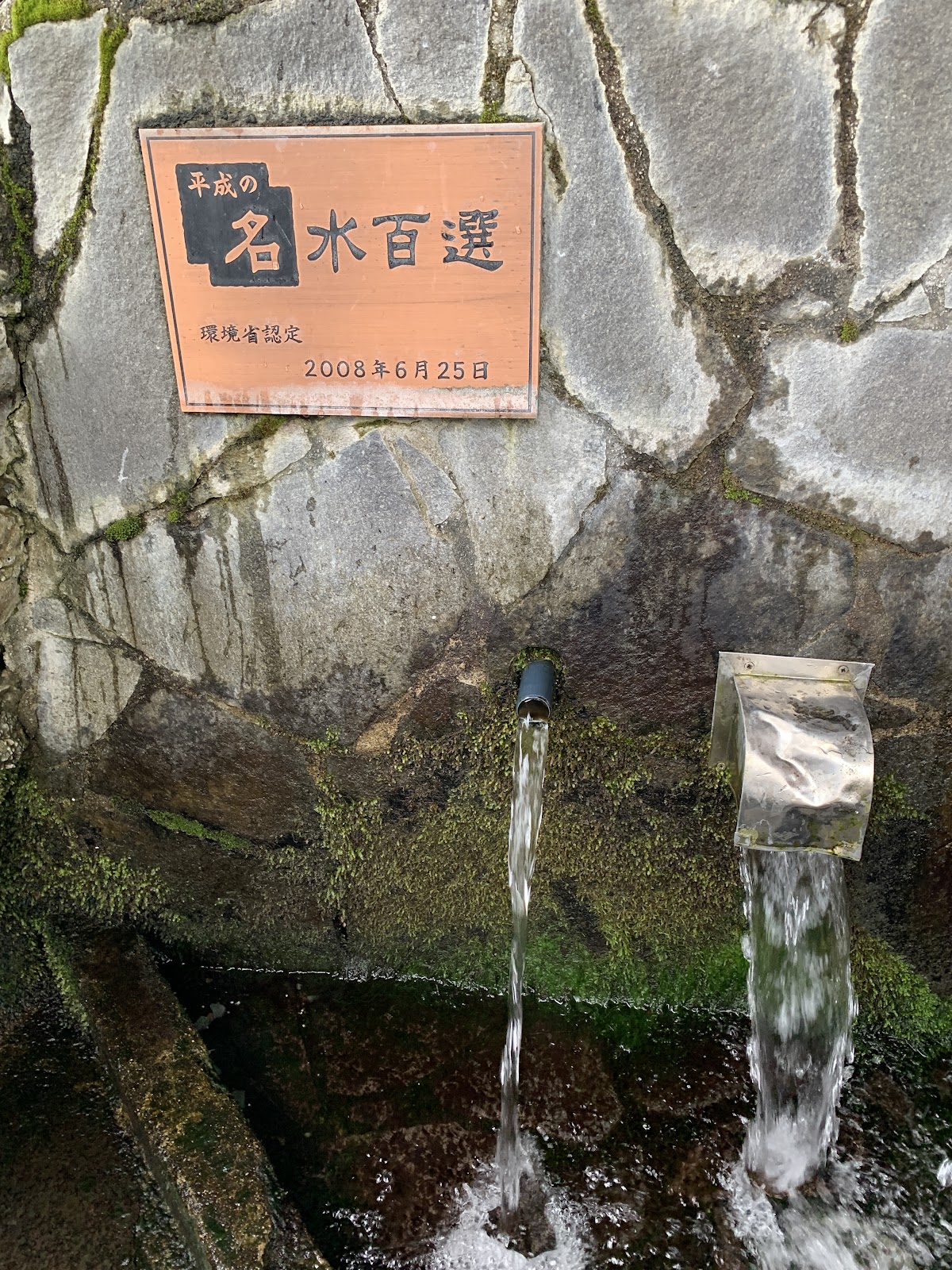
Fukui Prefecture is a region blessed with water resources, possessing multiple springs selected for the “100 Famous Springs of Japan.” Clear streams, including those of the Kuzuryu River system, flow through the prefecture, and abundant precipitation combined with mountainous terrain nurture high-quality groundwater.
Choumei Water occupies an important position as a spring water spot particularly cherished by local residents within Fukui Prefecture’s abundant water environment. Unlike spring water that has been developed into tourist attractions, its distinguishing feature is that it continues to be used as “everyday water” rooted in daily life.
Water Quality and Characteristics of Choumei Water
Mineral Composition and Taste
Choumei Water is natural water that springs from deep underground and naturally contains mineral components such as calcium, magnesium, and potassium. These minerals have dissolved into the water through the process of passing through bedrock and geological layers over many years.
The water’s taste is generally described as “smooth and easy to drink.” Hardness varies depending on region and water source, but like most Japanese spring water, Choumei Water is frequently classified as soft water, and its characteristic feature is a pleasant mouthfeel suited to Japanese palates.
Water Temperature and Spring Flow Volume
Spring water temperature remains nearly constant throughout the year with minimal seasonal variation. Generally maintaining a cool temperature of approximately 10 to 15 degrees Celsius, it feels cold in summer and relatively warm in winter. This stable water temperature is evidence that groundwater is flowing from deep underground layers.
Regarding spring flow volume, while there are slight fluctuations depending on precipitation and season, stable water volume is maintained throughout the year. This abundant spring flow makes daily use by local residents possible.
Water Quality Testing and Safety
Periodic water quality testing is conducted at many spring water spots. However, as natural spring water, water quality may fluctuate due to weather conditions and changes in the surrounding environment.
When drinking, attention to the following points is recommended:
- After heavy rain or typhoons, water quality may temporarily change, so caution is necessary
- If possible, boil before drinking
- When storing long-term, keep in a refrigerator and use early
- Pay attention to environmental changes around the water source
Health Benefits of Choumei Water
Mineral Supplementation and Health Maintenance
Natural mineral components contained in Choumei Water are nutrients necessary for the human body. In particular, calcium and magnesium play important roles in maintaining bone and dental health, normal muscle function, and nerve transmission.
Regular consumption of Choumei Water allows these minerals to be naturally supplemented, and this is thought to contribute to its evaluation as “water for longevity.”
Detoxification Effects and Metabolism Promotion
Consuming sufficient high-quality water has the effect of eliminating bodily waste and promoting new metabolism. Since natural spring water like Choumei Water contains no additives such as chlorine, gentle water supplementation for the body is possible.
Relationship with Traditional Health Concepts
The name “Choumei Water” itself is deeply connected with the health concepts of local people. Even before scientific analysis, empirical wisdom was passed down that drinking this water leads to health and longevity.
From the perspective of modern nutrition and medicine, the importance of consuming high-quality water for health maintenance is widely recognized, and traditional wisdom and modern science align in this good example.
Access to Choumei Water
Location and Basic Information
Choumei Water’s specific location may exist in multiple areas within Fukui Prefecture. When planning a visit, it is important to confirm accurate location information in advance.
General access methods to spring water spots:
Access by Car:
- Often located in mountainous areas approximately 30 minutes to 1 hour by car from Fukui City
- Search by entering location name or facility name into a navigation system
- Confirm in advance whether parking space is available
Access by Public Transportation:
- Use bus or train from nearest station, then walk or take a taxi
- As frequency may be limited, confirm timetables in advance
- Community buses may operate in some areas
Appropriate Seasons and Times for Visiting
Choumei Water can be visited year-round, but precautions differ by season:
Spring (March to May):
- Abundant water volume due to snowmelt
- Beautiful surrounding nature with fresh greenery
- Pollen allergy countermeasures may be needed
Summer (June to August):
- Cold spring water is particularly refreshing
- Insect repellent measures necessary
- Water quality may change during rainy season, so caution required
Autumn (September to November):
- Can be enjoyed together with autumn leaves
- Relatively stable weather
- Peak visiting season
Winter (December to February):
- Heavy snow may make road access difficult
- Cold weather protective measures essential
- Water collection areas may freeze
Early morning or morning time visits are recommended. Water quality is most stable and crowds can be avoided.
Nearby Tourist Attractions
Combining nearby tourist attractions when visiting Choumei Water allows for more enriching travel:
- Historic Temples and Shrines: Fukui Prefecture has numerous historic temples including Eiheiji
- Hot Spring Facilities: Quality hot springs like Awara Onsen are located throughout the prefecture
- Natural Parks and Scenic Areas: Enjoy spectacular views of the Japan Sea including Tojinbo and the Echizen Coast
- Local Gourmet Spots: Enjoy Fukui specialties including Echizen soba, Echizen snow crab, and sauce katsudon
How to Use and Carry Away Choumei Water
Basic Etiquette for Collecting Water
When using Choumei Water, it is important to observe the following etiquette:
- Respect the order: If other users are present, wait your turn
- Keep it clean: Be careful not to soil the area around the water collection spot
- Don’t monopolize: Avoid prolonged occupation and maintain a spirit of consideration
- Don’t litter: Always take away anything brought in
- Don’t contaminate the source: Don’t soak containers directly in the water source or wash dishes
Choosing Appropriate Containers
Container selection when carrying water home is also important:
Recommended containers:
- Food-grade plastic tanks (10L to 20L capacity)
- Plastic bottles (around 2L in size is easier to handle)
- Glass bottles (when preserving small quantities with high quality)
Container preparation:
- Wash thoroughly in advance and dry well
- Choose ones with lids that close tightly
- Consider how to secure containers during transport so they don’t tip
Storage Methods and Shelf Life
Tips for properly storing carried-away Choumei Water:
Short-term storage (within 1 week):
- Store in refrigerator (below 10 degrees Celsius is ideal)
- Avoid direct sunlight
- Use soon after opening
Long-term storage (1 week or longer):
- Recommended to boil before storing
- Place in airtight container and store in a dark, cool place
- Still preferable to use within one month
Natural spring water contains no sterilizing agents like chlorine, so its shelf life is shorter than tap water.
Using Choumei Water in Daily Life
Use for Drinking
The most basic use is to drink it as is:
- A Glass in the Morning: Drinking room-temperature Choumei Water after waking promotes the body’s awakening
- Hydration After Exercise: Ideal for water and mineral supplementation after exercise due to mineral content
- Hydration Before Bed: Appropriate water supplementation prevents nighttime dehydration
Use in Cooking
The deliciousness of Choumei Water can be utilized in cooking:
Cooking Rice:
- Use for rinsing rice and as cooking water
- Results in fluffy, well-cooked rice
Making Broth:
- Easy to draw out the umami of kombu and bonito flakes
- Recommended as a base for miso soup and soup
Tea and Coffee:
- Brings out the full flavor of tea leaves and coffee beans
- Especially recommended for beverages where water quality greatly affects taste
Use in Beauty and Health Care
Various uses exist beyond drinking:
- As Face Wash Water: Soft water gentle on skin is suited for facial washing
- As Homemade Cosmetic Water Base: Use as an ingredient for homemade toner
- Watering Plants: Use for watering houseplants and home vegetable gardens
Precautions When Visiting Choumei Water
Safety Considerations
Sufficient safety precautions are necessary when visiting spring water spots located in mountainous or natural areas:
- Check Weather: Avoid visiting during bad weather or when bad weather is forecast
- Appropriate Clothing: Wear non-slip shoes and easy-to-move clothing
- Wild Animals: Consider bear bells and other precautions in mountainous areas
- Mobile Phone Coverage: May not have signal, so confirm maps in advance
- Consideration for Companions: Multiple-person visits are preferable
Environmental Protection Considerations
Individual visitor consideration for the environment is important to protect Choumei Water for future generations:
Water Source Protection:
- Refrain from smoking and eating near the water source
- Don’t use detergents or chemicals
- Don’t enter areas outside designated spaces
Natural Environment Conservation:
- Don’t collect or damage plants
- Be considerate not to disturb ecosystems
- Take photographs with consideration for surroundings
Respect for Local Community:
- Recognize this is a place for local residents’ daily lives
- Avoid making noise, don’t trespass on private property
- Respect local rules and customs
Special Precautions by Season
Winter (December to March):
- Caution against slipping accidents due to freezing
- Equip with studless tires or chains
- Take thorough cold weather protective measures
- Plan with time to spare as sunset comes early
Rainy Season (June to July):
- Water quality may change after heavy rain
- Ground may be soft, so watch your footing
- Don’t approach if water levels are rising
Summer (July to August):
- Heat stroke prevention (hats, water intake)
- Carry insect repellent spray
- Be aware of dangerous insects like wasps
Other Famous Water Spots in Fukui Prefecture
If you have the opportunity to visit Choumei Water, it’s also recommended to visit other famous water spots throughout Fukui Prefecture:
Oshozu Water
Spring water in Ono City, also selected for the “100 Famous Springs of Japan.” A historic water source supporting the castle town of Ono’s lifestyle, currently used by local residents.
Uriware Falls
A famous water spot in Wakasa Town, designated as one of the “100 Famous Springs of Japan.” With consistently low water temperature year-round, it got its name from melons splitting when cooled in its water in summer.
Jouseki Water
Spring water inside Jouseki Park in Ono City, flowing from the base of Ono Castle. A water collection spot beloved by local people.
Cultural and Social Significance of Choumei Water
Community Gathering Point
Spring water spots like Choumei Water have significance beyond mere water sources. When local residents gather to collect water, it naturally becomes a place of communication and serves as a venue for community information exchange and interaction.
Particularly in aging rural areas, such everyday activities as “collecting water” become opportunities for going out and provide health benefits through moderate exercise.
Inheritance of Traditional Culture
The culture of valuing water and gratitude for nature’s blessings is one aspect of traditional Japanese values. Visiting Choumei Water and using its water is also an act of transmitting such cultural values to future generations.
Sustainability and Environmental Education
Protecting natural resources like Choumei Water and using them in sustainable ways serves as living teaching material for environmental education. When children actually visit spring water locations and experience their clarity and cold temperature, they can learn the importance of water resources and the significance of environmental protection.
Frequently Asked Questions about Choumei Water
Is water quality testing conducted regularly?
Many public spring water spots undergo periodic water quality testing conducted by local government or management organizations. However, testing frequency and items vary by location. The latest water quality test results can often be confirmed on local government websites or information boards at the site.
Is boiling necessary before drinking?
It is recommended to boil natural spring water before drinking. Special caution is necessary for those with weakened immunity, infants, and elderly persons. However, if the water source has undergone regular water quality testing and been confirmed as safe for drinking, many people drink it without boiling.
How much water can be taken?
In most cases, no clear limit is set, but use within reasonable bounds is required. Generally, quantities assumed for household daily use (up to about 20L) are considered acceptable. Large-scale collection for commercial purposes is prohibited in most cases.
Can it be used during winter?
Most spring water spots can be used during winter, but access may become difficult due to heavy snow or icy road surfaces. Additionally, the water collection area itself may be frozen. When visiting in winter, it is important to confirm local information in advance and prepare adequate equipment.
Conclusion: Passing Choumei Water to the Next Generation
Fukui Prefecture’s Choumei Water possesses value beyond that of a mere spring water spot—it is a community treasure. Its clear water has supported local residents’ lives throughout long history and has been cherished as a symbol of health and longevity.
In modern society, such natural water resources are precious. In an era when purchasing mineral water at convenience stores has become commonplace, the value of places like Choumei Water, where we can directly receive nature’s blessings, increases even more.
When visiting Choumei Water, recall that this water has reached us after passing through geological layers over hundreds or thousands of years. And so that we can pass this precious resource to the next generation, each individual must be mindful of environmental protection and adherence to proper etiquette.
If you have an opportunity to visit Fukui Prefecture, by all means visit Choumei Water. By tasting its clear water and touching abundant nature, you will gain healing and insights unavailable in daily life. And if that experience becomes an opportunity to reflect on the importance of water resources and protection of the natural environment, it will be gratifying.
Choumei Water is a community lifeline connecting past, present, and future. We bear the responsibility to protect this precious resource, use it in sustainable ways, and pass it to future generations. Let us build a good relationship with Choumei Water while giving thanks for the natural blessings and ancestral wisdom contained in a single cup of water.