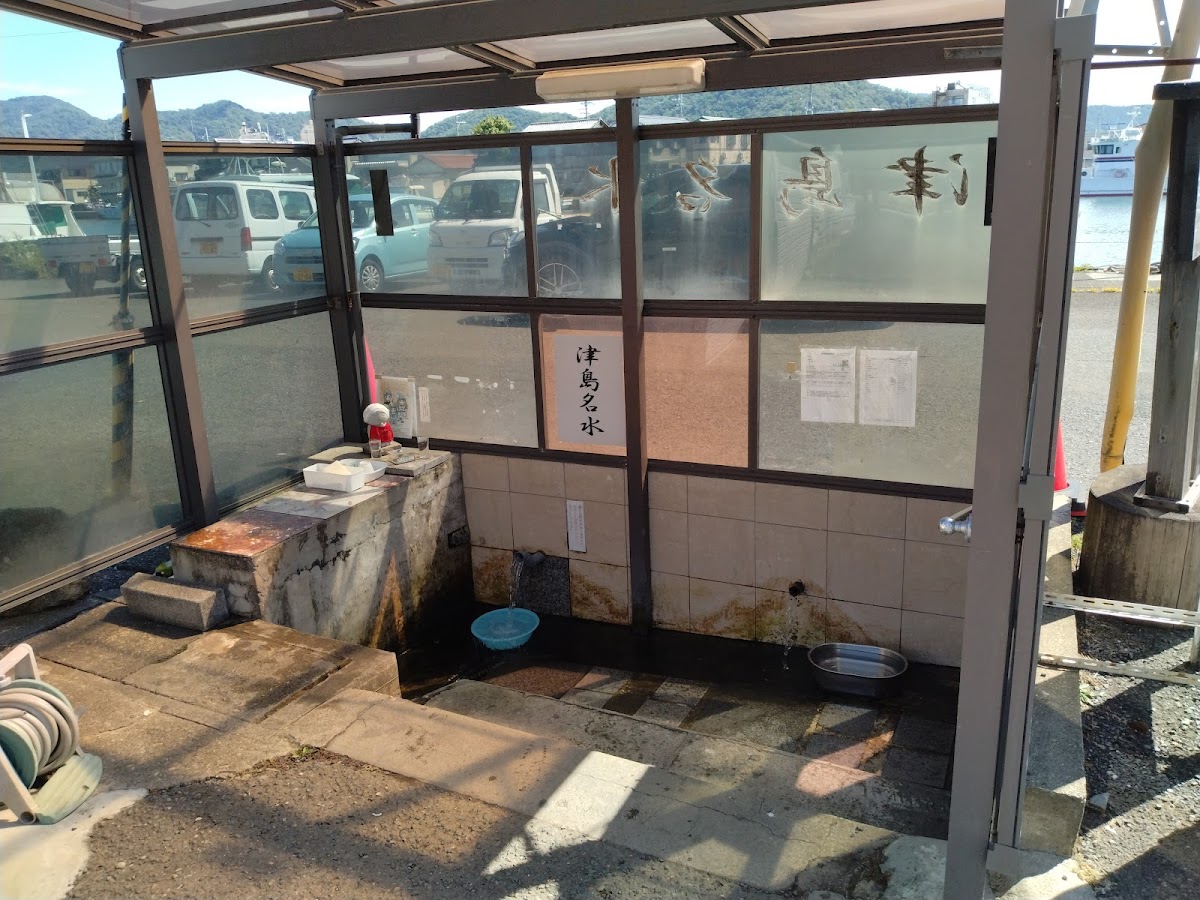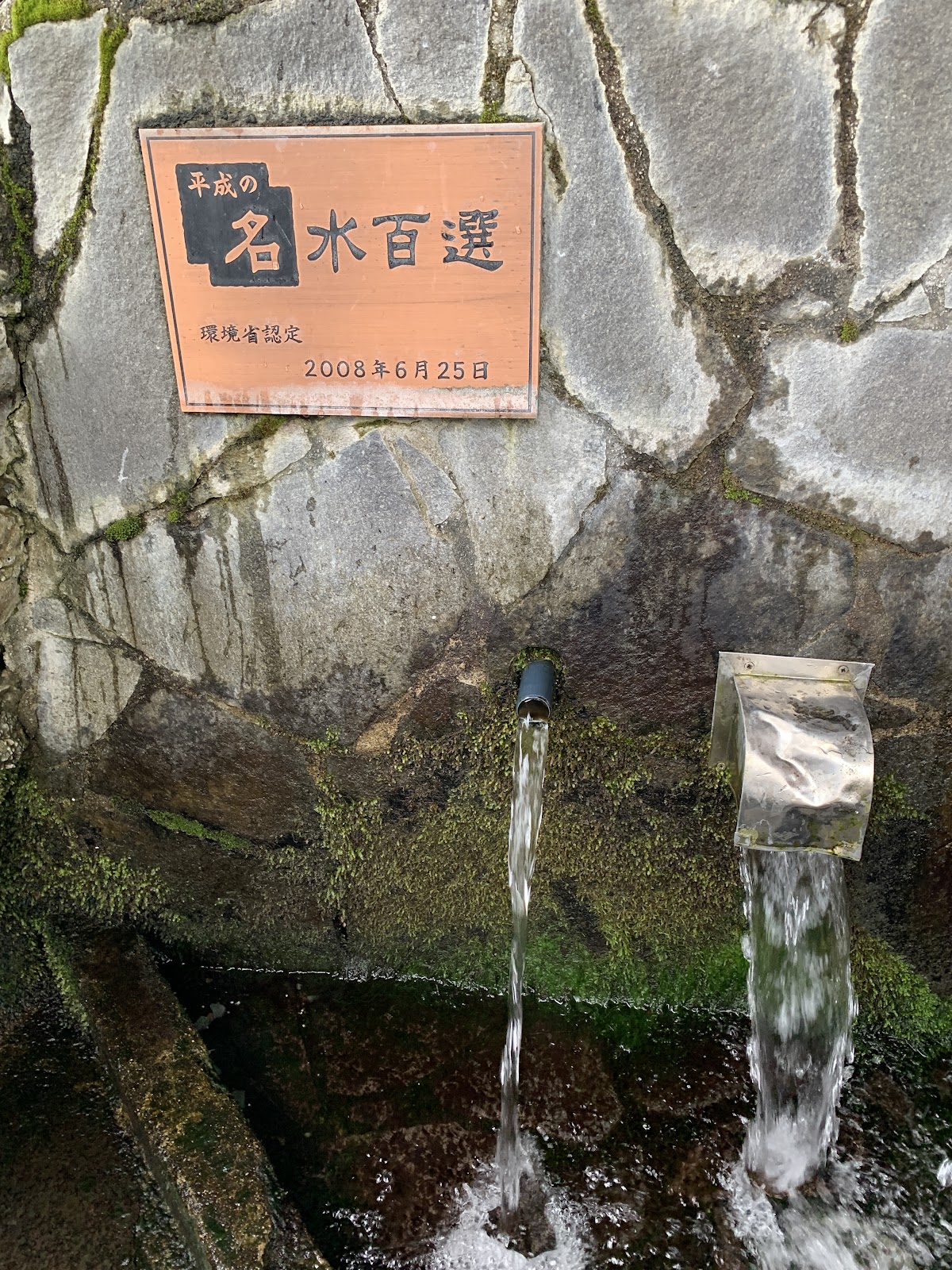

Ginmei Water (Fukui Prefecture) Complete Guide|The Immortality Water of Seihogyatake and Climbing Information
Ginmei Water (銀命水), a famous spring that flows from the climbing trail of Seihogyatake on the Tsuruga Peninsula in Fukui Prefecture, is a renowned water that has been cherished by local people since ancient times as “water of immortality and longevity.” As a place of rest for climbers and as a famous water spot representing Fukui Prefecture, it is visited by many people. This article comprehensively introduces information you should know before visiting the site, including the charm of Ginmei Water, access methods, climbing information, and water quality characteristics.
What is Ginmei Water|The Secret Water of Seihogyatake
Ginmei Water is a spring located on the climbing trail of Seihogyatake (elevation 764m) in the central part of the Tsuruga Peninsula in Tsuruga City, Fukui Prefecture. Clear water flows out from between rocks at approximately 500m elevation, about one hour’s climb from the Jogugu climbing trailhead.
History as “Water of Immortality and Longevity”
Ginmei Water has long been passed down in the region as “water of immortality and longevity” or “water of life.” There are various theories about the origin of its name, but it is said to carry the meaning of water that is as clear as silver and nourishes life. Despite being located deep in the mountains, it has a history of being carefully preserved by local people and cherished by climbers since ancient times.
Water Quality Characteristics and Appeal
Ginmei Water is natural water nurtured by the rich primeval forest of the Tsuruga Peninsula. Fukui Prefecture is a mountainous country with approximately 80% of its total area being mountainous, and the area around the Tsuruga Peninsula is particularly known as a heavy snowfall region. Snow that falls and accumulates during winter is filtered through the earth’s layers in the mountains and flows out as mineral-rich clear water, which is the characteristic of Ginmei Water.
The volume of water flowing out from between the rocks is not large, but its transparency and coldness are exceptional. Even in the middle of summer, it remains cold and soothes the body heated by climbing. Many climbers are seen filling water bottles and plastic bottles to take home.
Access Methods to Ginmei Water
Traffic Access to the Trailhead
To reach Ginmei Water, use the climbing route from the Jogugu trailhead of Seihogyatake.
By Car
- Approximately 30 minutes from “Tsuruga IC” on the Hokuriku Expressway
- Head toward the Ogama direction on National Route 27, then toward the Tsuruga Peninsula
- Head toward Jogugu Shrine (parking space available near the shrine)
- Approximately 25–30 minutes by car from Tsuruga City
By Public Transportation
- Community bus “Jogugu Line” from JR Tsuruga Station, get off at Jogugu Shrine
- However, the number of buses is limited, so advance confirmation of the timetable is necessary
- By taxi from Tsuruga Station: approximately 20–25 minutes
Climbing Route and Time Required
From Jogugu Trailhead to Ginmei Water
- Trailhead elevation: approximately 50m
- Ginmei Water elevation: approximately 500m
- Time required: approximately 1 hour to 1 hour 15 minutes one way
- Distance: approximately 2.5km
- Difficulty: Intermediate (steep climbs present)
The climbing trail is well-maintained, but the path to Ginmei Water in particular has sections with steep climbs. Climbing boots or non-slip shoes are recommended.
From Ginmei Water to Summit
- From Ginmei Water to Seihogyatake summit: approximately 1 hour
- There are no other water sources between Ginmei Water and the summit, so it is important to refill water at Ginmei Water
Precautions and Preparation for Climbing
Necessary Items and Equipment
Essential Equipment
- Climbing boots or trekking shoes
- Drinking water (1 liter or more recommended)
- Action food/emergency food
- Rain wear
- Map and compass (or GPS device)
- Headlamp
- First aid kit
Useful Items
- Empty plastic bottles (for bringing back Ginmei Water)
- Trekking poles
- Insect repellent spray (spring–autumn)
- Gloves
Seasonal Precautions
Spring (March–May)
- Caution regarding lingering snow (especially March–early April)
- Beautiful season with fresh greenery
- Large temperature differences, so adjust with layering
Summer (June–August)
- Heat stroke prevention is essential
- Peak season for insects, so use insect repellent
- Watch for thunderstorms (weather tends to deteriorate in the afternoon)
Autumn (September–November)
- Beautiful season for autumn foliage (mid-October–early November)
- Early sunset, so start climbing early
- Temperature drops, so prepare warm clothing
Winter (December–February)
- Snowy season climbing is for advanced climbers
- Winter climbing equipment such as crampons and ice axes necessary
- Ginmei Water may be frozen
How to Enjoy Ginmei Water
Water Collection Etiquette
Ginmei Water is a natural blessing and a valuable water source used by many climbers. Please observe the following etiquette when using it.
- Follow the order: If another climber is collecting water, get in line and wait
- Do not make it dirty: Do not put your hands directly into the water source or submerge containers in the water source
- Do not monopolize it: If collecting a large amount, consider other climbers
- Do not litter: Always take litter, such as plastic bottle caps, with you
- Do not damage the surroundings: Do not trample plants or move rocks
Taking Water Home and Storage
Precautions when taking Ginmei Water home:
- Use clean containers: Use pre-sterilized bottles or plastic containers
- Consume early: Since it is natural water, store in the refrigerator after taking home and consume within a few days
- Boiling recommended: It is recommended to boil before drinking, just in case
- Avoid large-scale collection: Take only the amount you need and value the resource
Fukui Prefecture’s Water Culture and Ginmei Water
Fukui Prefecture’s Rich Water Resources
Fukui Prefecture is known as a “water nation” and has famous springs and water sources scattered throughout the prefecture. The terrain of approximately 80% mountainous area and the climate of a heavy snowfall region create rich water resources.
Major famous water spots in Fukui Prefecture:
Hokuriku Region
- Goseisui (Ono City): Selected for “100 Famous Springs”
- Uriwarinottaki (Wakasa Town): Selected for “100 Famous Springs”
- Unoseat (Obama City): Selected for “100 Famous Springs”
Tsuruga and Wakasa Region
- Ginmei Water (Tsuruga City)
- Unjosuimizu (Obama City)
- Kumagawa Juku spring groups (Wakasa Town)
“Fukui’s Delicious Water” Certification System
Fukui Prefecture certifies directly drinkable springs and other water sources throughout the prefecture as “Fukui’s Delicious Water” and disseminates information about them as a Fukui Prefecture brand. Since this system began in 2006, more than 35 famous water sources in the prefecture are currently certified.
Although Ginmei Water has not received official certification as “Fukui’s Delicious Water” due to its location on a climbing trail, it has become one of the representative symbols of Fukui Prefecture’s water culture as a famous water beloved by local people.
The Appeal of Seihogyatake Climbing
Spectacular Views from the Summit
From the Seihogyatake summit (elevation 764m), a grand panorama of Tsuruga Bay, Wakasa Bay, and the Sea of Japan unfolds. On clear days, you can see the Tsuruga city area, Mihama Town, and even the distant Hakusan mountain range. The sunset over the Sea of Japan, especially at dusk, is spectacular.
Nature in All Four Seasons
Spring: New green of beech and Mizunara oak, alpine flowers
Summer: Deep green forest bathing, cool mountain breeze
Autumn: Spectacular autumn foliage (best viewed mid-October–early November)
Winter: Snowy landscape and rime (for advanced climbers)
Nearby Attractions
Jogugu Shrine (常宮神社)
- A historic shrine located at the trailhead
- Worshipped as the deity of safe childbirth and child-rearing
- An ancient shrine with connections to Empress Jingū
Tsuruga Peninsula Coastline
- Mizushima (uninhabited island, opened as a beach in summer)
- Irohagahama (coastline with high transparency)
- Tateishizaki (scenic spot)
Tourism Information for Tsuruga City
Access to Tsuruga City
Railway
- JR Hokuriku Main Line “Tsuruga Station”
- From Tokyo: approximately 3 hours 30 minutes via Hokuriku Shinkansen and express train
- From Osaka: approximately 1 hour 30 minutes via express train “Thunderbird”
- From Nagoya: approximately 1 hour 30 minutes via express train “Shirasagi”
By Car
- Hokuriku Expressway “Tsuruga IC”
- From Tokyo: approximately 6 hours
- From Osaka: approximately 2 hours 30 minutes
- From Nagoya: approximately 2 hours
Major Tourist Spots in Tsuruga City
Kehi Shrine
- Known as the guardian shrine of the Hokuroku region
- Important cultural property grand torii gate (11m tall)
- Approximately 15 minutes on foot from Tsuruga Station
Tsuruga Red Brick Warehouse
- Refurbished oil storage warehouse from the Meiji era
- Diorama Hall and Restaurant Hall
- Facility where you can learn about Tsuruga’s history
Kanezakimiya Shrine
- Known as the shrine of love
- Cherry blossom viewing spot (Kanezaki Castle ruins)
- Located on a high platform overlooking Tsuruga Bay
Nihonkai Sakana Street
- Largest fresh seafood market on the Sea of Japan side
- Fresh seafood in abundance
- Well-equipped dining facilities
Tsuruga Cuisine
Tsuruga Ramen
- Local ramen with pork bone soy sauce base
- Many famous shops throughout the city
Echizen Crab
- King of winter delicacies (November–March)
- Fresh crab caught at Tsuruga Port
Hesiko
- Mackerel bran pickle, traditional preserved food of Wakasa region
- Perfect as a side dish for sake
Tsuruga Kelp
- Processing of Hokkaido kelp is thriving in Tsuruga
- Products include tororo kombu and oboro kombu
Model Courses for Visiting Ginmei Water
Day-Trip Climbing Course
Morning Departure Plan
- 8:00 Depart from Jogugu trailhead
- 9:00–9:15 Arrive at Ginmei Water, rest, refill water
- 10:15 Arrive at Seihogyatake summit
- 10:45 Begin descent
- 11:30 Refill water at Ginmei Water again
- 12:30 Return to Jogugu trailhead
- 13:00–14:00 Lunch in Tsuruga city
- 14:30–15:30 Tsuruga sightseeing (Kehi Shrine, red brick warehouse, etc.)
1 Night 2 Days Tour Course
Day 1
- Morning: Arrive in Tsuruga, city sightseeing
- Afternoon: Visit Jogugu Shrine, Tsuruga Peninsula drive
- Evening: Stay in Tsuruga City or Mihama Town
Day 2
- Morning: Seihogyatake climbing, visit Ginmei Water
- Afternoon: Seafood cuisine at Nihonkai Sakana Street, purchase souvenirs
- Evening: Head home
Power Spot Information Around Ginmei Water
Blessings of Jogugu Shrine
Jogugu Shrine is an ancient shrine located at the trailhead to Ginmei Water, and legend has it that Empress Jingū stopped here during her three-country conquest. It is worshipped as the deity of safe childbirth, child-rearing, and maritime safety, and many climbers visit to pay their respects before climbing.
Water and Health Power Spots
In addition to Ginmei Water, Fukui Prefecture has many famous water spots, each known as a power spot.
Goseisui in Ono City
- Spring water selected for “100 Famous Springs”
- Water that has supported life in Ono castle town
- Water collection point in town
Uriwarinottaki in Wakasa Town
- Selected for “100 Famous Springs”
- Low water temperature, legend of a melon splitting
- Developed as Uriwarinomeisui Park
Unoseat in Obama City
- Selected for “100 Famous Springs”
- Site of the “Water Sending” Shinto ritual to Todai Temple in Nara
- The water route connecting Wakasa and Nara
Q&A for Visiting Ginmei Water
Q: Can you drink the water at Ginmei Water?
A: As it is natural spring water, many climbers drink it as is, but depending on constitution and season, it is recommended to boil before consumption. Especially if taking it home for storage, place it in a clean container, store in the refrigerator, and consume early.
Q: Can beginner climbers go?
A: From the Jogugu trailhead to Ginmei Water is approximately a 1-hour climb with some steep sections, so a certain level of physical fitness and climbing experience is desirable. Prepare climbing boots, appropriate clothing, and sufficient water, and visit on a day with good weather.
Q: Is it okay to just go to Ginmei Water and not go to the summit?
A: Yes, it is possible to turn back at Ginmei Water. The round trip to Ginmei Water is approximately 2–2.5 hours. However, since you’re climbing anyway, it is recommended to go all the way to the summit (additional 1 hour from Ginmei Water).
Q: Does Ginmei Water flow even in winter?
A: In winter, there is snow accumulation and the water may be frozen. Also, winter mountain climbing is for advanced climbers, so beginners are recommended to visit during the snow-free period from spring to autumn.
Q: Is there parking?
A: There are several parking spaces around Jogugu Shrine. However, the number is limited, so early arrival is recommended on holidays and during climbing season. Avoid street parking as it causes problems for residents.
Q: Are there restrooms?
A: There is a public restroom near Jogugu Shrine. There are no restrooms on the climbing trail, so be sure to use them before climbing.
Conclusion: Experience Fukui’s Natural Blessings at Ginmei Water
Ginmei Water on the climbing trail of Seihogyatake in Tsuruga City, Fukui Prefecture, is a famous water that has been cherished since ancient times as “water of immortality and longevity.” It is a precious spot where you can enjoy climbing while tasting clear water nurtured by Fukui Prefecture’s rich nature.
By combining the beautiful nature of the Tsuruga Peninsula, spectacular views from the summit, historical spots such as Jogugu Shrine, and Tsuruga City sightseeing and cuisine, you can create a fulfilling travel plan.
When climbing, prepare with appropriate equipment and preparation, enjoy Ginmei Water’s blessings while respecting the natural environment and etiquette. It will be an unforgettable experience touching on one aspect of Fukui Prefecture’s renowned water culture.
Seihogyatake and Ginmei Water, displaying different faces in all four seasons. Why not visit the mountains of the Tsuruga Peninsula in search of this “water of life”?