Complete Guide to Atago-shita Ojizo Yugusui no Sato (Akita Prefecture) | Thorough Explanation of Access, Water Quality, History, and Surrounding Attractions
“Atago-shita Ojizo Yugusui no Sato,” a spring water spot nurtured by the abundant nature of Akita Prefecture, is a precious spring water site that has been loved by local residents for many years. This place, where clear water springs forth, captivates visitors from both within and outside the prefecture as a hidden famous water source in Akita.
In this article, we will explain in detail the characteristics of Atago-shita Ojizo Yugusui no Sato, access methods, historical background, water quality information, and surrounding tourist attractions—information you should know before visiting.
What is Atago-shita Ojizo Yugusui no Sato?
Atago-shita Ojizo Yugusui no Sato is a natural spring water source located in Akita Prefecture. It has a history of being used by local residents as domestic and drinking water since ancient times, and is currently carefully preserved as a valuable water resource for the region.
Characteristics of the Spring Water
The water at Atago-shita Ojizo Yugusui no Sato is natural spring water that wells up from deep underground. It maintains a stable water temperature throughout the year and is characterized by its refreshing and transparent water quality.
Main characteristics:
- Water temperature stability: Maintains a water temperature of approximately 10-15 degrees Celsius year-round
- Abundant water volume: Stable spring discharge, though with seasonal variations
- High transparency: Clear water free from turbidity
- Mineral content: Soft water containing natural minerals
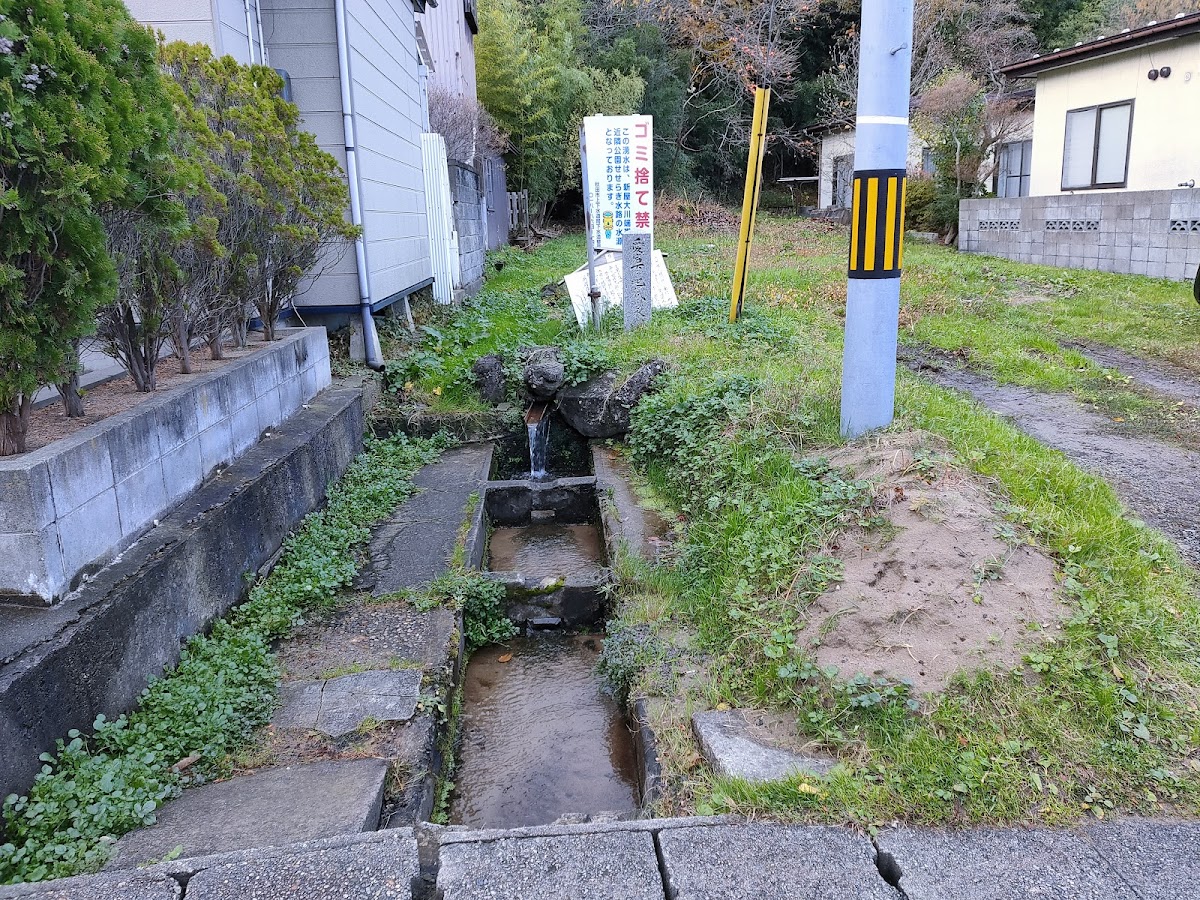
The area surrounding the spring water source has been developed, allowing local residents and visitors to collect water. However, boiling the water is recommended before consumption.
Connection with Ojizo
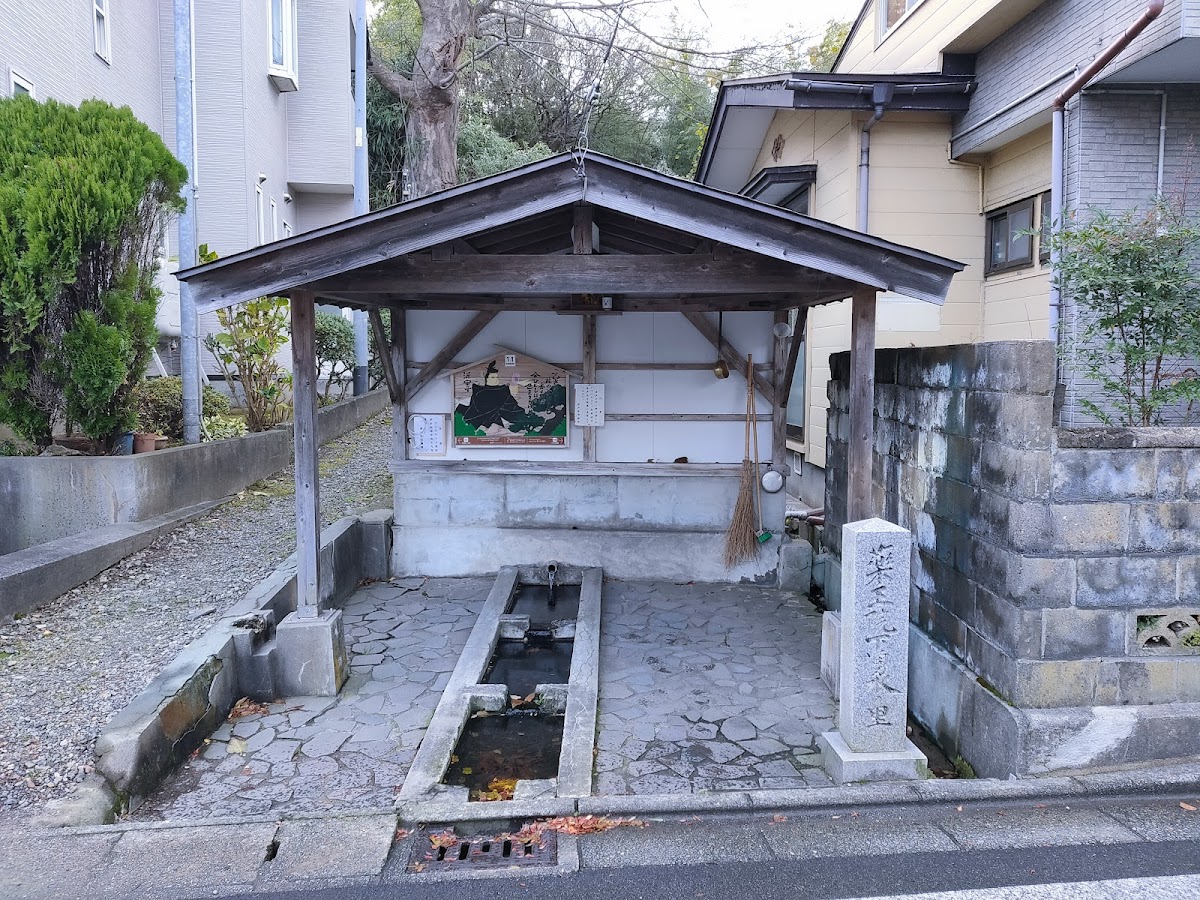
As the name “Ojizo Spring Water” suggests, an Ojizo statue is enshrined at this spring water site. Since ancient times, local people have cherished this spring water and the Ojizo statue as objects of faith.
The Ojizo statue is known as a guardian deity of children and protector of travelers’ safety. It is customary for people visiting the spring water source not only to collect water but also to pay their respects to the Ojizo statue. This culture, where faith and spring water are united, can be considered a valuable intangible cultural heritage of the region.
Access Methods to Atago-shita Ojizo Yugusui no Sato
Here is access information for visiting Atago-shita Ojizo Yugusui no Sato.
Access by Car
Car access is the most convenient option. It is accessible from major roads within Akita Prefecture, with parking spaces provided near the spring water site.
Access points:
- Search for “Atago-shita Ojizo Yugusui no Sato” using car navigation or smartphone map applications
- Follow road signs (directional signboards are installed in some areas)
- Parking is limited, so please share the space considerately
Access by Public Transportation
Using public transportation requires walking or taking a taxi from the nearest station or bus stop.
Points to note:
- Bus schedules may be limited, so confirm timetables in advance
- If using a taxi, arrange for return transportation as well
- If walking, confirm distance and travel time beforehand
Precautions When Visiting
- Winter visits: Road conditions may deteriorate during snowfall, requiring winter tires or chains
- Nighttime visits: Few street lights may be present, so bring a flashlight
- Weather check: Heavy rain or typhoons may make the spring water site inaccessible and dangerous
History and Cultural Background of Atago-shita Ojizo Yugusui no Sato
Atago-shita Ojizo Yugusui no Sato is not merely a spring water site but a place where the region’s history and culture live on.
History of the Spring Water
Akita Prefecture’s spring waters have supported people’s lives since ancient times. Atago-shita Ojizo Yugusui no Sato is no exception, with records indicating it has been used as domestic water for local residents since the Edo period.
Historical uses:
- Drinking water: A precious source of drinking water before wells became common
- Agricultural water: Irrigation water for surrounding fields
- Domestic water: An essential water source for washing and cooking in daily life
- Place of faith: Serving as a sacred site with the enshrined Ojizo statue
Connection with the Region
The spring water site was also a central location in the regional community. People who came to collect water would exchange information, children would play there, and it functioned as a venue for festivals and rituals.
Even today, regular cleaning and maintenance activities conducted by local residents continue, and efforts to pass the spring water site on to future generations persist.
Relationship with Atago Faith
The place name “Atago-shita” derives from Atago faith. Atago faith is the veneration of Atago Gongen, known as the deity of fire prevention, and Atago shrines exist in various locations throughout Japan.
Atago-shita Ojizo Yugusui no Sato is believed to have received this name because it is located at the foot (shita) of an Atago shrine. The combination of a fire-subduing deity and clear water represents the faith of people wishing for the blessings of nature and protection from disasters.
Water Quality and Environmental Conservation Efforts
The water quality of Atago-shita Ojizo Yugusui no Sato is protected through environmental conservation activities in the region.
Water Quality Characteristics
Spring water quality is greatly influenced by surrounding geology and environment. Akita Prefecture’s abundant forests serve as a natural filter, allowing rainwater and snowmelt to slowly infiltrate the ground and emerge as clear water containing minerals.
General spring water quality indicators:
- pH value: Slightly acidic to neutral (approximately 6.5-7.5)
- Hardness: Soft water (low mineral content)
- Water temperature: Constant year-round (characteristic of groundwater)
- Transparency: Extremely high
Environmental Conservation Activities
Various conservation activities are conducted by local residents and volunteer organizations to protect the spring water site.
Main conservation activities:
- Regular cleaning: Trash collection and grass cutting around the spring water site
- Water quality monitoring: Periodic water quality testing
- Tree planting: Protection and cultivation of water source preservation forests
- Awareness activities: Etiquette guidance and environmental education for visitors
Visitor Etiquette to Follow
When visiting the spring water site, please follow these rules:
- Take trash home: Aim to “leave it cleaner than when you arrived”
- Do not pollute water sources: Use of detergent or soap is strictly prohibited
- Do not damage plants: Protect the surrounding natural environment
- Keep quiet: Maintain a quiet environment
- Do not enter private property: Use only designated areas
How to Use the Spring Water and Tips for Taking It Home
Here are methods for safely using and taking home water from Atago-shita Ojizo Yugusui no Sato.
Preparation for Water Collection
Appropriate containers and preparation are necessary when taking spring water home.
Recommended containers:
- Polyethylene tank: When taking large quantities (10-20 liters)
- Plastic bottle: When taking small quantities (2-5 liters)
- Glass bottle: For long-term storage
Convenient items to bring:
- Ladle or dipper (if not provided)
- Towel or cloth (to wipe water droplets)
- Plastic bag (to put wet containers)
- Work gloves (water is cold in winter)
Water Storage Methods
Proper storage of spring water taken home helps maintain its freshness.
Storage tips:
- Container washing: Thoroughly wash and disinfect containers before use
- Store in cool, dark place: Avoid direct sunlight and keep in a cool location
- Use early: Use raw spring water within 3-5 days
- Boil before drinking: It is recommended to boil water before consumption for safety
- Refrigerate if possible: Store in refrigerator when feasible
How to Use Spring Water
Water from Atago-shita Ojizo Yugusui no Sato can be used for various purposes.
Recommended uses:
- Tea and coffee: Soft water enhances the flavor of tea and coffee
- Cooking rice: Makes rice fluffier when cooked
- General cooking: Ideal for cooking that brings out the natural flavors of ingredients
- Alcoholic drink mixers: Perfect for highballs of shochu or whisky
- Fish tank water: Contains no chlorine, so it is gentle on fish (water adjustment is necessary)
Surrounding Tourist Spots and Recommended Routes
Here are surrounding tourist attractions worth visiting when you visit Atago-shita Ojizo Yugusui no Sato.
Natural Spots in Akita Prefecture
Akita Prefecture is blessed with abundant nature, and attractive spots dot the area around the spring water site.
Spots to enjoy nature:
- Forest walking trails: Walking paths through forests surrounding the spring water site
- Observation platforms: High points offering panoramic views of Akita’s beautiful scenery
- Mountain streams: Places where you can enjoy the beauty of clear flowing valleys
- Bird watching spots: Places where you can observe seasonal birds
History and Culture Spots
Let’s also visit facilities where you can learn about Akita Prefecture’s history and culture.
Recommended cultural facilities:
- Local history museum: Facilities where you can learn about the region’s history and culture
- Shrines and temples: Sacred sites of local faith, including Atago Shrine
- Traditional crafts hall: Where you can view and experience Akita’s traditional crafts
- Roadside station: Where you can purchase local specialty products and fresh agricultural products
Recommended Tourist Routes
Here are model courses for efficiently touring the surrounding area.
Half-day course (approximately 4 hours):
- Water collection at Atago-shita Ojizo Yugusui no Sato (30 minutes)
- Forest walking nearby (1 hour)
- Lunch at a local restaurant (1 hour)
- Local history museum visit (1 hour)
- Souvenir shopping at roadside station (30 minutes)
Full-day course (approximately 8 hours):
- Visit Atago-shita Ojizo Yugusui no Sato early morning (1 hour)
- Visit Atago Shrine (30 minutes)
- Hiking along the mountain stream (2 hours)
- Lunch with local specialty dishes (1 hour)
- Experience programs at traditional crafts hall (2 hours)
- Sunset viewing from observation platform (30 minutes)
- Relax at hot spring (1 hour)
Atago-shita Ojizo Yugusui no Sato Through the Four Seasons
Atago-shita Ojizo Yugusui no Sato presents different faces in each of the four seasons.
Spring Spring Water Site (March–May)
Water volume increases with snowmelt, making this the most abundant season for spring water. Trees around the site begin to bud, and fresh greenery is beautiful during this period.
Spring highlights:
- Abundant water volume from snowmelt
- Mountain vegetable picking season (surrounding areas)
- Spring flowers (cherry blossoms, Japanese skunk cabbage, etc.)
- Bird songs
Spring precautions:
- Roads are slippery during snowmelt
- Large temperature variations, so be careful with clothing
- Those with hay fever should take precautions
Summer Spring Water Site (June–August)
Cold spring water is refreshing during this season. The area around the spring water site remains cool even on hot summer days, making it ideal as a summer retreat.
Summer highlights:
- Refreshing cold spring water
- Forest bathing surrounded by deep greenery
- Water play in clear streams (in designated areas only)
- Summer insect observation
Summer precautions:
- Bring insect repellent
- Heat illness prevention (hat, hydration)
- Watch for sudden thunderstorms
Autumn Spring Water Site (September–November)
This is the season when autumn leaves are beautiful, with the forests around the spring water site turning red and yellow. The air becomes clear, and water transparency increases further.
Autumn highlights:
- Contrast between autumn leaves and spring water
- Mushroom picking season (surrounding areas)
- Autumn flavors (chestnuts, persimmons, etc.)
- Clear air and starry sky
Autumn precautions:
- Cold temperatures in early morning and evening
- Fallen leaves make the ground slippery
- Sunset comes early, so manage time carefully
Winter Spring Water Site (December–February)
The spring water site in a snowy landscape presents a fantastical beauty. The spring water does not freeze, and water vapor rising creates a mystical atmosphere.
Winter highlights:
- Fantastical scenery of snow and spring water
- Beautiful ice formations (icicles)
- Winter bird observation
- Nature enveloped in silence
Winter precautions:
- Snow accumulation and freezing precautions (winter tires, slip-resistant footwear)
- Comprehensive cold protection
- Short daylight hours, so take action early
- Watch for avalanches and falling snow
Experiences Available at Atago-shita Ojizo Yugusui no Sato
More than just collecting water, the spring water site offers various experiences.
Nature Observation and Learning
The area around the spring water site is a treasure trove for nature observation.
Observable nature:
- Plants: Plants that favor spring water, mosses, ferns, etc.
- Insects: Water insects, butterflies, dragonflies, etc.
- Birds: Kingfisher, wagtail, nightingale, etc.
- Small animals: Japanese giant salamander, frogs, etc. (observation only)
Photography
Atago-shita Ojizo Yugusui no Sato is also an attractive spot for photography enthusiasts.
Photography tips:
- Early morning: Fantastical combination of morning mist and spring water
- Backlighting: Moments when water droplets glitter
- Macro photography: Water ripples, moss, water droplets, etc.
- Seasonal changes: Different expressions of the same location by season
Photography etiquette:
- When using tripods, do not obstruct other visitors
- Do not enter private property or restricted areas
- Be careful not to damage plants
- Obtain permission in advance for commercial use
Meditation and Relaxation
The sound of spring water, forest rustling, and bird song have a calming effect on the mind.
Relaxation methods:
- Listen to the sound of spring water
- Forest bathing to absorb negative ions
- Slow, deep breathing
- Digital detox (step away from smartphones)
Local Specialty Products and Gourmet Information
When visiting Atago-shita Ojizo Yugusui no Sato, enjoy local specialty products and cuisine.
Specialty Products of Akita Prefecture
Akita Prefecture is known for its rich food culture.
Representative specialty products:
- Kiritanpo: Representative local cuisine of Akita
- Inaniwa udon: One of Japan’s three great udon noodles
- Hinai chicken: A brand chicken of Akita’s pride
- Iburi-gakko: Smoked pickles
- Sake: Quality alcohol made from rice and water
Local Gourmet Dishes Using Spring Water
Clear spring water supports the region’s food culture.
Dishes utilizing spring water:
- Tofu: Silken tofu made with spring water
- Soba: Hand-made soba noodles made with spring water
- Coffee: Carefully prepared coffee brewed with spring water
- Local sake: Sake using spring water as brewing water
Recommended Restaurants
There are dining establishments near the spring water site that use local ingredients.
Tips for finding:
- Ask local residents for recommendations
- Use food stalls at roadside stations
- Look for cafes in renovated old houses
- Gather information online in advance
Packing Checklist for Visiting Atago-shita Ojizo Yugusui no Sato
Here is a packing list for a comfortable visit to the spring water site.
Essential Items
- Container for water: Polyethylene tank or plastic bottle
- Towel: To wipe hands and containers
- Drinking water: For hydration during the visit
- Map/Smartphone: To avoid getting lost
- Garbage bag: Always take trash home
Convenient Items to Have
- Work gloves: Useful when water is cold
- Picnic blanket: For rest breaks
- Camera: To record memories
- Binoculars: For bird watching
- Insect repellent: Essential in summer
- Sunscreen: UV protection
- Hat: Sun protection
- Rainwear: To handle sudden weather changes
Seasonal Additional Items
Spring and autumn:
- Jacket (to respond to temperature changes)
- Hay fever prevention products (spring)
Summer:
- Cooling towel
- Heat illness prevention products
- Change of clothes (if sweating)
Winter:
- Heavy coat
- Shoes with slip-resistant soles
- Disposable hand warmers
- Thick gloves
How to Participate in Conservation Activities at Atago-shita Ojizo Yugusui no Sato
By participating in activities to protect the spring water site, you can engage more deeply with the region.
Volunteer Activities
The region conducts regular cleaning and conservation activities.
How to participate:
- Contact the regional local government or tourism association
- Contact local volunteer organizations
- Check activity information on SNS and websites
- Talk to local residents when visiting
Donations and Support
Even if you cannot participate directly, you can contribute through donations and support.
Support methods:
- Donations to conservation funds
- Purchasing local products (economic support)
- Sharing information on SNS (raising awareness)
- Recommending to friends and family
Ethical Visitation as Maximum Support
Following etiquette during visits is the most important conservation activity.
Etiquette to follow:
- Take trash home
- Do not pollute water sources
- Do not make loud noise
- Do not damage plants
- Do not enter private property
- Follow parking rules
- Greet local residents
The Future of Atago-shita Ojizo Yugusui no Sato
There are various challenges and initiatives for passing Atago-shita Ojizo Yugusui no Sato on to future generations.
Challenges Faced
Environmental challenges:
- Changes in water volume due to climate change
- Impact on water quality from forest deterioration
- Environmental changes from surrounding development
- Invasive species infiltration
Social challenges:
- Declining regional population
- Shortage of conservation activity participants
- Issues with inheritance of traditional culture
- Balance between tourism and conservation
Efforts Toward Sustainable Conservation
The region is beginning various efforts to sustainably preserve the spring water site.
Main initiatives:
- Environmental education programs: Communicating the importance of spring water to children
- Ecotourism: Promoting environmentally conscious tourism
- Water source conservation forest development: Forest conservation in upstream areas
- Monitoring system establishment: Regular water quality and volume surveys
- Digital archiving: Recording and preserving history and culture
What Visitors Can Do
Each of us is a guardian of the spring water site’s future.
Specific actions:
- Be environmentally conscious during visits
- Support regional activities and products
- Share the value of spring water with others
- Participate in conservation activities (within your capacity)
- Pass on the importance of nature to future generations
Conclusion: The Charm of Atago-shita Ojizo Yugusui no Sato and a Recommendation to Visit
Atago-shita Ojizo Yugusui no Sato is a precious spring water spot where Akita Prefecture’s abundant nature and the region’s history and culture converge. This place, where clear water, a quiet forest, and faith in the Ojizo statue unite, offers healing and inspiration to all who visit.
Charm of Atago-shita Ojizo Yugusui no Sato
- Clear natural spring water: Stable water quality and volume year-round
- Rich natural environment: Enjoyable forest bathing and bird watching
- History and culture: Ojizo statue faith and regional traditions
- Four-season expressions: Different beauty for each season
- Community interaction: Connection with local people
Reasons to Recommend a Visit
- Mind and body refreshment: Time away from daily life in nature
- Environmental learning venue: Learning the importance of nature
- Photography spot: Beautiful scenery throughout the seasons
- Community contribution: Visiting supports the regional economy
- Cultural experience: Opportunity to experience Akita’s traditional culture
Final Thoughts
Atago-shita Ojizo Yugusui no Sato is not merely a tourist attraction but a valuable natural heritage preserved by local residents. When visiting, it is important to show respect for its history and culture and to enjoy it while following proper etiquette.
Clear spring water, abundant nature, and meetings with warm-hearted local people will surely create lasting memories in your heart. Please visit Atago-shita Ojizo Yugusui no Sato and experience the blessings of Akita’s nature firsthand.
And let us all think about and put into practice what each of us can do to pass this beautiful spring water site on to future generations. We hope that Atago-shita Ojizo Yugusui no Sato will continue to be loved and protected by many people.