Complete Guide to Yakuoin-Shimo Yusui no Sato (Akita Prefecture) | Comprehensive Explanation of Access, Water Quality, and Tourist Attractions
Akita Prefecture is home to numerous famous water spots, but among them, “Yakuoin-Shimo Yusui no Sato” is particularly beloved by local residents. This article provides detailed information about the charm of Yakuoin-Shimo Yusui no Sato, from practical visiting methods to water quality characteristics and surrounding tourist information—everything you should know before your visit.
What is Yakuoin-Shimo Yusui no Sato?
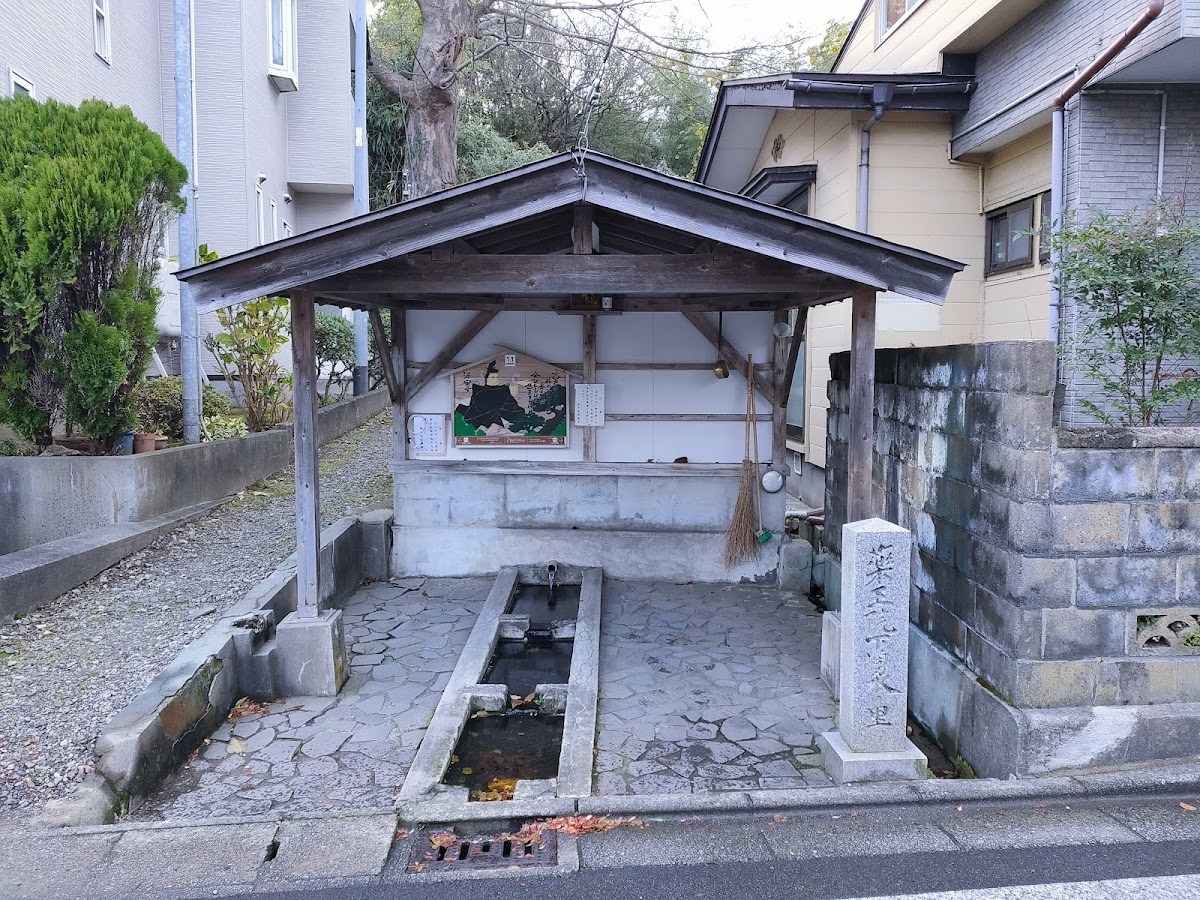
Yakuoin-Shimo Yusui no Sato is a natural spring water spot located in Akita Prefecture. It has a long history of being used as water for daily life by local residents, and many people continue to visit today seeking high-quality water.
History and Origin of the Spring Water
The name Yakuoin is believed to derive from a temple that existed in the vicinity (or still exists). Yakuoin is a common name for temples with Yakushi Nyorai (Medicine Buddha) as the principal deity, and has long been a site of faith for people praying for recovery from illness and good health. It is presumed that the spring was named “Yakuoin-Shimo Yusui” (spring water below Yakuoin) because of its location below this temple.
The spring water itself is believed to have existed for several hundred years or more and has been carefully preserved as a precious water source supporting the lives of local people.
The Mechanism of the Spring Water
The water at Yakuoin-Shimo Yusui no Sato comes from rain and snowmelt from surrounding mountains that seep deep into the ground and are naturally filtered by geological layers over many years. The abundant natural environment and geological structure of Akita Prefecture create a natural filter system that produces clear and delicious water.
The spring water flow varies with seasons and precipitation, but maintains a stable volume throughout the year, flowing continuously without drying up.
Water Quality and Characteristics of Yakuoin-Shimo Yusui no Sato
Water Quality Characteristics
The water at Yakuoin-Shimo Yusui no Sato has the following characteristics:
- Hardness: Falls in the range of soft to moderately hard water, with a water quality that suits Japanese palates and is easy to drink
- Water Temperature: Remains almost constant throughout the year (approximately 10-15 degrees Celsius), feeling cold in summer and relatively warm in winter
- Transparency: Extremely high, with clear and pure water
- Mineral Content: Contains appropriate minerals with a mellow taste
Use as Drinking Water
Many local residents and visitors use the spring water as drinking water, but the following points should be noted when drinking spring water:
- Boiling Recommended: Natural spring water may contain bacteria and microorganisms, so boiling is recommended before drinking
- Water Quality Testing: It is desirable to confirm whether regular water quality testing is conducted
- Clean Container: Use a clean container when drawing water
- Storage Method: Store the water you draw in the refrigerator and use it promptly
Use as Household Water
Beyond drinking, the water at Yakuoin-Shimo Yusui no Sato is utilized for various purposes:
- Cooking Water: Cooking rice, making broth, washing vegetables, etc.
- Tea and Coffee: The soft water characteristics enhance the flavor of tea and coffee
- Beauty Use: Used for face washing and as toning water
- Gardening: Used for watering plants
Access Methods and Basic Information
Location
It is recommended to confirm the latest information regarding the precise location of Yakuoin-Shimo Yusui no Sato before your visit. It is situated in a nature-rich area of Akita Prefecture, where you can enjoy spring water in a quiet environment.
Access by Car
Access from Major Cities:
- From Akita City: Generally approximately 30 minutes to 1 hour by car
- From the Nearest Interchange: Detailed routes require prior confirmation
- Parking: Small parking spaces are often available, but caution is needed during busy times
Driving Precautions:
- Mountain roads and narrow roads may be encountered, so caution is necessary for inexperienced drivers
- Winter poses risks of snow and freezing, making winter tires essential
- GPS information may be outdated, so confirm the latest map information
Access by Public Transportation
Public transportation access is likely limited:
- Use buses or taxis from the nearest train station
- Service may be infrequent, so confirm the timetable beforehand
- Visiting a local tourism information center can also be effective
Basic Information for Visits
- Operating Hours: Generally accessible 24 hours, though nighttime visits are not recommended
- Admission Fee: Usually free to use
- Facilities: Water drawing station, simple rest areas, etc. may be equipped
- Restrooms: Public restrooms may not be nearby, so it is recommended to use them beforehand
Precautions and Etiquette When Visiting
Environmental Conservation Considerations
Individual visitor etiquette is important to protect Yakuoin-Shimo Yusui no Sato for the future:
- Always Take Trash With You: Take all trash you create with you
- Don’t Contaminate the Water Source: Using soap or shampoo is strictly prohibited
- Don’t Damage Plants: Cherish the surrounding natural environment
- Keep Noise Levels Down: Maintain a quiet environment
- Don’t Trespass on Private Land: Do not enter areas outside designated zones
Safety Precautions
- Watch for Slippery Areas: The water area surroundings are slippery, so wear appropriate footwear
- Don’t Take Your Eyes Off Children: Extra caution is necessary when bringing small children
- Check Weather Conditions: Water levels may increase after heavy rain or typhoons, and surrounding areas may become dangerous
- Wildlife: Akita is a bear habitat, so extra caution is needed, especially in early morning and evening
Water Drawing Etiquette
- Respect the Queue: Yield to and share with other users during busy times
- Avoid Long Occupancy: Even when drawing large quantities, be considerate of others
- Keep the Water Area Clean: Clean the surroundings after use
- Minimize Container Washing: If washing containers at the water source, avoid using soap and keep it minimal
Surrounding Tourist Attractions
When visiting Yakuoin-Shimo Yusui no Sato, you can also enjoy surrounding tourist attractions.
Natural Scenery Spots
Akita Prefecture is blessed with abundant natural beauty:
- Mountain Scenery: The surrounding mountains offer beautiful views in each season
- Mountain Streams: Enjoy the clear flow of rivers and nature’s sounds
- Forest Bathing Spots: Refresh yourself in lush green forests
Historical and Cultural Facilities
- Yakuoin (Related Temples): If there is a nearby temple that inspired the spring water’s name, consider visiting
- Local History Museums: Learn about regional history and culture
- Traditional Craft Experiences: Experience Akita’s traditional crafts
Hot Spring Facilities
Akita Prefecture is known as a hot spring paradise:
- Relieve travel fatigue at nearby day-trip hot spring facilities
- Enjoy local cuisine at hot spring inns
- Discover hidden gem hot springs known as secret springs
Gourmet Spots
Enjoy Akita Prefecture’s local cuisine:
- Kiritanpo: A representative Akita local dish
- Inaniwa Udon: One of Japan’s three major udon noodles
- Hinai Chicken: An Akita-renowned brand chicken
- Local Sake: Fine Japanese sake brewed with quality water
- Direct Sales Shops: Find fresh local vegetables and processed products
Seasonal Enjoyment
Spring (March-May)
- Snowmelt Water: Winter snow melts and water volume becomes abundant
- New Greenery: Trees around the area bud and fresh air can be enjoyed
- Mountain Vegetable Picking: Some areas nearby allow mountain vegetable picking (permission may be required)
Summer (June-August)
- Seeking Coolness: Cold spring water feels especially pleasant this season
- Deepening Green: Surrounded by deep green in a healing space
- As a Summer Retreat: Perfect for escaping urban heat
Autumn (September-November)
- Autumn Leaves: Surrounding mountains color beautifully, offering scenic views
- Season of Abundance: Local agricultural products become plentiful
- Clear Air: Enjoy spring water in autumn’s crisp air
Winter (December-February)
- Snowy Landscape: Fantastical snowy scenery
- Warm-Feeling Water: The water feels warm due to low outdoor temperatures
- Winter Silence: Fewer visitors allow for quiet time
- Precautions: Snow and freezing can make access difficult
Taking Home Spring Water and Storage Methods
Choosing Appropriate Containers
Container selection is important when taking spring water home:
- Plastic Bottles: Convenient and portable, but thoroughly wash if reusing
- Polytanks: Convenient for large quantities (approximately 20 liters is standard)
- Glass Bottles: Minimal taste change, but heavy and breakable
- Dedicated Water Jugs: Hygienic and easy to use
Water Drawing Procedure
- Container Preparation: Wash containers thoroughly beforehand and allow to dry
- Wash Hands: Clean your hands before drawing water
- Run Water Initially: Discard the first water and draw fresh water
- Remove Air: Fill the container completely to minimize air mixing
- Seal Tightly: Close the lid securely
Storage Methods and Duration
- Storage Location: Avoid direct sunlight; store in a cool, dark place or refrigerator
- Storage Period: If not boiled, use within 2-3 days; if boiled, use within approximately one week
- Container Management: After opening, germs easily enter, so use promptly
- Monitor for Changes: Stop using if you notice any change in smell or taste
Relationship with the Community
Role in Local Community
Yakuoin-Shimo Yusui no Sato means more to the community than just a water source:
- Meeting Place: Where local residents meet and exchange information
- Tradition Transmission: Passing water-drawing culture to the next generation
- Community Pride: Quality spring water is part of the region’s identity
Conservation Activities
Conservation activities are conducted by local residents and volunteers in some cases:
- Cleaning Activities: Regular cleaning maintains the environment
- Water Quality Testing: Testing to ensure safety
- Tree-Planting Activities: Forest protection for water source conservation
- Awareness Activities: Promoting proper usage methods
What Visitors Can Contribute
- Follow Etiquette: Respecting basic manners is the greatest contribution
- Participate in Cleaning: Join cleaning activities when opportunities arise
- Support Local Economy: Patronize nearby shops and facilities
- Share Information: Appropriately share information on SNS and spread awareness of the spring water’s value
Akita Prefecture’s Water Culture
Akita’s Water Environment
Akita Prefecture is blessed with abundant water resources:
- Precipitation: The Sea of Japan climate brings abundant winter snowfall
- Mountain Regions: Mountains such as the Ou Range function as water source conservation areas
- Rivers: Clear streams such as the Omono and Yoneshiro rivers flow through the prefecture
- Groundwater: Blessed with quality groundwater
Other Famous Water Spots
Beyond Yakuoin-Shimo Yusui no Sato, Akita Prefecture has many other famous water spots:
- Rokugou Yusui Group: A spring water group selected for “Water Hometown 100 Selections”
- Chikaramizu: A long-cherished spring water
- Sacred Water at Various Shrines and Temples: Spring water connected with faith
Water and Akita’s Food Culture
Quality water supports Akita’s food culture:
- Japanese Sake: Akita is a sake production center where quality water supports sake brewing
- Rice Production: Water is essential for producing delicious rice such as Akita Komachi
- Tofu and Miso: Water quality influences product flavor
Utilizing Spring Water in Your Lifestyle
Daily Life Applications
Incorporating water from Yakuoin-Shimo Yusui no Sato into daily life can enhance quality of life:
As Drinking Water:
- As daily drinking water
- As hot water for morning routine
- For cold-brewed coffee and tea
Culinary Uses:
- Use when cooking rice for fluffy, delicious results
- Use for making broth to enhance ingredient flavor
- Use for boiling vegetables
Health and Beauty:
- Appropriate mineral supplementation
- Use soft water for gentle face washing
- Expect detoxification effects
Ecological Living
Using spring water leads to environmentally friendly living:
- Reduce Plastic Bottles: Less need to buy commercial water reduces plastic waste
- Energy Savings: Reduce energy needed for water purification
- Local Production for Local Consumption: Sustainable living utilizing regional resources
Frequently Asked Questions
What is the best time to draw water?
Early morning or late morning is relatively uncrowded and recommended. It is also when water temperature is stable. However, in winter, early morning road freezing poses danger, so caution is necessary.
How much water can you take home?
Most spring water spots have no specific limits, but it is desirable to stay within reasonable amounts (approximately 20-40 liters) out of consideration for other users. If you need large quantities, it is recommended to visit multiple times.
Can I bring pets?
Most spring water spots allow pets, but note the following:
- Always use a leash
- Keep pets away from the water source
- Always take waste with you
- Be considerate of other users
Can I use it during winter?
The spring water flows year-round, but winter snow and road freezing can make access difficult. Check road conditions before visiting, and winter tires are essential. The water area surroundings may also be frozen, requiring full caution.
Is water quality testing information published?
This varies by region and management status, but if regular water quality testing is conducted, results may be posted on-site. It is recommended to contact local government or tourism associations for detailed information.
Conclusion
Yakuoin-Shimo Yusui no Sato is a precious water resource created by Akita Prefecture’s abundant nature. Clear spring water supports local residents’ lives and brings healing and blessings to visitors.
When visiting, it is important to respect environmental conservation and etiquette, preserving this precious natural resource for the future. Each individual’s small consideration contributes to protecting beautiful spring water.
When visiting Akita Prefecture, be sure to visit Yakuoin-Shimo Yusui no Sato and experience nature’s gifts with all five senses. The sound of clear water, the sensation of cool, pleasant water, and the surrounding rich nature will help you forget daily hustle and bustle.
We hope that through the spring water, you will gain renewed appreciation for nature’s importance, water’s blessings, and regional culture. We wish that Yakuoin-Shimo Yusui no Sato will continue to be beloved and carefully preserved by many people.