Complete Guide to Akamatsuzawa Spring Water (Kanagawa Prefecture) | Thorough Explanation of Access, Water Quality, and History
Among the precious spring water found throughout Kanagawa Prefecture, Akamatsuzawa Spring Water is a natural blessing that has been cherished by local residents for many years. This article provides detailed explanations of the charm of Akamatsuzawa Spring Water, how to access it, characteristics of its water quality, historical background, and even tourism information about the surrounding area.
What is Akamatsuzawa Spring Water?
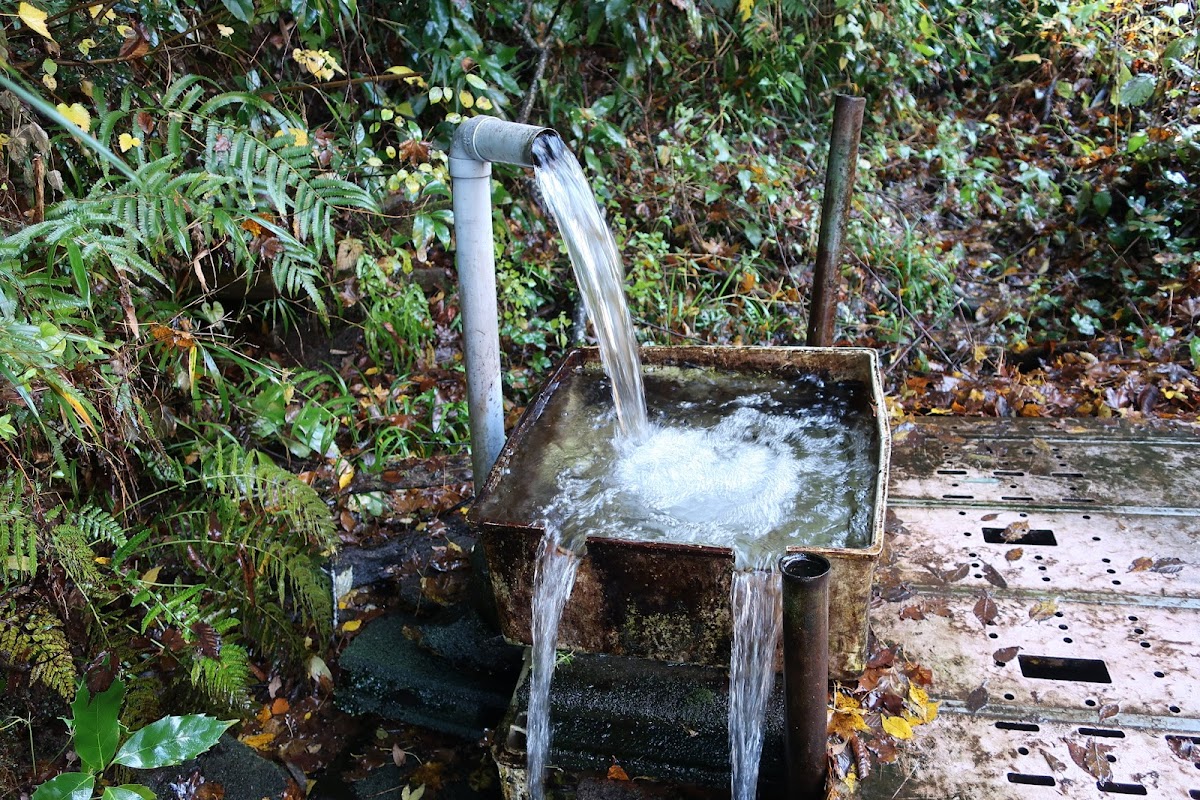
Akamatsuzawa Spring Water is a natural spring water location that exists within Kanagawa Prefecture. The pristine water that flows from a place blessed with abundant natural environment has been used since ancient times as domestic water and irrigation water for agriculture in the region.
Spring water refers to the phenomenon of groundwater naturally gushing forth to the earth’s surface. Akamatsuzawa Spring Water also continuously produces water throughout the year from underground water veins formed by the geological structure and precipitation patterns of the surrounding area.
Geological Background of Spring Water
The geology of Kanagawa Prefecture is complex, with diverse terrain including volcanic landforms such as the Tanzawa Mountains and Hakone Mountain Range, alluvial plains formed by rivers such as the Sagami River and Sakawa River, and plateaus along the coastal area.
The geological structure of the region where Akamatsuzawa Spring Water is located is created by the overlap of highly permeable strata and impermeable strata, producing conditions where groundwater concentrates and gushes forth at specific locations. Rainwater and snowmelt seep into the ground and travel underground over several years to several decades before appearing as spring water on the surface.
Location and Access to Akamatsuzawa Spring Water
Basic Information
When visiting Akamatsuzawa Spring Water, it is important to confirm accurate location information in advance. Since the spring water location is in a natural environment, there may be cases where a clear street address is not available.
Access Methods
When using public transportation
Access to spring water locations in Kanagawa Prefecture is generally done using buses or taxis from the nearest station. It is recommended that you check the specific nearest station and bus route information for Akamatsuzawa Spring Water on the website of the local tourism association or municipal government before your visit.
When using an automobile
When accessing by car, it is good to input the name of a nearby facility or intersection that serves as a landmark into your navigation system when setting the destination. Since parking space around the spring water location may be limited, avoid parking on the street and use designated parking areas.
Precautions When Visiting
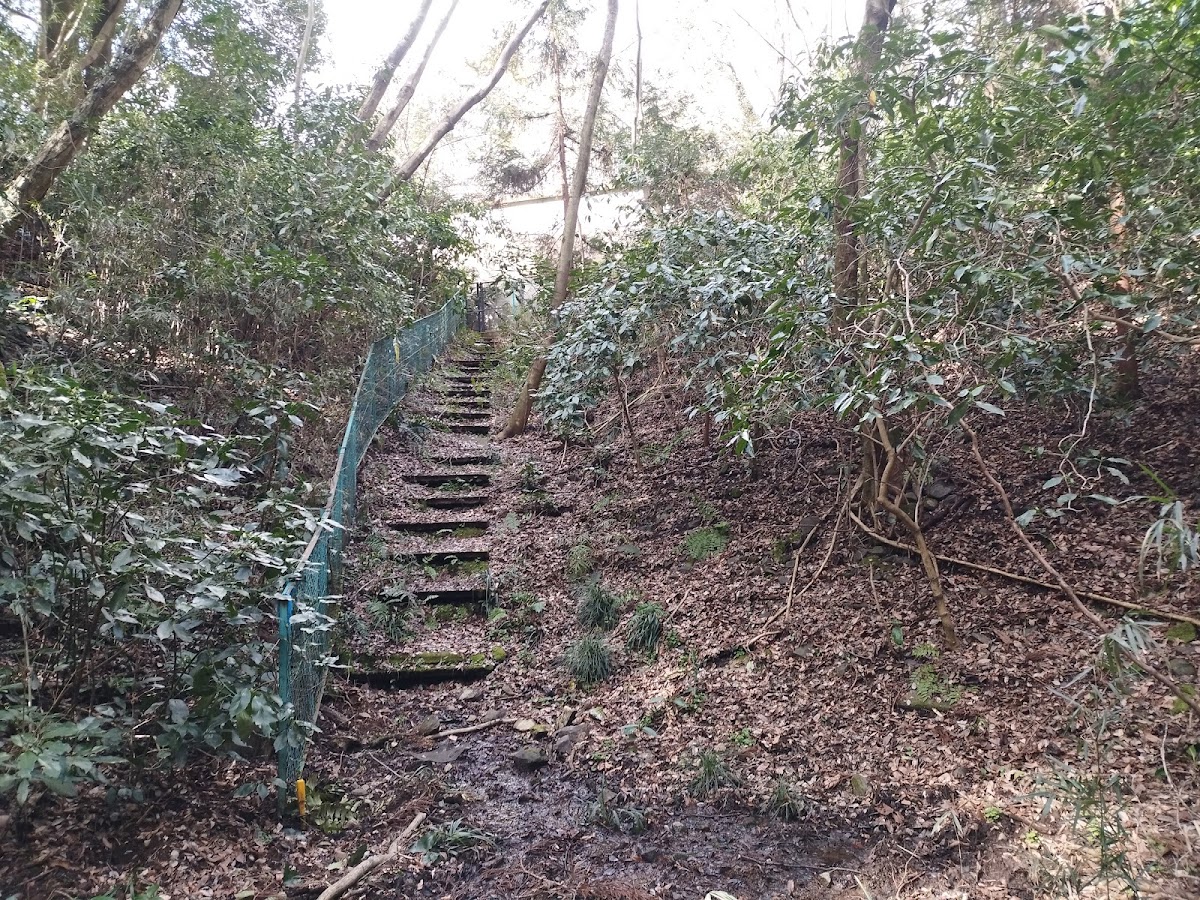
- Changes in road conditions due to season and weather: The path to the spring water location may become slippery in rainy weather or winter. Wear appropriate footwear and pay attention to safety.
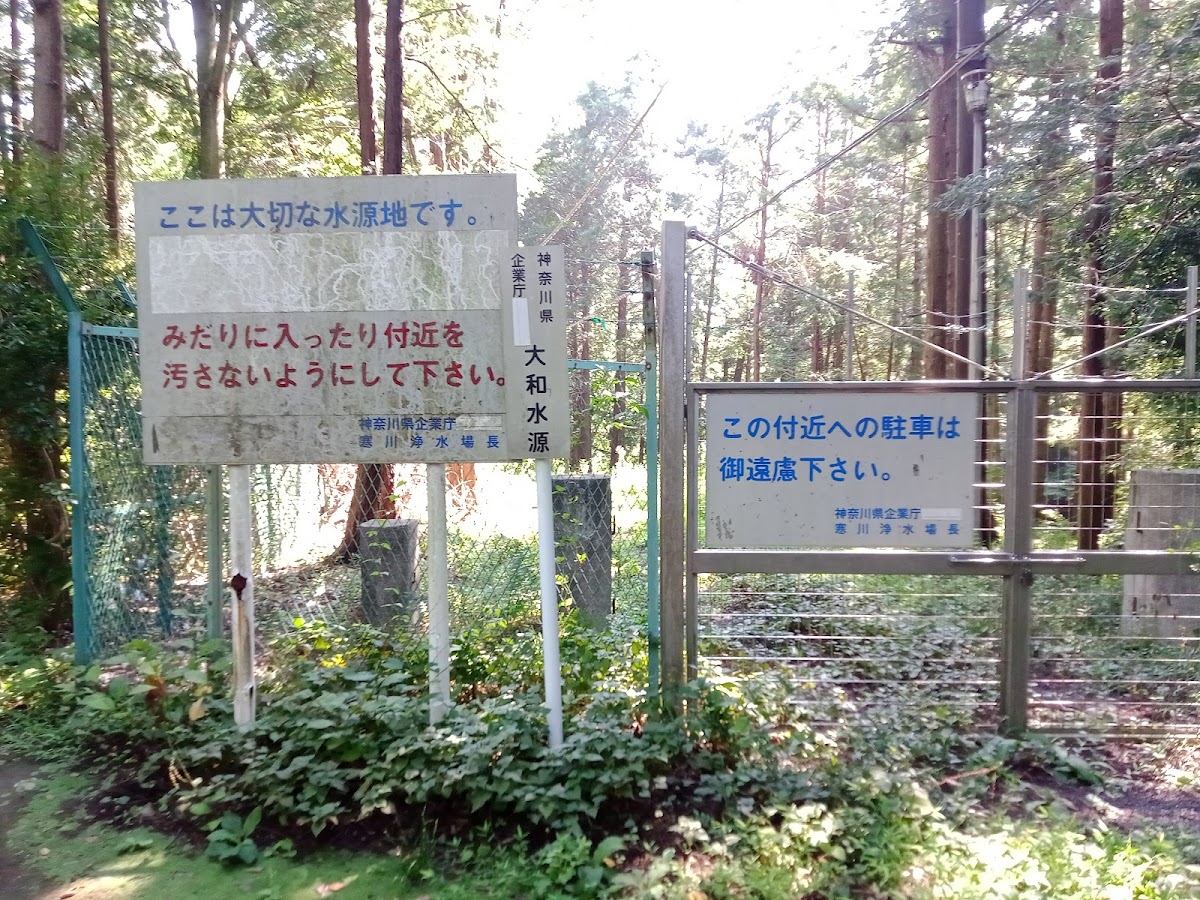
- Consideration for private property: Private land may be included in the area surrounding the spring water location. Do not enter areas marked with no entry signs.
- Cooperation with environmental conservation: To protect the natural environment, always take your trash with you and refrain from collecting plants or engaging in activities that impact the ecosystem.
Water Quality and Characteristics of Akamatsuzawa Spring Water
Scientific Characteristics of Water Quality
The water quality of spring water varies greatly depending on the geology of the region, the retention time of groundwater, and the surrounding environment. In general, spring water has the following characteristics.
Temperature Stability
The water temperature of spring water remains relatively stable throughout the year, and in most cases maintains a temperature close to the annual average temperature. In the case of Kanagawa Prefecture, the water temperature of spring water is generally around 12 to 16 degrees, feeling cold in summer and relatively warm in winter.
Mineral Components
As water passes through the ground, it dissolves minerals such as calcium, magnesium, sodium, and potassium from rocks and soil. These mineral components affect the taste and hardness of the water.
pH Value and Hardness
Most spring water in Kanagawa Prefecture shows a pH value ranging from neutral to slightly alkaline. Regarding hardness, there is a wide range from soft water to moderately hard water depending on the geology, but Japanese spring water generally tends to be soft water.
Water Quality Testing and Safety
When drinking spring water, water quality testing is important. Some spring water locations have regular water quality testing conducted by municipal governments or regional organizations, but some may not have testing.
If you are considering drinking it, please pay attention to the following points:
- Presence of coliform bacteria: Serves as an indicator of contamination from animal or human feces.
- General bacterial count: Indicates the cleanliness of the water as a basic indicator.
- Nitrate nitrogen and nitrite nitrogen: Serve as indicators of contamination from agricultural activities and domestic wastewater.
- Heavy metals: Pose health risks from geological origin or anthropogenic contamination.
Since the water quality of spring water may fluctuate with seasons and rainfall, continuous monitoring is important.
History and Cultural Background of Akamatsuzawa Spring Water
History of Spring Water in Kanagawa Prefecture
Kanagawa Prefecture is a region that has been blessed with abundant water resources since ancient times. In addition to major rivers such as the Sagami River, Sakawa River, and Tamagawa River, numerous streams flowing from the Tanzawa Mountains and Hakone Mountains, and spring water scattered in various locations have supported people’s lives.
During the Edo period, spring water was used as a valuable domestic water source and had a significant impact on settlement formation. Water drawing spots became central places in community life and also functioned as places for exchanging information.
Origin of the Place Name “Akamatsuzawa”
The place name “Akamatsuzawa” may reflect the natural environment and history of this region.
Relation to Red Pine (Akamatsu)
Red pine is a representative pine species in Japan and a strong tree that can thrive even in barren soil. It is possible that the place name “Akamatsuzawa” was given because red pine forests once spread across this region.
Meaning of “Zawa”
“Zawa” is a place name element that refers to a small valley or stream in mountainous areas. It often indicates places where water flows or where spring water is abundant, and is thought to be deeply related to the existence of Akamatsuzawa Spring Water.
Connection with Local Society
Spring water holds meaning beyond being merely a water source and has been connected to the culture and beliefs of the region.
- Use as irrigation water: Water rights and water distribution rules were established in regional society as an indispensable water source for rice cultivation and field crops.
- Role as domestic water: Spring water was used in all aspects of daily life, including drinking water, laundry, and cooking.
- Object of worship: Pure water was considered sacred, and small shrines or water deities were sometimes enshrined at spring water locations.
Name Water and Spring Water Culture in Kanagawa Prefecture
“Hundred Selected Waters” Selected by the Ministry of the Environment and Kanagawa Prefecture
The “Hundred Selected Waters” selected by the Ministry of the Environment in 1985 includes excellent water environments from across the country. From Kanagawa Prefecture, the “Hadano Basin Spring Water Group” in Hadano City was selected, and its abundance of spring water and good water quality were evaluated.
The Hadano Basin is blessed with abundant groundwater from the Tanzawa Mountains, and spring water can be seen in various locations throughout the city. Approximately 40% of annual precipitation seeps underground and, over a long period of time, purified clear water springs forth.
Major Spring Water Locations in Kanagawa Prefecture
In addition to Akamatsuzawa Spring Water, Kanagawa Prefecture has numerous spring water locations.
Around Hadano City
- Kobo no Shimizu
- Gomayadashiki no Mizu
- Ryujin no Izumi
Around Hakone and Yugawara
- Ogoumeko’s Spring Water
- Spring Water around Senjo Falls
Around Kamakura and Zushi
- Zeniarai Benzaiten’s Sacred Water
- Kamakura Five Famous Waters (only some remain today)
Around Sagamihara and Tsukui
- Osawa no Sato’s Spring Water
- Spring Water around Lake Shiroyama
Each of these spring water locations has its own unique history and characteristics and serves as a valuable natural resource for the region.
Environmental Conservation and Issues Surrounding Spring Water
Environmental Problems Facing Spring Water
In recent years, the spring water environment faces various issues due to urbanization and development.
Decline in Groundwater Level
Cases have been reported where excessive pumping of groundwater in urban areas and reduction in rainwater infiltration due to paving of the ground surface have caused a decline in groundwater level and a decrease in spring water volume.
Deterioration of Water Quality
The use of fertilizers and pesticides from agricultural activities, inflow of domestic wastewater, and pollution from industrial activities may affect the water quality of spring water.
Deterioration of Spring Water Locations
In some cases, due to decreased use and insufficient maintenance, the environment around spring water locations has deteriorated, making access difficult or water quality has worsened.
Conservation Activities and Efforts
Various conservation activities are being carried out in different areas to protect the spring water environment.
Initiatives by Government Agencies
- Regular monitoring of water quality
- Environmental improvements around spring water locations
- Conservation of groundwater recharge areas
- Development restrictions and consideration in land use planning
Activities by Citizen Groups
- Cleanup activities at spring water locations
- Implementation of water quality testing
- Implementation of environmental education programs
- Creation and dissemination of spring water maps
Individual Contributions
- Observance of manners when visiting spring water locations
- Bringing trash home
- Participation in activities to conserve water source conservation forests
- Installation of rainwater infiltration facilities (individual efforts at home)
How to Enjoy Akamatsuzawa Spring Water
Points for Observing Spring Water
When visiting a spring water location, by not merely drawing water but observing the surrounding natural environment as a whole, you can gain deeper understanding and enjoyment.
Observe how water gushes forth
The way spring water gushes forth varies by location. Some gush quietly from sandy ground, some flow forcefully from cracks in rocks, and some seep out slowly from a wide area. There are various patterns.
Check the water temperature
Try immersing your hand in the water and sensing the water temperature. You can experience how little the change is with the seasons.
Observe surrounding vegetation
Unique plants that prefer humid environments may grow around the spring water location. Try observing aquatic plants such as wasabi, Japanese parsley, purple loosestrife, and skunk cabbage.
Observe aquatic organisms
Clear spring water may be inhabited by organisms that prefer clean water, such as freshwater crabs, mystery snails, and caddisfly larvae. When observing, be careful not to disturb the ecosystem.
Ways to Use Spring Water
As drinking water
When drinking spring water, it is necessary to confirm that water quality has been checked or make a judgment at your own discretion. It is recommended to boil it before drinking.
Bring clean containers such as plastic bottles and, when drawing water, do not place the container directly under the spring outlet but collect the flowing water in a container.
In cooking and beverages
Spring water can be used for tea, coffee, and cooking rice, offering a different taste from tap water. The difference in mineral components can enhance the taste of your food.
As an object of appreciation
The beautiful scenery of the spring water location and the sound of flowing water have a soothing effect. If there is a bench, you can sit and spend time slowly in nature.
Nearby Tourist and Natural Spots
When visiting Akamatsuzawa Spring Water, you can also enjoy nearby tourist spots and natural environments.
Hiking Courses
Kanagawa Prefecture has diverse hiking courses in the Tanzawa Mountains, Hakone Mountains, and Miura Peninsula. You can enjoy nature walks with spring water locations as starting points or intermediate destinations.
Historic Structures and Shrines/Temples
Kanagawa Prefecture is historically important, with many attractions including temples and shrines in Kamakura, Odawara Castle, and modern architecture in Yokohama.
Hot Spring Areas
In hot spring areas such as Hakone and Yugawara, you can enjoy hot springs, which are different gifts from the underground than spring water.
Spring Water and the Science of Water Circulation
Mechanism of Water Circulation
Spring water is part of the global water cycle. The water cycle consists of the following processes.
- Evaporation: Water from oceans, lakes, rivers, and soil evaporates and becomes water vapor in the atmosphere.
- Condensation: Water vapor is cooled to form clouds.
- Precipitation: Rain or snow falls from clouds to the earth’s surface.
- Infiltration: Part of the precipitation seeps into the ground and becomes groundwater.
- Runoff: Groundwater appears as spring water on the surface or flows into rivers.
- Evaporation again: Water on the surface evaporates again, and the cycle continues.
Groundwater Retention Time
The water that gushing forth as spring water has traveled underground for several years to several decades, or in some cases several centuries, from the time it fell as rain. This retention time varies depending on geological structure and groundwater flow velocity.
The longer the retention time, the longer the water is in contact with rocks and soil, and it will contain more mineral components. Also, natural filtration may remove impurities.
Climate Change and Spring Water
In recent years, it has been pointed out that changes in precipitation patterns due to climate change may also affect the spring water environment.
- Fluctuations in precipitation: The increase in concentrated rainfall and prolonged dry periods may change the pattern of groundwater recharge.
- Rising temperatures: An increase in evapotranspiration may reduce the amount of infiltration into groundwater.
- Decrease in snowfall: A reduction in snowfall in mountainous areas may affect groundwater recharge from spring snowmelt.
Regional Development Using Spring Water
Possibilities of Ecotourism
Spring water can be utilized as a valuable tourism resource for the region. From the perspective of environmentally conscious ecotourism, developing tourism programs centered on spring water makes it possible to achieve both regional revitalization and environmental conservation.
Spring Water Touring Tours
Plan tours that visit multiple spring water locations within the region and provide opportunities to learn about the characteristics and history of each spring water.
Water Quality Investigation Experience Programs
An educational program where visitors learn about the importance of environmental conservation through the experience of actually measuring water quality.
Cooking Experience Using Spring Water
Operations of cooking classes and cafes using local ingredients and spring water to make visitors realize the value of spring water.
Utilization as a Regional Brand
High-quality spring water can be the core resource of a regional brand.
Brewing of Local Beer and Sake
Local beer and sake made with spring water are directly influenced by the characteristics of the water in the taste of the product, making it possible to differentiate as a unique regional product.
Bottled Water Sales
When water quality is excellent, it can be commercialized as bottled water and become a regional specialty.
Cosmetics and Health Foods
Development of cosmetics and health foods that take advantage of the characteristics of spring water can also contribute to the promotion of regional industries.
Etiquette and What to Bring When Visiting
Basic Etiquette
When visiting a spring water location, please observe the following etiquette.
- Always take trash with you: To protect the natural environment, do not leave any trash behind.
- Do not enter private property without permission: Spring water locations may include private land in the surrounding area.
- Do not speak loudly: Be quiet out of consideration for the natural environment and neighboring residents.
- Do not collect plants: Refrain from collecting plants to protect precious vegetation.
- Do not pollute the water: Do not wash containers or use detergents.
- Follow parking rules: Use designated parking areas and avoid parking on the street.
Useful Items to Bring
Essential Items
- Clean water drawing containers (plastic bottles, water tanks, etc.)
- Towel (to wipe hands and containers)
- Garbage bag (to take your trash home)
Convenient Items
- Thermometer (to measure water temperature)
- Camera (for recording and memories)
- Notebook and pen (for observation notes)
- Simple water quality test kit (if interested)
- Insect repellent spray (depending on season)
- Hat or sunscreen (for sun protection)
- Comfortable walking shoes (non-slip ones)
- Rain gear (to prepare for weather changes)
Akamatsuzawa Spring Water Through the Four Seasons
Spring water locations reveal different appearances depending on the season.
Spring (March to May)
Spring is the season of fresh greenery. Plants around the spring water location sprout and the scenery is full of vitality. Due to the influence of snowmelt, spring water volume may increase.
You can enjoy spring water while listening to the songs of wild birds in the fresh and clear air.
Summer (June to August)
Summer is the season when the coldness of spring water feels most pleasant. The surrounding greenery becomes darker and the shade of trees feels cool and comfortable.
During the rainy season, precipitation is abundant, so spring water volume tends to be plentiful. However, after heavy rain, water quality may temporarily change, so caution is necessary if drinking.
Autumn (September to November)
Autumn is the season of autumn leaves. Trees around the spring water location turn colors and you can enjoy beautiful scenery.
As temperatures drop, you can feel the warmth of the spring water. It is also a season where water transparency becomes more apparent due to clearer air.
Winter (December to February)
Winter is the quietest season at spring water locations. With fewer visitors, you can enjoy spring water in a peaceful atmosphere.
In areas where temperatures drop below freezing, icicles may form around the spring water location or frost may fall, offering fantastical scenery. However, be fully careful about road icing.
Conclusion: The Value and Future of Akamatsuzawa Spring Water
Akamatsuzawa Spring Water is a valuable natural resource of Kanagawa Prefecture and exists in a place deeply connected to the history and culture of the region. The clear water has long supported people’s lives and continues to provide healing and blessings to many people today.
However, the spring water environment faces various issues due to urbanization and environmental changes. In order to pass this valuable resource on to future generations, it is necessary for each and every one of us to recognize the importance of environmental conservation and take concrete action.
When visiting a spring water location, enjoy it with respect for nature and observe proper etiquette. And it is important to be grateful for the blessings of spring water and cooperate in its conservation.
Akamatsuzawa Spring Water and other spring water in Kanagawa Prefecture teach us much about water circulation, the mechanisms of nature, and the coexistence of humans and nature. Please visit in person and experience its charm firsthand.
The sound of clear water flowing, the pleasant sensation of cool water, a quiet space surrounded by abundant greenery—Akamatsuzawa Spring Water provides a valuable opportunity to step away from daily life and face nature head on.