Azumino Wasabi Field Spring Water Group, Nagano Prefecture | Complete Guide to the Charm and How to Visit the Top 100 Japanese Waters
The Azumino Wasabi Field Spring Water Group sprawling across Azumino City, Nagano Prefecture, is one of the Top 100 Japanese Waters, known for abundant spring water created by snowmelt from the Northern Alps. With an astounding daily spring water output of 700,000 tons, this cold and clear water never exceeding 15 degrees even in mid-summer supports Japan’s top wasabi production volume and rainbow trout farming. This article provides a detailed explanation of information you should know before visiting the site, from the charm of the Azumino Wasabi Field Spring Water Group to specific visiting methods and surrounding tourist attractions.
About the Azumino Wasabi Field Spring Water Group
Reasons for Selection as Top 100 Japanese Waters
The Azumino Wasabi Field Spring Water Group was certified as one of the “Top 100 Japanese Waters” selected by the Ministry of the Environment in 1985 (Showa 60). Furthermore, in 2015, it won 1st place in the scenic waters category of the Top 100 Japanese Waters Prestigious Election, with its beauty and water quality highly evaluated nationwide.
The snow that accumulates in the mountains of the Northern Alps at elevations of 3,000 meters flows through the underground of the Azumino alluvial fan over long periods and emerges as seepage water, water that has passed through a natural filtration system. Water temperature remains stable at approximately 12-15 degrees year-round, and water quality is very good, so it is also used as drinking water.
Spring Water Mechanism and Topographical Features
Azumino City is located on a complex alluvial fan formed by the Azusa River, Takase River, Sai River, and other waterways flowing from the Northern Alps. This topography serves as an important factor in creating the spring water group.
Rain and snowmelt from the Northern Alps infiltrate underground in the upper part of the alluvial fan and move downstream through highly permeable gravel layers. Then, the water emerges on the surface at multiple locations in the central part of Azumino City, including the Sankakushima area around the confluence of the Mizu River, Tade River, and Kake River. Approximately 700,000 tons of groundwater emerges daily in this area, equivalent to about 0.6 Tokyo Domes.
The spring water has nearly constant discharge throughout the year with little seasonal variation. Even on hot summer days, water temperature remains around 15 degrees, and it does not freeze in winter. This stable water temperature and abundant water volume create an ideal environment for wasabi cultivation.
Relationship Between Wasabi Cultivation and Spring Water
Water Supporting Nagano Prefecture’s Top Wasabi Production
Nagano Prefecture boasts Japan’s top wasabi production volume, with Azumino City being one of its centers. Wasabi cultivation requires clear and abundant water, making the Azumino Wasabi Field Spring Water Group an ideal water source.
Wasabi is a very delicate plant that prefers cold, clear streams with water temperatures of about 13-15 degrees. If water temperature is too high, diseases develop easily; if too low, growth slows. Azumino’s spring water maintains this optimal temperature range year-round, making high-quality wasabi cultivation possible.
Additionally, wasabi must be grown in flowing water, requiring an environment with constant supply of fresh water. The abundant daily spring water output of 700,000 tons can continuously supply sufficient water to extensive wasabi fields.
Scenic Beauty of Wasabi Fields
Azumino’s wasabi fields are evaluated highly not merely as agricultural facilities but also as beautiful scenic resources. The orderly rows of wasabi fields with clear water flowing through them, with the Northern Alps mountains in the background, represent one of Azumino’s iconic vistas.
The Daio Wasabi Farm is particularly known as Japan’s largest wasabi farm and is open for free public viewing. The vast wasabi fields along the Mizu River were used as a filming location for the movie “Dreams” (directed by Akira Kurosawa), attracting many visitors from home and abroad.
Rainbow Trout Farming and Recycled Water Usage
Aquaculture Supported by Clear Streams
The Azumino Wasabi Field Spring Water Group is utilized not only for wasabi cultivation but also for rainbow trout farming. Rainbow trout also prefer cold, clear water, and Azumino’s spring water provides an optimal environment for farming.
While Nagano is an inland prefecture, freshwater fish farming is thriving, with rainbow trout production ranking among the nation’s top. Multiple rainbow trout farms exist within Azumino City, with water recycled from wasabi fields diverted to farming pools and other circular water use practices implemented.
Water Circulation System
Water use in Azumino is built on an environmentally conscious circular system. Water emerging from springs is first diverted to wasabi fields for wasabi cultivation. Subsequently, water flowing from wasabi fields is directed to farming pools for rainbow trout and char farming.
By utilizing water in stages this way, abundant spring water is used efficiently without waste, supporting the region’s agriculture and aquaculture. Water released after use remains sufficiently clear to be returned to rivers, minimizing environmental impact.
Azumino Wasabi Field Spring Water Group Park
Park Overview and Facilities
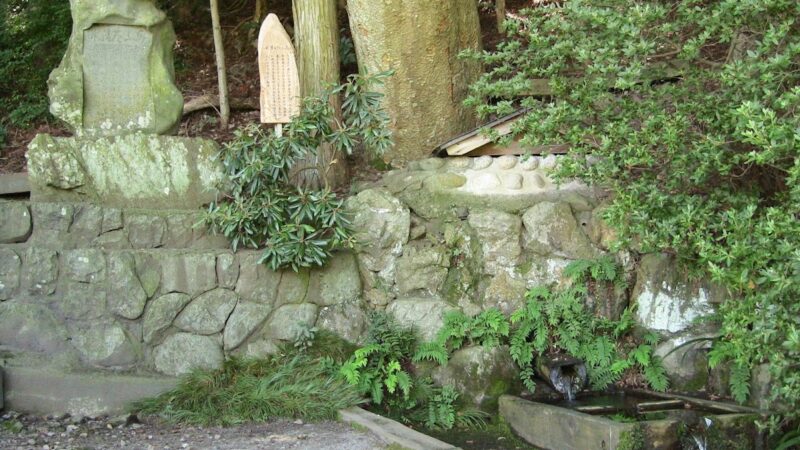
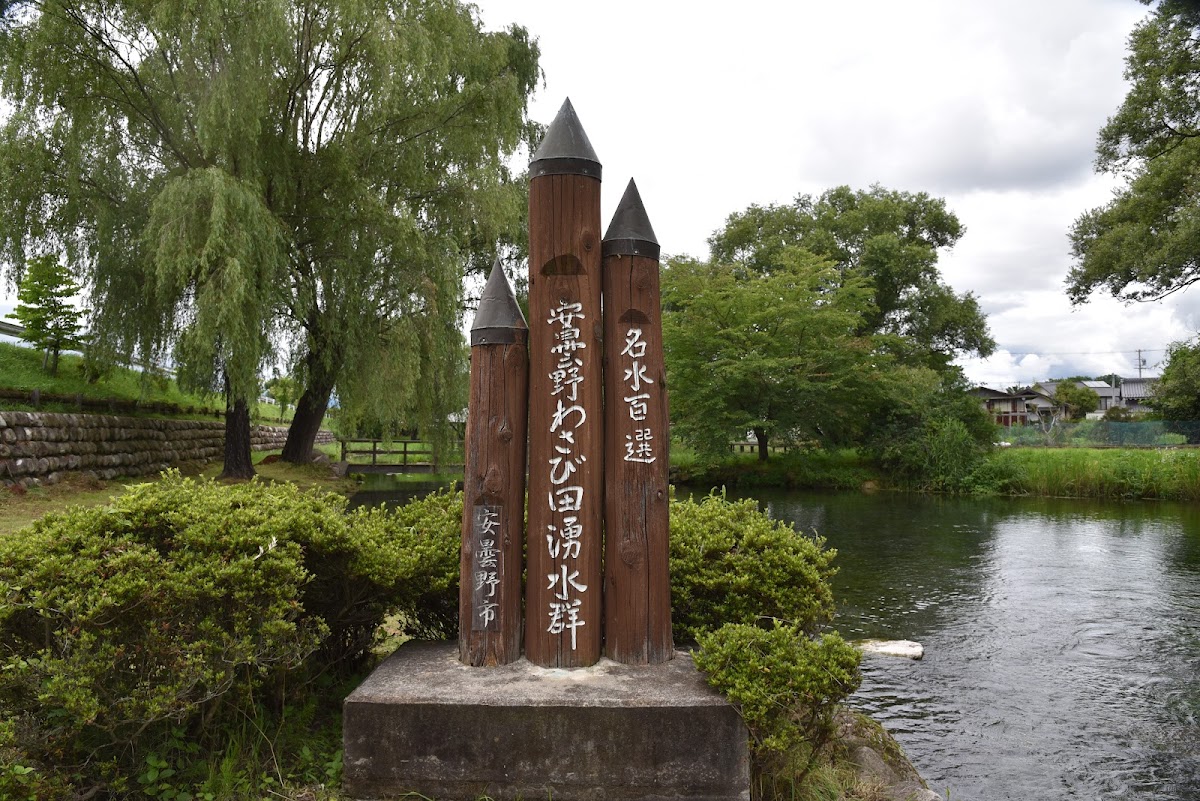
An “Azumino Wasabi Field Spring Water Group Park” has been developed in Minami-Hotaka, Azumino City, and has become popular as a spot to experience spring water up close. This park received certification as a “Water Village” from the Ministry of Land, Infrastructure, Transport and Tourism, offering waterside walks centered on “Ikoi no Ike” (a resting pond) where a Top 100 Japanese Waters monument is installed.
Visitors can observe actual spring water emerging in the park, astounded by its high transparency and abundant volume. Seeing water emerge while churning up sand from the pond bottom conveys the power of nature.
Water Collection Spots
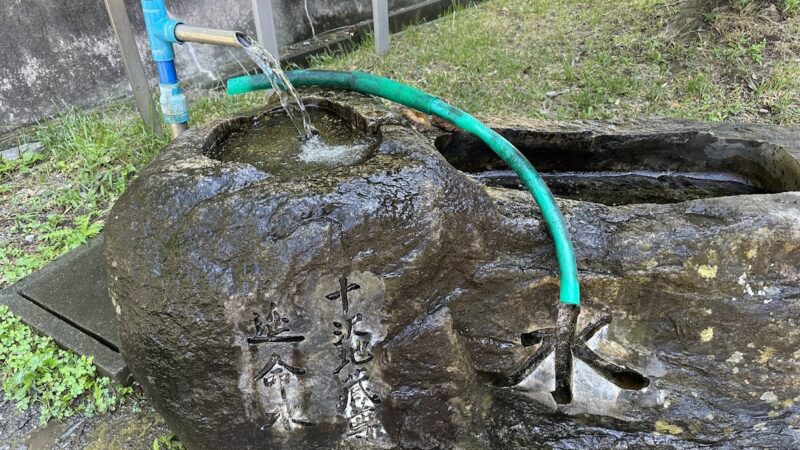
Water from the Azumino Wasabi Field Spring Water Group can be freely collected at multiple locations. At “Machi no Eki Azumino BASE” in particular, water can be collected in a convenient location where accommodations and restaurants are concentrated, utilized by both local residents and tourists.
In winter, scenes can be observed of local residents washing vegetables like nozawana (Japanese greens) in spring water for pickling, offering a glimpse of spring water being woven into daily life. Since water temperature remains constant year-round, hands do not freeze even in winter, making work easier.
Surrounding Water Springs
Multiple water spring spots aside from the wasabi field spring water group are scattered throughout Azumino City.
Enmei Water (Spring of Longevity)
A spring located in the precinct of Hotaka Shrine that is believed to offer the blessing of “longevity and long life” as its name suggests. Visitors can enjoy clear water alongside shrine worship at this spot cherished by locals.
Otane Water
A spring in the Toyoshina district of Azumino City that has long served as domestic water for local residents. People continue visiting to collect water, a water source rooted in the community.
Morie Water (Moroe no Mizu)
A spring in the Hotaka district that quietly emerges in a quiet residential area. This is a hidden gem water source carefully preserved by local people.
Mizu River Area and Daio Wasabi Farm
The Mizu River is a clear stream collecting spring water, flowing through the Daio Wasabi Farm. A walking path runs along the river where visitors can enjoy the water wheel cottage and riverside scenery. The water wheel cottage, used as a filming location for “Dreams,” has become a representative photo spot of Azumino.
Access Information
Public Transportation Access
JR Oito Line Hotaka Station is the nearest station.
- From Tokyo: Approximately 2 hours 30 minutes on JR Chuo Line to Matsumoto Station, then transfer to JR Oito Line for approximately 30 minutes to Hotaka Station
- From Nagoya: Approximately 2 hours on JR Chuo Line to Matsumoto Station, then transfer to JR Oito Line for approximately 30 minutes to Hotaka Station
From Hotaka Station, bicycle rental is recommended. Azumino’s flat terrain makes it ideal for cycling, with multiple rental shops near the station. The spring water group park is approximately 10-15 minutes by bicycle from the station.
Taxi use takes approximately 5-10 minutes from Hotaka Station.
Automobile Access
- Approximately 15 minutes from Azumino IC on the Nagano Expressway
- Approximately 20 minutes from Toyoshina IC on the Nagano Expressway
The Azumino Wasabi Field Spring Water Group Park has dedicated parking. Daio Wasabi Farm features large free parking facilities.
Tourist Season and Required Time
The Azumino Wasabi Field Spring Water Group can be visited year-round, with particularly recommended periods as follows:
- Spring (April-May): The period when wasabi flowers bloom, with delicate white blossoms spreading across the fields. The contrast between remaining snow on the Northern Alps and fresh greenery is also appealing.
- Summer (July-August): Cool spring water offers refreshment from heat. Even in the height of summer, touching water around 15 degrees in temperature makes one forget the heat.
- Autumn (October-November): A season of beautiful autumn foliage and initial snow on the Northern Alps. The contrast between clear streams and autumn leaves can be enjoyed in crisp air.
- Winter (December-February): Spring water amid snowy landscapes also has its charm. Winter sees fewer tourists, allowing quiet enjoyment of the famous water.
Viewing the spring water group park itself takes approximately 30 minutes to 1 hour, but including Daio Wasabi Farm and surrounding water spring spots, a half-day to full day of leisurely touring is recommended.
Combining with Azumino Tourism
Surrounding Tourist Attractions
Pairing visits to nearby attractions with the Azumino Wasabi Field Spring Water Group creates a more fulfilling trip.
Daio Wasabi Farm is a must-see spot. Japan’s largest-scale wasabi farm offers free admission for viewing vast wasabi fields. The grounds include a sales shop and restaurant offering various wasabi-based cuisine including wasabi soft serve ice cream and wasabi croquettes.
Hotaka Shrine is an ancient shrine representative of Azumino, believed as the tutelary deity of the Northern Alps. The precinct also contains the spring water “Enmei Water,” allowing worship in a sacred atmosphere.
Azumino Chihiro Picture Book Museum displays works by picture book artist Chihiro Iwasaki. Beautiful gardens surround the building with views of the Northern Alps.
Rokuzanzan Art Museum mainly exhibits works by modern sculptor Rokuzanzan Ogiwara, distinguished by its brick church-like architecture.
Azumino Cuisine
When visiting Azumino, local cuisine nurtured by clear water is worth savoring.
Wasabi cuisine is a specialty of Azumino. Wasabi rice bowl, wasabi pickles, wasabi soba, and other dishes using fresh wasabi are provided throughout the area. Restaurants within Daio Wasabi Farm particularly offer authentic wasabi cuisine.
Rainbow trout cuisine is also an Azumino specialty. Direct farm restaurants serve fresh rainbow trout salt-grilled, sashimi, fried, and other preparations.
Hand-made soba made with Azumino’s clear water is exquisite. Numerous soba restaurants throughout the city offer distinctive varieties.
Apples and other fruits are Azumino specialties. Direct sales shops in autumn offer fresh apples and grapes for purchase.
Conservation Activities for Azumino Wasabi Field Spring Water Group
Protection Activities by Local Residents
The clear water quality of the Azumino Wasabi Field Spring Water Group is protected through longtime conservation efforts by local residents. Azumino City regularly conducts water quality surveys to monitor environmental changes.
Local farmers practice environmentally conscious agriculture with reduced chemical fertilizer and pesticide use. Wasabi cultivation itself, requiring clear streams, naturally raises awareness of water quality conservation.
Sustainable Water Use
Azumino City promotes sustainable water use to pass spring water on to future generations. Circular use in wasabi fields and trout farming represents prime examples, with efforts continuing to effectively utilize water resources while minimizing environmental impact.
Awareness activities for tourists communicate the importance of spring water, with conservation of water environments promoted through Top 100 Japanese Waters monuments and informational signage.
Precautions and Etiquette When Visiting
Water Collection Etiquette
Follow these etiquette guidelines when collecting spring water:
- Avoid monopolizing the location for extended periods; show consideration for other users
- Do not dirty the water collection area surroundings
- Pre-clean containers such as plastic bottles
- Boiling is recommended if consuming the water
Environmental Conservation Consideration
- Do not enter wasabi fields or farming pools
- Always carry away garbage
- Do not throw garbage or foreign objects into spring water or streams
- Do not collect plants or organisms
Photography Etiquette
While Azumino’s beautiful landscapes are popular photography spots, observe these points:
- Do not trespass on private property
- Do not enter wasabi fields for photography
- Show consideration so as not to disturb other tourists
- Drone photography requires prior permission in some cases
Conclusion: The Charm of Azumino Wasabi Field Spring Water Group
The Azumino Wasabi Field Spring Water Group is water created by the blessings of the Northern Alps’ magnificent nature. Abundant daily spring water output of 700,000 tons, stable water temperature maintained year-round, and exceptional transparency and water quality support Japan’s top wasabi cultivation and trout farming.
Selected as one of the Top 100 Japanese Waters and winning 1st place in the scenic waters category, this spring water group is not merely a water source but an essential element shaping Azumino’s culture, industry, and beautiful landscape.
Clear water flowing through wasabi fields, the Northern Alps mountains in succession behind them, and circular agriculture and aquaculture utilizing spring water. All these elements in harmony create Azumino’s landscape, possessing a beauty that might be called Japan’s archetypal scenery.
When visiting Nagano Prefecture, be sure to visit the Azumino Wasabi Field Spring Water Group and experience firsthand the landscape woven by clear water and the rich blessings it nurtures. Azumino’s nature revealing different faces through the four seasons and the Top 100 Japanese Waters’ clear streams await you.