Complete Guide to Anano Valley Sacred Water (Toyama Prefecture)|Efficacy, Access, Water Collection Methods Thoroughly Explained
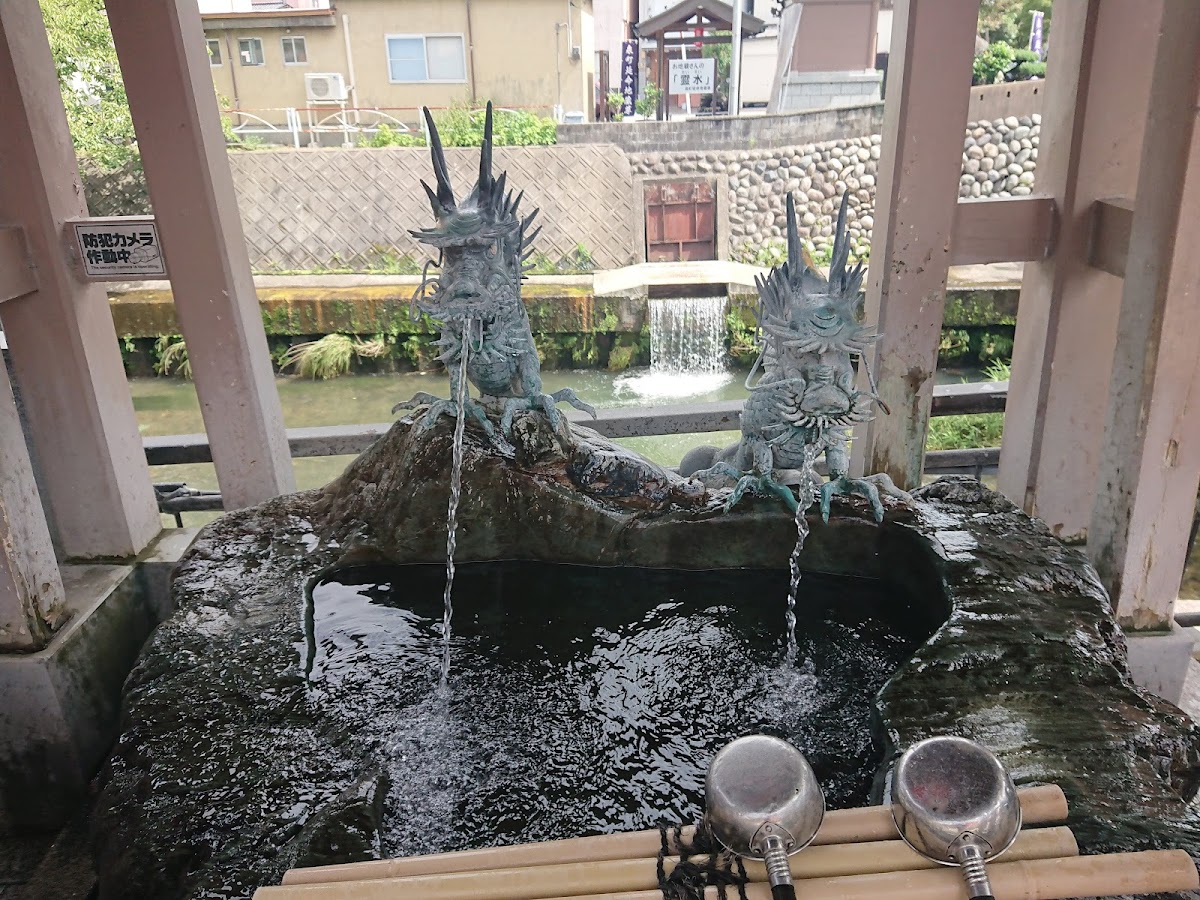
“Anano Valley Sacred Water” located in Kamiichi Town, Nakaniikawa County, Toyama Prefecture is a famous water spot representative of the Hokuriku region, also selected by the Ministry of the Environment as one of the “100 Famous Waters of Japan.” Traditionally known as a cure-all, many people from within and outside the prefecture visit to collect water.
This article comprehensively explains the history, efficacy, access methods, and precautions for water collection of Anano Valley Sacred Water, providing information useful for those actually visiting.
What is Anano Valley Sacred Water
Anano Valley Sacred Water is a spring located in the Shirohagi district of Kamiichi Town, Toyama Prefecture. Positioned in a mountainous area at an elevation of approximately 330 meters, clear and cold water springs forth throughout the year.
Reasons for Selection in the 100 Famous Waters
In 1985 (Showa 60), it was selected as one of the “100 Famous Waters of Japan” by the Ministry of the Environment (then the Environment Agency). The selection reasons are as follows:
- Excellent water quality and purity: Soft water with excellent mineral balance
- Conservation activities by local residents: Continuous management by the local preservation society
- Historical and cultural value: Sacred water that has been venerated since ancient times
- Beautiful scenery: Harmony with surrounding natural environment
Geological Characteristics
Anano Valley Sacred Water is groundwater originating from the Tateyama Mountain Range, which springs forth after passing through geological layers over many years. During this process, natural filtration removes impurities while mineral components dissolve appropriately.
The water temperature remains stable at approximately 10 degrees Celsius year-round, which is characteristic of groundwater. This coldness provides a refreshing sensation even during summer.
History and Legends of Anano Valley Sacred Water
Origins of Discovery
The history of Anano Valley Sacred Water is ancient, with interesting legends about its discovery remaining.
There is a tradition from the mid-Edo period that a hunter living in this area accidentally discovered the spring water while injured in the mountains and washed his wound with it, after which it healed surprisingly quickly. From this incident, the water became known among local people as having “miraculous spiritual power.”
As an Object of Veneration
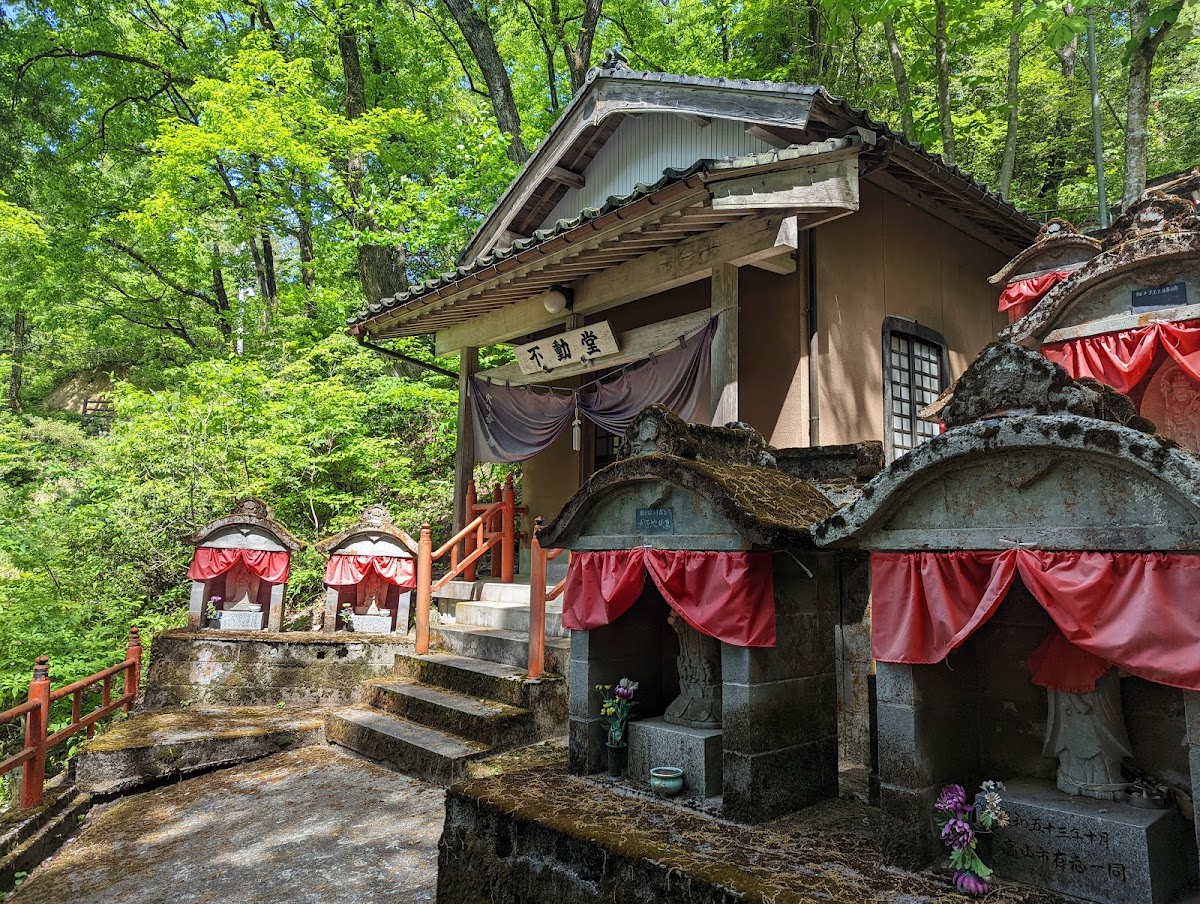
From the Meiji period onward, Anano Valley Sacred Water became not merely a spring but also an object of spiritual veneration. A small shrine was built at the water source to enshrine the water deity.
Even today, visitors are seen clasping their hands at the shrine before collecting water. This is handed down not merely as water collection but as an act expressing gratitude and respect for nature.
Connection with Local Community
The Shirohagi district has long used Anano Valley Sacred Water as domestic water. Additionally, during festivals and special events, it has become customary to use this sacred water, becoming part of the local culture.
Efficacy and Composition of Anano Valley Sacred Water
Traditional Benefits
Anano Valley Sacred Water has traditionally been said to have the following benefits:
- Effects on gastrointestinal disease: Improvement of digestive system disorders
- Effects on skin conditions: Alleviation of atopic dermatitis and eczema symptoms
- Effects on eye disease: Relief from eye fatigue and inflammation
- Effects on diabetes: Support for blood sugar stabilization
- Effects on liver disease: Improvement of liver function
- Beauty effects: Improvement of skin condition
Note: These are based on folk traditions and are not medically proven efficacy. For disease treatment, always consult a medical facility.
Water Quality and Composition Analysis
Anano Valley Sacred Water undergoes regular water quality testing, confirming that it is safe water suitable for drinking.
Main characteristics:
- pH value: Approximately 7.0 (neutral)
- Hardness: Approximately 30-50 mg/L (soft water)
- Water temperature: Approximately 10 degrees Celsius year-round
- Mineral components: Balanced content of calcium, magnesium, potassium, and others
As soft water, it has a mild mouthfeel and is easy to drink, also suitable for Japanese tea, coffee, and cooking.
Scientific Perspective
From modern scientific analysis, the characteristics of Anano Valley Sacred Water are as follows:
- Rich dissolved oxygen content: High dissolved oxygen unique to fresh spring water
- Low impurities: High purity from natural filtration
- Mineral balance: Contains minerals necessary for the human body in appropriate amounts
- Stable water quality: Little seasonal variation
Access Methods and Directions
Basic Information
- Location: Kurokawa, Kamiichi Town, Nakaniikawa County, Toyama Prefecture
- Hours: 24 hours (however, nighttime visits are not recommended due to lack of lighting)
- Cost: Free
- Parking: Available (free, approximately 20 spaces)
Access by Car
From the Hokuriku Expressway:
- Exit at Tateyama IC
- Head south on National Route 3
- Via Prefectural Route 6 (Toyama-Tateyama-Uozu Line)
- From Kamiichi Town center to Prefectural Route 67
- Follow directional signs for approximately 15 minutes
Travel Time:
- From Toyama City: Approximately 40 minutes
- From Tateyama IC: Approximately 20 minutes
- From Toyama Airport: Approximately 30 minutes
Car Navigation Settings:
- Phone number: 076-472-1111 (Kamiichi Town Office)
- Facility name: “Anano Valley Sacred Water” or “Anano Valley no Reisuī”
Access by Public Transportation
Access by public transportation alone is difficult. Taxi use from the nearest station is an option.
Nearest Station: Toyama Chihō Railway “Kamiichi Station”
- Approximately 15 minutes by taxi from Kamiichi Station (approximately 3,000 yen one way)
Note: Local buses do not operate near the sacred water, so car or taxi use is essential.
Road Conditions and Precautions
- Winter (December to March): High possibility of snow and icing, making studless tires or chains essential
- Mountain roads: Narrow sections and sharp curves require careful driving
- Oncoming traffic: Some places make passing difficult, requiring consideration
- Nighttime: Almost no street lighting, visiting before sunset is recommended
Water Collection Methods and Precautions
Water Collection Facilities
Anano Valley Sacred Water has developed collection facilities:
- Collection taps: Multiple taps are installed, allowing simultaneous collection by multiple people
- Washing area: Dedicated space for container washing
- Rest area: Simple covered space
- Toilet: Simple toilet available (may not be usable in winter)
Water Collection Procedure
- Container preparation: Bring a clean container (plastic bottle, water can, etc.)
- Hand washing: Clean hands before collection
- Container rinsing: Rinse the container interior 1-2 times with sacred water
- Collection: Pour water directly from the tap into the container
- Sealing: Close the lid securely
Items to Bring
- Water containers: Plastic bottles, water cans (up to 20L is standard)
- Towel: For water protection
- Work gloves: Water is extremely cold in winter
- Hand truck: If collecting large quantities (approximately 50m from parking to collection area)
- Picnic sheet: For rest during waiting time
Etiquette and Rules
To maintain Anano Valley Sacred Water, observe the following etiquette:
- Take trash with you: Always take your garbage with you
- Don’t monopolize: Share in a spirit of consideration during crowded times
- No laundry or car washing: Do not discharge household wastewater
- Pet consideration: Keep pets away from collection areas
- Noise awareness: Maintain a quiet environment
- No commercial use: Refrain from large-scale collection for sales purposes
Water Collection Volume Guide
Typical collection amounts for visitors:
- Individual use: Approximately 2L to 10L
- Family use: Approximately 20L to 40L
Note: Collect within reasonable limits. Consideration for local residents and other visitors is important.
Storage Methods and Shelf Life
Appropriate Storage Methods
Methods for safely enjoying Anano Valley Sacred Water long-term:
Room temperature storage:
- Avoid direct sunlight
- Store in a cool place
- Shelf life: 2-3 days approximately
Refrigerated storage:
- Store sealed in a clean container
- In the vegetable compartment or refrigerator
- Shelf life: 1-2 weeks approximately
Frozen storage:
- For plastic bottles, do not fill completely; leave space for expansion
- Shelf life: 1-2 months approximately
Signs of Water Quality Change
Avoid drinking if any of these changes occur:
- Cloudiness appears
- Unusual odor
- Taste changes
- Sliminess develops
- Floating particles appear in container
Hygiene Management Points
- Container cleanliness: Always wash and disinfect before use
- No direct contact with mouth: Pour into a cup before drinking
- Consume early: Use opened water promptly
- Regular replacement: Avoid long-term storage; replace with fresh water
Nearby Tourist Attractions
When visiting Anano Valley Sacred Water, be sure to stop by these nearby spots.
Taiiwan Nisshiji (Taiiwan Fudōson)
- Distance: Approximately 10 minutes by car from Anano Valley Sacred Water
- Features: Head temple of Shingon Esoteric Buddhism. Famous for nationally designated historic rock carvings
- Specialty: Sōmen (Taiiwan sōmen)
- Ascetic waterfall experience: General participation in waterfall ascetic practice possible in summer
Kamiichi Town Local History Museum
- Distance: Approximately 15 minutes by car
- Content: Facility for learning about Kamiichi Town’s history and culture
- Admission: Free
Ganmokuzan Tateyama Temple
- Distance: Approximately 20 minutes by car
- Features: Base temple of Tateyama faith
- Highlights: Tateyama mandala, Important Cultural Property Buddhist statues
Tsurugidake and Tateyama Mountain Range
- Distance: Approximately 30-40 minutes by car
- Activities: Mountaineering, trekking, Tateyama Kurobe Alpine Route
- Best season: April to November
Michi no Eki “Kamiichi”
- Distance: Approximately 10 minutes by car
- Features: Can purchase fresh local vegetables and specialty products
- Restaurant: Cooking using local ingredients
Seasonal Attractions and Precautions
Spring (March to May)
Attractions:
- Abundant water from snowmelt
- Beautiful fresh greenery
- Mountain vegetable picking season
Precautions:
- Snow may remain
- Large temperature variations; prepare warm clothing
- Road surfaces often wet
Summer (June to August)
Attractions:
- Cold sacred water is particularly pleasant
- Lush green nature
- Ideal as an summer retreat
Precautions:
- Peak season for crowds
- Early morning or weekday visits recommended
- Insect repellent needed
- Heat stroke prevention (limited shade)
Autumn (September to November)
Attractions:
- Beautiful autumn foliage (mid-October to early November)
- Clear air
- Relatively uncrowded
Precautions:
- Morning and evening chill
- Fallen leaves make roads slippery
- Allow time as sunset comes early
Winter (December to February)
Attractions:
- Sacred water in snowy landscape
- Quiet atmosphere
- Less crowded
Precautions:
- Snow and icing: Studless tires essential
- Road closures: May be impassable during heavy snow
- Cold protection: May drop below freezing
- Water freezing: Taps may be frozen
- Daylight: Visit during daylight hours
Local Recommendations for Using Anano Valley Sacred Water
As Drinking Water
- Drink straight: Cold, mild flavor
- Hot water: Heat and serve warm (mineral content concentrates)
- Tea and coffee: Soft water enhances flavor
- Water for mixing: For whisky and shochu water dilution
Cooking Applications
- Rice cooking: Produces fluffy, glossy rice
- Stock: Brings out umami from kombu and bonito
- Simmered dishes: Highlights ingredient flavors
- Miso soup: Creates mild flavor
Beauty and Health Applications
- Facial washing: Morning and evening washing
- Before toner: Use as pre-toner
- Sheet mask: Soak cotton and apply as lotion mask
- Bathing: Add to bath (large quantity needed)
Other Applications
- Plant watering: For houseplants and bonsai
- Pet drinking water: Water for dogs and cats
- Ice making: Use for making ice
Frequently Asked Questions (Q&A)
Q1: Does Anano Valley Sacred Water really work?
A: Various benefits are transmitted as folk tradition, but these are not medically proven. However, it is certainly clean and delicious natural water. Rather than for disease treatment, it is recommended to enjoy it as delicious water.
Q2: Is a reservation needed for water collection?
A: No reservation is necessary. You can visit and collect water freely. However, during peak times (especially weekend and holiday mornings), waiting time may occur.
Q3: Are water quality inspections conducted?
A: Yes, regular water quality inspections are performed, confirming the water is suitable for drinking. However, as natural spring water, water quality may vary due to weather and environmental changes.
Q4: Can water be collected in winter?
A: Generally, collection is possible year-round, but roads may close during heavy snow. Additionally, taps may be frozen, so winter visits should confirm conditions beforehand with Kamiichi Town Office or similar.
Q5: How much water can be collected?
A: There is no clear limit, but collection within reason is expected. Generally, 20L to 40L is the standard. Refrain from large-scale collection for commercial purposes.
Q6: How many plastic bottles should be brought?
A: It varies by individual, but beginners should bring about 5-10 two-liter bottles as an appropriate amount. Those with more experience often use 20L water cans.
Q7: Are there accommodation facilities nearby?
A: There are no accommodation facilities near the sacred water, but there are inns and private lodgings in central Kamiichi Town and the Taiiwan area. It is also possible to use hotels in Toyama City as a base.
Q8: Are products using the sacred water sold?
A: Products using Anano Valley Sacred Water (tofu, sake, etc.) may be sold at some local shops. Check the Michi no Eki “Kamiichi” and similar places.
Local Preservation Society Efforts
Anano Valley Sacred Water is carefully protected by the local “Anano Valley Sacred Water Preservation Society.”
Cleaning Activities
- Regular cleaning approximately once monthly
- Grass cutting around collection areas
- Facility inspection and repairs
Water Quality Management
- Regular water quality testing
- Water source environmental conservation
- Emergency response system
Awareness Activities
- Visitor etiquette awareness
- Installation and updating of directional signs
- Event organization
Support Methods
Visitors can also support preservation activities through:
- Donation box contributions: Donation boxes at collection areas
- Etiquette compliance: Follow rules and avoid environmental pollution
- Information sharing: Share appropriate information via SNS
Pre-Visit Checklist for Anano Valley Sacred Water
Confirm the following items before visiting:
Items to Bring
- [ ] Water containers (plastic bottles, water cans, etc.)
- [ ] Towel
- [ ] Work gloves (winter)
- [ ] Hand truck (large collection)
- [ ] Warm clothing (winter)
- [ ] Rain gear (bad weather)
- [ ] Insect repellent (summer)
Confirmations
- [ ] Check weather forecast
- [ ] Confirm road conditions (especially important in winter)
- [ ] Check car fuel level
- [ ] Set car navigation
- [ ] Plan visit time (confirm sunset time)
Etiquette Confirmation
- [ ] Prepare to take trash with you
- [ ] Be mindful of not making noise
- [ ] Consideration for other visitors
- [ ] Confirm photography etiquette
Conclusion: The Appeal of Anano Valley Sacred Water
Anano Valley Sacred Water is one of the 100 Famous Waters that Toyama Prefecture proudly boasts and is a precious natural resource cherished by many people since ancient times.
Main Appeal of Anano Valley Sacred Water:
- Pure water quality: High-quality natural water selected as one of the 100 Famous Waters
- Free water collection: Available for anyone to use freely
- History and tradition: Spiritual power and regional culture handed down from the past
- Natural environment: Healing spot surrounded by abundant nature
- Good accessibility: Conveniently located approximately 40 minutes from Toyama City
- Local conservation activities: Careful management by local residents
When visiting Anano Valley Sacred Water, never forget gratitude for nature and enjoy while following etiquette. We hope this precious water resource will continue to be protected for many years to come.
When visiting Toyama Prefecture, be sure to stop by Anano Valley Sacred Water and experience the blessings of nature. The cold, clear sacred water will surely heal your mind and body.