Toshima Shimizu (Famous Water of Akita Prefecture) | Thorough Explanation of History, Access, and Water Quality Characteristics
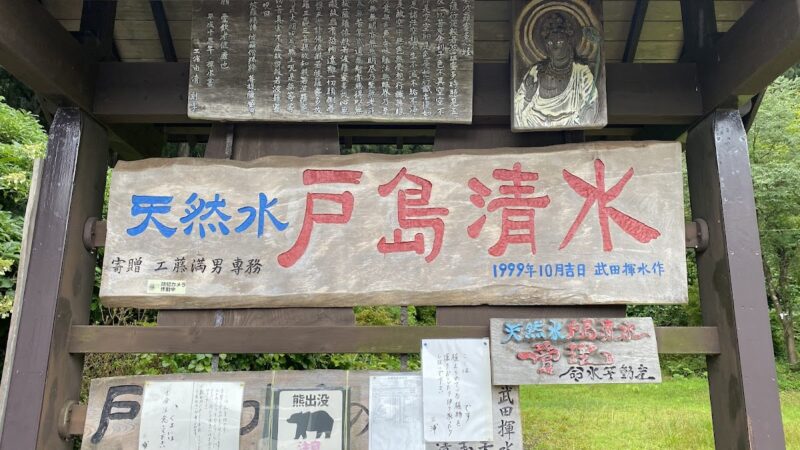
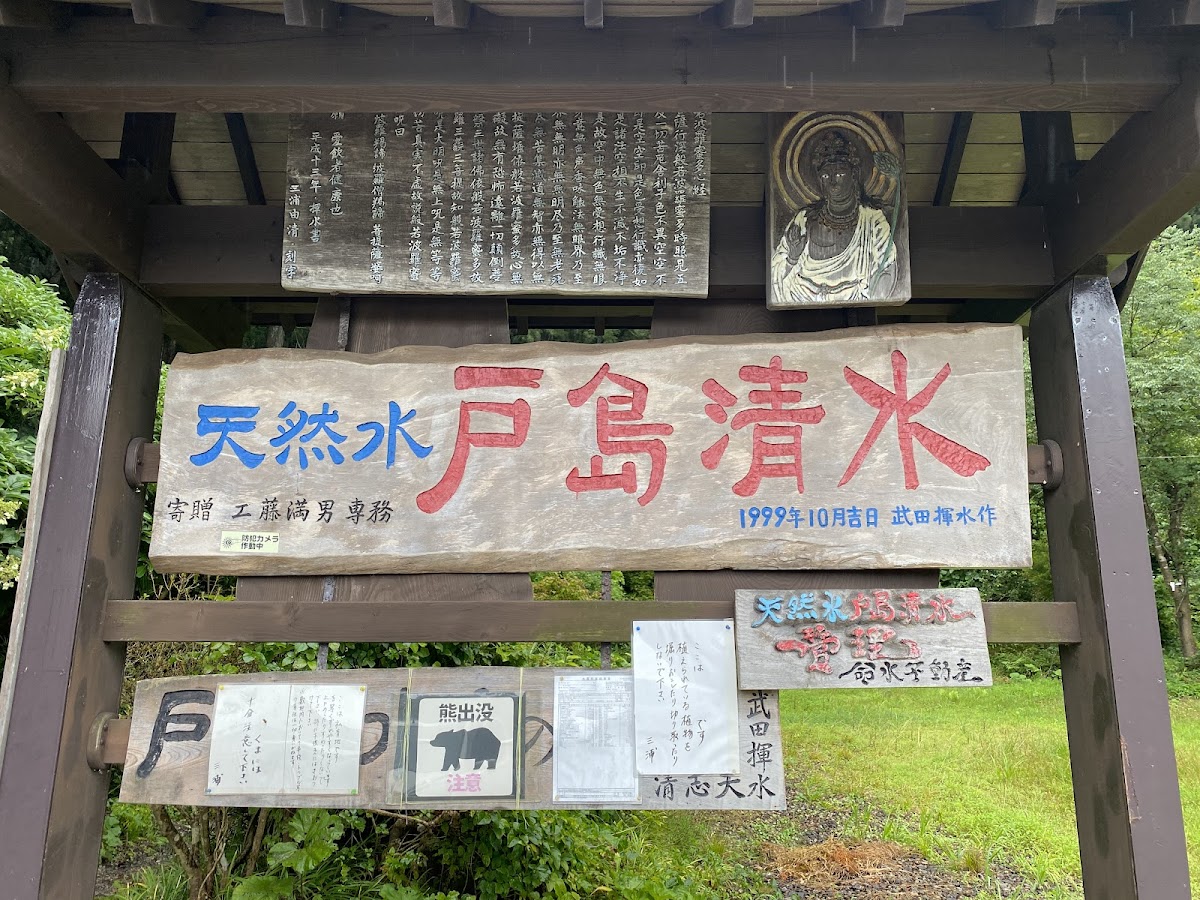
Toshima Shimizu (としましみず), a spring water that flows out in Sennoku City, Akita Prefecture, is a famous water that has been cherished by local people since ancient times. It was designated as one of the “Heisei Era’s Hundred Selected Famous Waters” by the Ministry of the Environment in 2008, and is known as a representative spring water spot in Akita Prefecture. This article provides detailed explanations of Toshima Shimizu’s historical background, water quality characteristics, access methods, and surrounding tourist information.
What is Toshima Shimizu?
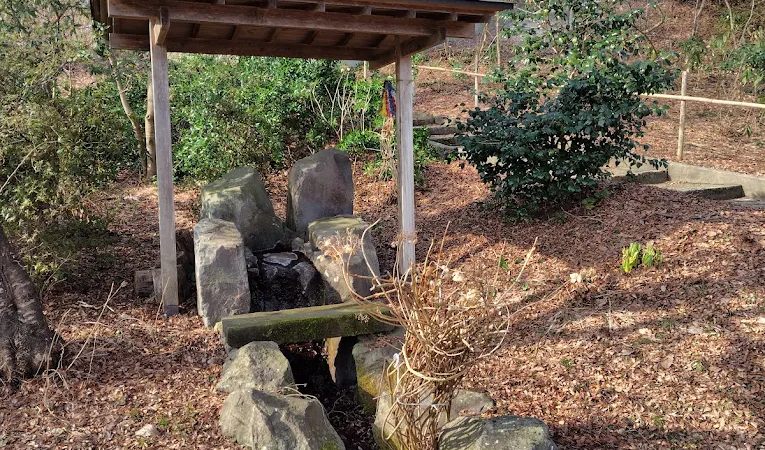
Toshima Shimizu is a spring water located in the Toshima settlement in the Tazawako Obonai (たざわこおぼない) district of Sennoku City, Akita Prefecture. It boasts abundant water volume, with stable outflow continuing throughout the year. The water temperature remains around 10°C throughout the year, staying cool in summer and not freezing even in winter.
Heisei Era’s Hundred Selected Famous Waters
The “Heisei Era’s Hundred Selected Famous Waters” designated by the Ministry of the Environment in 2008 is a system designed to help the public broadly understand the importance of water environment conservation. Excellent water environments that blend into regional life and have conservation activities conducted in them were selected from across the nation. Toshima Shimizu is one of them, receiving a valuable designation within Akita Prefecture.
History and Cultural Background of Toshima Shimizu
Toshima Shimizu has been used as an important water source for local residents since the Edo period. It has a history of being cherished long as agricultural water, living water, and drinking water.
Connection with the Community
For the people of Toshima settlement, this spring water is not merely a water source but is deeply rooted as part of their daily lives. Since ancient times, it has been utilized as a natural refrigerator for cooling vegetables and fruits, and in summer it was also a place where local children enjoyed playing in water.
Regular cleaning activities and water source conservation efforts are conducted by community residents, and this beautiful water environment is being passed down to future generations. These community-wide conservation efforts have been one of the major reasons for the designation as one of the Heisei Era’s Hundred Selected Famous Waters.
Connection with Faith
Since ancient times, spring water has been treated as a sacred place and has also been connected with local beliefs. A place where clear water springs forth was believed to be a place where gods reside, and feelings of gratitude toward water have been passed down across generations.
Water Quality and Characteristics of Toshima Shimizu
The greatest appeal of Toshima Shimizu lies in its excellent water quality.
Spring Water Mechanism
The water source of Toshima Shimizu comes from rain and snow that fell on the surrounding mountains, seeping deep into the ground and being naturally filtered over long years. Passing through volcanic layers, it becomes soft water with an appropriate amount of mineral content.
Water Quality Characteristics
- Water temperature: Stable around 10°C throughout the year
- Water quality: Soft water that is easy to drink with a mellow taste
- Transparency: Extremely high, with the bottom visible from the spring outlet
- Spring water volume: Abundant, with outflow of several thousand tons per day confirmed
Drinking Water
Toshima Shimizu is known as drinkable spring water, but it is recommended to check the latest water quality inspection status at the time of visit. In general, it is recommended to boil spring water before drinking. Many visitors come to draw water, but usage is at one’s own discretion.
Access Methods to Toshima Shimizu
Detailed access information for visiting Toshima Shimizu is provided below.
Access by Car
From Tokyo area
- Approximately 1 hour 30 minutes via National Route 46 from “Morioka IC” on the Tohoku Expressway
- Approximately 50 minutes via National Route 105 from “Omagari IC” on the Akita Expressway
From Akita City
- Approximately 1 hour 20 minutes on National Route 46 heading toward Lake Tazawa
- Approximately 15 minutes by car from Tazawako Station
Access by Public Transportation
- Get off at “Tazawako Station” on the JR Tazawako Line
- Approximately 15 minutes by taxi from the station
- If using buses, the number of services is limited, so it is recommended to check the timetable in advance
Parking Information
There is a small parking space near Toshima Shimizu. However, it may be congested during tourist season and weekends, so it is recommended to visit with plenty of time.
How to Enjoy Toshima Shimizu
Water Drawing Manners
Many people who visit Toshima Shimizu draw the famous water to take home. Please observe the following manners when drawing water.
- Container preparation: Prepare a clean plastic bottle or polycan
- Respect the order: Share and be considerate during crowded times
- Clean the surroundings: Always take litter with you
- Protect the water source: Do not put containers directly into the spring outlet
- Consideration for the community: Pay attention to noise as residential areas are nearby
Photography Spots
The area around Toshima Shimizu is also a photography spot where you can enjoy beautiful scenery throughout the seasons.
- Spring: Contrast between fresh greenery and clear stream
- Summer: Cool spring water surrounded by deep green
- Autumn: Harmony of autumn leaves and clear water
- Winter: Life force continuing to flow amid snowy scenery
Optimal Times to Visit
Toshima Shimizu can be visited throughout the year, but the particularly recommended times are as follows:
May to June: Fresh greenery is beautiful, weather is mild, and ideal for drawing water
July to August: The period when cold spring water feels especially pleasant
October to November: Autumn foliage season with spectacular surrounding scenery
During winter (December to March), snowfall can make access difficult, so it is recommended to check road conditions before visiting.
Nearby Tourist Spots
When visiting Toshima Shimizu, you can also enjoy nearby tourist spots.
Lake Tazawa
Lake Tazawa, which boasts Japan’s greatest depth, is located approximately 20 minutes by car from Toshima Shimizu. The surface shimmering in lapis lazuli color is beautiful throughout the seasons, and you can enjoy lakeside walks and boat rides.
Nyuto Hot Spring Area
Known as a secret hot spring representative of Akita Prefecture, the Nyuto Hot Spring area is approximately 30 minutes by car from Toshima Shimizu. There are 7 hot spring inns with different spring qualities, and hot spring hopping is popular. A hot spring after visiting the famous water would be particularly soothing.
Kakunodate Samurai Mansions
Kakunodate, called the “Little Kyoto of Michinoku,” is approximately 40 minutes by car from Toshima Shimizu. Historic town streetscapes lined with Edo-period samurai mansions are preserved, and it is especially crowded with tourists during cherry blossom season in spring and autumn foliage season.
Dakigaeri Gorge
The Dakigaeri Gorge along National Route 46 connecting Lake Tazawa and Kakunodate is known as a scenic spot for fresh greenery and autumn foliage. It is approximately 25 minutes by car from Toshima Shimizu, where you can enjoy nature walks.
Conservation Activities for Toshima Shimizu
The beautiful water environment of Toshima Shimizu is protected by continued conservation efforts of community residents.
Community Initiatives
In the Toshima district, regular cleaning activities and water quality surveys are conducted. Local neighborhood associations and environmental conservation groups take the lead in environmental improvements around the water source and monitoring illegal dumping.
What Visitors Can Do
We who visit Toshima Shimizu are also part of preserving this precious water environment.
- Always take litter with you
- Do not pollute the water source
- Observe parking etiquette
- Be considerate of local residents’ lives
- Cherish the natural environment
Such individual awareness will connect the famous water to the future.
Other Famous Water Spots in Akita Prefecture
Besides Toshima Shimizu, there are many excellent springs and famous waters in Akita Prefecture.
Chikara Water
Chikara Water in Kakunodate, Sennoku City, is a spring water cherished by local people since ancient times. Located near the samurai mansion district, it can be visited along with sightseeing.
Roku-go Spring Water Group
The Roku-go district in Misato Town has over 60 springs and is also selected for the “Water Village Hundred Selections.” It is a rare area blessed with spring water throughout the town.
Regional Specialty Products Using Famous Water
Toshima Shimizu and other famous waters of Akita are also utilized in creating regional specialty products.
Japanese Sake
Akita Prefecture is known as one of Japan’s foremost sake-producing regions, where quality water creates delicious sake. Around Sennoku City, local sake is produced using local spring water.
Tofu and Miso
Clear water is essential for making traditional foods such as tofu and miso. In the area’s tofu shops and miso breweries, products are made utilizing famous water.
Precautions When Visiting Toshima Shimizu
Important precautions for safely enjoying Toshima Shimizu are summarized below.
Safety Precautions
- Some areas have slippery footing, so wear appropriate footwear
- Do not take your eyes off small children
- Be careful of freezing and snow accumulation in winter
- Avoid visiting on days with poor weather
Manners and Considerations
- Be considerate of noise as residential areas are nearby
- Do not trespass on private property
- Avoid monopolizing the area for long periods and practice sharing spirit
- If accompanied by pets, take care not to pollute the water source
Convenient Items to Bring
- Containers for drawing water (plastic bottles, polycans, etc.)
- Towel (for wiping hands and containers)
- Garbage bag (always take your own litter with you)
- Camera (to record beautiful scenery)
- Insect repellent spray (summer season)
Toshima Shimizu Through the Four Seasons
Toshima Shimizu shows different faces depending on the season.
Spring (March to May)
The season of snowmelt, as surrounding nature gradually awakens. Fresh greenery begins to sprout, and the area around the clear water is enveloped in an atmosphere full of life force. The water volume is also abundant, and the sound of the clear stream echoes pleasantly.
Summer (June to August)
Surrounded by deep green, Toshima Shimizu is a cool spot that makes you forget the summer heat. Dipping your hands in the cold spring water gives you the pleasant feeling of nature’s air conditioning. This is also a season when many people visit to draw water.
Autumn (September to November)
Surrounding trees begin to change color, and the contrast between autumn leaves and clear water is beautiful. The famous water savored in the crisp autumn air is exceptional. As temperatures begin to drop, the coldness of the water becomes even more pronounced.
Winter (December to February)
Even in snow-covered scenery, Toshima Shimizu continues to flow. This is a season where you can feel the life force of spring water that does not freeze even in winter. However, snow accumulation and icy road surfaces can make access difficult, so sufficient caution is necessary when visiting.
A Recommendation for a Journey Around Famous Waters
Why not plan a trip to visit famous waters throughout Akita Prefecture with Toshima Shimizu as the starting point?
Model Course (1 Night, 2 Days)
Day 1
- Morning: Draw water at Toshima Shimizu
- Lunch: Lunch around Lake Tazawa
- Afternoon: Sightseeing at Lake Tazawa
- Evening: Stay at Nyuto Hot Spring area
Day 2
- Morning: Walk through Kakunodate samurai mansions, visit Chikara Water
- Lunch: Lunch in Kakunodate
- Afternoon: Nature walk at Dakigaeri Gorge
- Evening: Begin journey home
How to Enjoy Famous Water Tours
When visiting famous waters in various locations, it is interesting to compare the taste and characteristics of each water. Even within Akita Prefecture, water quality and taste subtly differ by region. Additionally, learning about the history and culture of each place deepens your understanding of the famous water.
Toshima Shimizu and Environmental Education
Toshima Shimizu is also utilized as a place for environmental education.
Use in School Education
Local elementary and junior high schools conduct environmental studies using Toshima Shimizu as subject matter. It provides a valuable opportunity to learn about water circulation, the importance of water quality conservation, and the region’s natural environment.
Passing Down to Future Generations
Children experiencing famous water and learning its importance leads to the cultivation of environmental conservation awareness in the future. Toshima Shimizu plays an important role in environmental education for future generations as a living teaching material for considering the coexistence of nature and humanity.
Summary
Toshima Shimizu is a precious natural resource boasted by Sennoku City, Akita Prefecture. Through its excellent water quality that earned it a designation as one of the Heisei Era’s Hundred Selected Famous Waters, abundant spring water volume, and continued conservation efforts by community residents, this beautiful water environment has been protected to this day.
Visitors should not only enjoy this clear spring water but also maintain awareness of environmental conservation. Each individual’s manners and consideration will connect Toshima Shimizu to the future.
With many attractive tourist spots nearby such as Lake Tazawa, Nyuto Hot Spring area, and Kakunodate samurai mansions, you can fully enjoy Akita’s nature and culture in combination with a famous water tour. Why not experience the blessings of Toshima Shimizu amid beautiful scenery throughout the seasons?
Toshima Shimizu, where clear water continues to spring forth, is the crystallization of the greatness of nature and the efforts of people who have continued to protect it. Let us think about and practice what each of us can do to pass on this precious famous water to the next generation.