Toshima Shimizu (Akita Prefecture) Complete Guide | Access and Charm of Akita’s Famous Water Spot
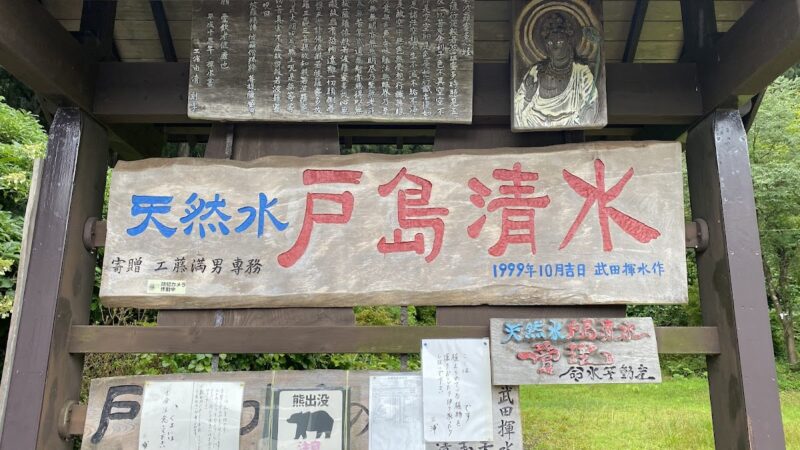
“Toshima Shimizu,” a natural spring water spot located in the Kawabe area of Akita City, Akita Prefecture, has been cherished by local residents and visitors for many years. Despite its proximity to Akita Airport, this famous water surrounded by abundant nature is known as one of Akita Prefecture’s representative spring waters.
This article provides a comprehensive explanation of Toshima Shimizu, covering its historical background, water quality characteristics, specific access methods, nearby tourist attractions, and precautions to take when visiting this precious water source.
About Toshima Shimizu | Overview of Akita Prefecture’s Representative Spring Water
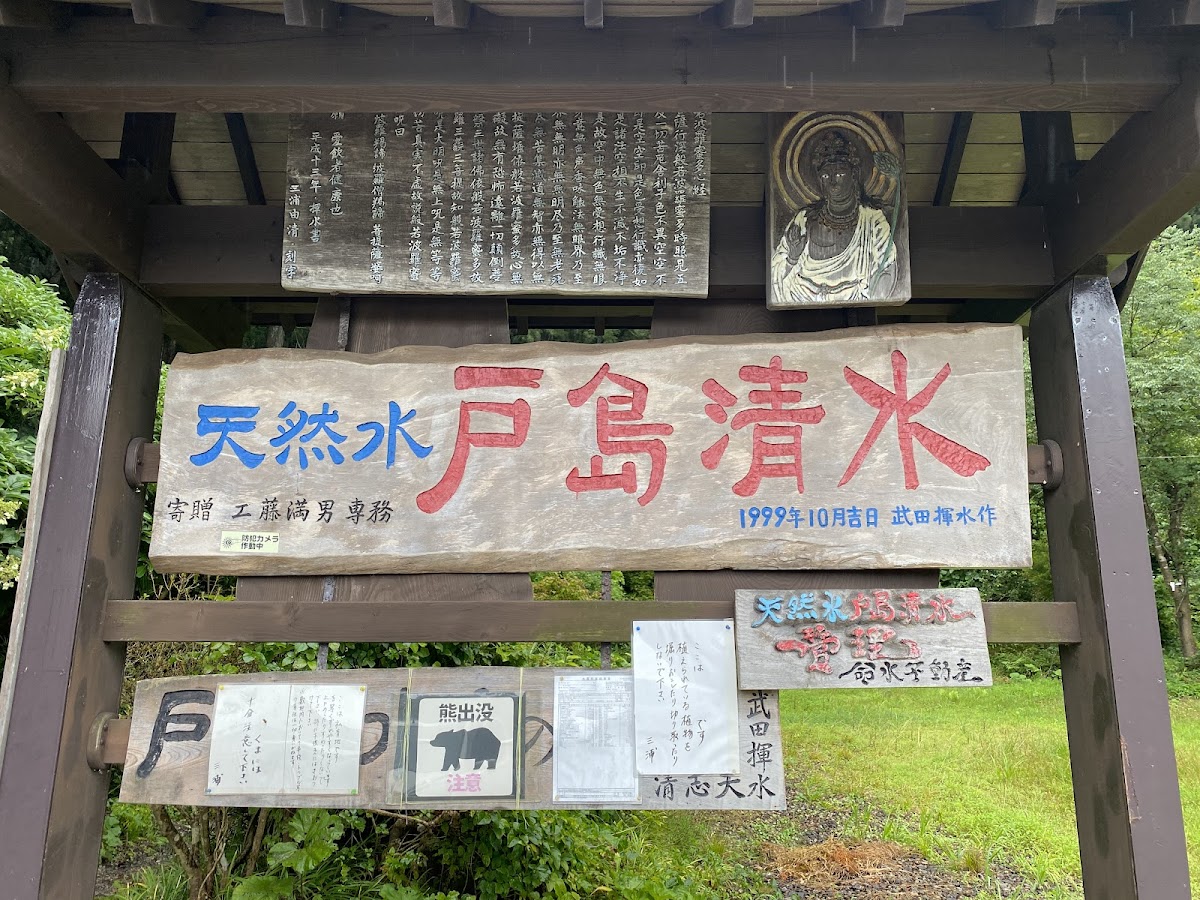
Toshima Shimizu is a natural spring that flows from the Toshima district of Kawabe, Akita City, Akita Prefecture. It was also featured as Akita Prefecture’s representative spring water in the “Heisei Era Hundred Select Waters” selection project conducted by the Ministry of the Environment, and is recognized as a valuable water resource for the region.
Detailed Name and Location
Official Name: Toshima Shimizu (としましみず)
Location: Toshima District, Kawabe, Akita City, Akita Prefecture
Administration: Akita City (former Kawabe Town area)
This area, which once existed as an independent Kawabe Town, merged with Akita City in 2005 (Heisei 17) and is now part of Akita City. However, locally it is still known affectionately as “Kawabe’s Toshima Shimizu” and has become a symbol of the region’s identity.
Geographic Characteristics and Surrounding Environment
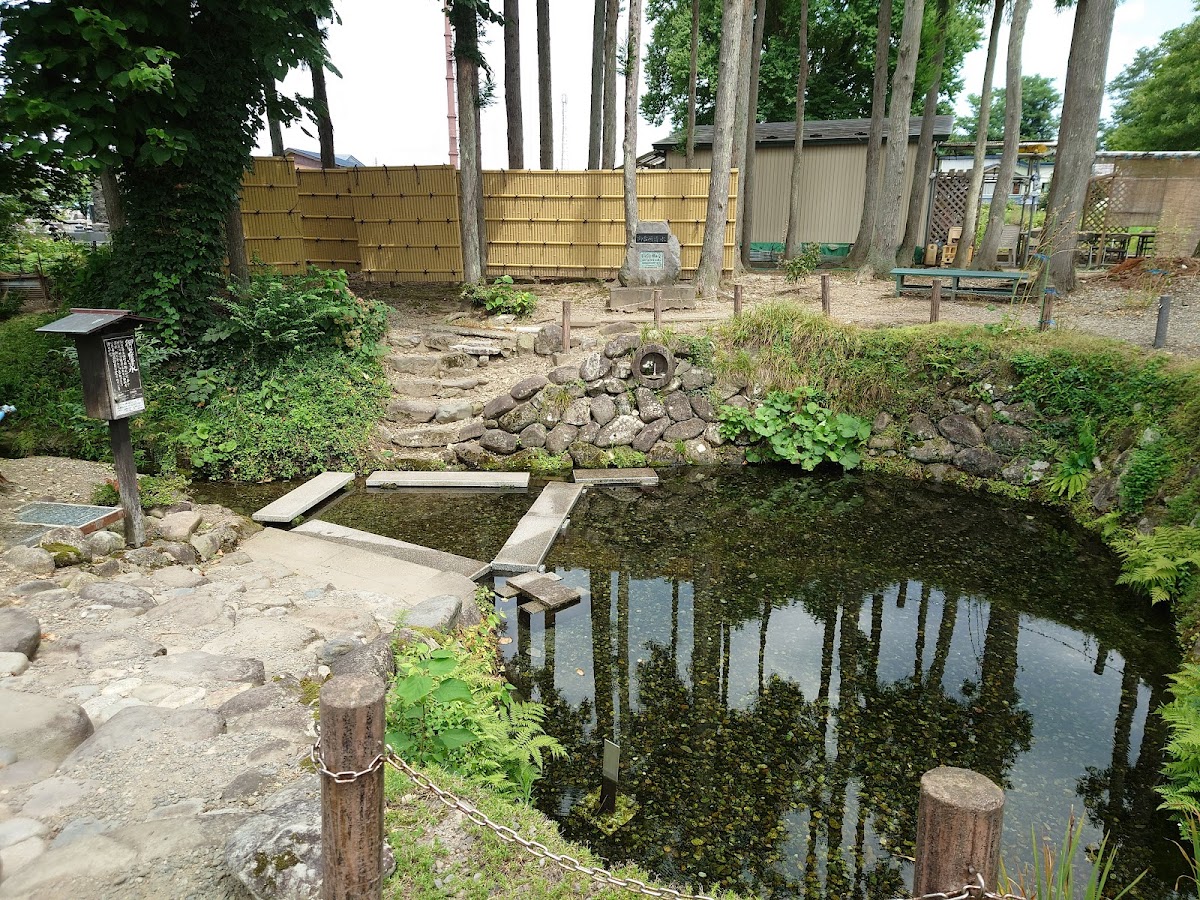
Toshima Shimizu is located on the north side of Akita Airport, behind the Owawa Cycling Terminal and FM Tsubaki Terrace. The surrounding area is a slope surrounded by Japanese cedar forests, and the abundant forest functions as a natural filter, producing clear spring water.
The geology of this region consists of a structure where water-permeable sandy gravel layers and water-impermeable clay layers overlap. Rainwater and snowmelt water seep deep into the ground, and after being filtered over many years, emerge as spring water through this mechanism.
History of Toshima Shimizu | The Story of a Water Source That Has Walked with the Region
History of Ancient Usage
While the exact time of discovery of Toshima Shimizu is not recorded, local tradition holds that it has been used as a water source for daily living by local residents since before the Edo period. It was valued not only for agricultural use but also as drinking water, and particularly in summer it was an invaluable water source that supported the region’s development.
Post-Heisei Development and Conservation Efforts
In 1989 (Heisei 1), a survey of famous waters and springs in Akita Prefecture was conducted to commemorate Akita City’s 100th anniversary. In this survey, Toshima Shimizu was also featured, and its water quality and importance to the region were once again recognized.
Subsequently, with the cooperation of local residents and landowners, environmental improvements around the spring water area were promoted. Access roads were improved and water collection facilities were upgraded, creating an environment where more people could use the site safely.
Modern Conservation Challenges
In recent years, the decline in regional population due to declining birth rates and aging has become an issue for the maintenance of the spring water site. The environment that was once naturally maintained through daily use by local residents has become harder to manage as the number of users decreases.
However, efforts to pass this precious water source on to future generations continue, including cleanup activities by local volunteers and regular water quality inspections conducted by Akita City.
Water Quality Characteristics of Toshima Shimizu | Why It Is Called Famous Water
Scientific Characteristics of Water Quality
The spring water at Toshima has passed through the surrounding cedar forests and broadleaf forests, percolating underground, and has been naturally filtered over a long period. Through this process, the water becomes clear while retaining an appropriate amount of minerals, with impurities removed.
Generally, the water temperature of spring water is relatively stable throughout the year, and Toshima Shimizu also has the characteristic of being cold in summer and relatively warm in winter. This temperature stability is one of the characteristics of natural water emerging from deep underground.
Evaluation by the Ministry of the Environment
In the Ministry of the Environment’s survey of spring waters nationwide, related to the “Heisei Era Hundred Select Waters,” Toshima Shimizu was featured as one of Akita Prefecture’s representative spring waters. This evaluation was based not only on water quality but also on comprehensive assessment of historical and cultural value in the region and conservation efforts.
Precautions for Use
Toshima Shimizu is a natural spring, and unlike public water supply facilities, it is not subject to constant water quality management. Therefore, the following points should be noted when drinking:
- Use after boiling: If drinking raw water, it is at your own risk
- Impact of weather: Cloudiness may occur after heavy rain
- Regular water quality changes: Water quality may fluctuate depending on season and precipitation
Especially in summer, when temperatures are high, it is recommended to use the collected water promptly or store it properly in a refrigerator.
Access to Toshima Shimizu | Detailed Directions Guide
Access by Car
Car access to Toshima Shimizu is the most convenient.
From Akita City Center:
- Travel south on Route 13
- Head toward Akita Airport
- Travel time: approximately 30-40 minutes
From Akita Airport:
- Head north from the airport
- Toward the Owawa Cycling Terminal area
- Travel time: approximately 10-15 minutes
Using the Akita Expressway:
- Exit at Akita South IC
- Via Route 13 toward Akita Airport
- Travel time: approximately 20 minutes from IC
Parking Space
There is only limited space around the spring water area, so please consider the following when visiting:
- Be considerate so as not to interfere with other users
- Avoid long-term parking
- Be aware that this is a residential road used by local residents
Access by Public Transportation
When using public transportation, you will need to walk from the nearest bus stop. Since the number of buses is limited, it is recommended to check the timetable in advance.
From within Akita City:
- Use Akita Central Transportation buses
- Board the bus heading toward Kawabe area
- Approximately 20-30 minutes walk from the nearest bus stop
Considering practicality, renting a car or taking a taxi becomes a more realistic option.
Tourist Attractions Around Toshima Shimizu | Places to Visit Together
Owawa Cycling Terminal
The Owawa Cycling Terminal, located right near Toshima Shimizu, is a popular facility for cycling enthusiasts. You can enjoy cycling while appreciating the surrounding rice paddies and mountain views.
Akita Airport
Akita Airport, the gateway to Akita by air, is about 10 minutes by car from Toshima Shimizu. From the observation deck, you can see airplanes taking off and landing up close, making it a popular spot for families.
Natural Environment of the Kawabe Area
The Kawabe area is blessed with abundant nature, and you can enjoy beautiful scenery throughout the seasons—new green in spring, deep green in summer, autumn leaves in fall, and snowy landscapes in winter. The cedar forests in particular preserve the history of the region during its days when forestry was prosperous.
Kawabe Gymnasium and Sports Facilities
The Kawabe area has well-equipped sports facilities including the Kawabe Gymnasium, Kawabe Iwami Sanai Baseball Stadium, Kawabe Wada Baseball Stadium, and Kawabe Toshima Baseball Stadium. While contributing to the promotion of sports in the region, these are used as venues for citizens’ health promotion.
Usage Etiquette and Cooperation in Conservation of Toshima Shimizu
Basic Usage Etiquette
Toshima Shimizu is a precious shared resource for the community. Please observe the following etiquette when using it:
- Always take trash with you: To keep the spring water area clean
- Do not contaminate the water: Do not immerse containers directly in the water source
- Do not monopolize: Remember to be considerate of other users
- Be considerate of private land: The surrounding area includes private property
- Refrain from large-scale collection: Take only what you need
Gratitude to Landowners
The land around Toshima Shimizu is private property, and public use is permitted through the goodwill of the owners. We must be grateful for this precious opportunity and treat the land and surrounding environment with care.
Participation in Conservation Activities
The community regularly conducts cleanup activities and environmental improvements. If possible, participating in these activities can contribute to efforts to pass this famous water on to future generations.
Other Famous Water Spots in Akita Prefecture
In addition to Toshima Shimizu, Akita Prefecture has many excellent springs and famous waters.
Rokugō Spring Group (Misato Town)
The Rokugō Spring Group, also selected as one of the “Heisei Era Hundred Select Waters,” is one of the most famous spring water spots in Akita Prefecture. There are over 60 springs throughout the town, each with its own name.
Motodaki Fushiryūsui (Nikahou City)
A beautiful waterfall where the subflow water from Mt. Chōkai falls down a rock face, this is a popular healing spot full of negative ions.
Chikara Water (Senboku City)
A spring near Lake Tazawa that has been used by local residents for a long time.
The “Famous Water Tour” that visits these waters has gained attention as a new way to enjoy Akita tourism.
Toshima Shimizu and the Future of the Region | Toward Sustainable Conservation
Population Decline and Spring Water Conservation Issues
The population decline facing Akita Prefecture as a whole is not exceptional for the Kawabe area. The spring water environment, which was once naturally maintained through the daily use of local residents, now requires new conservation strategies due to declining users.
Potential as a Tourism Resource
On the other hand, with the growing interest in nature and health, interest in natural spring water has increased. There are efforts being considered to increase visitors by utilizing Toshima Shimizu and Akita’s other famous waters as tourism resources, which would raise awareness of conservation.
City Anniversary and Regional Revitalization
Interest in the region’s water resources was heightened by the city’s 100th anniversary commemorative project in Heisei 1. In the future, opportunities are expected to be provided at milestone years to reassess regional resources and consider the balance between conservation and utilization.
Transmission to Future Generations
To pass Toshima Shimizu on to future generations, cooperation from local residents, local government, and visitors is essential. It is important to utilize it as a site for environmental education or position it as teaching material for learning local history, so that its value can be conveyed to younger generations.
Practical Information for Visits | Important Points to Know
Best Time to Visit
Toshima Shimizu can be visited year-round, but each season has its characteristics:
Spring (April-June):
- Water volume is abundant due to snowmelt
- Fresh greenery is beautiful
- Temperatures are mild and easy to visit
Summer (July-September):
- Cold spring water is particularly pleasant
- Number of users tends to increase in summer
- Insect repellent measures are necessary
Autumn (October-November):
- Autumn foliage is beautiful
- Temperatures drop and the water feels even colder
- Clear air and beautiful scenery
Winter (December-March):
- Heavy snow may make access difficult
- Caution needed against freezing
- It is best to avoid visiting in winter
Useful Items to Bring
- Clean containers: Poly tanks or plastic bottles
- Towel: You may get wet when collecting water
- Insect repellent spray: Especially necessary in summer
- Rubber boots or shoes that can get dirty: The ground may be muddy
- Gloves: The water is extremely cold in winter
Use of Nearby Facilities
There are no toilets or rest facilities around Toshima Shimizu. It is recommended to prepare at Akita Airport or roadside stations before visiting.
Conclusion | The Charm and Value of Visiting Toshima Shimizu
Toshima Shimizu in Kawabe, Akita City, Akita Prefecture, is a precious spring water nurtured by the region’s history and nature. With good access from Akita Airport, it is definitely one of the spots you want to visit when visiting Akita.
As one of Akita Prefecture’s representative spring waters featured in the Ministry of the Environment’s survey, its water quality and regional importance are widely recognized. The natural filter effect created by the surrounding cedar forests and slopes continues to produce clear water.
When visiting, it is important not to forget that this precious water source is being protected through the cooperation of local residents and landowners, and to use it while following proper etiquette. By observing basic rules such as taking trash with you, keeping the water source clean, and being considerate of other users, we can pass this famous water on to the future.
Toshima Shimizu is being preserved through the efforts of local people, even while facing challenges such as population decline and aging. When tasting its clear water, we can come into contact with Akita’s abundant nature and the thoughts of those who have continued to protect it.
If you have the opportunity to visit Akita, be sure to visit Toshima Shimizu and experience the natural blessings unique to this region. It will be a precious experience of coming into contact with nature and feeling the region’s history that cannot be obtained in urban areas.