Complete Guide to the Spring Water at Hiyoshi Shrine (Akita’s Sacred Water)
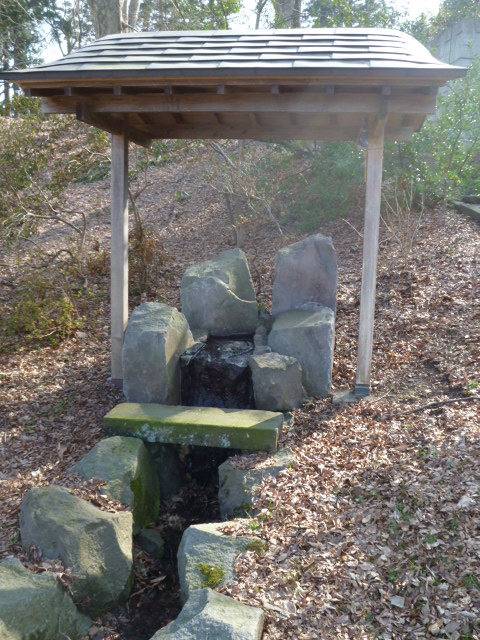
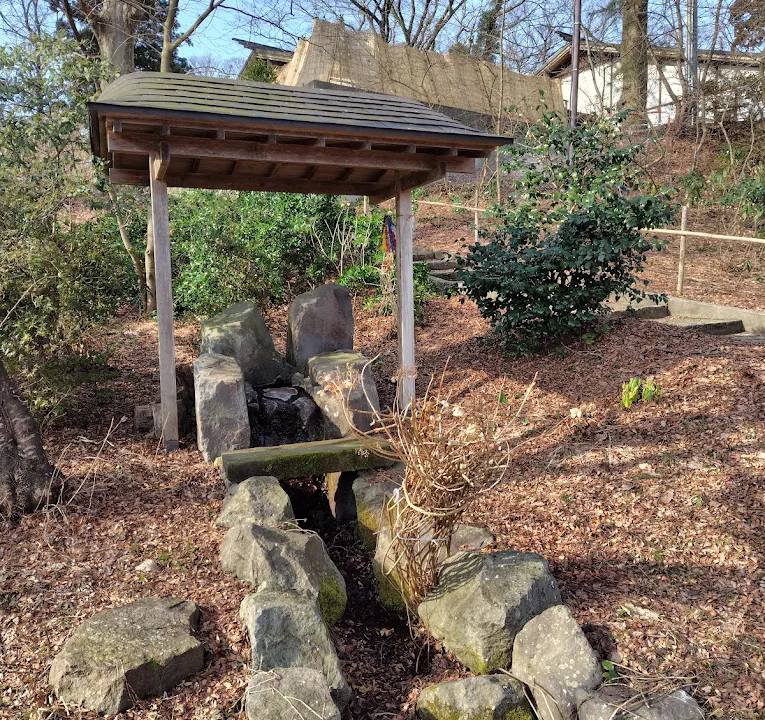
Akita Prefecture has many famous water spots, but among them, the spring water beside Hiyoshi Shrine is one that has been cherished by local people since ancient times. This sacred water, which wells up near the shrine grounds, has been both an object of faith and a precious source of water for daily life.
In this article, we provide detailed information about the spring water at Hiyoshi Shrine, including its historical background, water quality characteristics, spiritual benefits, and practical visiting methods.
History of Hiyoshi Shrine and the Spring Water
Origins of Hiyoshi Shrine
Multiple Hiyoshi Shrines exist throughout Akita Prefecture, but the one known for its spring water has been venerated since ancient times as the local tutelary deity. Most Hiyoshi Shrines were founded through invocation from Hiyoshi Taisha (Sanno Gongen) on Mount Hiei, and beliefs in mountain gods and water deities are deeply rooted.
History as Sacred Water
The water welling from near the shrine has long been treated as “sacred water.” It has been used not only for ritual purification at the shrine but also as drinking water and for daily household use by residents.
The very existence of the spring water is believed to be one reason why a shrine was built in this location. Since ancient times, places where clear water wells up have been considered sacred spaces and objects of veneration.
Characteristics and Water Quality of the Spring Water
Water Source and Spring Mechanism
The spring water at Hiyoshi Shrine results from rain and snow that fell on surrounding mountains being absorbed into the ground and filtered through geological layers over many years. It can be called a natural mineral water nurtured by Akita Prefecture’s abundant natural environment.
Water Quality Characteristics
The spring water generally has the following characteristics:
- Clarity: High transparency with almost no turbidity
- Coolness: Consistent water temperature year-round, cold (typically 10-15 degrees)
- Soft water: Most spring water in Akita is soft water with a smooth taste
- Minerals: Contains natural minerals from geological sources
Water Quality Management and Safety
When drinking spring water, attention to the following points is necessary:
- Verify whether regular water quality testing is conducted
- Boiling before consumption is recommended
- Avoid drinking after heavy rain when water appears turbid
- Use clean containers
Spiritual Benefits and Faith Associated with Sacred Water
Legendary Benefits
The sacred water of Hiyoshi Shrine is said to bring the following benefits:
- Health and longevity: The body is purified by drinking clear water
- Recovery from illness: Water infused with divine power is sought for healing
- Purification of misfortune: Purifying oneself with sacred water dispels ill fortune
- Good fortune and prosperity: Combined with shrine worship to pray for rising fortune
Worship and Methods of Using Spring Water
Standard etiquette for drawing sacred water:
- First worship at the shrine and greet the deity
- Approach the spring water with gratitude
- Keep the surroundings clean
- Take only what you need
- Take all trash with you and observe proper manners
Access Methods to Hiyoshi Shrine
Location Information
Since multiple Hiyoshi Shrines exist in Akita Prefecture, confirming the exact location before visiting is important. Main Hiyoshi Shrine locations:
- Hiyoshi Shrine in Akita City
- Hiyoshi Shrines throughout the prefecture (varies by municipality)
Transportation Access
Using public transportation:
- Use buses or taxis from the nearest station
- Get off at the bus stop nearest the shrine
- Confirm walking time in advance
Using a car:
- Enter the shrine name in navigation
- Confirm parking availability beforehand
- Exercise caution when driving on narrow roads
Notes When Visiting
- Visiting hours: Confirm the shrine’s visiting hours
- Season: Winter snow may worsen road conditions
- Clothing: Wear attire appropriate for shrine worship
- Items to bring: Water collection containers, towels, etc.
Methods of Using Spring Water and How to Use It
Use as Drinking Water
When using sacred water as drinking water:
- Drinking directly: As cold, delicious natural water
- Tea and coffee: Soft water is ideal for Japanese tea
- Cooking: Cooking rice, preparing broth, etc.
Other Uses
- Water for household shrine: As water to offer at a home altar
- Purification water: For ritual purification
- Watering plants: As water for treasured plants
Storage Methods
Points to note when storing collected spring water:
- Keep in a clean container and seal tightly
- Store in a cool dark place or refrigerator
- Use quickly (within 2-3 days recommended)
- Do not use if discoloration or strange odors appear
Nearby Attractions and Spots
Points of Interest on Shrine Grounds
When visiting Hiyoshi Shrine, view the following points in addition to the spring water:
- Main Hall: Appreciate the beauty of shrine architecture
- Shrine grounds trees: Ancient trees and sacred trees
- Stone monuments and lanterns: Stone structures that evoke history
- Seasonal flowers: Cherry blossoms in spring, autumn foliage, etc.
Nearby Tourist Attractions
Varies depending on the shrine’s location, but main tourist attractions in Akita Prefecture:
- Akita City: Senshi Park, Akita Civic Performing Arts Tradition Hall, etc.
- Hot springs: Nearby hot spring facilities
- Rest areas: Purchase local specialties
- Natural spots: Natural scenery of mountains and rivers
Akita’s Water Culture
Akita’s Water Environment
Akita Prefecture is blessed with abundant natural resources and plentiful high-quality water:
- Abundant precipitation: Especially winter snowfall
- Extensive forests: Function as water source conservation forests
- Clear streams: Clean rivers including the Omono River
- Spring water: Spring water spots scattered throughout the prefecture
Other Famous Water Spots
Besides Hiyoshi Shrine’s spring water, Akita Prefecture has many other famous water spots:
- Rokugo Spring Group (Misato Town): Japan’s Hundred Famous Waters
- Chikara Water (Senboku City): Spring water around Lake Tazawa
- Sacred water at various shrines: Throughout the prefecture
Manners When Visiting Spring Water
Basic Etiquette
Spring water is a precious local resource. Observe the following manners:
- Do not monopolize: Consider other users
- Maintain cleanliness: Do not pollute the surroundings
- Take only what you need: Do not draw excessive amounts
- Take trash with you: Environmental conservation consideration
- Be quiet: Be mindful that this is a sacred place
Environmental Conservation Considerations
To preserve spring water for future generations:
- Protection of water source: Cherish surrounding environment
- Local rules: Respect local customs and regulations
- Sense of gratitude: Appreciate nature’s blessings
Hiyoshi Shrine and Spring Water Through the Seasons
Spring (March-May)
- Season when water volume increases with snowmelt
- Shrine grounds cherry blossoms are beautiful (if present)
- Fresh green foliage and refreshing worship
Summer (June-August)
- Season when cold spring water is especially pleasant
- Lush green shrine grounds
- Remember hydration on hot days during worship
Autumn (September-November)
- Season of beautiful autumn foliage
- Clear skies for worship
- May have harvest festivals and other shrine events
Winter (December-February)
- Mystical atmosphere in snowy landscape
- Spring water does not freeze and can be drawn year-round
- Be careful of snow accumulation for access
- Take thorough cold weather precautions
Community Involvement
Community and Spring Water
The spring water at Hiyoshi Shrine is an important presence for the local community:
- Shared community resource: Jointly managed by residents
- Cleaning activities: Regular cleaning and maintenance
- Festivals: Relationship between shrine festivals and spring water
- Cultural transmission: Passing tradition to next generation
Value as a Tourist Resource
In recent years, spring water spots have gained attention as tourist attractions:
- Power spots: Popularity from a spiritual perspective
- Health consciousness: Growing interest in natural water
- Social media appeal: Beautiful natural scenery for photography
Scientific Aspects of Spring Water
Water Quality Analysis Items
Main items used to evaluate spring water quality:
- pH value: Degree of acidity, neutrality, or alkalinity
- Hardness: Content of calcium and magnesium
- Mineral components: Sodium, potassium, etc.
- General bacteria: Indicator of sanitary conditions
- Coliform bacteria: Determines safety for drinking
Relationship with Geology
Relationship between Akita’s geology and spring water:
- Volcanic geology: Water rich in minerals
- Sedimentary layers: Natural filtration system
- Faults: Relationship between spring emergence and geological structure
Enjoying a Journey Around Spring Water
Planning a Spring Water Tour
Points to consider when planning a journey around spring water spots in Akita Prefecture:
- Preliminary research: Gather information about each spring water location
- Route planning: Plan efficient travel routes
- Time allocation: Consider time spent at each location
- Equipment: Water collection containers, maps, camera, etc.
Keeping Records
Keeping records of your visit makes for a richer experience:
- Photography: Scenery of water locations and water sites
- Water quality notes: Record impressions of taste and temperature
- Visit journal: Record weather and seasonal impressions of the time
- Social media posts: Share information (while observing proper manners)
Future of Spring Water and Conservation Activities
Challenges and Measures
Challenges in protecting spring water:
- Water quality maintenance: Responding to environmental changes
- Water volume assurance: Impact of development and climate change
- User manners: Promoting awareness of proper usage methods
- Management system: Framework for ongoing management
Participating in Conservation Activities
Ways to contribute to spring water conservation:
- Cleaning activities: Participate in community cleaning events
- Proper use: Observe manners in usage
- Information sharing: Share accurate information
- Donations and support: Support shrine and community conservation activities
Voices from Actual Visitors
Local Residents’ Voices
“I’ve known this water since childhood. I still come regularly to draw water. Rice cooked with this water tastes delicious.” (Woman in 60s)
Tourists’ Voices
“I stopped by while traveling in Akita. I was moved to enjoy cold, delicious water in a quiet, sacred atmosphere.” (Man in 40s)
Worshippers’ Voices
“It’s my habit to receive sacred water along with shrine worship. I feel both physically and mentally purified.” (Woman in 50s)
Conclusion: The Charm of Hiyoshi Shrine’s Spring Water
The spring water at Hiyoshi Shrine is not merely a place to draw water, but a special place where the region’s history, faith, and culture are concentrated. Clear water has long supported people’s lives and served as a source of spiritual sustenance.
In the present day, its value remains unchanged. It is our responsibility to cherish this natural blessing of spring water and pass it on to future generations.
When visiting Akita, be sure to visit Hiyoshi Shrine’s spring water. The clear water enjoyed in a sacred atmosphere is surely an experience that will remain in your heart. And to protect this precious resource, make sure to observe proper manners in its use.
Spring water is a gift from nature and a treasure that our predecessors have protected. Approach it with gratitude and enjoy this blessing.