Complete Guide to Yanagikawa District Wetland Spring (Hadano City, Kanagawa Prefecture) | Access, Features, and Surrounding Information
What is Yanagikawa District Wetland Spring?
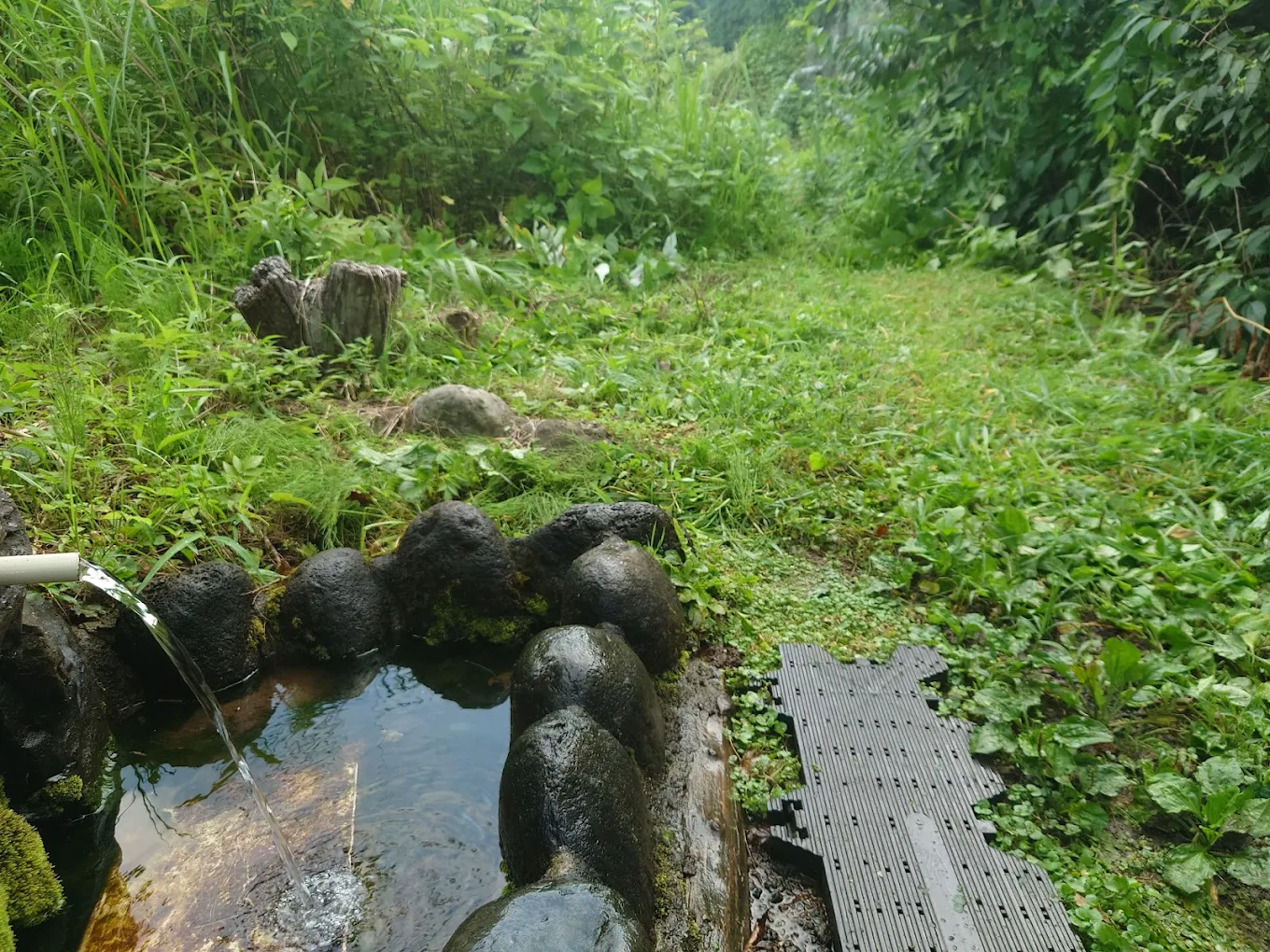
Yanagikawa District Wetland Spring is a precious spring water site located in the western part of Hadano City, Kanagawa Prefecture. Hadano City is the only basin-shaped topography in Kanagawa Prefecture, and due to its unique underground structure, it serves as a “natural water reservoir” storing approximately 750 million tons of groundwater. This abundant groundwater springs forth at various locations throughout the city, and Yanagikawa District Wetland Spring is one of the places blessed by this water.
Yanagikawa District is a region where satoyama (semi-natural grassland) environments are distinctly preserved. Centered around this spring water, a nature conservation area called the “Living Things’ Village” has been formed. The spring has a history of use by local residents since the Showa era and is currently carefully protected by local conservation activity organizations.
Hadano Basin Spring Group and Japan’s One Hundred Select Waters
Yanagikawa District Wetland Spring is part of the Hadano Basin Spring Group, which is included in the Ministry of the Environment’s “Heisei One Hundred Select Waters.” The Hadano Basin Spring Group includes, in addition to Yanagikawa District Wetland Spring, Shungaku Spring, Kobo’s Clear Water, Gomayadashiki Spring, Imaizumi Wetland Spring, and several other spring sites. Each possesses its own characteristics while forming Hadano’s rich water environment.
The groundwater basin of Hadano City is formed when abundant precipitation from the Tanzawa Mountains permeates underground and is stored by the geological structure unique to basins. Through this natural system, stable water volume and high-quality water are maintained throughout the year.
Features of Yanagikawa District Wetland Spring
Satoyama Environment and Ecosystem
The greatest feature of Yanagikawa District Wetland Spring is its integration with the surrounding satoyama environment. Around the spring pool, deciduous forests, rice paddies, and small streams remain, maintaining a precious ecosystem in which diverse organisms live.
This environment has been developed as the “Living Things’ Village,” where a wide range of aquatic creatures such as dragonflies, frogs, medaka fish, and fireflies can be observed, as well as wild birds and insects. Particularly from spring through summer, various organisms’ activities become active around the spring pool and its surroundings, making it utilized by many people as a place for nature observation and environmental learning.
Water Quality and Volume
The water at Yanagikawa District Wetland Spring is clear and pristine rainwater that fell on the Tanzawa Mountains and, over a long period, naturally filtered through underground. Hadano City regularly conducts water quality surveys at spring sites throughout the city, and Yanagikawa District Wetland Spring is among the survey targets.
The spring water temperature remains nearly constant throughout the year, feeling cold in summer and relatively warm in winter. This stable water temperature provides a comfortable habitat for aquatic organisms. Water volume fluctuates seasonally; however, supported by the abundant groundwater of the Hadano Basin, a certain flow rate is maintained even during dry periods.
Historical Background
In Yanagikawa District, since the Showa era, spring water has been used by local residents as domestic water. Beyond agricultural use, it was cherished as an essential water source for daily life, including drinking water, washing, and other household needs.
In recent years, direct usage has declined due to changes in lifestyle, but the spring is now recognized with new value as a precious regional natural resource and as a place for environmental education. Local conservation activity organizations have taken the lead in conducting continuous cleaning of the spring pool, surrounding environmental improvements, and ecosystem protection activities, with efforts progressing to pass this precious natural environment on to future generations.
Access Information
Location
Address: Yanagikawa, Hadano City, Kanagawa Prefecture
Yanagikawa District is located in the western part of Hadano City, somewhat distant from the urban area. The surrounding area is a mixed landscape of residential areas and farmland, with satoyama scenery preserved.
Access by Public Transportation
Unfortunately, direct public transportation access to Yanagikawa District Wetland Spring is difficult. The nearest railway station is Hadano Station on the Odakyu Odawara Line, but the distance from the station to the spring pool is considerable.
Access from Hadano Station:
- It is possible to use buses from Hadano Station’s North Exit heading toward the Yanagikawa area, but since buses do not operate directly to the immediate vicinity of the spring pool, walking from the bus stop is necessary
- Taxi use is also an option
When using public transportation, it is recommended to check bus schedules in advance and plan your trip accounting for walking time.
Access by Automobile
When visiting Yanagikawa District Wetland Spring, automobile access is most convenient.
Access from Major Roads:
- Approximately 15-20 minutes from the Hadano-Nakai IC of the Tomei Expressway
- Approximately 15 minutes from the Hadano IC of the Odawara-Atsugi Expressway
- Accessible via prefectural roads from Route 246
Parking Information:
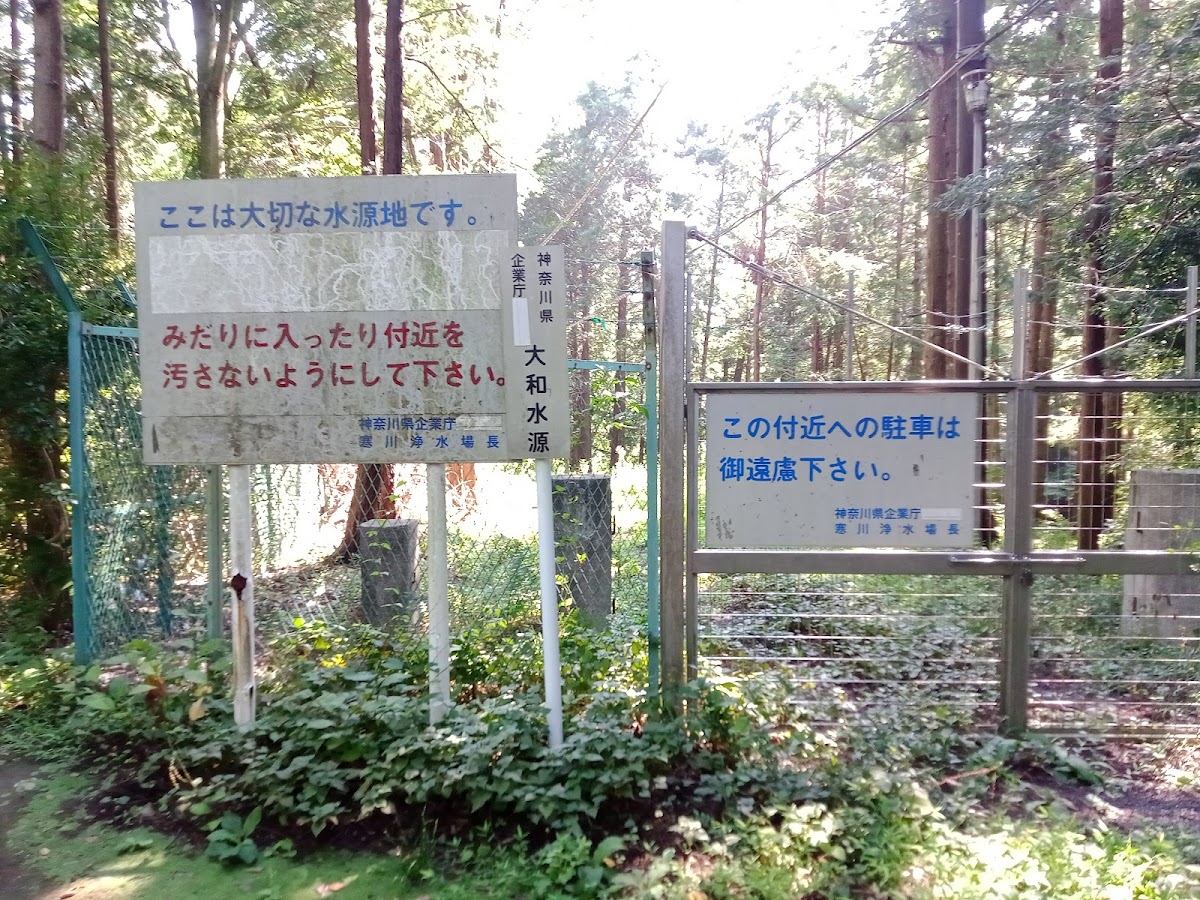
There is no large dedicated parking lot in the area around Yanagikawa District Wetland Spring. When visiting, consideration must be given to avoid inconveniencing local residents. On-street parking should be avoided, and if possible, consider using public parking in Hadano City and accessing by foot or rental bicycle.
Search by Navigation and Map Applications
When searching by car navigation or map applications, searching with keywords such as “Hadano City Yanagikawa” or “Yanagikawa District Living Things’ Village” allows you to identify the approximate location. However, since the spring pool itself may not be registered as a pinpoint location, it is recommended to check detailed maps in advance.
Precautions During Your Visit
Visitor Etiquette
Yanagikawa District Wetland Spring is a precious natural resource in the region where conservation activities are conducted. When visiting, please note the following:
Basic Etiquette:
- Always take your trash with you
- Do not collect plants or organisms
- Do not shout or make excessive noise
- Do not trespass on private property
- Do not pollute the spring pool or surrounding environment
- Be considerate so as not to interfere with conservation activities
Regarding Water Collection
Water collection at Yanagikawa District Wetland Spring may have restrictions depending on local conservation activities and management status. Large-scale water collection could potentially impact spring water volume and surrounding environment, so restraint is recommended.
If collection is for drinking purposes, proper treatment such as boiling is essential. Even spring water can experience changes in water quality due to environmental changes or animal influences. The water quality survey results implemented by Hadano City should also be referenced.
Suitable Seasons and Times to Visit
Yanagikawa District Wetland Spring is visitable year-round, but each season offers different attractions.
Spring (March–May):
- Beautiful fresh greenery and bird songs
- Beginning of activity of aquatic organisms
- Relatively comfortable climate
Summer (June–August):
- Peak activity period for organisms
- Many insects such as dragonflies and butterflies visible
- Refreshing coolness of spring water
- Daytime heat makes early morning and evening visits recommended
Autumn (September–November):
- Beautiful autumn foliage period
- Comfortable climate ideal for walking
- Enjoyable autumn organism observation
Winter (December–February):
- Quiet and serene atmosphere
- Observation of winter birds possible
- Warmth of spring water felt
- Cold-weather clothing necessary
Regarding time of day, early morning and evening are suitable for nature observation as organism activity is active. However, since the surrounding area is also residential, early morning or nighttime visits require consideration for nearby neighbors.
Nearby Spring Sites and Tourist Attractions
Other Spring Sites in Hadano City
When visiting Yanagikawa District Wetland Spring, it is recommended to tour other spring sites in Hadano City as well.
Shungaku Spring:
One of the representative springs of the Hadano Basin Spring Group, characterized by abundant water volume and beautiful scenery. It is a popular spring site that many people visit to collect water.
Kobo’s Clear Water:
A historic spring associated with legends of Kobo Daishi. It is cherished as an object of local faith.
Imaizumi Wetland Spring:
A spring pool within a residential area carefully preserved by local residents. One of the spring sites with relatively easy access.
Gomayadashiki Water:
A spring with historical background, said to have been used by mountain ascetics in the past.
Tourist Attractions in Hadano City
Hadano-Togawa Park:
A vast park overlooking the Tanzawa Mountains, featuring barbecue areas, play equipment, and a wind suspension bridge, popular with families.
Kobo Mountain Park:
Known as a cherry blossom viewing spot, it is crowded with many visitors during spring. Hiking courses are well-maintained, offering views of the Tanzawa Mountains.
Hadano City Tsurumaki Hot Springs:
Hadano City also has hot spring facilities, making it recommended to relax at a hot spring after touring the springs.
Front Tanzawa:
For those wishing to enjoy serious mountain climbing, the mountains of Front Tanzawa are recommended. Mountains including Tono Peak and Oyama form some of the Kanto region’s representative peaks.
Hadano City Local Products
When visiting Hadano City, be sure to check out local specialties.
Hadano Peanuts:
Hadano City is known as a peanut production area, with fresh peanuts and processed products available for sale.
Tanzawa Buckwheat Noodles:
Buckwheat noodles made with Hadano’s clear water are exquisite. Many buckwheat noodle shops operate throughout the city.
Hadano Local Sake:
Japanese sake produced using Hadano’s famous water is also manufactured and is popular as a souvenir.
Conservation Activities and Regional Initiatives
Living Things’ Village Conservation Activities
At Yanagikawa District Wetland Spring and the surrounding “Living Things’ Village,” conservation activities are continuously conducted by local residents and volunteer organizations.
Main Activities:
- Cleaning activities of spring pools and waterways
- Removal of invasive species and protection of native species
- Vegetation management and satoyama environment maintenance
- Biological surveys and monitoring
- Implementation of environmental education programs
- Installation and management of guide signs and informational displays
These activities are indispensable for passing the region’s natural environment to future generations. Those interested can contact Hadano City or local environmental conservation organizations to participate in activities.
Hadano City Water Environment Conservation Policy
Hadano City promotes water environment conservation throughout the city as “Famous Waters of Hadano.”
Main Initiatives:
- Groundwater recharge projects (promoting installation of rainwater infiltration boxes, etc.)
- Regular water quality surveys at spring sites
- Forest conservation in water source areas
- Public awareness activities
- Creation and distribution of spring maps
- Provision of environmental learning programs
Hadano City Hall’s Environmental Conservation Division accepts inquiries and consultations regarding spring sites in the city. Detailed information about spring sites and the latest water quality survey results can be confirmed on the city’s website.
Environmental Education Venue
Yanagikawa District Wetland Spring is also utilized as a venue for school education and lifelong learning. Local elementary and junior high schools implement programs in which students visit the spring pool during integrated study periods to learn about water environments and ecosystems.
Additionally, nature observation meetings and environmental seminars for citizens are regularly held, allowing participants to learn about the mechanisms of springs and biodiversity while listening to expert commentary.
Spring Water and Regional Culture
History of Water and Daily Life
In the Hadano Basin, spring water has long been deeply connected with people’s lives. Beyond agricultural use, spring water has been utilized for drinking water, laundry, and food refrigeration, with a history of being cherished for various purposes.
Until around the 1960s, “washing places” were established at various spring sites, where local women gathered to do laundry while exchanging information. Such waterside communities played important roles in strengthening regional bonds.
Beliefs and Legends Related to Water
At many spring sites in Hadano City, small shrines dedicated to water deities are established. Water, as a source of life, has been an object of faith since ancient times.
Each spring site retains its own history and legends, such as the tale that Kobo Daishi struck his staff to bring forth water, or locations where rain-seeking ceremonies were conducted during droughts. These cultural aspects are another important value of spring sites.
Modern Value of Spring Water
In contemporary society, spring water holds new dimensions of value.
From an Ecosystem Conservation Perspective:
Springs play an important role in biodiversity conservation as habitats for diverse organisms.
From an Environmental Education Perspective:
As urbanization progresses, they provide precious opportunities to connect with nature and learn about the environment.
From a Regional Identity Perspective:
Springs symbolize regional character and history, serving as sources of affection and pride for communities.
From a Disaster Prevention Perspective:
The existence of springs contributes to improved regional disaster prevention capacity as precious water sources during disasters.
From a Tourist Resource Perspective:
Many people visit seeking famous waters, and the value of springs as tourism resources continues to increase.
Photography Tips
Many visitors to Yanagikawa District Wetland Spring wish to capture the beautiful scenery in photographs. Here are some photography tips.
Seasonal Photography Points
Spring:
The contrast between fresh greenery and spring water is beautiful during this season. Aiming for how morning light transmits through trees or fresh green foliage reflected on the water surface is recommended.
Summer:
With peak organism activity, this period allows macro photography of dragonflies and aquatic insects. Photography emphasizing water’s transparency is also effective.
Autumn:
The combination of autumn foliage and spring water creates a spectacular landscape. Fallen leaves floating on the water surface also provides a picturesque scene.
Winter:
Days with frost or ice visible allow capture of fantastical photographs. Steam-like mist rising from spring water is a uniquely winter phenomenon.
Photography Precautions
- Be careful not to harm organisms or plants
- When using tripods, select locations that do not obstruct passage
- Do not trespass on private property
- Show consideration for surrounding residents’ privacy
- Avoid interfering with conservation activities
Significance of Visiting Yanagikawa District Wetland Spring
Visiting Yanagikawa District Wetland Spring has significance beyond mere tourism.
Learning Natural Mechanisms:
Understanding how spring water is formed and why the Hadano Basin possesses abundant groundwater deepens comprehension of natural systems.
Realizing Importance of Biodiversity:
Observing diverse organisms inhabiting the spring pool and surroundings allows realization of ecosystem richness and fragility.
Touching Regional History and Culture:
Learning about relationships between spring water and people’s lives deepens understanding of regional history and culture.
Considering Conservation Importance:
Visiting such precious natural environments prompts consideration of what is necessary to protect them and what individuals can do.
Obtaining Spiritual Healing:
Experiencing clear flowing water, abundant greenery, and organisms’ activities provides healing time away from daily commotion.
Conclusion
Yanagikawa District Wetland Spring is a precious spring site located in the western part of Hadano City, Kanagawa Prefecture, beloved as the “Living Things’ Village” in the region. Due to the unique geological structure of the Hadano Basin, abundant groundwater springs forth, and integrated with the satoyama environment, nurtures a diverse ecosystem.
While public transportation access is difficult, automobile access is relatively convenient. During visits, consideration for local conservation activities and adherence to basic etiquette is important.
Yanagikawa District Wetland Spring is one of the Hadano Basin Spring Group included in the Ministry of the Environment’s “Heisei One Hundred Select Waters,” symbolizing Hadano City’s rich water environment. Many other spring sites exist in the surrounding area, each possessing distinct characteristics.
Conservation activities are continuously conducted by local residents and volunteer organizations, with efforts progressing to pass this precious natural environment to future generations. Visitors are also expected to participate in environmental conservation with awareness of valuing spring sites.
When visiting Hadano City, tour spring sites including Yanagikawa District Wetland Spring and experience clear water’s blessings and rich natural environment. There, one discovers approaches to coexistence with nature that modern society is losing and regional history and culture still thriving.