Kame-no-Izumi (Zushi City, Kanagawa): A Complete Guide to This Historic Spring Water Spot’s Charm and Surrounding Information
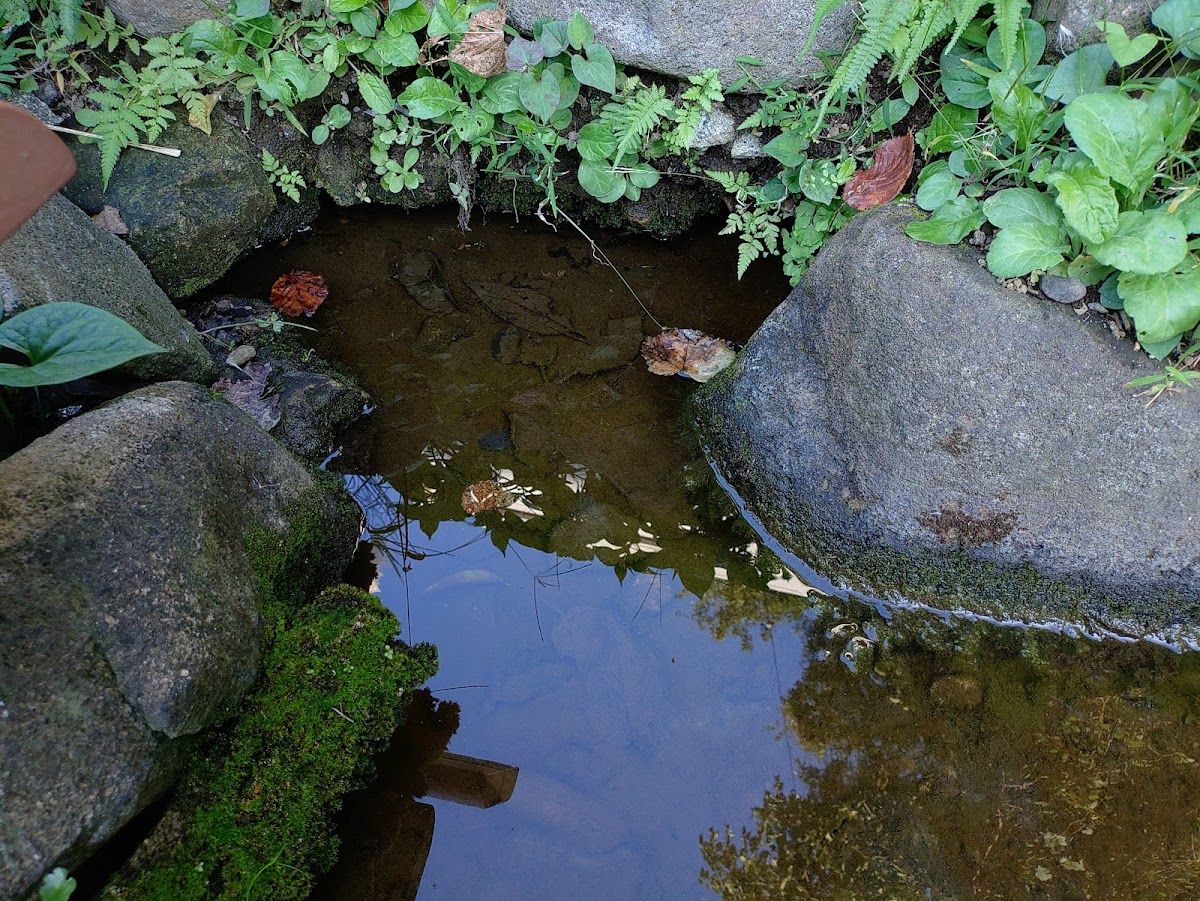
“Kame-no-Izumi,” a natural spring that continues to flow quietly in the Kotsubo district of Zushi City, Kanagawa Prefecture, is a precious spring water spot deeply connected to the area’s history. Despite its proximity to the city center, this location maintains rich natural surroundings and clear water. This guide provides detailed information from its origins to its current state and nearby attractions.
What is Kame-no-Izumi: Historic Spring Water Welling in Kotsubo, Zushi
Kame-no-Izumi is a natural spring located below the plateau in the Kotsubo district of Zushi City, Kanagawa Prefecture. The Kotsubo Fishing Port facing Kotsubo Bay has been the center of a fishing village since ancient times and has long been cherished as one of the important water sources supporting life in this region.
Geographic Features and Location
The Kotsubo district is characterized by a plateau-like terrain surrounding valleys that cut into Kotsubo Bay. After World War II, residential development progressed on this plateau, but nature remains in the valley areas below the plateau, where groundwater welling up appears at the surface as Kame-no-Izumi.
Zushi City, facing Sagami Bay, is located at the base of the Miura Peninsula, with hills behind it. This topography creates a natural system that stores groundwater and produces spring water.
Historic Connection Between Kotsubo Fishing Port and Kame-no-Izumi
Kotsubo Fishing Port is a historic port continuing since the Kamakura period, and played an important role as a supplier of seafood to Edo during the Edo period. In the Kotsubo district, which developed as a fishing village, clear spring water was a precious resource used as domestic water and for fishing-related work.
There are various theories about the origin of the name “Kame-no-Izumi,” but it has long been known locally by this name, and one can sense the history of its close connection to the lives of local people.
Water Quality and Characteristics of Kame-no-Izumi
Understanding water quality is important in appreciating the value of spring water.
Water Quality Survey Results
According to spring water surveys in Kanagawa Prefecture, Kame-no-Izumi is a typical spring welling from below a plateau, showing water quality characteristics influenced by the surrounding geology and vegetation. The spring water volume fluctuates with seasons and rainfall, but continues to flow throughout the year without drying up.
Generally, spring water in this area is groundwater that has passed through the strata along the Sagami Bay coast, containing minerals while tending to be relatively soft water. Water temperature is stable throughout the year, cold in summer and relatively warm in winter, which is characteristic of spring water.
Surrounding Environment and Water Source Conservation
The surrounding environment is crucial in maintaining Kame-no-Izumi’s water quality. Even as residential development progresses on the plateau today, greenery remains in the valley areas, functioning as a natural filtration system.
In recent years, concerns about reduced spring water volume and water quality changes have arisen due to urbanization, but through conservation activities by local residents and the municipal government, Kame-no-Izumi continues to be maintained as a precious spring water spot.
How to Access Kame-no-Izumi
Here is access information for visiting Kame-no-Izumi.
Access by Public Transportation
Using trains and buses:
- Get off at “Zushi Station” on the JR Yokosuka Line or “Zushi-Hayama Station” on the Keikyu Zushi Line
- Board the Keikyu Bus “Kamakura Station via Kotsubo” or “Kotsubo Kaigan” (Kotsubo Seashore)
- Get off at “Kotsubo” bus stop, approximately 5-10 minutes on foot
The Kotsubo district is a mixed area of residential neighborhoods and fishing ports with many narrow alleys, so it’s recommended to confirm the location on a map in advance.
Access by Car
Using a car:
- Approximately 15 minutes from “Zushi IC” on the Yokohama-Yokosuka Expressway
- Using National Route 134 (Shonan Road) toward Kotsubo
The Kotsubo district has narrow roads and limited parking spaces, so public transportation is recommended. If you must visit by car, use nearby paid parking lots and proceed on foot.
Precautions When Visiting
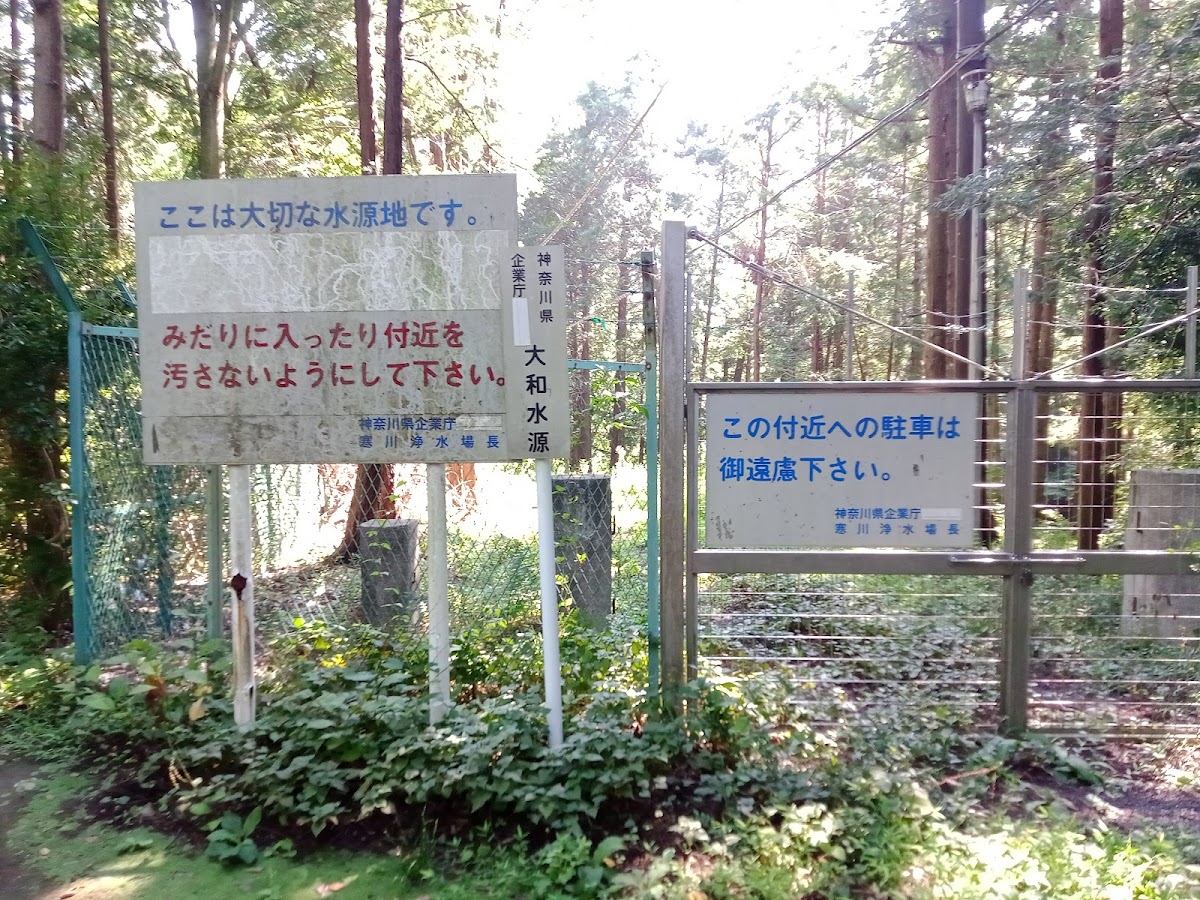
Kame-no-Izumi is located in a residential area within the living space of local residents. Please note the following when visiting:
- Do not make noise
- Always take trash home
- Do not trespass on private property
- Do not pollute the spring water
- Do not park on the street
Remember that the spring water spot is maintained through the understanding and cooperation of local residents, and visit while observing proper etiquette.
Attractions and Sightseeing Spots Around Kame-no-Izumi
When visiting Kame-no-Izumi, consider extending your trip to nearby attractions.
Kotsubo Fishing Port and Coastal Area
Kotsubo Fishing Port:
At Kotsubo Fishing Port, where the atmosphere of the old fishing port remains, you can find shops and restaurants handling fresh seafood and enjoy local marine products. You may also see fishing boats departing and returning early in the morning, catching a glimpse of fishing village life.
Kotsubo Seashore:
A quiet beach facing Kotsubo Bay where you can enjoy views of Sagami Bay. On clear days when Mount Fuji is visible, spectacular scenery unfolds, making it a popular photography spot.
Access to the Kamakura Area
The Kotsubo district is located at the border with Kamakura City and is conveniently close to Kamakura’s sightseeing spots.
Zaimokuzaka Beach:
Within walking distance from Kotsubo, Zaimokuzaka Beach is suitable for swimming in summer and scenic walks during other seasons.
Komyoji Temple:
A major temple of the Pure Land sect in Zaimokuzaka, known for its spacious grounds and impressive gate.
Historic Kamakura:
About 15 minutes by bus or car from Kotsubo, you can access Kamakura’s central areas including Tsurugaoka Hachimangu Shrine and Komachi Street.
Sightseeing Spots in Zushi City
Hiratsuka Park:
A park on an elevated area of Zushi City offering panoramic views of Sagami Bay, Enoshima Island, and Mount Fuji. A small animal zoo is also located here, popular with families.
Zushi Beach (Zushi Swimming Beach):
Zushi Beach is crowded with swimmers in summer. The shallow, calm waters make it suitable for families.
Zushi Marina:
Known as a luxury resort facility, Zushi Marina offers restaurants and shopping.
Other Spring Water Spots in Kanagawa Prefecture
Spring water spots like Kame-no-Izumi exist at multiple locations throughout Kanagawa Prefecture. For those interested in visiting springs, here are other spots.
Spring Water in Kamakura
Zeniarai Benten-do (Ugafuku Shrine):
A representative spring water spot in Kamakura with water welling from a cave within the grounds. It’s believed that washing money in this water brings good fortune.
Joji Temple Spring Water:
The grounds of Joji Temple in Kita-Kamakura also have clear spring water, enjoyable alongside the tranquil atmosphere of the Zen temple.
Hot Springs and Spring Water in the Hakone Area
The Hakone area in western Kanagawa is blessed with many hot springs and spring water due to volcanic geology. Hakone is home to “Kame-no-Yu,” a natural bath house using the source spring of Ninohira Hot Spring, loved as a traditional communal bath (separate from Kame-no-Izumi).
Spring Water Group in the Hadano Basin
Hadano City has multiple springs selected as “50 Famous Waters of Kanagawa” and is an area blessed with abundant groundwater despite having a river called “Mizunashi-gawa” (literally “waterless river”). Kobo-no-Shimizu and Imaizumi Spring Pond are well-known examples.
Efforts to Protect Spring Water and Environmental Conservation
Ongoing conservation activities are essential to pass on precious spring water like Kame-no-Izumi to future generations.
Community Conservation Activities
Zushi City works with citizen groups and the municipal government to conserve spring water. Through regular water quality surveys, cleaning activities around spring water areas, and creation of spring water maps, efforts continue to share the value of spring water within the community and heighten conservation awareness.
What Visitors Can Do
There are things we visitors can do when visiting spring water spots:
- Don’t leave trash, take everything home: Keep the spring water area clean
- Don’t pollute the water: Don’t soak dirty items or use detergent in the water
- Don’t damage vegetation: Surrounding plants are important for protecting the spring water
- Follow local rules: Do not enter restricted areas
- Share information: Communicate the value of spring water to others
Urbanization and Spring Water Conservation Challenges
Kanagawa Prefecture is densely populated, and many spring water sites have been lost due to urbanization. The areas where water infiltrates underground (recharge zones) are shrinking, and reduced or dried-up spring water has been reported throughout the region.
To protect spring water in the Kotsubo area, including Kame-no-Izumi, comprehensive groundwater conservation measures are needed, such as preserving greenery on plateaus, adopting permeable pavement, and installing rainwater infiltration facilities.
Cultural and Historical Value of Spring Water
Spring water is not merely a water source but a precious entity conveying the culture and history of a region.
Connection with Daily Life
From the Edo period through the early Showa period, spring water was used for multiple purposes—drinking water, laundry, and agricultural water—and was a central presence in the community. As the phrase “well-side chat” suggests, water drawing places were sites for information exchange and social interaction.
In the Kotsubo district too, spring water including Kame-no-Izumi supported fishing village life and served as gathering places for people.
Connection with Belief Systems
Spring water throughout Japan is often connected with beliefs related to water, such as water deity worship or Benzaiten (goddess of water) worship. Clear water has been revered as a source of life and a symbol of purification.
Around Kame-no-Izumi, local beliefs and traditions may remain, and understanding such cultural backgrounds allows deeper appreciation of the spring’s value.
Kame-no-Izumi’s Appeal Through the Seasons
Kame-no-Izumi presents different appearances throughout the year.
Spring (March-May)
Plants bud and fresh green foliage is beautiful during this season. Around the spring, spring wildflowers bloom and bird songs are heard. The mild temperature makes it ideal for walks.
Summer (June-August)
The coldness of the spring water feels pleasant during this season. Amid the summer heat, the area around the spring is cool, becoming a healing space away from urban hustle. However, insects like mosquitoes are more prevalent, so insect repellent is recommended.
Autumn (September-November)
Trees on the plateau begin to change color, and fall foliage becomes visible. The air becomes clearer with more days when Mount Fuji is visible, and views from Kotsubo Seashore are exceptional. The comfortable climate is ideal for observing the spring carefully.
Winter (December-February)
Since the spring maintains stable water temperature year-round, it feels relatively warm even in winter. While surrounding plants are withered, the spring’s presence stands out more. On clear winter days, you can enjoy spectacular views of Mount Fuji in clean air.
Recommended Itineraries for Visiting Kame-no-Izumi
Here are suggested half-day to full-day touring plans centered on Kame-no-Izumi.
Half-Day Course (Morning)
- 9:00 Arrival at Zushi Station, bus to Kotsubo
- 9:30 View Kame-no-Izumi (30 minutes)
- 10:00 Stroll Kotsubo Fishing Port, view morning market (30 minutes)
- 10:30 Rest at Kotsubo Seashore while enjoying the ocean (30 minutes)
- 11:00 Fresh seafood lunch at a local restaurant
- 12:30 Return to Zushi Station by bus
Full-Day Course (Combined with Kamakura Sightseeing)
- 9:00 Arrival at Kamakura Station
- 9:30 Kamakura historic district sightseeing (Tsurugaoka Hachimangu Shrine, Komachi Street, etc.)
- 12:00 Lunch in Kamakura
- 13:30 Travel to Kotsubo by bus or taxi
- 14:00 View Kame-no-Izumi
- 14:30 Explore Kotsubo Fishing Port and seashore
- 15:30 Head toward Kamakura Station via Zaimokuzaka Beach
- 16:00 Visit Komyoji Temple
- 17:00 Arrive at Kamakura Station, head home
Dining Information Around the Area
Here are eateries in the Kotsubo district and surrounding areas.
Around Kotsubo Fishing Port
Various restaurants and eateries near Kotsubo Fishing Port offer fresh seafood. Dishes using fish just landed locally, such as sashimi sets, are excellent. You can enjoy seasonal fish like mackerel, sardines, and other white fish in particular.
Zushi and Kamakura Area
Around Zushi Station and in Kamakura, there are diverse dining options including seafood restaurants, Italian cuisine, and cafes. Many restaurants offer meals with ocean views, enjoyable alongside sightseeing.
Some establishments serve dishes prepared with local well water, providing an experience of appreciating the blessings of water.
Photography Tips
Here are hints for taking beautiful photographs at Kame-no-Izumi and surrounding areas.
Photography of Spring Water
- Soft light at early morning or evening: Rather than strong midday sunlight, angled light at dawn and dusk brings out water’s transparency
- Close-up of water flow: Photographing the movement of welling water with slow shutter speed creates ethereal photos
- Include surrounding greenery: Including surrounding vegetation along with the spring conveys the beauty of the entire environment
Mount Fuji from Kotsubo Seashore
On clear days, especially in winter, Mount Fuji can be seen from Kotsubo Seashore. At dawn or dusk, beautiful photos can be taken of the Mount Fuji silhouette contrasting with the sea.
Observe Etiquette in Photography
When photographing in residential areas, be considerate of residents’ privacy, avoid entering private property without permission, and ensure faces don’t appear in photos.
Conclusion: The Value of Kame-no-Izumi and Passing It to Future Generations
Kame-no-Izumi in Zushi City, Kanagawa Prefecture, is a precious spring water spot that continues to flow even as urbanization progresses. This spring water, which has long supported the region’s life, can be said to be not merely a tourist spot but an existence where the region’s history, culture, and natural environment are concentrated.
By visiting the beautiful Kotsubo district facing Sagami Bay and touching the clear water of Kame-no-Izumi, you can forget the hustle and bustle of the city and spend time appreciating nature’s blessings.
To leave spring water for future generations, individual consideration for the environment and conservation awareness are essential. When visiting, observe proper etiquette and help pass on this precious natural heritage to the next generation.
Kanagawa Prefecture has many other spring water spots besides Kame-no-Izumi. Why not enjoy a tour of spring waters while learning about each spring’s individuality and history and appreciating water’s blessings?