Complete Guide to Dohokugawa Park Spring Water (Kanagawa Prefecture, Sagamihara City): Access, Water Quality, and Nature Observation Information
The spring water at Dohokugawa Park in Chuo Ward, Sagamihara City, Kanagawa Prefecture, is known as a precious water source that maintains a rich natural environment despite being in an urban area. This spring water, surrounded by the greenery of the Yokoyama Hills, serves as the source of the Dohokugawa River and plays an important role in supporting the region’s ecosystem. This article provides detailed explanations of the characteristics of Dohokugawa Park Spring Water, the park’s attractions, access methods, and nearby famous water spots.
What is Dohokugawa Park Spring Water?
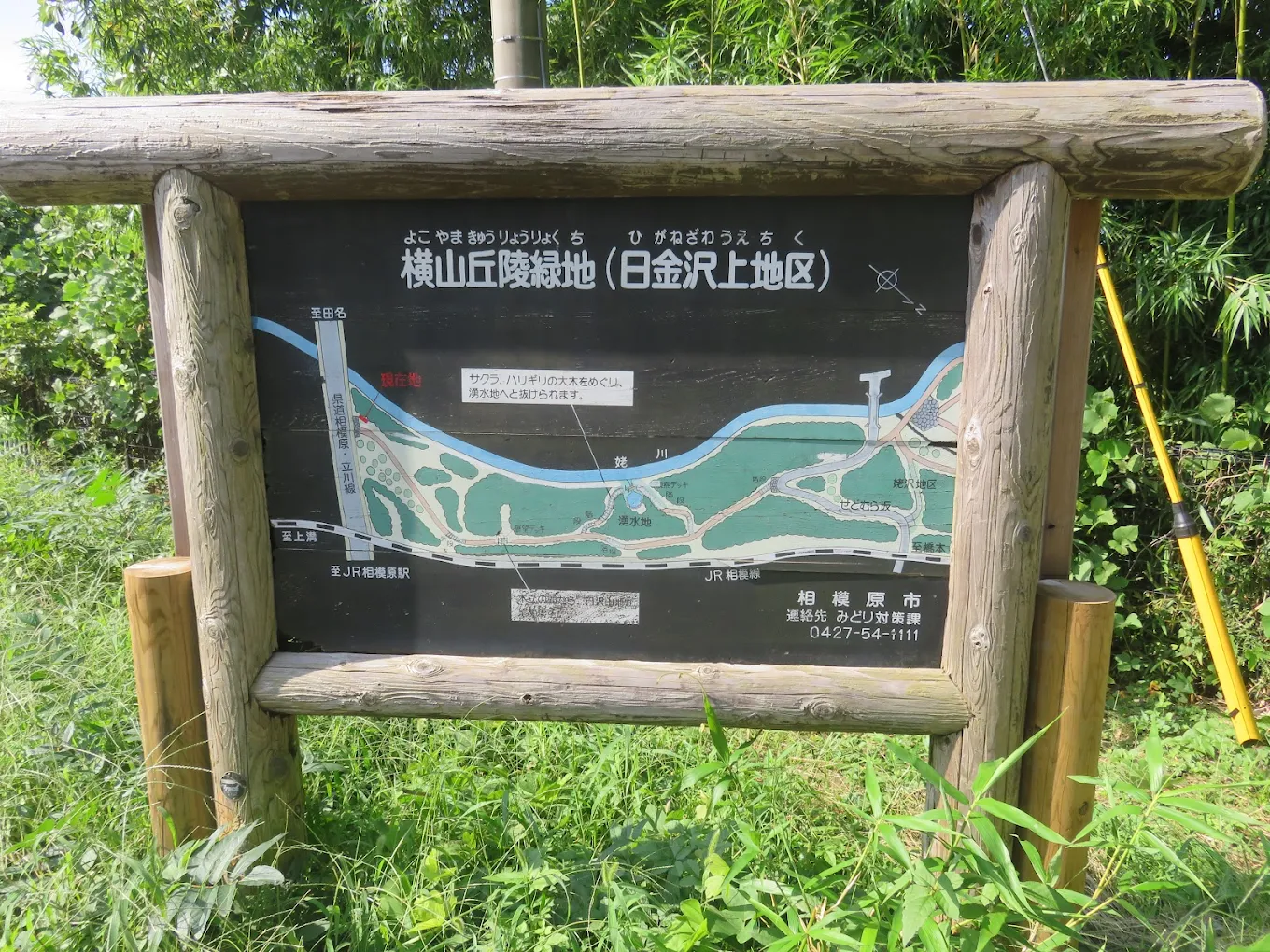
Dohokugawa Park Spring Water is a natural spring that emerges from within Dohokugawa Park in Kamimizo, Chuo Ward, Sagamihara City, Kanagawa Prefecture. This spring water is one of the main water sources of the Dohokugawa River and, along with multiple spring points scattered along the Dohokugawa, maintains the river’s water volume.
Historical Background of the Spring Water
Dohokugawa Park is located in the Sagami Yokoyama and Sagami River Vicinity Specially Designated Conservation District and the Metropolitan Fringe Green Space Conservation District. It has functioned as an important water source for the region since ancient times. Even as urbanization has progressed, the spring water in this area has continued to be preserved and currently maintains a considerable volume of water. However, since quantitative surveys have not been conducted, the exact discharge volume remains unclear.
Composition of Water Source
The water source of the Dohokugawa River is composed of the following elements:
- Natural Spring Water: Groundwater that naturally emerges from within and around Dohokugawa Park
- Environmental Water: Water diverted using groundwater for environmental conservation purposes
- Streamside Spring Water: Multiple spring points scattered along the Dohokugawa River
These water sources combine to allow the Dohokugawa to maintain a consistent water volume throughout the year and preserve a rich waterside environment.
Features and Attractions of Dohokugawa Park
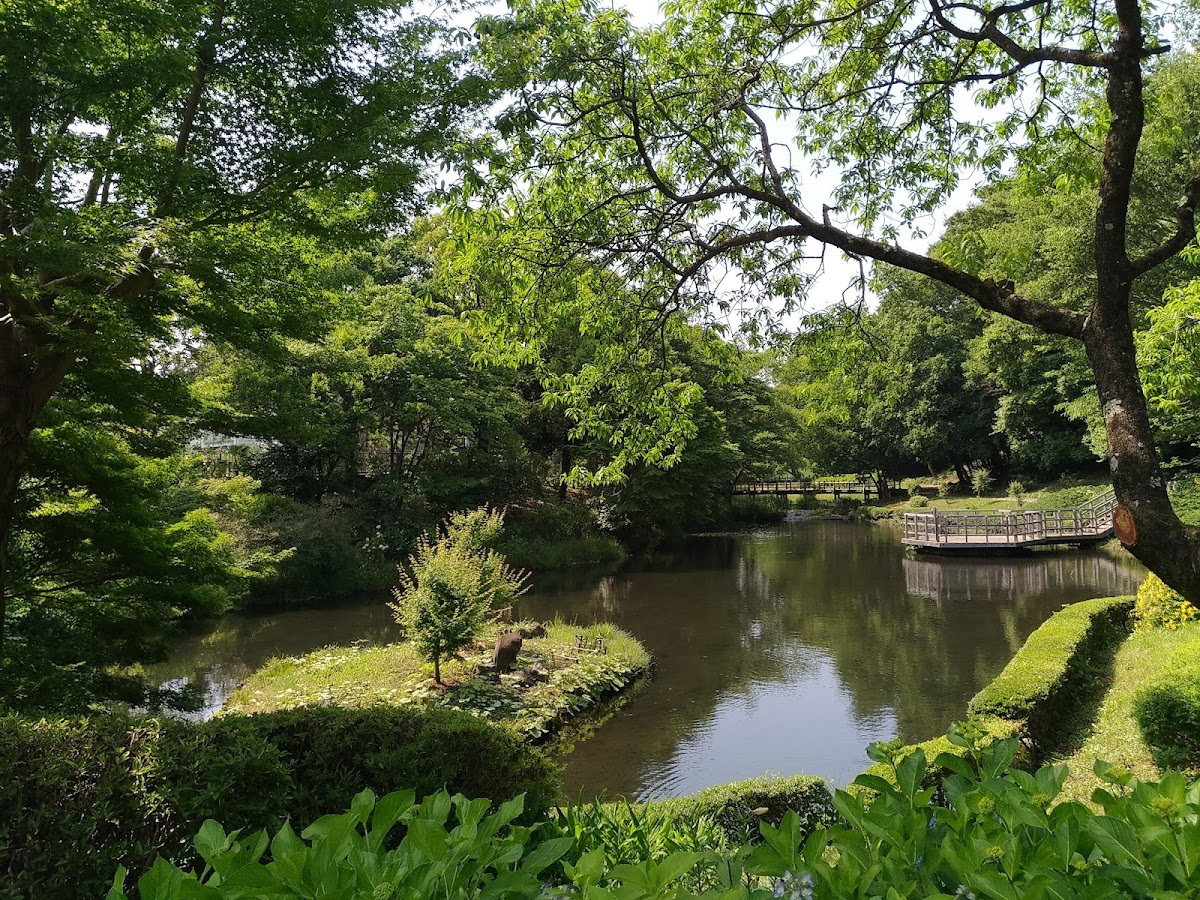
Dohokugawa Park is developed as a scenic park where water and greenery are integrated, centered on spring water. It conserves the natural environment as an urban green space while serving as a place of relaxation, environmental learning, and outdoor education for citizens.
Basic Information about the Park
- Location: Kamimizo, Chuo Ward, Sagamihara City, Kanagawa Prefecture
- Park Type: Scenic Park
- Characteristics: Water source conservation of the Dohokugawa River and natural environment protection of the Yokoyama Hills
- Main Uses: Nature observation, environmental learning, outdoor education, recreation
Waterside Natural Environment
A small stream created by water flowing from springs runs through Dohokugawa Park, serving as a habitat for diverse aquatic plants and waterside creatures.
Observable Plants:
- Water parsnip
- Cattail
- Reed
- Water lily
- Fringed iris
- Japanese sweet flag
Observable Creatures:
- Loach
- Freshwater crab
- Japanese dace
- Frogs
- Freshwater snail
- Dragonflies
- Butterflies
These animals and plants can only inhabit this area because of the clean water environment maintained by the spring water, which serves as evidence that Dohokugawa Park’s spring water maintains good water quality.
Value as a Bird Watching Spot
Dohokugawa Park is also known as a famous bird watching location. The combination of a waterside environment created by spring water and surrounding woodland vegetation attracts a diverse range of birds.
Main Observable Birds:
- Duck species (winter)
- Heron species
- Kingfisher
- Wagtail species
- White-eye
- Great tit
- Varied tit
An observation hut is installed within the park, providing an environment for quiet bird observation. Early morning is particularly active for birds, making it the optimal time for birdwatching.
Access to Dohokugawa Park Spring Water
Dohokugawa Park is located near Sagamihara City’s urban area while maintaining a rich natural environment. It is accessible by both public transportation and private vehicle.
Access by Public Transportation
Using Train and Bus:
- Approximately 15-20 minute walk from Kamimizo Station on the JR Sagami Line
- Bus access is also available from Sagamihara Station on the JR Yokohama Line
Access by Private Vehicle
- Accessible from National Route 16
- It is recommended to confirm parking availability beforehand
Notes When Visiting
Since Dohokugawa Park is a park designed for nature conservation, please note the following:
- Always Take Out Trash: For natural environment protection
- Plant Collection Prohibited: To protect valuable vegetation
- Do Not Remove Living Creatures: For ecosystem conservation
- Observe Quietly: To avoid startling birds and creatures
- Spring Water Consumption: Please confirm whether the water is drinkable by checking signage at the site
Water Quality and Environmental Conservation of Dohokugawa Park Spring Water
Dohokugawa Park spring water is naturally occurring groundwater and generally maintains good water quality. However, it is important to follow local guidance regarding consumption.
Characteristics of Water Quality
Spring water quality has the following characteristics:
- Water Temperature: Relatively constant throughout the year (typically around 15-18 degrees Celsius)
- Transparency: Maintains high transparency
- Aquatic Life: Good water quality is indicated by the presence of organisms that prefer clean streams
Environmental Conservation Efforts
Dohokugawa Park is designated as a metropolitan fringe green space conservation district, with the following conservation activities conducted:
- Water Source Protection: Vegetation management around spring water areas
- Water Quality Monitoring: Regular water quality surveys (details may not be publicly available in some cases)
- Invasive Species Control: Management of invasive species to protect native ecosystems
- Environmental Education Programs: Environmental learning in cooperation with local residents and schools
Use as Environmental Water
In addition to natural spring water, environmental water (groundwater) is diverted to the Dohokugawa River. This is intended for river environment conservation and improvement, contributing to stabilizing water volume and maintaining water quality. According to Ministry of the Environment materials, water environment conservation in the Dohokugawa River is recognized as an important regional issue.
Other Famous Water and Spring Water Spots in Kanagawa Prefecture
By visiting other famous water spots in Kanagawa Prefecture when visiting Dohokugawa Park spring water, you can enjoy a more enriched water-viewing journey.
Spring Water in and Around Sagamihara City
Yokoyama Hills Green Space Park Spring Water:
The Yokoyama Hills adjacent to Dohokugawa Park also have spring water, similarly preserving a rich natural environment. Visiting both Dohokugawa Park and this site together allows you to experience the abundance of spring water in this area.
Katsusaka Ruins Park Spring Water:
The spring water in Katsusaka Ruins Park in Sagamihara City offers a unique landscape where Jomon period ruins and nature merge.
Famous Water Spots in the Central Prefecture Area
Kanagawa’s central prefecture area has many spring water spots other than Dohokugawa Park spring water:
- Banshinjin Spring Water: Historic spring water in Zama City
- Ryugenin Spring Water: Spring water at a temple in Atsugi City
- Ebira Zawa Falls “Ebira Water”: Natural spring water in Aikawa Town
Spring Water Spots in Yokohama City
- Kitahassaku Park Spring Water: Precious spring water in a residential area of Midori Ward, Yokohama
- Rinkoji Spring Water: Spring water at a temple in Kohoku Ward, Yokohama City
- Yamate Spring Water (Gerard Water House Underground Reservoir): Historic spring water in Motomachi Park, Naka Ward, Yokohama City
Famous Water in the Kamakura and Shonan Area
- Kamakura Five Famous Water and Ten Wells: Historic famous water groups scattered throughout Kamakura City
- Reisen Falls: Sacred spring water spot in Zushi City
Spring Water in the Western Area
- Miyagase Lake “Arai Spring Water”: Abundant spring water in Kiyokawa Village
- Hayato Spring Water: Clear stream in the mountainous area of Midori Ward, Sagamihara City
- Mizuki Bridge Spring Water: Spring water spot in Hadano City
Water Sources in the Yokosuka Area
- Hashiriizu Water Source: Important water source in Yokosuka City
- Hashiriizu Shrine Spring Water: Holy water in the shrine grounds
- Koyasu (Otaki Fudo Myoin) Water: Spring water in Yokosuka City that is an object of faith
How to Enjoy Dohokugawa Park
Dohokugawa Park offers various nature experiences beyond spring water observation.
Highlights by Season
Spring (March-May):
- Beautiful season of new greenery
- Migratory bird observation
- Budding of waterside plants
- Fringed iris blooms
Summer (June-August):
- Water lily blooms
- Observation of dragonflies and butterflies
- Cool walks by the water
- Active aquatic life
Autumn (September-November):
- Beautiful autumn foliage scenery
- Arrival of migratory winter birds
- Autumn wildflower observation
- Season when water transparency increases
Winter (December-February):
- Observation of winter birds (duck species)
- Clear views after leaf fall
- Season to feel the warmth of spring water temperature
- Quiet nature observation
Use as Environmental Learning and Outdoor Education
Dohokugawa Park is used as a venue for school education and lifelong learning:
- Aquatic Life Observation Learning: Creature discovery in the small stream
- Plant Observation: Learning seasonal plant changes
- Bird Observation: Introduction to birdwatching
- Water Environment Learning: Learning about spring water mechanisms and water cycles
- Importance of Nature Conservation: Reflecting on the significance of nature conservation in urban areas
Photo Shooting Spots
Dohokugawa Park is also popular as a natural photography spot:
- Spring Water Source: Clear water emerging
- Stream Flow: Slow shutter photography capturing water movement
- Aquatic Plants: Macro photography of water lilies and Japanese sweet flag
- Birds: Long-lens bird photography
- Seasonal Scenery: Seasonal expressions of the park
Etiquette and Manners When Visiting Spring Water Sites
To protect valuable natural environments, please follow the following etiquette when visiting spring water sites.
Basic Etiquette
- Always Take Out Trash: Minimizing impact on the natural environment
- Do Not Collect Plants: To protect valuable vegetation
- Do Not Take Away Creatures: To preserve ecosystem balance
- Do Not Speak Loudly: Consideration for wildlife and other park visitors
- Stay Within Designated Areas: For vegetation protection
Precautions When Using Spring Water
- Confirm Drinkability: Consult signage or site managers
- Water Quality May Change: Turbidity may occur after rainfall
- Avoid Washing Containers: To prevent water source contamination
- Avoid Large-Scale Water Collection: Out of consideration for other users
Natural Observation Etiquette
- Do Not Approach Birds Too Closely: To avoid causing stress
- Avoid Flash Photography: Considering impact on creatures
- Do Not Feed Wildlife: Respecting natural behavior of wild animals
- Observe Quietly: To enjoy nature’s sounds
Facilities and Attractions Around Dohokugawa Park
By visiting facilities and attractions around Dohokugawa Park during your visit, you can spend more enriched time.
Natural Spots in Sagamihara City
Sagami River:
The Sagami River, into which the Dohokugawa flows, is a representative river of Kanagawa Prefecture. A walking path is developed along the riverbed for enjoyable walks and cycling.
Yokoyama Hills:
The Yokoyama Hills area, including Dohokugawa Park, is protected as a metropolitan fringe green space conservation district with rich natural environment remaining.
Cultural Facilities in Sagamihara City
- Sagamihara City Museum: Facility for learning about regional nature and history
- JAXA Sagamihara Campus: Viewing facility of the Space Science Institute
Nearby Parks
Sakaigawa Flood Control Park:
A vast park spanning Sagamihara City and Machida City, fully equipped with sports facilities including baseball fields and tennis courts.
Spring Water Culture and History of Kanagawa Prefecture
Kanagawa Prefecture possesses rich mountainous areas such as the Tanzawa Mountains and Hakone Mountain and has been blessed with spring water since ancient times.
Characteristics of Spring Water in Kanagawa Prefecture
Kanagawa’s spring water can be classified into the following types due to geographical features:
- Mountain Spring Water: Spring water emerging from mountainous areas such as the Tanzawa Mountains and Hakone Mountain
- Hill Spring Water: Spring water from hilly terrain such as the Tamagawa Hills and Yokoyama Hills (Dohokugawa Park spring water is this type)
- Plateau Spring Water: Spring water from the margins of plateaus such as the Sagamihara Plateau
- Coastal Spring Water: Spring water from coastal areas such as the Miura Peninsula
Japan’s 100 Best Waters and Kanagawa Prefecture
While Kanagawa Prefecture has not been selected in the Ministry of the Environment’s “100 Best Waters” designation, there has been a history of considering independent prefectural initiatives such as “50 Best Waters of Kanagawa.” Dohokugawa Park spring water is recognized as an important water environment for the region.
Spring Water and Regional Society
Historically, spring water has played the following important roles for regional society:
- Domestic Water Use: Use as drinking water, washing, and agricultural water
- Object of Faith: Enshrined as holy water at shrines and temples
- Industrial Use: Used in sake brewing and dyeing industries
- Environmental Indicator: Showing the environmental state of a region through water quality and volume
In modern times, value as environmental education and tourism resources has also increased.
Water Environment Conservation Issues and Initiatives
Spring water in Kanagawa Prefecture, including Dohokugawa Park spring water, faces various challenges due to ongoing urbanization.
Main Issues
- Decrease in Water Volume: Spring water volume decrease due to groundwater level decline
- Water Quality Changes: Impact on water quality from urbanization
- Ecosystem Changes: Invasive species invasion and native species decline
- User Manners: Environmental impact from inappropriate use
Conservation Efforts
Administrative Initiatives:
- Development regulation through green space conservation district designation
- Water volume assurance through environmental water diversion
- Regular water quality monitoring
- Invasive species control implementation
Citizen Initiatives:
- Cleaning and volunteer activities
- Hosting nature observation meetings
- Participation in environmental learning programs
- Information dissemination and awareness raising through SNS
Future Outlook:
To preserve Dohokugawa Park spring water in a sustainable manner, comprehensive efforts involving government agencies, citizens, and research institutions are necessary. In particular, conducting quantitative spring water surveys and examining adaptation strategies for climate change will be important future challenges.
Conclusion: Value and Future of Dohokugawa Park Spring Water
Dohokugawa Park spring water is a precious water source that maintains a rich natural environment despite being in the urban area of Sagamihara City, Kanagawa Prefecture. Clear water emerging from the Yokoyama Hills greenery serves as the source of the Dohokugawa River and supports the habitats of diverse animals and plants.
This spring water has multifaceted value, not merely as a water source but also as a venue for environmental learning, a bird watching spot, and a place of relaxation for citizens. Designated as a metropolitan fringe green space conservation district and developed as a scenic park, this location can be said to be an ideal model case of coexistence between urban areas and nature.
Each visitor can pass this precious natural environment to future generations by exercising consideration for the natural environment and enjoying the spring water with appropriate manners. When visiting Dohokugawa Park spring water, please enjoy contact with nature while giving thanks for the blessings of clear water.
Kanagawa Prefecture has many famous water and spring water spots besides Dohokugawa Park spring water. By learning the unique characteristics and history of each spring water, you can develop a deeper understanding of the relationship between water and people. Through a water-viewing journey, please rediscover the abundant water environment and natural charm of Kanagawa Prefecture.