Ikuta Ryokuchi Spring Water Area (Kanagawa Prefecture): Complete Explanation of the Precious Natural Environment of Satoyama Where Fireflies Dance
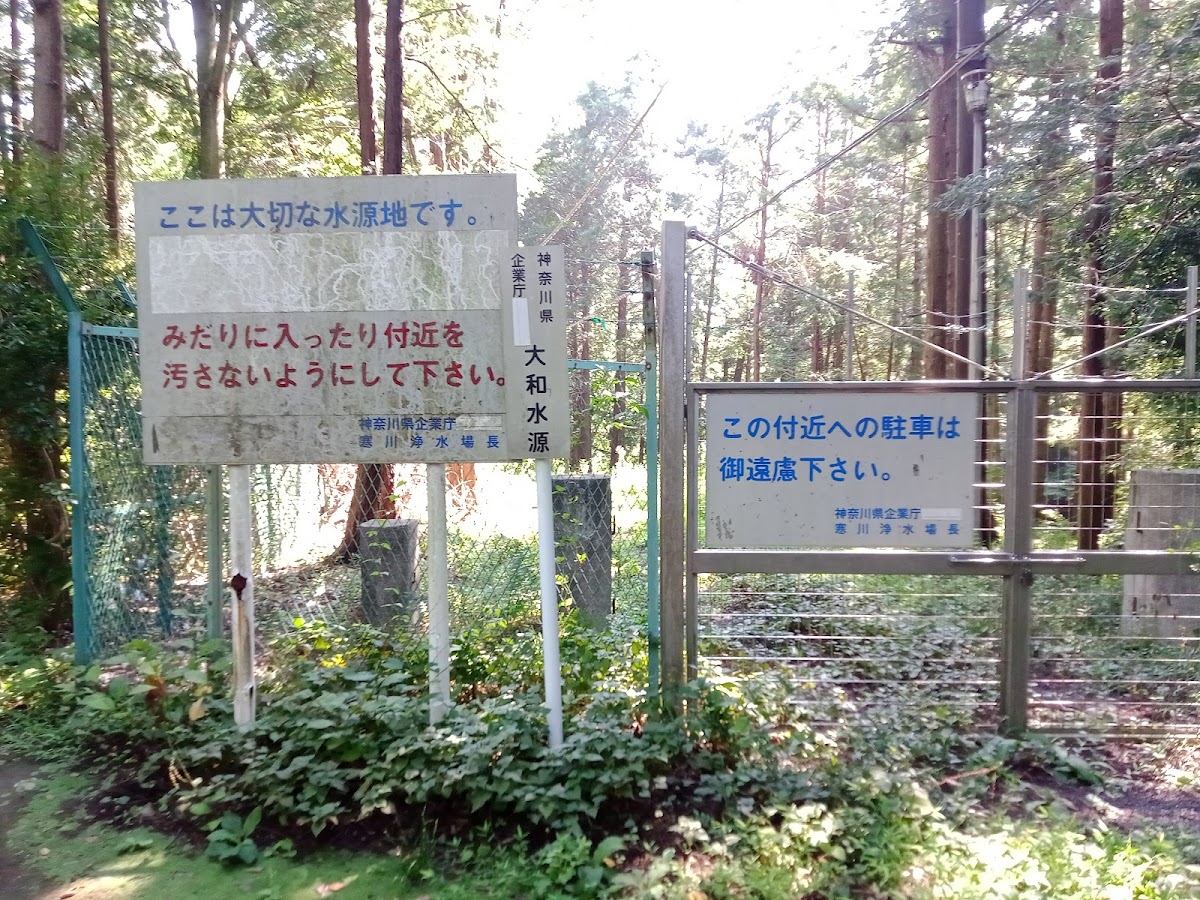
Ikuta Ryokuchi, located in Tama区, Kawasaki City, Kanagawa Prefecture, is known as Kawasaki City’s largest urban park, but the spring water area within it is particularly noteworthy. Located at the eastern edge of the Tama Hills, this green space contains multiple precious spring waters that convey the former satoyama environment to the present day, serving as a habitat for diverse organisms including endangered species.
This article provides detailed information useful to citizens and tourists alike, covering the natural environment of the Ikuta Ryokuchi spring water area, the rare organisms that inhabit it, observation points, and access methods.
Overview and Characteristics of the Ikuta Ryokuchi Spring Water Area
A Precious Spring Water Environment Accessible from the City Center
Ikuta Ryokuchi boasts a vast urban park with a planned area of 179.3 hectares (operating area 95.5 hectares), positioned at the eastern edge where the Tama Hills meet the Tamagawa River. Due to this location, abundant groundwater seeping from the hilly terrain collects in the yato (valley) areas, forming multiple spring water sources.
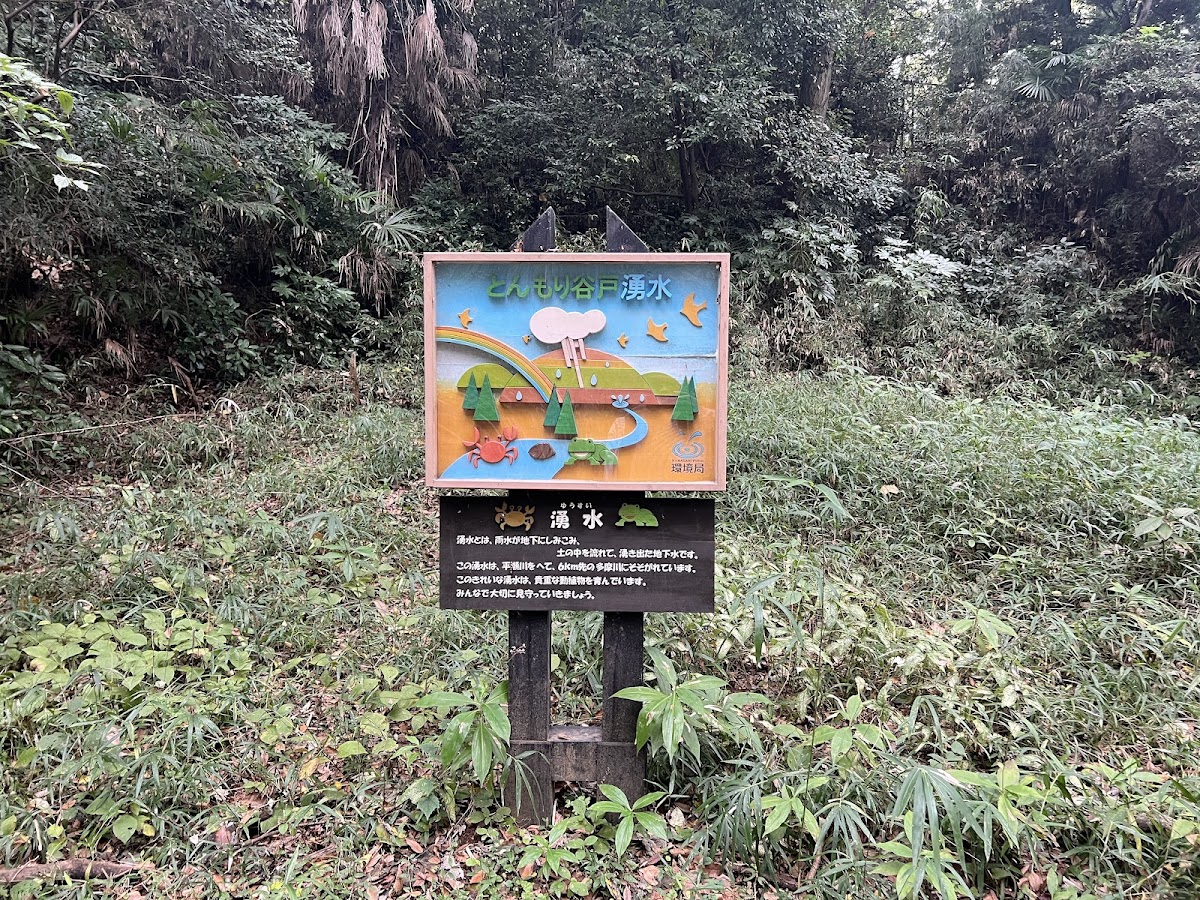
While many spring water sites exist throughout Kanagawa Prefecture, spring water environments preserved in such excellent condition within urban areas are extremely rare. It has been selected as one of the “Representative Spring Waters of Kanagawa Prefecture” by the Ministry of the Environment, and its high natural value is recognized.
Geographic Characteristics of the Spring Water Area
The spring water in Ikuta Ryokuchi is concentrated mainly in the yato sections of the central district. Due to the geological structure of the Tama Hills, rainfall permeates into the ground, flows over the impermeable layer, and springs from the slopes. This spring water maintains relatively stable water temperature and volume throughout the year, being cold in summer and warm in winter.
Around the spring water area, wetlands, small streams, and ponds have formed, creating a unique ecosystem surrounded by mixed forests centered on Kunugi and Konara oak. This environment is a crucial factor enabling the habitation of rare organisms.
Rare Organisms Inhabiting the Ikuta Ryokuchi Spring Water Area
Genji Fireflies: A Precious Sight Visible in Kawasaki City
One of the greatest attractions of the Ikuta Ryokuchi spring water area is the habitation of Genji fireflies. In the urbanized Tamaku, Kawasaki City, Kanagawa Prefecture, locations where naturally occurring Genji fireflies can be observed are extremely limited, making Ikuta Ryokuchi one of the few precious spots in the city.
Genji fireflies favor clear streams, and during their larval stage they feed on Kawanina, a type of freshwater snail. The clear water quality of the spring water area, stable water temperature, and environment suitable for Kawanina habitation make Genji firefly breeding possible.
Typically from late May through mid-June, a fantastic display of firefly light can be observed around the spring water area. Kawasaki City has been developing the area as a “Firefly Village,” and observation meetings are held regularly.
Hotoke Dojo: A Habitat for Endangered Species
Another important organism in the Ikuta Ryokuchi spring water area is the Hotoke dojo, designated as Endangered Species Category IB on the Ministry of the Environment’s Red List. This small loach favors spring water and small streams, and its population has declined dramatically nationwide due to water quality deterioration and habitat loss.
The Hotoke dojo is a small fish about 5-8 cm in body length, living quietly in the clear water of the spring water area. Within Ikuta Ryokuchi, this precious organism rarely seen in only limited areas of the city maintains a stable population, making it an extremely important location from an ecosystem conservation perspective.
Other Aquatic Organisms and Flora and Fauna
In addition to fireflies and Hotoke dojo, diverse organisms inhabit the spring water area and its surroundings.
Aquatic organisms:
- Sawagani (freshwater crabs): indicator organisms of clear streams
- Amembo (water striders): actively moving across the water surface
- Dragonfly species: dragonfly nymphs develop in the spring water area
- Kawanina (Japanese pond snails): mollusks that serve as food for firefly larvae
Plants:
- Mizubasho (Japanese skunk cabbage) (in some areas)
- Parsley, watercress and other aquatic plants
- Ferns that prefer wetland environments
- Japanese iris (approximately 2,800 plants are planted in the iris garden)
Birds:
- Kingfisher: a beautiful bird called the jewel of clear streams
- Heron species: can be seen foraging around the spring water area
- Japanese tit and coal tit: birds of the mixed forests
The Ikuta Ryokuchi spring water area, where these organisms coexist, has become a biodiversity hotspot in an urban area.
Observation Spots and Access to the Ikuta Ryokuchi Spring Water Area
First, Enjoy the Rich Nature at Plazas and Scenic Trails!
To visit the spring water area within Ikuta Ryokuchi, using the scenic trails within the park is recommended. Well-maintained walking paths wind through the yato sections, allowing close observation of streams with flowing spring water and wetland areas.
The central district features an area developed as a “Firefly Village,” which attracts many residents and tourists during firefly season. However, due to firefly protection, nighttime observation has certain rules, and participation in observation meetings held several times monthly is recommended.
Iris Garden and Waterside Scenery
The iris garden at Ikuta Ryokuchi, which utilizes spring water, is not to be missed. Typically from late May through mid-June, approximately 2,800 Japanese iris plants blossom in white and purple, delighting visitors. Within the garden, where clear spring water is channeled, Japanese irises grow beautifully, and the landscape of waterside flowers has become an early summer tradition. Many people visit during this period to enjoy photography.
Access Methods and Nearest Stations
By train:
- Approximately 10-minute walk from the south exit of Odakyu Line “Mukaigawara Yuuen Station” (closest)
- Approximately 15-minute walk from Odakyu Line “Ikuta Station”
- Buses also available from Mukaigawara Yuuen Station south exit (limited frequency)
By car:
- Approximately 5 minutes north from “Kawasaki IC” on the Tomei Expressway
- Parking available (fee-based; may be full during peak hours)
Address:
7-1-4 Masugata, Tamaku, Kawasaki City, Kanagawa Prefecture
Admission is free, but some facilities within the park (Japanese Folk House Museum, Okamoto Taro Museum of Art, etc.) require admission fees.
Enjoying Ikuta Ryokuchi with Cultural Facilities
“Kawasaki Sora to Midori no Kagakukan” – Enjoy the Planetarium!
Within Ikuta Ryokuchi are well-equipped cultural facilities to visit in combination with natural observation of the spring water area. “Kawasaki Sora to Midori no Kagakukan” features the latest planetarium with vivid starry skies spreading before you, deepening understanding of natural science.
Combining nature observation with science museum visits makes for an ideal day for children’s environmental education.
“Japanese Folk House Museum” – Time Travel to the Edo Period!
The Japanese Folk House Museum is an open-air museum with 25 representative traditional houses from eastern Japan relocated and reconstructed. The satoyama environment of the spring water area overlaps with the Edo period rural landscape, allowing visitors to experience Japan’s original natural scenery.
A traditional crafts hall is also located on the grounds, offering experience programs in indigo dyeing, weaving, and other traditional crafts.
“Kawasaki Okamoto Taro Museum of Art” – Immerse Yourself in Art!
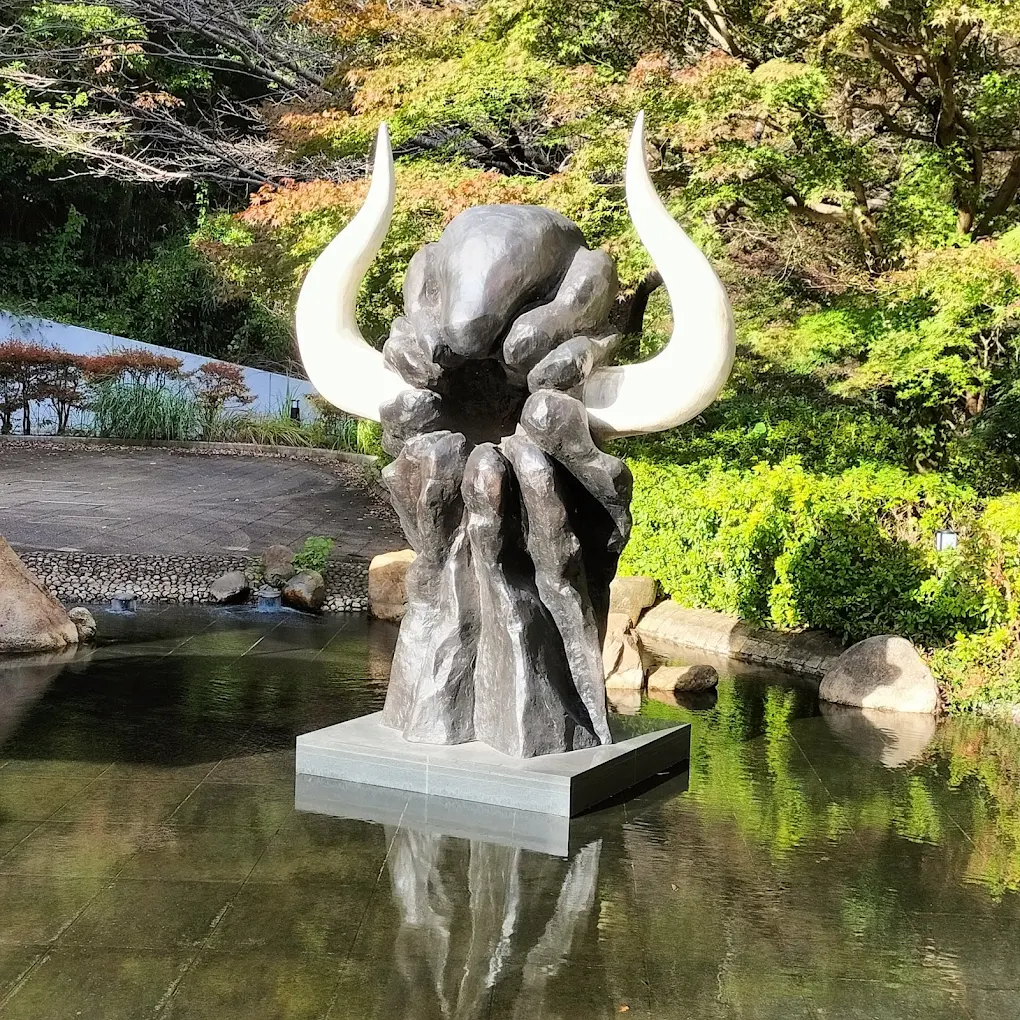
In one corner of Ikuta Ryokuchi is the Kawasaki Okamoto Taro Museum of Art. It features permanent exhibitions of works by Okamoto Taro, an artist from Kawasaki City, offering the luxury of enjoying nature and art simultaneously.
The museum itself, situated in a verdant environment, is also a notable architectural attraction.
Conservation Activities and Observation Meetings at Ikuta Ryokuchi Spring Water Area
Community Participation Conservation Activities
To protect the precious natural environment of the Ikuta Ryokuchi spring water area, Kawasaki City and volunteer citizens cooperate in conservation activities. Regular water quality surveys, removal of invasive species, and wetland maintenance are conducted, with volunteer programs open to anyone.
Nature Observation Meetings and Guided Tours
Observation meetings guided by professionals are held several times monthly to learn about Ikuta Ryokuchi’s nature. Expert guides provide careful explanations of the spring water area’s ecosystem, rare organism observation points, plant identification methods, and more.
Particularly popular are nighttime observation meetings during firefly season. As advance reservations may be required, checking Kawasaki City’s official website and event information is recommended.
The Ikuta Ryokuchi Spring Water Area Through the Four Seasons
Spring: Season of Fresh Greenery and Cherry Blossoms
In spring, the cherry blossoms of Masugata Mountain bloom spectacularly, and the fresh greenery around the spring water area is beautiful. Water temperature begins to rise, and aquatic organisms become more active.
Early Summer: Fireflies and Japanese Irises
From late May through mid-June is the season when the Ikuta Ryokuchi spring water area shines brightest. The fantastic light of Genji fireflies and approximately 2,800 Japanese irises blooming in the iris garden captivate visitors.
Autumn: Beautiful Fall Foliage
In autumn, the mixed forests display beautiful autumn colors, and fall foliage reflected on the spring water surface creates a spectacular sight. As the water cools, the season is ideal for bird watching, including kingfishers.
Winter: Silent Spring Water Area
In winter, the spring water area receives fewer visitors and offers quiet nature observation. Since spring water remains relatively warm even in winter, it plays an important role as a hibernation site for aquatic organisms.
Precautions and Etiquette When Visiting
The Ikuta Ryokuchi spring water area is a precious natural environment and habitat for rare organisms. When visiting, please observe the following etiquette:
- No collecting organisms: Collecting fireflies, Hotoke dojo, and other organisms is prohibited by law
- Stay on designated paths: Avoid entering areas outside designated observation trails
- Take trash with you: Please take all trash home to protect the natural environment
- Follow nighttime observation rules: When observing fireflies, avoid using flashlights, and flash photography is prohibited
- Observe quietly: Loud voices and noise startle wildlife
Enjoying Nearby Facilities
Fujiko F. Fujio Museum
Adjacent to Ikuta Ryokuchi is the Fujiko F. Fujio Museum (separate fee, advance reservation required). Visitors can enjoy both nature observation and a character world simultaneously, popular with families.
Kawasaki International Ikuta Ryokuchi Golf Course
A golf course within the green space allows visitors to enjoy sports in a natural environment.
Mukaigawara Yuuen Rose Garden
A rose garden open seasonally in spring and autumn is another attraction of Ikuta Ryokuchi. The sight of approximately 3,300 roses in full bloom is magnificent.
The Inexhaustible Appeal of Ikuta Ryokuchi!
The Ikuta Ryokuchi spring water area is not merely part of a park, but a treasure trove of precious nature remaining in an urban area. The fact that rare organisms such as Genji fireflies and Hotoke dojo continue to inhabit this place speaks to the importance of environmental conservation here.
As Kawasaki City’s largest green space, Ikuta Ryokuchi provides a place of respite for citizens and tourists while fulfilling the important role of biodiversity conservation. The clear sound of spring water, the light of fireflies, seasonal plants, and learning and art appreciation at cultural facilities—no other place in Kanagawa Prefecture offers all of these simultaneously.
Why not enjoy an exploration adventure with family or friends on a holiday? Ikuta Ryokuchi spring water area is a special place where new discoveries await no matter how many times you visit.
Summary: The Value and Future of the Ikuta Ryokuchi Spring Water Area
The Ikuta Ryokuchi spring water area in Tamaku, Kawasaki City, Kanagawa Prefecture is an extremely precious natural environment in the increasingly urbanized greater Tokyo area. The abundant spring water created by the topography of the Tama Hills sustains the lives of diverse organisms, including endangered species such as Genji fireflies and Hotoke dojo.
This location, selected as one of the “Representative Spring Waters of Kanagawa Prefecture” by the Ministry of the Environment, is not merely a tourist spot but a natural heritage to be passed on to future generations. Through conservation activities cooperated by citizens and administration, the former satoyama environment is maintained even today, making it a precious location where rich natural experience is possible despite being accessible from the city center.
When combined with cultural facilities such as the Japanese Folk House Museum, Okamoto Taro Museum of Art, and Kawasaki Sora to Midori no Kagakukan, it serves as an outstanding educational venue where nature, history, art, and science can be learned comprehensively.
Visiting the Ikuta Ryokuchi spring water area provides an opportunity to contemplate the coexistence of urban and natural environments. Please actually visit, listen to the sound of clear spring water, be soothed by the light of fireflies, and experience firsthand the value of this precious natural environment.