Complete Guide to Hakuhige Shrine’s Spring Water (Oyama City, Tochigi Prefecture) | The Charm of Sacred Spring Water Selected for Oyama Hyakkei
Hakuhige Shrine, located in Idei, Oyama City, Tochigi Prefecture, is a historic shrine known for the clear spring water that wells up within its grounds. This spring water has been selected as “Hakuhige Shrine’s Spring Water” for Oyama City’s “Oyama Hyakkei” (100 Scenic Spots of Oyama), and has been cherished for many years as a precious water resource for the region and as an object of faith. This article provides a detailed introduction to the charm, history, access methods, and surrounding information about this sacred spring water.
What is Hakuhige Shrine’s Spring Water?
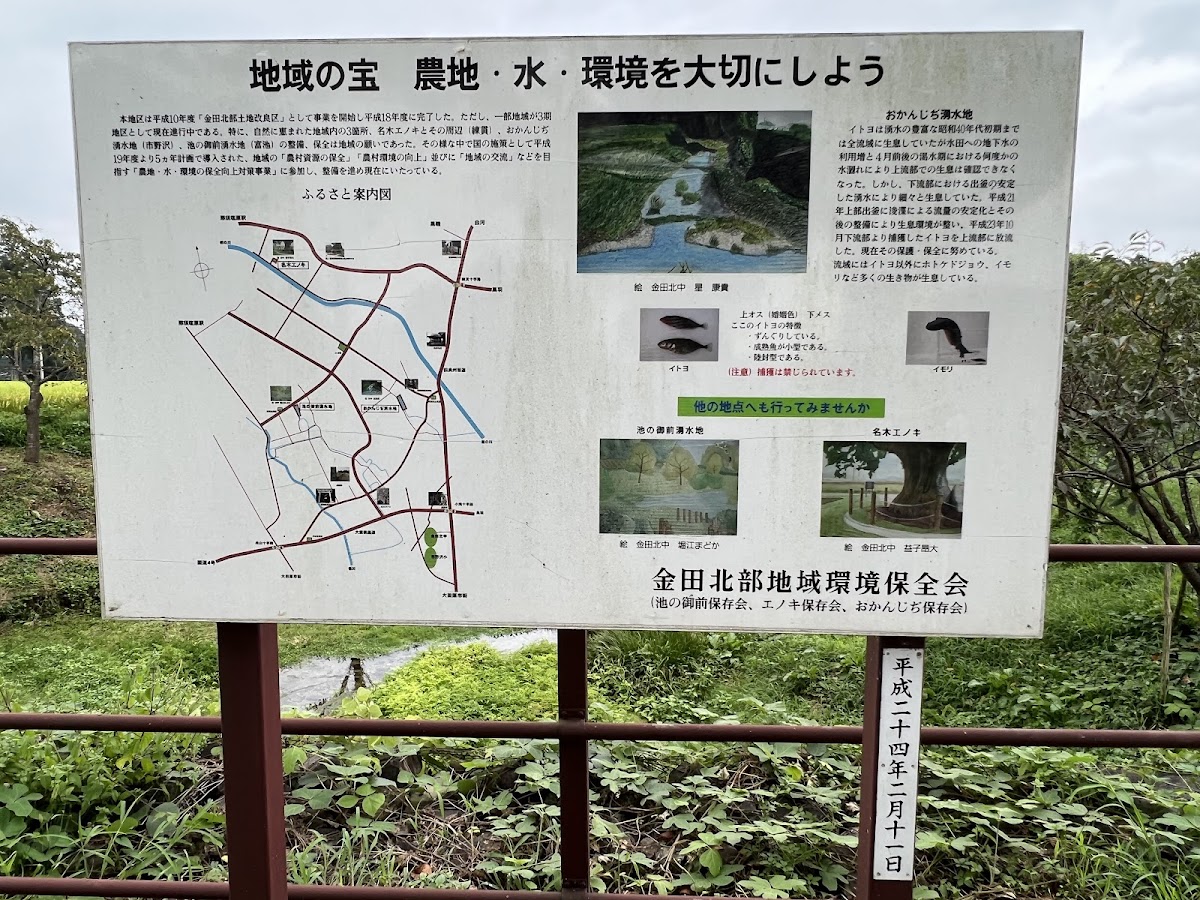
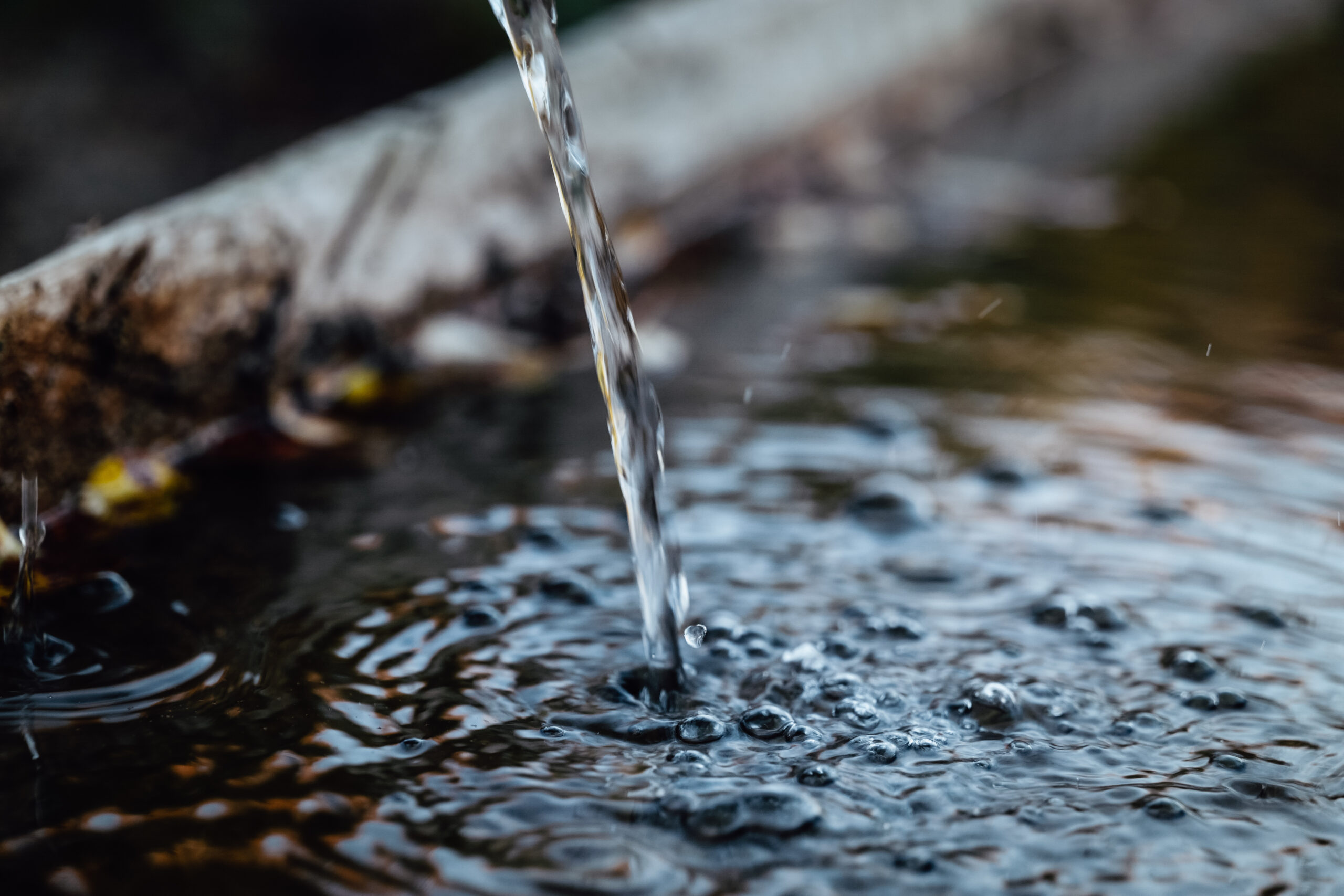
Hakuhige Shrine’s spring water is a natural spring that wells up from within the grounds of Hakuhige Shrine, located in Idei, Oyama City, Tochigi Prefecture. This spring water has long been cherished by local residents and has been an object of faith as “sacred water from the gods.” It boasts an abundant water volume and clear water continues to well forth year-round without drying up.
Reasons for Selection as Oyama Hyakkei
Oyama City’s “Oyama Hyakkei” selection is a designation of superior landscapes and historically valuable locations within the city. Hakuhige Shrine’s spring water was selected as one of these honored hundred scenic spots for its natural beauty, historical value, and deep connection to the community. The clear water welling up from within the serene atmosphere of the shrine grounds offers healing and peace of mind to all who visit.
Recognition as Environment Ministry’s “Representative Spring Water”
Hakuhige Shrine’s spring water is also listed as “Tochigi Prefecture’s Representative Spring Water” selected by the Ministry of the Environment, and is highly evaluated from the perspectives of water quality and environmental conservation. This recognition indicates that the spring water is a precious natural resource for the region and means that it possesses value that should be protected for future generations.
The Origin of the Place Name “Idei” and the History of the Spring Water
The place name “Idei” where Hakuhige Shrine is located originates from this very spring water. “Idei” means “a well where water wells up,” and speaks to the abundance of spring water that has existed in this location since ancient times.
History as a Divine Spring
This spring water has been revered not merely as a water source but as a “divine spring.” Because it wells up from within the shrine grounds, it has been worshipped as sacred water and has a history of being used in various religious ceremonies and rituals. Local people have cherished this water as a blessing from the gods and have utilized it in their daily lives.
Role as Agricultural Water
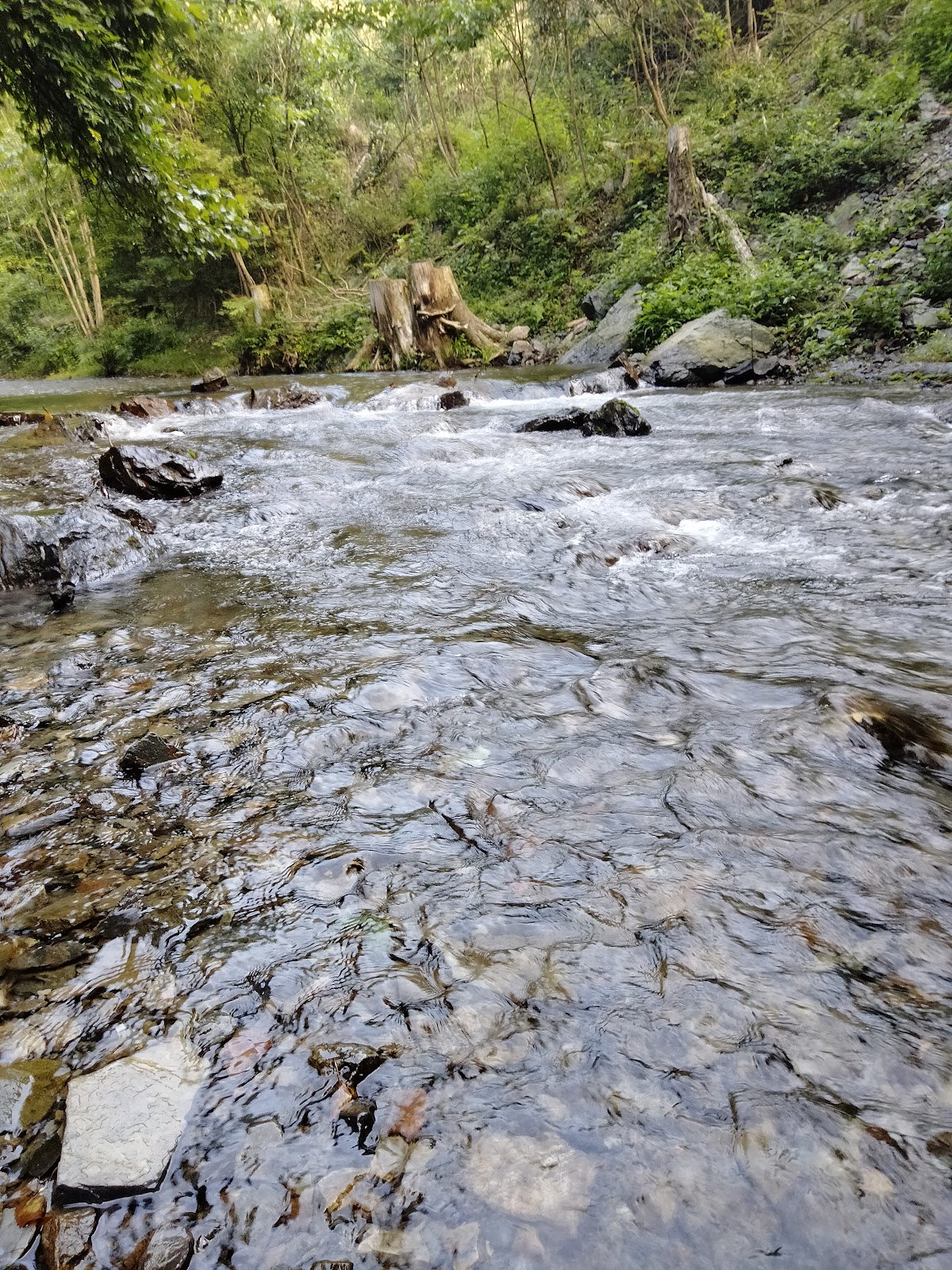
Boasting an abundant water volume, Hakuhige Shrine’s spring water has functioned as important agricultural water irrigating the surrounding rice paddies and fields. Particularly in the Oyama City area, where agriculture thrives, this spring water has served as a precious water resource supporting agricultural production including rice cultivation, contributing greatly to regional economic development.
Legends of Rain-Making Prayers and Faith
Hakuhige Shrine has transmitted interesting legends related to rain-making prayers connected to its spring water.
Drought and the Prayers of Farmers
In ancient times, when this region was struck by drought, farmers gathered at Hakuhige Shrine and offered prayers to the gods asking for rain. With rice paddies drying up and crops withering in a critical situation, people placed their final hope in this shrine with its sacred spring water.
Rain-Making Rituals Using Green Bamboo
According to legend, farmers performed special rain-making rituals using green bamboo. Green bamboo was regarded as a symbol of vitality and played an important role as an offering to the gods. Through this ritual, people prayed for a recovery in weather conditions and a bountiful harvest. Such traditional faith demonstrates that the spring water and shrine served as the center of the local community.
Faith Carried Forward to Modern Times
In modern times, Hakuhige Shrine’s spring water continues to be recognized as a special presence. While direct rain-making rituals are no longer performed, the spirit of gratitude for the blessings of water and reverence for nature has been passed down to the region’s people.
Basic Information about Hakuhige Shrine
Enshrined Deity and History
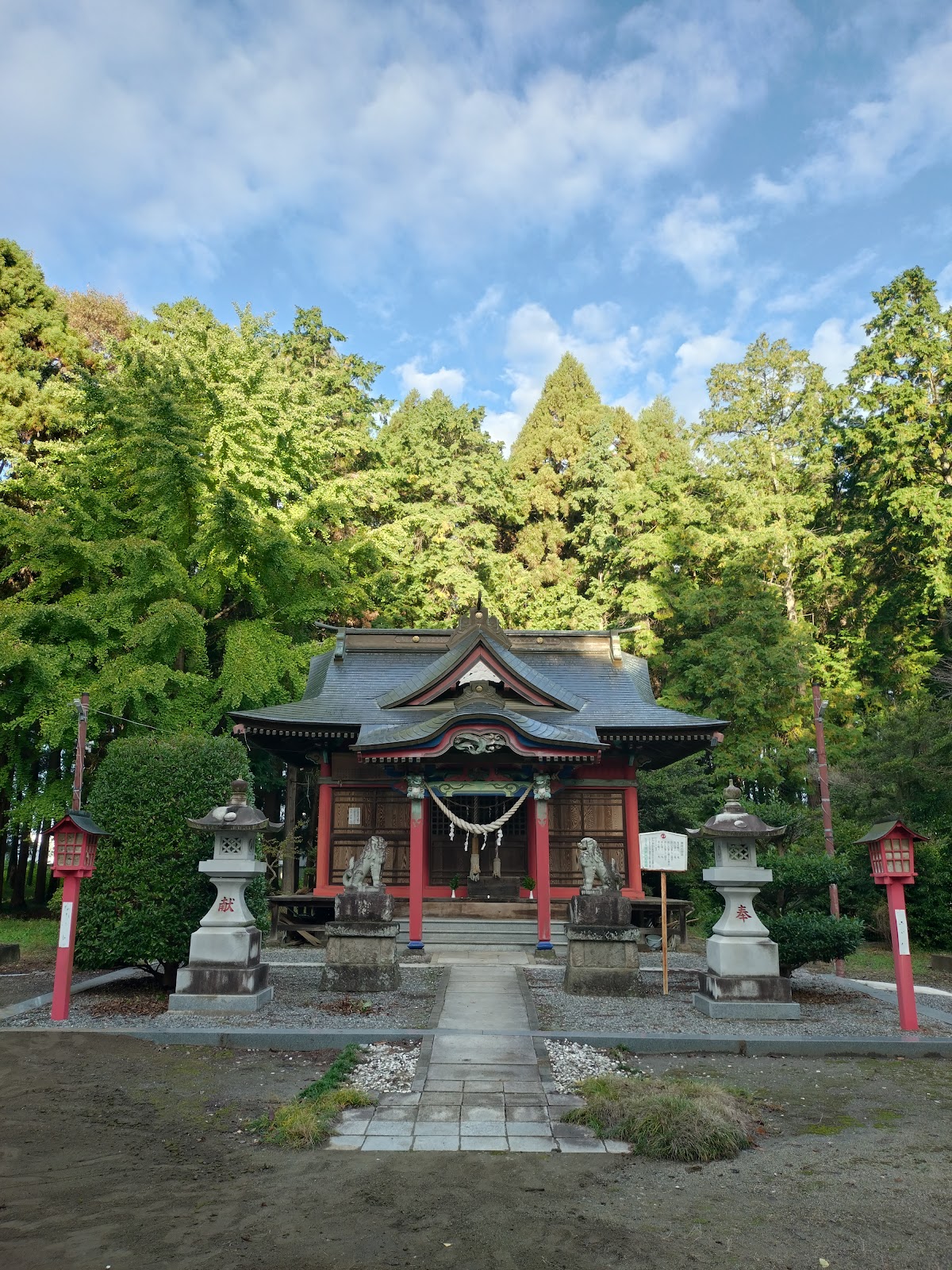
The enshrined deity of Hakuhige Shrine is Sarutahiko no Mikoto. Sarutahiko no Mikoto is known as a god of pathfinding and is worshipped as a deity who provides guidance through various stages of life. Also venerated as a god of longevity and long life, many worshippers visit to pray for health and longevity.
Characteristics of the Shrine Grounds
The grounds of Hakuhige Shrine are enveloped in a quiet, serene atmosphere. Located away from the hustle and bustle of urban areas, the shrine receives few visitors, allowing for peaceful worship at one’s own pace. Though unmanned, the shrine is carefully maintained by local residents and kept in a clean and orderly state.
Location and Characteristics of the Spring Water
The spring water is located in one corner of the shrine grounds, and visitors can approach and view the water directly. With high transparency, the clear water welling up quietly imparts a refreshing sensation and sacred impression to those who behold it. The water temperature remains relatively stable throughout the year, with cold and pleasant water continuing to well forth even in midsummer.
Points of Interest Within the Shrine Grounds
Beauty of Double-Flowered Cherry Blossoms
Double-flowered cherry blossoms are planted within the shrine grounds, and during the spring blooming season, visitors can enjoy beautiful scenery. The combination of spring water and cherry blossoms—a traditional Japanese aesthetic—allows visitors to feel the passage of seasons and the blessings of nature. It is also popular as a photography spot, with many people visiting especially during the cherry blossom season.
Serene Worship Environment
One of the greatest charms of Hakuhige Shrine is its serenity. Because it has not been developed as a tourist destination, visitors rarely encounter other worshippers, making it possible to worship at one’s own pace and quietly observe the spring water. This peaceful environment provides an excellent opportunity to soothe and refresh a heart worn out by urban living.
Appeal for Photography
The grounds are also well-suited for photography. The spring water, shrine buildings, double-flowered cherry blossoms, and the landscapes woven by nature across the four seasons become appealing subjects for camera enthusiasts. Particularly at dawn or dusk in soft light, one can capture mystical and beautiful photographs.
Access Methods and Parking Information
Access by Train
For those wishing to visit Hakuhige Shrine by train, “Oyama Station,” served by the JR Tohoku Main Line, Mito Line, and Ryomo Line, is the nearest station. The shrine is too distant from Oyama Station to reach on foot, so taxi use is recommended. The distance is approximately 10–15 minutes by taxi.
Access by Car
Access by car is most convenient. The journey takes approximately 30 minutes from either the “Sano-Fujioka IC” or “Tochigi IC” on the Tohoku Expressway. From Oyama City center, access is possible via National Route 4 and prefectural roads. Entering “Oyama City, Tochigi Prefecture, Idei” or “Hakuhige Shrine” into a car navigation system is recommended.
Parking
The shrine has a small parking space for worshippers. As it is normally not crowded, parking difficulties are rare. However, during certain seasons such as cherry blossom blooming season, the number of visitors may increase, so it is recommended to allow extra time when visiting.
Nearby Tourist Attractions and Temples and Shrines
Tourist Attractions in Oyama City
When visiting Hakuhige Shrine, it is recommended to also visit other tourist attractions within Oyama City. Oyama City has numerous historic temples and shrines, each with unique charm. Additionally, there are many points of interest including historic sites connected to the Oyama Hyōjō (Oyama Council) and roadside stations.
Nearby Temples and Shrines
Several temples and shrines are scattered throughout the area surrounding Oyama City. Each shrine has its own history and faith traditions, allowing for enjoyment of shrine visits. If time permits, a “shrine pilgrimage” visiting multiple shrines is also recommended.
Cuisine and Shopping
Oyama City is known for “Oyama Brand” agricultural products with abundant offerings. At local agricultural produce markets, fresh vegetables and fruits can be purchased. Additionally, Oyama City’s local specialty cuisine can be enjoyed, making the meal after worship one of the pleasures of the visit.
Other Representative Spring Waters in Tochigi Prefecture
Besides Hakuhige Shrine’s spring water, numerous other representative spring waters exist throughout Tochigi Prefecture.
Spring Water Groups in Nasu Town
Nasu Town has multiple spring waters including “Atago Fukushin Water.” Spring water in the vicinity of Nasu Onsen Shrine, combined with the characteristics of a hot spring resort, possesses unique charm. Water welling from within the natural environment of the Nasu Plateau has become a popular tourist spot.
Other Spring Waters in Tochigi Prefecture
Throughout Tochigi Prefecture, 28 representative spring waters have been identified, each possessing characteristics reflecting the regional natural environment and culture. Spring water spots are numerous in the vicinities of major Tochigi tourist destinations such as Nikko, Nasu, and Shiobara, making it possible to plan trips that enjoy water and nature.
Conservation of Spring Water and Environmental Considerations
Conservation Activities by the Community
Hakuhige Shrine’s spring water is preserved through the cooperation of local residents. Regular cleaning activities and environmental improvements are conducted, and the environment surrounding the spring water is maintained in good condition. Such steady efforts greatly contribute to maintaining spring water quality and landscape preservation.
Requests for Visitors
When visiting the spring water, environmental conservation considerations are requested. Please be sure to take all trash with you and be careful not to contaminate the spring water. Additionally, remembering that this is a sacred place, worship quietly and be mindful of other visitors.
Sustainable Tourism
For preserving Hakuhige Shrine’s spring water for future generations, the practice of sustainable tourism is important. Excessive tourist development should be avoided, and use in harmony with the natural environment is required. Each visitor’s environmental consciousness contributes to protecting this precious spring water.
Worship Etiquette and Precautions
Basic Worship Etiquette
Though Hakuhige Shrine is unmanned, basic worship etiquette is the same as with ordinary shrines. When passing through the torii gate, offer a bow; when walking along the approach, avoid the center. If there is a water ablution basin, purify your hands and mouth; before the main shrine building, worship with the proper form of two bows, two claps, and one bow.
Precautions When Viewing Spring Water
When observing the spring water, take sufficient care not to contaminate the water source. Regarding drinking the water, follow the guidance of on-site signage or local residents. Though the Ministry of the Environment’s spring water survey permits close viewing, if you wish to touch it, do so gently with clean hands.
Considerations During Photography
Photography is generally permitted, but consideration is necessary if other worshippers are present. Additionally, remembering that this is a sacred place, approach photography with restraint. When posting on SNS, it is also important to be thoughtful about not making location identification too easy.
Hakuhige Shrine Through the Four Seasons
Visiting in Spring
Spring is the most beautiful season when double-flowered cherry blossoms bloom magnificently. The contrast between cherry blossoms and spring water is spectacular, and many photography enthusiasts visit. It is also the season of new green growth, with the entire shrine grounds enveloped in an atmosphere full of vitality.
Summer Coolness
Summer is the season when the coolness of the spring water is particularly pleasant. Even on hot days, the shrine grounds surrounded by trees remain cool, making it an ideal place to escape the urban heat. The refreshing quality of the spring water makes one forget the summer heat.
Autumn Tranquility
Autumn is appealing for its autumn leaves and settled atmosphere. After the peak tourist season, this period allows for even more peaceful worship. In the clear autumn air, one can slowly pass time while listening to the sound of the spring water.
Winter Mystery
Winter is the season with the fewest visitors, yet it carries a mysterious atmosphere. Even in winter, the water wells up unceasing, imparting a sense of nature’s strength. When snow accumulates on the shrine grounds, the landscape reveals a different beauty.
The Significance of Visiting Hakuhige Shrine’s Spring Water
Connection with Nature
Visiting Hakuhige Shrine’s spring water provides an opportunity for connection with nature rarely obtainable in urban living. Witnessing clear water welling up allows one to appreciate the wonders of nature’s blessings and cycles.
Experience of History and Culture
This location contains rich history and culture that lives on—the spring water from which the place name derives, legends of rain-making prayers, and connections to agriculture. Through visiting, one can contemplate the region’s history and people’s way of life.
Heart Healing and Refreshment
Time spent quietly observing spring water within the serene shrine grounds and listening to the sounds of nature is ideal for heart healing and refreshment. Stepping away from daily stress and spending peaceful time allows both mind and body to refresh.
Conclusion: The Charm of Hakuhige Shrine’s Spring Water
Hakuhige Shrine’s spring water, located in Idei, Oyama City, Tochigi Prefecture, is a precious natural resource selected for “Oyama Hyakkei” and an important location that tells of the region’s history and culture. The abundant spring water, which gives its name to “Idei,” has long been revered as a divine spring, supported agriculture as a water resource for the region, and served as the setting for rain-making prayer legends.
The serene atmosphere of the shrine grounds, the beauty of double-flowered cherry blossoms, and the clear spring water that never dries throughout the year provide healing and inspiration to all who visit. Though an unmanned shrine, this location continues to exist as a precious space where nature and faith harmonize, carefully protected by local people.
Access from Oyama Station is relatively easy, and parking is complete, making it possible to visit with ease. By visiting other spring water spots within Tochigi Prefecture alongside this shrine, one can experience Tochigi’s water culture more deeply.
Hakuhige Shrine’s spring water is a special place worth visiting for those seeking gratitude for nature’s blessings, respect for history, and peace of mind. By all means, visit this sacred spring water once and experience its clarity and serenity.