Complete Guide to Mitarai Pond (Akita Prefecture): The Charm and Tourism Information of a Mystical Spring-Fed Pond
Mitarai Pond (みたらいのいけ) in Akita Prefecture is a mystical pond known for its crystal-clear spring water. This pond, cherished by locals since ancient times, has recently attracted attention for its beauty and has become a popular spot among tourists visiting Akita Prefecture.
What is Mitarai Pond?
Mitarai Pond is a body of water formed by clear spring water that wells up from within Akita Prefecture. Its name derives from “mitarai” (御手洗), which refers to the ritual purification of hands and mouth before visiting a shrine, and it has long been a sacred place and object of regional faith.
The water of the pond maintains high transparency throughout the year, clear enough to see all the way to the bottom. The water temperature remains nearly constant year-round and does not freeze even in winter. This stable water temperature is characteristic of groundwater that wells up from deep underground.
Characteristics of the Pond
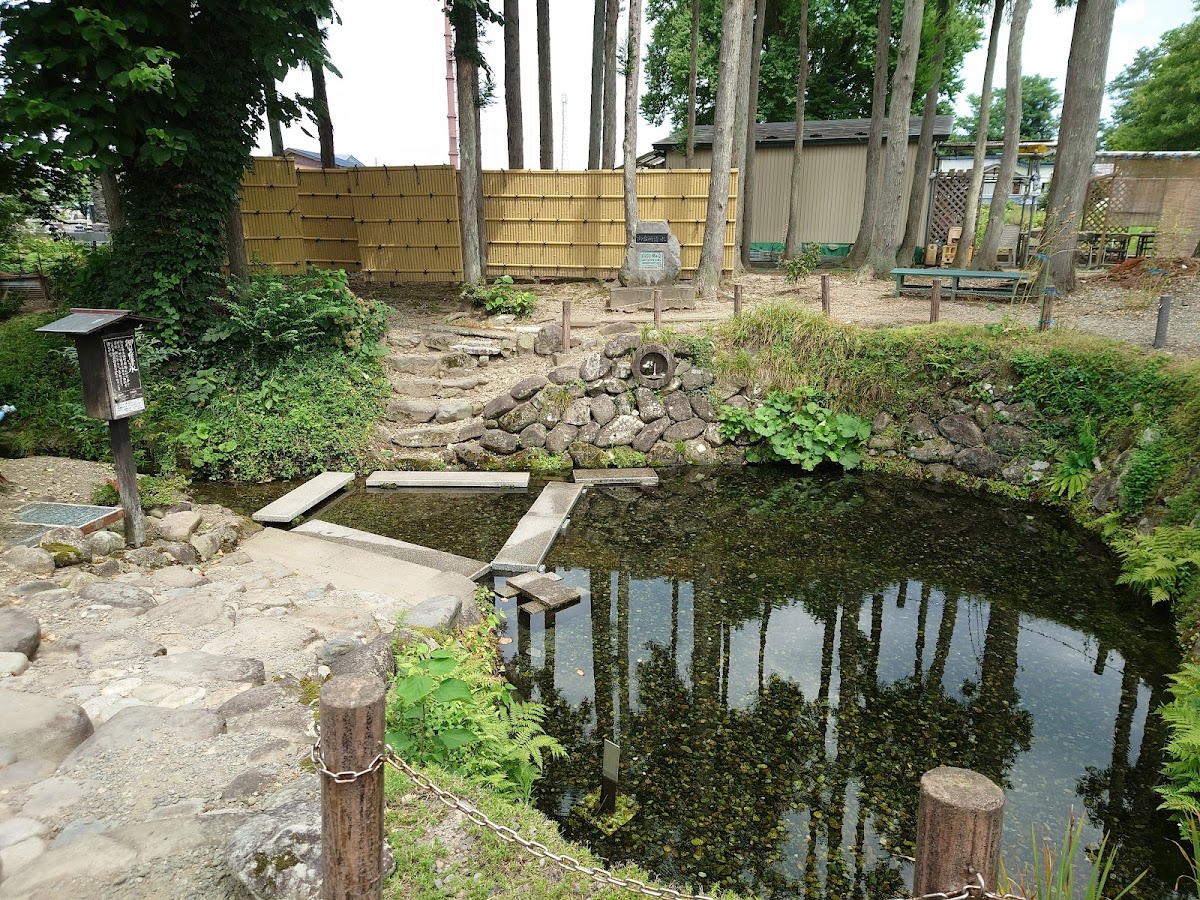
The most notable feature of Mitarai Pond is its remarkable transparency. The spring water is abundant, and one can observe the continuous flow of clear water welling up from the bottom of the pond. When you peer at the water’s surface, you can see a phenomenon called “sand dancing” where sand swirls upward, further enhancing the pond’s mystical atmosphere.
The area surrounding the pond is enveloped in rich nature, offering scenery that changes with the seasons. Spring brings fresh greenery, summer deep green, autumn displays of colored leaves, and winter snowy landscapes—the pond reveals a different face depending on the season of your visit.
History and Cultural Background of Mitarai Pond
Mitarai Pond is deeply connected to the region’s history. It has long been revered as a sacred place and is said to have connections with nearby shrines. According to local tradition, the water of this pond is believed to possess purifying power and has been used in rituals and ceremonies.
Connection to Faith
The name “mitarai” itself indicates purification rituals in Shintoism. It is possible that this pond was used as a place where visitors would purify their hands and mouths before approaching the shrine. Today, local people continue to protect this pond carefully and make efforts to maintain its clarity.
Records from the Edo period also mention the clear water of this area, and it is clear that it was used as a resting place for travelers.
Water Quality and Ecosystem of Mitarai Pond
The Mechanism of Spring Water
The water of Mitarai Pond comes from rain and snow that fell on the surrounding mountains, seeped underground, and over long periods of time was filtered through geological strata before welling up. Through this natural filtration system, impurities are removed and extremely high transparency is maintained.
The spring water maintains a stable temperature of approximately 10-14 degrees Celsius year-round, characteristic of groundwater. This constant temperature environment nurtures a unique ecosystem.
Resident Organisms
Freshwater fish and aquatic insects that prefer clear water inhabit the pond, creating a rich ecosystem. Aquatic plants also grow here, adding color to the underwater landscape. Due to the high transparency, these organisms can be observed from the water’s surface, making it valuable as a natural observation spot.
Additionally, wild birds visit the area around the pond, and it is known as an observation point for birds that prefer waterside environments.
Access to Mitarai Pond
Access by Car
Car access is the most convenient way to reach Mitarai Pond. It is located in a relatively accessible place from major roads within Akita Prefecture.
- Approximately 30-40 minutes from the nearest interchange of the Akita Expressway
- A parking area is provided near the pond, but due to its small scale, congestion is possible during tourist seasons
- When using a car navigation system, set “Mitarai Pond” or nearby landmarks as your destination
Access by Public Transportation
When using public transportation, you will need to walk or take a taxi from the nearest station or bus stop. However, as service may be limited, it is recommended that you check the timetable in advance.
- Approximately 15-20 minutes by taxi from the nearest station
- Community buses may operate in the area, but service days and hours are limited, so caution is necessary
Precautions When Accessing
- In winter, snowfall changes road conditions, requiring studless tires and confirmation of the latest road information
- The road to the pond has narrow sections, so drive with caution
- Mobile phone signals may not reach in some areas, so it is recommended to check maps in advance
Highlights and Ways to Enjoy Mitarai Pond
Observing the Crystal-Clear Water Quality
When you visit Mitarai Pond, you will first be amazed by its high transparency. Standing at the water’s edge and looking down into the water, you can see clearly all the way to the bottom. The way spring water wells up and the “sand dancing” phenomenon where sand swirls upward are must-see sights.
The way light enters changes depending on the time of day, and the water’s color shifts subtly. Especially in the morning when soft light streams in, the water’s surface glimmers and shines, making it ideal for photography.
Landscapes of All Four Seasons
Spring (March–May)
During the season of fresh green growth, the trees surrounding the pond sprout new buds, and their vibrant green is reflected on the water’s surface. Snowmelt increases water volume, and the vigor of the spring water increases as well.
Summer (June–August)
Surrounded by deep green, the pond creates a refreshing atmosphere. Even in the hot summer months, the area around the pond remains relatively cool, making it popular as a summer retreat.
Autumn (September–November)
During the autumn foliage season, leaves colored red and yellow surround the pond, and the sight of autumn leaves reflected on the water’s surface is extraordinary. It is known as one of the most prominent autumn foliage spots in Akita Prefecture.
Winter (December–February)
Even when the surroundings are covered in snow, the pond does not freeze, and a fantastical scene unfolds with a vivid blue water surface amid the snowy landscape. The contrast between snow and water is a beauty unique to winter.
Photography Tips
Mitarai Pond is an attractive subject for photography enthusiasts. Keeping the following points in mind will help you capture more beautiful photographs.
- Time of day: Sunlight at dawn or dusk creates beautiful shadows
- Angle: In addition to photographing the pond from above, try shooting from a low position close to the water’s surface
- Reflections: Capturing the surrounding landscape reflected on the water’s surface creates an impressive photograph
- Macro photography: Close-up shots of the sand dancing or aquatic plants are also recommended
Tourist Spots Around Mitarai Pond
Nearby Shrines and Temples
Historic shrines and temples dot the area around Mitarai Pond. Visiting these cultural properties when you visit the pond will allow you to gain a deeper understanding of the region’s history and culture.
At local shrines, various festivals and ceremonies are held throughout the year, and if timing permits, you may be able to experience the region’s traditional culture.
Hot Spring Facilities
Akita Prefecture is known as a treasure trove of hot springs, and there are day-use hot spring facilities and hot spring inns around Mitarai Pond. It is also recommended to soothe your body tired from exploring the pond at a hot spring.
Many of the local hot springs are known for their skin-beautifying properties and are popular with tourists.
Roadside Stations and Farm Stands
There are roadside stations and farm stands nearby that sell local agricultural products and specialty items. In addition to purchasing Akita Prefecture specialty foods and souvenirs, you can also enjoy cuisine made with local ingredients.
In particular, Akita rice, mountain vegetables, and kiritanpo—foods representative of Akita Prefecture—are not to be missed.
Precautions When Visiting Mitarai Pond
Consideration for Environmental Protection
Cooperation from visitors is essential to preserve the beauty of Mitarai Pond. Please note the following:
- Always take your trash with you: There may be no trash bins around the pond, so be sure to take all trash with you
- Do not pollute the water: Be careful not to allow detergents or chemicals to enter the pond’s water
- Do not collect plants: The surrounding plants are part of the ecosystem. Please refrain from collection
- Respect off-limits areas: Do not enter areas that are closed off for protection purposes
Safety Precautions
- Watch your footing: The area around the pond has slippery spots. Wear appropriate footwear
- Do not take your eyes off children: There is a risk of falling into the pond, so keep a close eye on small children
- Be aware of weather changes: In mountainous areas, weather can change suddenly. It is recommended that you prepare rain gear
- Take insect repellent measures: During summer, there may be many mosquitoes and other insects. Taking measures such as insect repellent spray is recommended
Clothing and Supplies
- Comfortable walking shoes: Sneakers or hiking boots are recommended for exploring the pond area
- Seasonal clothing: Especially in spring and autumn when there are large temperature fluctuations, clothing that can be easily adjusted is best
- Drinking water: Since there may be no vending machines or shops nearby, bring drinking water with you
- Camera: Remember to charge your camera or smartphone to record the beautiful scenery
Cuisine Around Mitarai Pond
Akita Prefecture’s Traditional Cuisine
When you visit Mitarai Pond, you will also want to enjoy Akita Prefecture’s traditional cuisine.
Kiritanpo Hotpot
A representative traditional dish of Akita Prefecture, in which “kiritanpo”—cooked rice wrapped around a cedar stick and grilled—is simmered together with chicken and vegetables. You can enjoy it at local restaurants and inns.
Inaniwa Udon
A specialty of southern Akita Prefecture, this hand-pulled noodle features a thin, smooth texture. It is delicious whether served cold or hot.
Hinai Jidori
A branded chicken boasted by Akita Prefecture, its meat quality and umami are highly regarded nationwide. You can enjoy it in various preparations including oyakodon (parent-child rice bowl) and yakitori (grilled chicken skewers).
Local Ingredients
Akita Prefecture is known as a rice-growing region, producing delicious rice including Akitakomachi. Additionally, the region is rich in mountain bounty such as wild vegetables and mushrooms.
Many restaurants offer seasonal dishes using ingredients at their peak, allowing you to savor local flavors.
Sightseeing Model Courses Including Mitarai Pond
Day Trip Course
Morning
- 9:00 Arrive at Mitarai Pond, explore and photograph (1-2 hours)
- 11:00 Visit nearby shrine
Afternoon
- 12:00 Lunch at a local restaurant (kiritanpo hotpot or Inaniwa udon)
- 13:30 Shopping at a roadside station
- 15:00 Bathe at a day-use hot spring
- 17:00 Depart for home
1 Night/2 Day Course
Day 1
- Morning: Arrive at Mitarai Pond, explore thoroughly
- Afternoon: Visit nearby tourist spots
- Evening: Check in at a hot spring inn
- Night: Enjoy local traditional cuisine
Day 2
- Morning: Breakfast, then explore nature or visit cultural facilities
- Afternoon: Shop at roadside stations, depart for home
Best Season to Visit Mitarai Pond
While Mitarai Pond is beautiful throughout all four seasons, the particularly recommended seasons are as follows:
Fresh Green Season (May–June)
Trees sprout new leaves, and fresh vibrant green surrounds the pond. Temperatures are also comfortable, making it ideal for exploration. Water volume is abundant after snowmelt, and the vigor of the spring water can be felt.
Autumn Foliage Season (October–Early November)
Known as one of the most prominent autumn foliage spots in Akita Prefecture, the sight of leaves colored red and yellow reflected in the pond is magnificent. However, this period attracts many tourists, so visiting early in the morning is recommended.
Winter Snowy Scenery (December–February)
The sight of the blue water of the pond that does not freeze standing out against the snow-covered silence is fantastical. You can enjoy the unique beauty of winter, but be sure to take adequate precautions against cold and exercise caution when driving on snowy roads.
Conservation Efforts for Mitarai Pond
The beautiful environment of Mitarai Pond is protected through the efforts of local residents, government agencies, and volunteer organizations.
Water Quality Conservation Activities
Regular water quality surveys are conducted, and efforts to maintain the transparency and water quality of the spring water continue. Forest conservation in the surrounding area is also an important activity for protecting the water source.
Cleaning Activities
Regular cleaning activities are carried out by local volunteers to keep the area around the pond clean. Tourists are also expected to cooperate with environmental protection by taking trash with them.
Awareness Activities
To make people aware of the value of Mitarai Pond and the importance of its protection, signage has been installed and informational meetings are held to promote awareness.
Legends and Folklore Related to Mitarai Pond
There are legends and folktales about Mitarai Pond that have been passed down through the ages.
Legend of the Purifying Water
According to one tradition, the water of this pond is said to have mysterious powers and the ability to cure illness and injury. It is said that people came from distant places to draw water.
Legend of the Divine Messenger
There is also a legend that a creature said to be the messenger of a deity lives in the pond, and local people have cherished the pond as a sacred place.
These legends speak to the fact that the pond has long been a special place for the people of the region.
Voices from Those Who Visited Mitarai Pond
People who have actually visited Mitarai Pond have shared the following impressions:
“I was amazed by the water’s transparency. I could see all the way to the bottom—it was as if there was no water at all.”
“I visited during autumn foliage season, and the sight of leaves reflected in the pond was truly beautiful. It was fun to take photographs.”
“It’s a quiet and serene place where I felt my spirit was being cleansed.”
“In the middle of the snowy winter landscape, I was moved to see the pond that does not freeze. I felt the wonder of nature.”
These comments show that Mitarai Pond is a place that leaves a deep impression on those who visit.
Conclusion
Mitarai Pond in Akita Prefecture continues to captivate visitors with its mystical scenery created by crystal-clear spring water. With its changing appearance throughout the four seasons, this pond is a precious spot where the beauty of nature and the region’s history and culture converge.
When visiting the pond, be mindful of environmental protection while fully enjoying its clear water and abundant nature. Combined with nearby tourist spots and traditional local cuisine, you can enjoy a more fulfilling Akita sightseeing experience.
Mitarai Pond is an ideal place to escape the hustle and bustle of daily life and soothe your spirit. If you have an opportunity to visit Akita Prefecture, be sure to pay a visit to this beautiful pond. The mystical scenery created by transparent water will surely become an unforgettable memory.