Complete Guide to Roppyakuyama Spring Water (Fukushima Prefecture) | Thorough Explanation of Access, Water Quality, and History
Among the famous waters scattered throughout Fukushima Prefecture, Roppyakuyama Spring Water is a precious water source that has been cherished by local people for many years. This article comprehensively explains the characteristics of Roppyakuyama Spring Water, its historical background, detailed water quality information, access methods, and surrounding tourist information related to this famous water.
What is Roppyakuyama Spring Water?
Roppyakuyama Spring Water is a natural spring located in the mountainous region of Fukushima Prefecture. The name “Roppyakuyama” (literally “600 Mountain”) is said to come from the fact that the spring emerges from the foothills at an elevation of approximately 600 meters. This spring water has a long history of use by local residents as drinking water and agricultural water, and today it remains a place visited by many people seeking clear water.
Geographical Characteristics of Roppyakuyama Spring Water
The area where Roppyakuyama Spring Water is located is characterized by a rich natural environment surrounded by forests. Groundwater flowing from the surrounding mountains naturally filters through geological layers over many years, appearing at the surface as clear spring water. Through this process, mineral content dissolves appropriately, creating water quality that is mellow and easy to drink.
Multiple spring water points exist, each with different water volume and quality characteristics. At the main spring points, stable water volume is secured throughout the year, functioning as a valuable water resource for the region.
History and Cultural Background of Roppyakuyama Spring Water
Tradition of Water Use Continuing from Ancient Times
The use of Roppyakuyama Spring Water is believed to have continued since at least the Edo Period. Local historical documents contain records of water use for agriculture and daily life, having played an important role in the formation of the regional community.
Particularly during the era when rice cultivation was flourishing, this clear water was used as irrigation water for rice paddies and contributed to the production of high-quality rice. Currently, some farmers continue traditional farming methods using Roppyakuyama Spring Water.
Connection with Local Beliefs
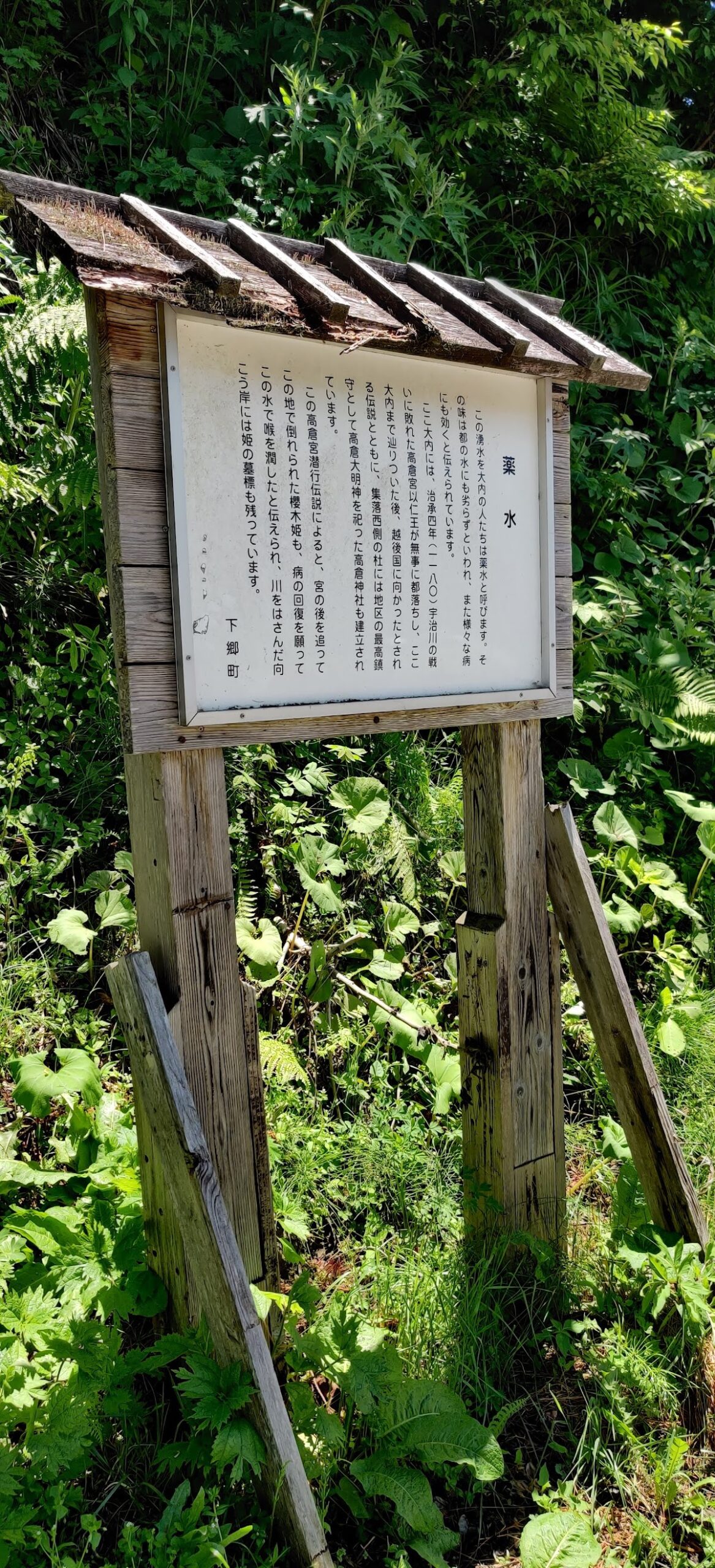
Like famous waters throughout Japan, Roppyakuyama Spring Water has deep connections with local faith. A small shrine is situated near the spring point, and a festival giving thanks for the blessing of water is held once a year. This tradition is still carefully preserved by local residents today and helps foster awareness of protecting the water source.
Water Quality Characteristics of Roppyakuyama Spring Water
Scientific Water Quality Analysis
The water quality of Roppyakuyama Spring Water has its safety confirmed through regular inspections. The following points are noted as general water quality characteristics:
Main Water Quality Indicators:
- pH Value: Weakly alkaline to neutral (approximately pH 6.5-7.5)
- Hardness: Soft to moderately hard water (varies by location)
- Water Temperature: Stable at approximately 10-15°C year-round
- Mineral Components: Contains calcium, magnesium, silicon, and other elements
The fact that the spring water temperature remains nearly constant throughout the year indicates that it is being supplied from a deep groundwater vein. This stability is the reason it can provide high-quality water regardless of season.
Taste Characteristics
Roppyakuyama Spring Water is characterized by a mellow and easy-to-drink mouthfeel. While containing appropriate mineral content, it has little off-flavor and offers a clean aftertaste. This taste is ideal when brewing tea or coffee, allowing the original flavors of the ingredients to shine through.
Some local chefs offer dishes using this spring water, where one can experience how differences in water affect taste. In Japanese cuisine particularly, water quality greatly influences the final result of cooking, so the value of such clear water is highly appreciated.
Access Methods to Roppyakuyama Spring Water
Access by Car
Car access is the most convenient way to reach Roppyakuyama Spring Water. The route involves traveling mountain roads from the nearest major road, but the roads are relatively well-maintained and can be reached without difficulty in a standard vehicle.
Main Access Routes:
- From Fukushima City direction: Approximately 40-50 minutes via national highway
- From Koriyama City direction: Approximately 50-60 minutes utilizing prefectural roads
- From Aizu direction: Approximately 1 to 1.5 hours via mountain area roads
A small parking space is provided near the spring water point, but it may become congested during weekends and holidays, so it is recommended to visit with time to spare.
Access by Public Transportation
When using public transportation, access is by foot from the nearest bus stop. However, since bus frequency is limited, it is important to check the timetable in advance. Additionally, since walking on mountain roads is necessary from the bus stop to the spring water point, appropriate clothing and footwear should be prepared.
Points of Caution When Accessing
- Winter Access: Road conditions may deteriorate during the snow season (December-March). Installation of studless tires and confirmation of the latest road information are essential.
- Weather Impact: After heavy rain or typhoons, some roads may be closed.
- Mobile Phone Reception: Due to the mountainous area, mobile phone signals may be weak in some regions.
Water Collection Methods and Precautions for Roppyakuyama Spring Water
Etiquette and Rules for Water Collection
When collecting Roppyakuyama Spring Water, it is important to observe the following etiquette:
- Container Preparation: Bring clean plastic bottles or poly tanks. If reusing containers, wash them thoroughly beforehand.
- Waiting in Line: During crowded times, maintain a spirit of yielding and respect other visitors.
- Environmental Conservation: Always take trash with you and avoid soiling the areas around the spring water point.
- Appropriate Collection Amount: Avoid collecting excessively large amounts of water, keeping in mind other users.
Water Storage Methods
Points to note when storing collected spring water at home:
- Refrigerated Storage: Store in the refrigerator as soon as possible after collection.
- Storage Period: If consuming without boiling, it is recommended to consume within 2-3 days.
- Container Management: Handle carefully to prevent bacterial growth after opening.
- Boiling Consideration: Boiling before use is also an option for long-term storage or when prioritizing safety.
Precautions When Drinking
Roppyakuyama Spring Water is natural spring water, and while regular water quality inspections are conducted, water quality may fluctuate due to changes in the natural environment. Please note the following points:
- Consultation with Health Status: Special care is needed when immune function is reduced or when giving to infants.
- Response to Abnormalities: If you notice abnormalities in the water’s color, odor, or taste, avoid drinking it.
- Principle of Self-Responsibility: Drinking spring water is at your own risk. If you have concerns, boil it before use.
Tourist Spots Around Roppyakuyama Spring Water
Nature Strolling Courses
Several nature strolling courses are maintained around Roppyakuyama Spring Water. Spring brings wildflowers, summer brings fresh greenery, autumn brings fall foliage, and winter brings snow landscapes—you can walk through forests that show seasonal beauty in different ways.
Multiple strolling routes are available, from beginner-friendly flat paths to full-fledged mountain trails, allowing selection based on fitness level and purpose. Nature activities such as bird watching and mushroom picking (permission may be required) are also popular.
Local Agricultural Product Direct Sales Shop
About 10-15 minutes by car from the spring water point is a direct sales shop selling fresh local agricultural products. Rice and vegetables cultivated using Roppyakuyama Spring Water are known for their high quality and are popular items with visitors.
During harvest season, freshly picked vegetables and fruits line the shelves, allowing for enjoyable shopping while conversing with producers. It is a valuable opportunity to experience the region’s food culture.
Hot Spring Facilities
Within 20-30 minutes by car from Roppyakuyama Spring Water are several hot spring facilities. The course of collecting spring water followed by relaxing in a hot spring is supported by many visitors. Many facilities offer day-use bathing, allowing for casual use.
Hot spring mineral content varies by facility, but many offer expected benefits such as skin improvement and fatigue recovery, allowing one to fully enjoy nature’s blessings.
Regional Initiatives Using Roppyakuyama Spring Water
Establishment of Regional Brand
In recent years, initiatives for regional branding using Roppyakuyama Spring Water have progressed. Local sake breweries manufacture Japanese sake using this spring water, and its high quality is appreciated. It is also used in the manufacture of traditional foods such as tofu and miso, with the added value of “made with Roppyakuyama water” being supported by consumers.
Environmental Conservation Activities
To pass the spring water on to future generations, local residents, government, and NPO groups cooperate in implementing environmental conservation activities. Regular water quality surveys, cleaning activities in the water source area, and afforestation projects are conducted, aiming for sustainable water resource management.
Particularly noteworthy is an environmental education program coordinated with local elementary and middle schools. Children learn the importance of spring water and participate in actual water quality surveys and cleaning activities, fostering awareness of cherishing water resources.
Promotion of Ecotourism
Promotion of ecotourism centered on Roppyakuyama Spring Water is also underway. Guided nature observation tours and cooking experience programs using spring water are being developed as tourist content that allows one to experience nature and culture. These initiatives are noteworthy as efforts to seek both regional economic revitalization and environmental conservation.
Comparison with Famous Waters Throughout Japan
Relation to the Hundred Selected Waters
Japan has “Hundred Selected Waters” chosen by the Ministry of the Environment, with excellent springs and rivers from across the country selected. While Roppyakuyama Spring Water has not been selected among the Hundred Selected Waters, it is recognized by local people as a water source of equal or greater value.
Among selected waters in the Tohoku region are the “Rokugo Spring Water Group” in Akita Prefecture and the “Gassan Foothills Spring Water Group” in Yamagata Prefecture. Comparing these famous waters with Roppyakuyama Spring Water reveals that each has unique characteristics.
Characteristics Comparison with Springs from Other Regions
Rokugo Spring Water Group (Akita Prefecture): Called the “Hundred Clear Waters” due to countless springs scattered throughout, its large scale is characteristic. Development as a tourist destination is progressing.
Gassan Foothills Spring Water Group (Yamagata Prefecture): Snowmelt water that has passed through the ground over approximately 400 years emerges, with extremely clear water quality being characteristic.
Roppyakuyama Spring Water (Fukushima Prefecture): While not large in scale, it continues to be used rooted in the community, with convenient access and stable water quality being its attractions.
These comparisons reveal that Roppyakuyama Spring Water possesses unique value as “community-rooted famous water.” Its simplicity, not being overly developed as a tourist destination, is rather what attracts many enthusiasts.
Four Seasons’ Ways to Enjoy Roppyakuyama Spring Water
Spring (March-May)
The area around Roppyakuyama Spring Water in spring is a season of fresh greenery sprouting with snowmelt. During this period, the spring water becomes abundant in volume due to the influence of snowmelt water accumulated during winter. The surrounding forest blooms with alpine flowers, making it an optimal season for nature observation.
Spring is also mushroom picking season (permission may be required), and the fresh taste of mountain vegetables washed in spring water is exceptional.
Summer (June-August)
Summer Roppyakuyama Spring Water’s appeal is the coolness that makes one forget the heat. Due to its low water temperature year-round, simply immersing one’s hand in the cold spring water allows one to feel refreshed. The surrounding forest is enveloped in deep green, providing an ideal environment for forest bathing.
Summer is also a period when visitors increase, so early morning or weekday visits are recommended. The experience of collecting water in the fresh morning air becomes a particularly special memory.
Autumn (September-November)
Autumn is the season when the Roppyakuyama Spring Water area is most beautifully colored. As autumn leaves reach their peak, they create a spectacular contrast with the clear water. During this period, the spring water recovers stable water volume after the summer dry season, and water quality becomes particularly good.
Many people visit seeking autumn’s flavors, and the deliciousness of new rice cooked with spring water is exceptional. Fresh rice and autumn vegetables are abundant in local direct sales shops, broadening the joy of food.
Winter (December-February)
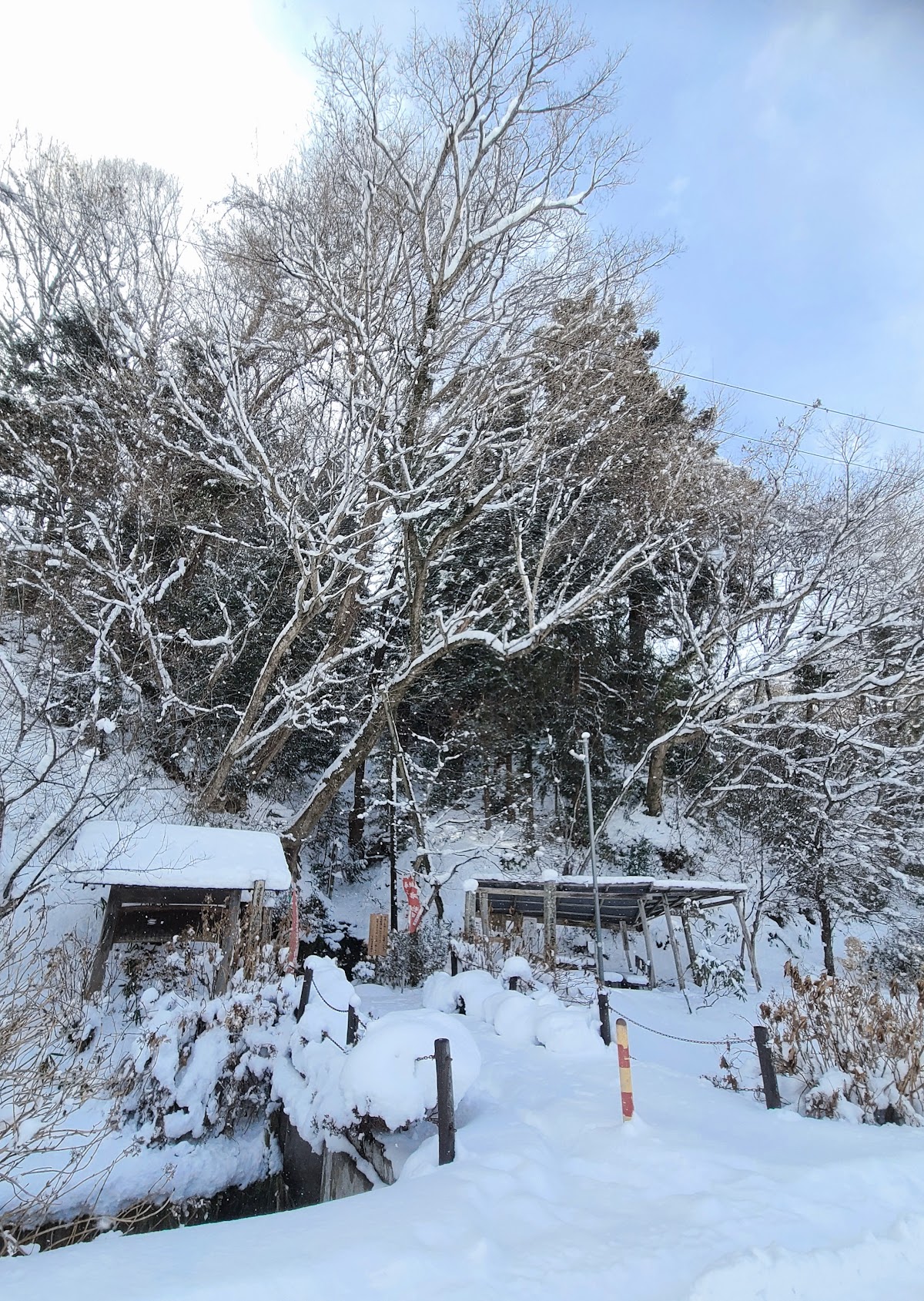
Winter Roppyakuyama Spring Water is a season where one can spend quiet time amid snow scenery. While the area around the spring water point is covered in snow, the spring water itself does not freeze, allowing water collection even in winter. However, careful attention to road conditions and temperature is necessary.
During winter, the number of visitors decreases, allowing for the luxury of spending time with nature in silence. The sight of the spring water glistening with snow crystals possesses a beauty unique to winter.
Packing List for Visiting Roppyakuyama Spring Water
Essential Items
- Water Collection Containers: Plastic bottles (2-liter size × several) or poly tanks
- Appropriate Clothing: Easy-to-move clothing, non-slip shoes
- Towel: For wiping hands and containers
- Plastic Bags: For putting wet items, serving as trash bags
Handy Items to Have
- Work Gloves: Convenient when transporting containers
- Folding Chair: For waiting time during crowded periods
- Cooler Bag: To keep collected water cool
- Camera: For recording beautiful natural scenery
- Insect Repellent Spray: For summer visits
- Portable Food and Drinking Water: Considering round-trip time
Additional Items by Season
Spring/Autumn: Jacket (to respond to temperature changes), raincoat
Summer: Sunscreen, hat, ample drinking water
Winter: Winter clothing, gloves, snow boots, shovel (for vehicle)
Conclusion: The Appeal of Roppyakuyama Spring Water and Recommendation to Visit
Roppyakuyama Spring Water is a precious water resource nurtured by the rich nature of Fukushima Prefecture. Clear water quality, convenient access, and history and culture rooted in the community make this spring water uniquely appealing.
Currently, as the importance of water resources is being rerecognized throughout Japan, visiting regional famous waters like Roppyakuyama Spring Water and experiencing their value provides an excellent opportunity to raise environmental conservation awareness. The experience of direct contact with nature and the blessing of clear water, something not obtainable in urban life, is also ideal for refreshing body and mind.
When visiting Roppyakuyama Spring Water, it is important not to forget consideration for the natural environment and to use it while observing etiquette. It is important that each individual acts responsibly so this precious water resource is passed on to future generations.
If you have the opportunity to visit Fukushima Prefecture, please be sure to stop at Roppyakuyama Spring Water and experience its clear water and rich nature. The blessing of water that local people have carefully protected is sure to bring you special memories.