Complete Guide to Yakuoin-shimo Yugenshui no Sato (Akita) | Access, Water Quality, and Surrounding Tourism Information
Akita Prefecture is home to numerous pristine spring water spots nurtured by abundant nature. Among them, “Yakuoin-shimo Yugenshui no Sato” is a precious water source that has been cherished by local residents for many years. This article provides detailed information about the charm of this spring water site, access methods, water quality characteristics, and surrounding tourism information that you should know before visiting.
What is Yakuoin-shimo Yugenshui no Sato?
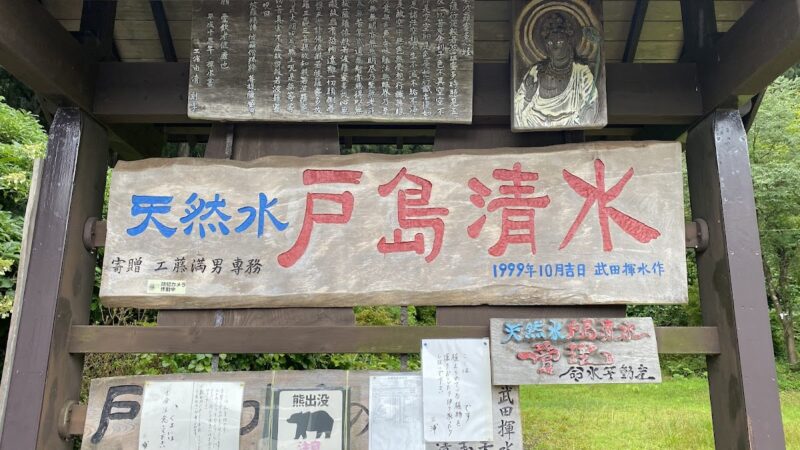
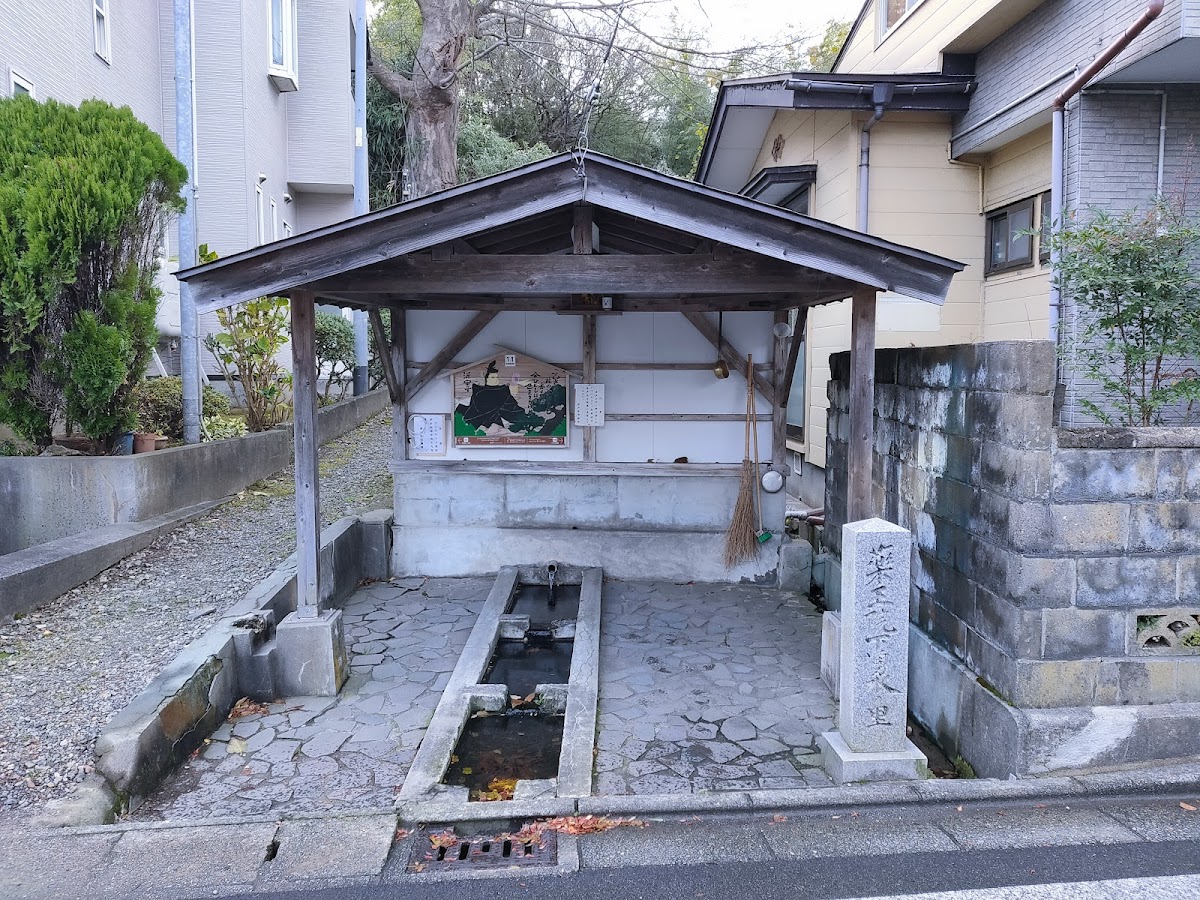
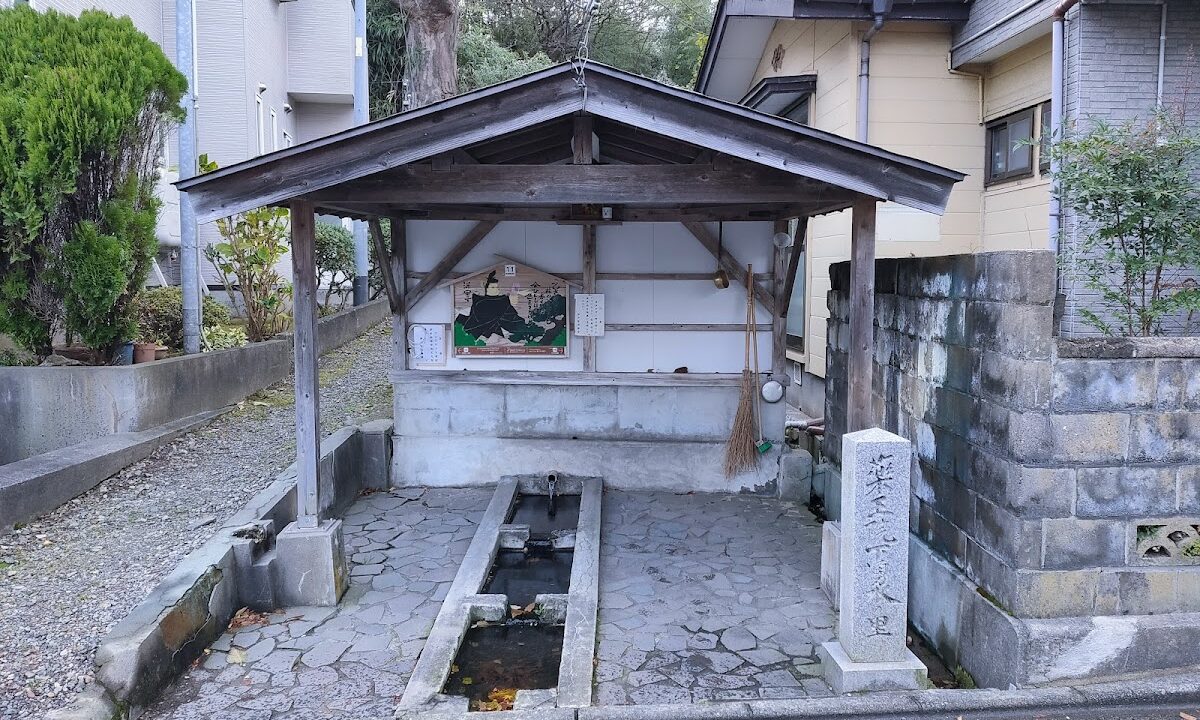
Yakuoin-shimo Yugenshui no Sato is a natural spring water spot located in Akita Prefecture. The name “Yakuoin” suggests that this place has been deeply connected with local faith since ancient times. The spring water maintains a stable water volume throughout the year and has a history of being used as domestic water and agricultural water for the local community.
Historical Background of the Spring Water
Akita Prefecture has abundant snowfall and mountainous terrain, and snowmelt and groundwater veins create rich spring water. Yakuoin-shimo Yugenshui was also formed through these natural blessings and has been closely linked to the region’s history and culture.
Since ancient times, it has been known as water that springs near Yakuoin temple, where the Medicine Buddha (Yakushi Nyorai) is enshrined. According to tradition, people who visited to pray for healing from illness and health would drink this pure water or take it home with them.
Water Quality and Characteristics of Yakuoin-shimo Yugenshui
Excellent Water Quality Characteristics
Water quality varies greatly depending on the geology and environment of an area. Spring water in Akita Prefecture generally has the following characteristics:
- Soft water tendency: Relatively low mineral content, smooth and easy to drink
- Stable low temperature: Water temperature remains constant throughout the year, cold in summer and relatively warm in winter
- High transparency: Few impurities, clear water quality
- pH value: Weakly alkaline to neutral range
Yakuoin-shimo Yugenshui is thought to possess the typical characteristics of Akita spring water and is evaluated as high-quality water suitable for drinking and cooking.
Spring Water Volume and Seasonal Fluctuation
Spring water volume varies with seasons and precipitation, but many Akita spring water spots maintain stable water volume. Especially during the spring snowmelt season, water volume increases, allowing you to see a richer water flow.
Access Methods and Location Information
Basic Information
When visiting Yakuoin-shimo Yugenshui no Sato, it is important to confirm the exact location and transportation method in advance. Spring water spots in Akita Prefecture are often located in mountainous or rural areas, and public transportation access may be limited.
Access by Car
Visiting by private vehicle or rental car is most convenient:
- Access via Akita Expressway is typical
- Via prefectural and municipal roads from the nearest interchange
- Set your car navigation to “Yakuoin” or nearby major facilities
- We recommend confirming parking space availability in advance
Access by Public Transportation
When using public transportation:
- Use buses or taxis from the nearest JR station
- Note that bus routes may have limited service, so check the schedule in advance
- For taxis, consider arranging a round-trip
Precautions When Visiting
- Winter: Snow accumulation and road freezing may make access difficult
- Rainy weather: Ground becomes slippery, so wear appropriate footwear
- Items to carry: Container for collecting water, towel, insect repellent spray (summer), etc.
How to Use Spring Water and Etiquette
Water Collection Etiquette
Spring water spots are shared community resources. Please follow the following etiquette when using them:
- Use clean containers: Bring pre-washed clean containers
- Observe order: Show a spirit of consideration if other users are present
- Don’t monopolize: Be considerate of others if collecting large amounts
- Don’t pollute the surroundings: Take all garbage with you
- Don’t contaminate the water source: Don’t dip containers directly into the spring
Precautions When Drinking
When drinking spring water, please note the following:
- Boiling recommended: Drink raw water at your own risk; boiling makes it safer
- Water quality testing: Confirm whether regular water quality testing is conducted
- Health condition: Avoid drinking if you are unwell or have low immunity
- Storage method: Keep collected water refrigerated and use promptly
Surrounding Tourist Spots
Yakuoin Temple
Yakuoin, which the spring water is named after, is a must-visit spot when you come here. This temple enshrines the Medicine Buddha (Yakushi Nyorai) as its principal object of worship and attracts believers seeking prayers for health and healing from illness.
- Visiting hours: During daylight (specific hours require confirmation)
- Admission fee: Free or by donation
- Points of interest: Main hall, temple grounds’ natural features, seasonal flowers
Akita’s Natural Spots
Various spots where you can enjoy Akita’s abundant nature are scattered around the Yakuoin-shimo Yugenshui area:
- Forest bathing: Hiking and walks in the surrounding forests
- Clear streams: Walking paths along crystalline waterways
- Bird watching: Various birds visit depending on the season
Local Hot Spring Facilities
Akita Prefecture is also known as a hot spring kingdom. It’s recommended to visit nearby hot spring facilities along with the spring water to relax.
Seasonal Attractions
Spring (March–May)
- Snowmelt water: Abundant water volume with the most vigorous spring flow
- Fresh greenery: Surrounding trees leaf out with a refreshing landscape
- Mountain vegetables: Some areas allow mountain vegetable gathering
Summer (June–August)
- Coolness: Cold spring water relieves the heat
- Leafy shade: Dappled sunlight is pleasant, ideal as a summer retreat
- Wildlife: Active insect and small animal activity
Autumn (September–November)
- Fall foliage: Surrounding mountains turn colors, creating spectacular views
- Clear air: Autumn’s crisp air and spring water in perfect harmony
- Harvest: Local agricultural products are abundant
Winter (December–February)
- Silence: Mystical snow-covered landscape
- Temperature contrast: Steam rises from the spring water due to temperature difference with outside air, creating a mysterious sight
- Access concerns: Heavy snow may make visiting difficult
Other Famous Water Spots in Akita Prefecture
Akita Prefecture has many excellent spring water spots besides Yakuoin-shimo Yugenshui no Sato:
Rokugou Spring Water Group (Misato Town)
A spring water group selected as one of Japan’s “Hundred Famous Waters of the Heisei Era,” with over 60 spring water points throughout the town.
Chikaramizu (Senboku City)
A spring located near Lake Tazawa, traditionally revered as sacred water.
Motodaki Fukuryusui (Nikaho City)
A width of approximately 30 meters where water from beneath Mount Chokai emerges like a waterfall.
Regional Initiatives Using Spring Water
Regional Brand Development
Many regions in Akita Prefecture are working to develop local brand products and brands utilizing spring water:
- Sake: Sake brewing using famous water
- Tofu: Silken tofu made with spring water
- Soba: Hand-made noodles using spring water
- Coffee: Coffee brewed with spring water
Environmental Conservation Activities
Local residents and volunteer organizations are actively engaged in spring water conservation:
- Regular cleaning activities
- Water quality monitoring
- Surrounding environment improvement
- Awareness campaigns and environmental education
Scientific Aspects of Spring Water
Spring Water Mechanism
Spring water appears at the surface through the following process:
- Precipitation: Rain or snow falls on the ground
- Infiltration: Water seeps into the soil
- Filtration: Impurities are removed as water passes through rock layers
- Accumulation: Groundwater accumulates above impermeable layers
- Emergence: Water springs forth at the surface due to topographical and geological conditions
Factors Determining Water Quality
Spring water quality is determined by the following factors:
- Geology: Type of rock layers passed through (volcanic rock, sedimentary rock, etc.)
- Residence time: Duration the water spends underground
- Depth: Depth of groundwater veins
- Surrounding environment: Land use such as forests or farmland
Cooking with Spring Water and Recipes
Spring Water Rice
Rice cooked in high-quality water brings out the rice’s inherent sweetness and aroma:
- Rinse rice with spring water
- Soak for approximately 30 minutes
- Cook rice with spring water
- Steam for 10 minutes after cooking is complete
Spring Water Dashi
Brings out the umami of kombu and bonito flakes to the fullest:
- Soak kombu in spring water overnight
- Heat slowly over low heat
- Remove kombu just before boiling
- Add bonito flakes and turn off heat
- Strain before use
Spring Water Coffee
Soft spring water is ideal for coffee extraction:
- Bean flavor extracts gently
- Bitterness and astringency are suppressed
- Smooth mouthfeel
Photography Tips
Recommended Photography Spots
- Spring source: Capture the moment water emerges
- Water surface: Surrounding landscape reflected in calm water
- Water flow: Use slow shutter to express water movement
- Surrounding environment: Seasonal nature in collaboration with spring water
Photography Techniques
- Early morning: Spring water illuminated by sunrise is mystical
- Polarizing filter: Suppresses water surface reflection to emphasize transparency
- Tripod: Long exposure creates smooth water movement
- Macro lens: Close-up of water droplets and water texture
Contributing to Environmental Conservation
What Visitors Can Do
Environmental conservation actions we can take when visiting spring water spots:
- Zero garbage: Take all garbage with you
- Nature protection: Don’t harvest plants or trample vegetation
- Water quality protection: Don’t bring detergents or chemicals
- Information sharing: Share the importance of environmental conservation via SNS
- Regional support: Purchase local specialty products to support the local economy
Sustainable Use
To pass spring water on to future generations:
- Avoid excessive extraction
- Be mindful of development near water sources
- Participate in local conservation activities
- Utilize as an opportunity for environmental education
Health Benefits of Spring Water
Value as Mineral Water
Natural spring water contains various minerals:
- Calcium: Maintains bone and tooth health
- Magnesium: Supports enzyme function
- Potassium: Regulates water balance in the body
- Sodium: Involved in nerve transmission and muscle contraction
Importance of Hydration
Proper intake of high-quality water is essential for maintaining health:
- Adults need approximately 2 liters of water daily
- Frequent hydration is effective
- Make water intake a habit upon waking, before meals, and before bed
Connection with Local Culture
Festivals and Events
Spring water is deeply connected to local festivals and events:
- Water deity festival: Festival to express gratitude for water’s blessings
- Cleaning activities: Regular cleaning by local residents
- Environmental learning: Venue for elementary school field trips and environmental education
Folklore and Traditions
Local folklore and traditions related to spring water may remain in the region:
- Legends of illnesses being healed
- Stories of the Medicine Buddha’s miraculous powers
- Tales of people who protected the water source
Visiting Planning Tips
Time Required
- Spring water viewing only: 30 minutes to 1 hour
- Including surrounding walk: 2-3 hours
- Including temple visit: Half day
- Including surrounding sightseeing: Full day
Packing Checklist
- Container for collecting water (10-20 liters)
- Towel
- Comfortable walking shoes
- Rain gear (folding umbrella, etc.)
- Insect repellent spray (summer)
- Camera
- Map or smartphone
- Drinking water and light snacks
Best Time to Visit
- Beginners: Spring to autumn (April–November) recommended
- Photography enthusiasts: Fresh greenery in May, fall foliage October–November
- Water volume priority: Snowmelt season March–May
- Quiet atmosphere priority: Weekday early mornings
Conclusion
Yakuoin-shimo Yugenshui no Sato is a precious spot where you can experience the natural blessings that Akita Prefecture offers. The pure spring water has long supported the lives of local people and has been cherished as an object of faith.
When visiting, confirm access methods and seasonal characteristics in advance and prepare appropriately before departing. When using spring water, don’t forget consideration for local etiquette and environmental conservation.
Experiencing the blessings of spring water nurtured by Akita’s abundant nature through all five senses provides valuable time that makes you forget the hustle and bustle of daily life. At Yakuoin-shimo Yugenshui no Sato, enjoy a journey where you touch the mystery of nature and the region’s history and culture.
When combined with surrounding tourist spots and hot spring facilities, your Akita trip becomes even more fulfilling. Experience the spring water site in its various seasonal expressions, and please visit many times over.