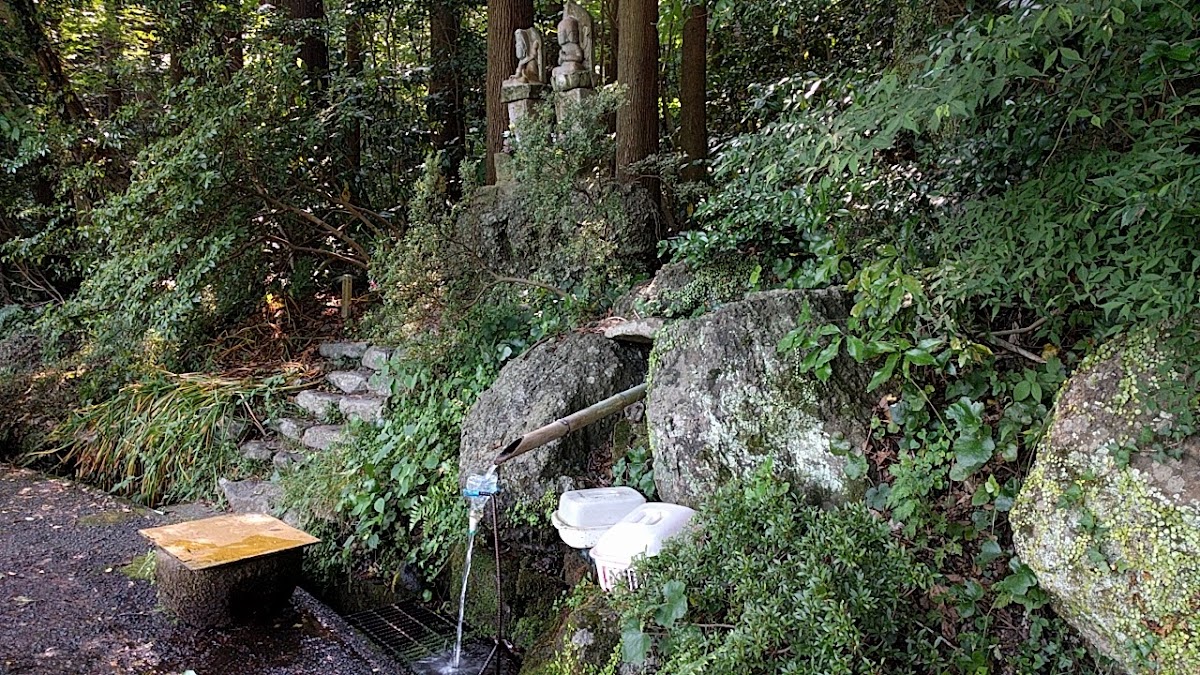

Spring Water Eel from Fukuoka Prefecture: A Complete Guide to Premium Eel Raised in Natural Water and Top Restaurant Recommendations
Fukuoka Prefecture is one of Japan’s premier eel-producing regions, where abundant groundwater resources and a unique eel culture have converged. In particular, eel aquaculture utilizing “spring water” has attracted nationwide attention as a distinctive feature unique to Fukuoka Prefecture. This article provides a comprehensive introduction to the appeal of Fukuoka’s spring water eel, the secrets of its aquaculture techniques, and top restaurants where you can savor premium eel raised in spring water.
What is Fukuoka’s Spring Water Eel? Its Special Appeal
The Uniqueness of Spring Water Aquaculture
The most distinctive characteristic of eel aquaculture in Fukuoka Prefecture is “spring water aquaculture,” which uses natural spring water pumped from deep underground. Unlike ordinary aquaculture ponds, by using clear groundwater pumped from depths of over 100 meters, an ideal growth environment for eels is realized.
The main benefits obtained through spring water use are as follows:
- Water Quality Stability: Water temperature and quality remain stable throughout the year, minimizing stress on eels
- Natural Minerals: Spring water that has passed through geological layers contains abundant natural minerals that bring out the umami flavor of eels
- Cleanliness: Clear water quality with virtually no contaminants produces odorless eels
- Oxygen Concentration: Spring water is rich in oxygen, promoting healthy eel growth
The Challenge of Surpassing Wild Eels in Quality
Many eel farmers in Fukuoka Prefecture work toward aquaculture with the aspiration of “raising eels that surpass wild eels.” In the unique aquaculture method utilizing spring water, clean gravel is laid on the pond floor, establishing a natural purification system through bacteria that colonize it.
Through this method, the aquaculture pond is maintained in a perpetually clear state like a clean stream, and eels grow in an environment as close to nature as possible. As a result, eels of quality matching or even surpassing wild eels are being produced.
The Secrets of Fukuoka’s Spring Water Eel Aquaculture Techniques
The Yamamichi Method: An Innovative Aquaculture System
The aquaculture technique called the “Yamamichi Method,” developed in Fukuoka Prefecture, has attracted attention from eel farmers throughout the nation. The core of this method lies in recreating natural environments as closely as possible.
Main Characteristics of the Yamamichi Method:
- Groundwater Utilization: Using only natural water pumped from over 100 meters underground
- Gravel Filtration System: Natural purification through gravel laid on the pond floor and bacteria
- Appropriate Stocking Density: Creating a non-stressful environment by avoiding overstocking
- Careful Feed Selection: Promoting healthy growth by providing high-quality feed in appropriate amounts
- Time-Intensive Cultivation: Producing firm-textured eels by taking time rather than rushing
Quality Management Through Six-Sector Integration
Progressive eel producers in Fukuoka Prefecture are realizing “six-sector integration,” conducting everything from aquaculture to processing to sales in-house. This creates the following advantages:
Aquaculture (Primary Industry)
- Original aquaculture techniques using spring water
- Thorough water quality and health management
- Traceability assurance
Processing (Secondary Industry)
- Quality maintenance through processing while fresh
- Careful cooking by skilled craftspeople
- Original sauce development
Sales and Service (Tertiary Industry)
- Freshness assurance through direct-operated stores
- Direct feedback of customer reactions to aquaculture
- Brand value enhancement
This integrated system realizes the philosophy: “For deliciousness and peace of mind, we handle everything from eel farming to grilling ourselves.”
Fukuoka’s Spring Water Eel Restaurant Guide
Yamamichi Aquaculture Direct-Operated: Unagi-dokoro Yamamichi / Unagi Ryori Yamamichi
As a premier spring water eel restaurant representing Fukuoka Prefecture, the direct-operated restaurants of Yamamichi Aquaculture are exemplary. They offer eels raised in spring water at their own aquaculture facilities, representing a successful case of six-sector integration.
Characteristics:
- Eels raised in natural water pumped from 100 meters underground
- Integrated quality management from farming to cooking
- Cultivation in a stream-like environment through gravel filtration system
- Menu selection allowing enjoyment of exceptional flavors
At the restaurants, you can enjoy the refined taste without any unpleasant odor unique to spring water-raised eels, along with their fluffy texture. Reservations are recommended for these popular establishments.
Long-Established Specialty Shops in Fukuoka City
Yoshizuka Unagiya (Nakasu, Hakata Ward)
A long-established Fukuoka representative eel shop with over 150 years of history. Located in Nakasu, the lively heart of Hakata, it has been beloved for many years and is known as a favorite of Tamori, who hails from Fukuoka.
- A unique unagi-donburi style with eel and rice separated
- Secret sauce passed down through generations
- A historic establishment that has witnessed Fukuoka’s development
Imasuke Fukuoka Kosasane Main Branch (Kosasane, Chuo Ward)
Despite being founded in 2022, this specialty shop has already gained high evaluation among food enthusiasts. It has gained popularity for its grilled rare Nagoya blue-hand eels and traditional Kyushu-style steamed-basket preparations.
- Use of carefully selected blue-hand eels
- Aromatic finish through charcoal grilling
- Relaxed atmosphere in Fukuoka’s Yakuin area, Chuo Ward
Steamed-Basket Specialty Restaurants in Yanagawa
Ganso Honkichiya Main Branch (Yanagawa City)
An ultra-historic establishment with 300 years of history, the oldest of the old in Yanagawa City, Fukuoka Prefecture. It is nationally famous as the birthplace of Yanagawa’s signature dish “steamed-basket eel.”
- Unchanging taste passed down through 300 years
- Historic status as the birthplace of steamed-basket preparation
- History intertwined with Yanagawa’s water village culture
Yanagawa’s steamed-basket eel is a cooking method unique to Fukuoka Prefecture: sauce-coated rice is topped with grilled eel, and together with egg threads, it is steamed in a basket. Through steaming, the eel and rice become unified, creating a fluffy texture and deep flavor.
Notable Establishments in the Kurume Area
Near the Chikugo River, steamed-basket specialty restaurants are scattered throughout. Steamed-basket eel in the Kurume area is characterized by refined flavor with not-too-strong sauce, and the local eating style of ordering it alongside salt-grilled eel is also popular.
Characteristics of Kurume’s Steamed-Basket Eel:
- Sauce for rice is restrained, bringing out the taste of the ingredients
- A unique water culture from a region blessed by the Chikugo River
- Different flavors can be enjoyed by ordering sets with salt-grilled eel
Emerging Establishments in the Itoshima Area
Specialty eel restaurants utilizing spring water are increasing in the Itoshima area of Fukuoka Prefecture. Itoshima is blessed with abundant groundwater resources, making fresh spring water-based aquaculture and cooking possible.
Appeal of Itoshima Eel Restaurants:
- Itoshima’s abundant natural environment
- High-freshness eels using groundwater
- Location allowing enjoyment combined with tourism
Fukuoka’s Eel Culture: The Appeal of Steamed-Basket Eel
What is Steamed-Basket Eel?
Steamed-basket eel is a unique eel cooking method that developed particularly in the Yanagawa area of Fukuoka Prefecture. Distinct from the Kanto “kabayaki” (grilled eel) and Kansai “jiyaki” (directly grilled), it is known nationwide as a cooking style unique to Kyushu.
Steamed-Basket Eel Cooking Process:
- Open the eel, insert a skewer, and prepare white grilled
- Apply secret sauce and finish grilling
- Place sauce-coated rice in a steaming basket
- Top with the finished grilled eel
- Add garnishes such as egg threads
- Steam in the basket (approximately 5–10 minutes)
Benefits of Steamed-Basket Eel
Unique effects created through steaming:
- Unity: Eel and rice become unified through steam, creating harmonious flavor
- Fluffy Texture: Steaming makes the eel even fluffier and softer
- Sauce Penetration: Sauce permeates the entire rice evenly
- Heat Retention: The steaming basket’s insulating effect keeps everything warm until the end
- Better Digestibility: Steaming makes it easier to digest, also considering health management
Steamed-Basket Eel as a Hakata Specialty
Many specialty shops in Fukuoka City serve this cooking method as “Hakata Specialty: Steamed-Basket Eel.” This cooking technique, originating in Yanagawa, has now spread throughout Fukuoka Prefecture, becoming one of the prefecture’s representative regional dishes.
On the other hand, some restaurants offer “slow earth-grilling without steaming using skilled technique,” and Fukuoka Prefecture is characterized by offering various eel styles.
Fukuoka’s Eel Distribution: At the Wholesale and Retail Level
The Role of Fukuoka Tansuisui Corporation
Fukuoka Tansuisui Corporation, located at the foot of Tachibana Mountain in Shingu Town, Fukuoka Prefecture, delivers fresh and delicious eel throughout Fukuoka Prefecture and beyond through wholesale and retail of eel.
Handled Products:
- Shirasuunagi (young eel larvae)
- Kuro-ko (juvenile eels)
- Live eels
- Processed products
The location at the foot of Tachibana Mountain is blessed with abundant groundwater resources, providing an optimal environment for eel storage and management. The existence of such wholesalers makes it possible for many specialty shops throughout Fukuoka Prefecture to receive stable supplies of high-quality eel.
National Expansion
Spring water eels raised in Fukuoka Prefecture are supplied to famous restaurants nationwide due to their high quality. Eels raised through original aquaculture techniques are highly evaluated by professional chefs for their lack of odor and firm flesh.
A Guide to Enjoying Fukuoka’s Eel
The Recommendation for Reservations
Most popular eel restaurants in Fukuoka Prefecture recommend or require reservations. Advance reservations are particularly important for the following types of establishments:
- Historic long-established restaurants (those with over 150 years of history)
- Specialty shops operated directly by producers
- Small-scale restaurants with limited seating
- Weekends, holidays, and Doyo no Ushi no Hi (specific days traditionally associated with eating eel)
When making a reservation, mentioning your preferred menu (steamed-basket eel, unagi-donburi, etc.) and time slot allows for smoother arrangements.
How to Choose From the Menu
How to choose when uncertain at Fukuoka’s eel restaurants:
For First-Time Visitors
- Steamed-basket eel: Experience Fukuoka Prefecture’s unique cooking method
- Unagi-donburi (Regular): Confirm the taste with a standard-sized portion
For Eel Connoisseurs
- White grilled: Directly enjoy the taste of the ingredients
- Salt grilled: Savor the eel’s natural flavor
- Premium steamed-basket eel: Indulge in the finest eel lavishly
For Those Conscious of Health Management
- Steamed-basket eel: More easily digestible through steaming
- Salt grilled: Healthy option without sauce
Price Ranges and Budget
Typical price ranges at Fukuoka’s eel restaurants:
- Budget-Friendly Establishments: Approximately 2,000–3,500 yen
- Mid-Range Establishments: Approximately 3,500–5,000 yen
- High-End Establishments: 5,000 yen and above
Restaurants using high-quality eel raised in spring water or historic long-established shops set higher prices, but in return offer exceptional flavors to savor.
Access and Business Hours
Major eel areas within Fukuoka Prefecture:
Within Fukuoka City
- Nakasu Area: Concentration of long-established restaurants, excellent subway access
- Yakuin/Kosasane Area: Hidden gem restaurants in residential neighborhoods
- Around Hakata Station: Convenient for tourists
Yanagawa City
- Birthplace of steamed-basket eel, combine with water village tourism
- Multiple well-known restaurants within walking distance from Nishi-Tetsutsu Yanagawa Station
Kurume City
- Many noted restaurants along the Chikugo River
- Convenient car access
Itoshima City
- Natural environment, visit while driving
- Some restaurants have attached direct sales outlets
Business hours vary by establishment, but most operate 11:00–14:00 (lunch) and 17:00–20:00 (dinner) in two shifts. Many restaurants close when sold out, so early arrival is recommended.
Fukuoka’s Spring Water Culture and the Future of Eel Aquaculture
Initiatives Toward Sustainable Aquaculture
Eel farmers in Fukuoka Prefecture are undertaking various initiatives aimed at sustainable aquaculture:
Environmental Conservation
- Appropriate use and preservation of spring water
- Minimizing chemical use through natural purification systems
- Participation in regional water resource protection activities
Resource Management
- Appropriate sourcing of young eel larvae
- Healthy aquaculture avoiding overstocking
- Traceability assurance
Technology Development
- Research on more efficient aquaculture systems
- Feed improvement reducing environmental impact
- Enhancement of disease prevention technology
Contribution to Regional Economy
The spring water eel industry greatly contributes to Fukuoka Prefecture’s regional economy:
- Job Creation: Employment in farms, processing facilities, and direct-operated stores
- Tourism Promotion: Increased tourists visiting for eel
- Regional Branding: Brand value enhancement as “Fukuoka’s Spring Water Eel”
- Six-Sector Integration: Added value creation through integration of agriculture, manufacturing, and services
Succession to the Next Generation
Active efforts continue to pass Fukuoka’s eel culture to the next generation:
- Training programs for young craftspeople
- Documentation and succession of aquaculture techniques
- Food education activities for regional children
- Information dissemination of eel culture
Advice for Visitors From Outside Fukuoka Prefecture
How to Plan a Fukuoka Eel Tour
Model one to two-day courses for enjoying Fukuoka’s eel:
Day 1: Fukuoka City Course
- Morning: Arrive at Hakata Station, lunch at a long-established shop in Nakasu
- Afternoon: Sightseeing in Fukuoka City (Dazaifu Tenmangu, etc.)
- Evening: Dinner at a specialty shop in the Yakuin area
Day 2: Yanagawa/Kurume Course
- Morning: Move to Yanagawa, water village tours
- Lunch: Steamed-basket eel lunch at a long-established Yanagawa restaurant
- Afternoon: Move to Kurume, Chikugo River area sightseeing
- Evening: Early dinner at a Kurume eel restaurant
Language Support
Major eel restaurants in Fukuoka Prefecture are increasingly accommodating international tourists:
- English menus available (at major establishments)
- Traditional Chinese (Traditional Characters) support
- Photo menus available for those uncertain about Japanese
- Improved online reservation systems
Eel as Souvenirs
Fukuoka’s eel is also popular as souvenirs:
- Vacuum-packed grilled eel (room temperature storage available)
- Frozen eel (shipped via cold delivery)
- Eel sauce (recreate secret flavors at home)
- Eel tea-over-rice sets
Direct-operated shops and specialty restaurants sell products using their own eel, allowing you to enjoy Fukuoka’s taste at home.
Summary: The Appeal of Fukuoka’s Spring Water Eel
Fukuoka Prefecture’s spring water eel represents a special existence within Japan’s eel culture, where abundant groundwater resources, unique aquaculture techniques, and traditional cooking methods converge.
Characteristics of Fukuoka’s Spring Water Eel:
- Clear Spring Water: Aquaculture using natural water pumped from depths of over 100 meters underground
- Original Aquaculture Techniques: Cultivation methods like the Yamamichi Method that recreate natural environments
- Six-Sector Integration: Integrated quality management from farming to cooking
- Steamed-Basket Eel Culture: Unique flavors through a cooking method distinctive to Fukuoka Prefecture
- Diverse Notable Restaurants: Various styles enjoyable from long-established to newly opened establishments
Within Fukuoka Prefecture, diverse eel experiences await: eels at long-established shops in Nakasu and Yakuin in Fukuoka City, steamed-basket specialty restaurants in Yanagawa as the birthplace of this technique, renowned restaurants along the Chikugo River in Kurume, and eels raised in the natural environment of Itoshima.
Make a reservation and savor Fukuoka’s spring water eel carefully and thoroughly. The premium eel raised with the aspiration to surpass wild eel will surely provide an exceptional culinary experience. When visiting Fukuoka Prefecture, be sure to taste this special spring water-raised eel and experience its profound flavor and culture.