
Taro-bo Shimizu (Ippai Shimizu) Complete Guide | The Charm of the Minamoto no Yoshiie Legend and Water of Longevity
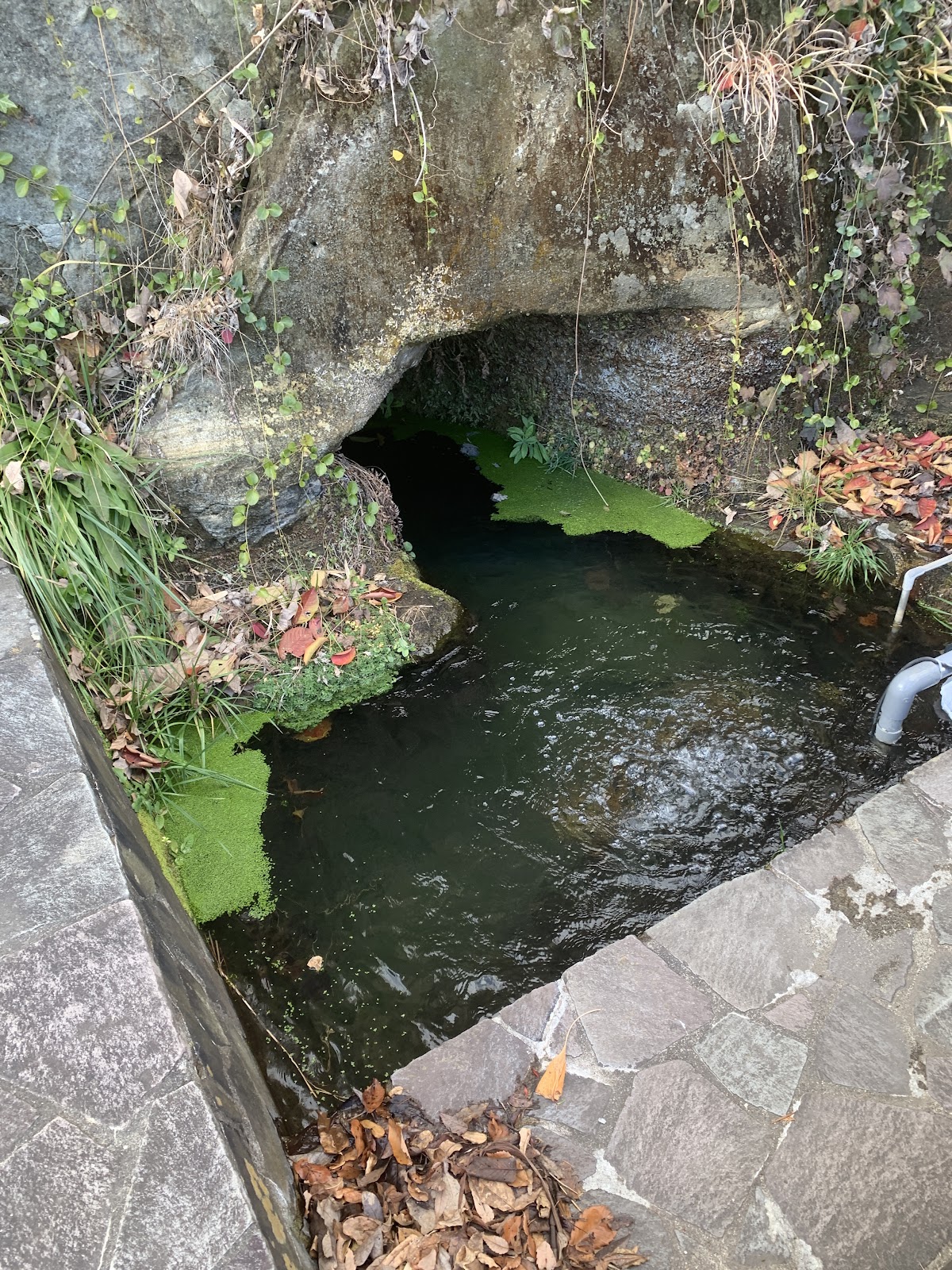
Taro-bo Shimizu, or sacred spring water known as Ippai Shimizu, is one of the historically significant spring waters scattered throughout various regions of Japan. The spring water remaining particularly near Hiraizumi in Iwate Prefecture and in Shinchi Town in Fukushima Prefecture have gathered beliefs related to legends surrounding Minamoto no Yoshiie and faith in water of longevity, with many people still visiting today. This article provides detailed explanations of these Taro-bo Shimizu springs, including their historical background, traditions, access methods, and surrounding tourist information.
What is Taro-bo Shimizu (Ippai Shimizu)?
Taro-bo Shimizu is a collective term for spring waters existing in multiple regions. Also known by the name “Ippai Shimizu,” each region possesses its own unique history and legends. The most famous are the spring waters remaining in Oshu City, Iwate Prefecture and Shinchi Town, Fukushima Prefecture, both of which have preserved traditions related to Minamoto no Yoshiie and the Zenkunen War.
Origins and Meaning of the Name
The name “Ippai Shimizu” has different origins depending on the region. The Ippai Shimizu in Iwate Prefecture is said to derive from water that Minamoto no Yoshiie discovered by digging to quench the thirst of his soldiers, with its name coming from the fact that the limited spring water was shared one cup at a time. On the other hand, “Ippai Shimizu” in Shinchi Town, Fukushima Prefecture, is said to have gotten its name from people repeatedly asking for “just one more cup!” due to its extraordinary deliciousness, and is also known as water of longevity.
Iwate Prefecture’s Ippai Shimizu | Legends of Minamoto no Yoshiie and the Zenkunen War
Historical Background and the Zenkunen War
The Ippai Shimizu located at Samukaze Pass in the southwestern area of Koganei District, Oshu City, Iwate Prefecture, is an important historic site related to the Zenkunen War (1051-1062). The Zenkunen War was a battle in which the father and son Minamoto no Yoriie and Yoshiie advanced to Oshu to subjugate the Abe clan, with many legends from the battles of that time remaining in this region.
Minamoto no Yoshiie’s Prayer and the Miracle of Spring Water
According to legend, when Minamoto no Yoshiie advanced his troops to Samukaze Pass, his retainers complained of thirst. Yoshiie prayed at the Hachiman Shrine and received an oracle from the deity saying, “There is spring water, so try digging.” When Yoshiie dug at that location with his bow and arrow, water sprang forth just as the deity’s oracle had promised.
This miraculous spring water is said to have quenched the soldiers’ thirst and raised the morale of the military force. From the fact that it was shared one cup at a time with care, the name “Ippai Shimizu” was given.
Location and Access Information
Location: Koganei District, Oshu City, Iwate Prefecture (near Samukaze Pass)
Access Methods:
- By car: approximately 30 minutes from Mizusawa IC on the Tohoku Expressway
- By public transportation: approximately 40 minutes from JR Mizusawa Station by bus or taxi
Since Samukaze Pass is located in a mountainous area, heavy snow may make passage difficult during winter. It is recommended to check road conditions before visiting.
Value as a Historic Site Related to Hiraizumi
Ippai Shimizu is positioned as a related historic site of the World Heritage Site Hiraizumi. While Hiraizumi Culture was built by the Oshu Fujiwara clan, the Zenkunen War and Kounnen War are important historical backgrounds to its prehistory. This region has scattered historic sites related to Minamoto no Yoshiie and the Abe clan, making it a valuable tourist resource for history enthusiasts.
Fukushima Prefecture’s Shinchi Town “Ippai Shimizu” | Legend of Water of Longevity
Name Born from Its Deliciousness
The “Ippai Shimizu” located in Shinchi Town, Soma District, Fukushima Prefecture, has a different origin from Iwate Prefecture’s Ippai Shimizu. This spring water received its name from the fact that visitors, impressed by its extraordinary deliciousness, repeatedly ask for “one more cup!” “Ippai Shimizu” was named after this practice.
Faith as Water of Longevity
Ippai Shimizu carries a legend that “drinking this water allows you to live long,” and is also called “water of longevity.” Not only local people but also visitors from distant places come to pray for health and longevity without end. The spring water remains cold and clear throughout the year, with a water quality characterized by abundance of minerals.
Location and Access Information
Location: Shinchi Town, Soma District, Fukushima Prefecture
Access Methods:
- By car: approximately 10 minutes from Shinchi IC on the Joban Expressway
- By public transportation: approximately 15 minutes on foot or by taxi from JR Joban Line Shinchi Station
Inquiries: Tourism Division, Shinchi Town Hall (Phone number can be confirmed on the town’s official website)
Community and Conservation of the Spring Water
Ippai Shimizu in Shinchi Town is carefully preserved by local residents. Regular cleaning activities and water quality management are conducted so visitors can safely draw water. Even after the Great East Japan Earthquake, it remains beloved by many people as a symbol of the community’s recovery.
Taro-bo Name and Connection to Tengu Belief
Origin of the Name Taro-bo
The name “Taro-bo” is deeply connected to mountain worship and tengu legends throughout Japan. In particular, Taro-bo Shrine (Aga Shrine) in Higashi-Omi City, Shiga Prefecture, is known as a center of tengu worship, with the tengu in this region called “Taro-bo.”
The “Taro-bo” in the name of Taro-bo Shimizu may also be related to such tengu worship and mountain worship. The Hachiman Shrine where Minamoto no Yoshiie prayed is also connected to mountain worship, and the miracle of the spring’s emergence was received as divine protection.
Place Names Related to Taro-bo Throughout Japan
Various place names and facilities called Taro-bo exist throughout Japan:
- Higashi-Omi City, Shiga Prefecture: Taro-bo Shrine (Aga Shrine) – Revered as the deity of victory and fortune
- Gotemba City, Shizuoka Prefecture: Taro-bo at the mid-slopes of Mt. Fuji – An important point on the climbing route
- Iwate and Fukushima Prefectures: Taro-bo Shimizu (Ippai Shimizu) – Sacred spring water of the Minamoto no Yoshiie legend
While these are not directly related, they are all respected as sacred sites connected to mountain worship and warrior legends.
Characteristics of Spring Water and Water Quality
Water Quality and Composition of the Shimizu
Taro-bo Shimizu (Ippai Shimizu) is natural spring water emerging after flowing through the geological layers of mountainous areas. It generally has the following characteristics:
- Water temperature: Stable at approximately 10-15 degrees Celsius throughout the year
- Water quality: Rich in minerals with a tendency toward soft water
- Transparency: Extremely high with clear water quality
- Taste: Mellow and easy to drink
In particular, Ippai Shimizu in Shinchi Town is known for its deliciousness, with local people regularly visiting to draw water for daily use.
Use of Spring Water and Precautions
When consuming spring water, please note the following points:
- Confirmation of water quality testing: Confirm whether periodic water quality testing is conducted
- Boiling recommended: If drinking raw water, do so at your own risk, or boil if concerned
- Container cleanliness: Use a clean container when drawing water
- Environmental preservation: Do not litter and do not pollute the surrounding area
Surrounding Tourist Information and Model Courses
Tourist Spots Around Iwate Prefecture’s Ippai Shimizu
Hiraizumi World Heritage Area:
- Konjikedo (Golden Hall), Chusonji Temple – approximately 40 minutes by car
- Motsuji Temple – approximately 40 minutes by car
- Genbi Gorge – approximately 30 minutes by car
Historic Sites in Oshu City:
- Taizawa Castle Ruins – approximately 20 minutes by car
- Tourist facilities around Mizusawa-Esashi Station
Model Course (Day trip):
- Morning: Ippai Shimizu visit and surrounding exploration
- Lunch: Local cuisine in Oshu City
- Afternoon: Touring Hiraizumi World Heritage sites
- Evening: Rest at Genbi Gorge
Tourist Spots Around Fukushima Prefecture’s Shinchi Town
Soma Area:
- Soma Nakamura Shrine – approximately 20 minutes by car
- Soma Port (seafood market) – approximately 15 minutes by car
- Matsukawa Lagoon – approximately 20 minutes by car
Border Area with Miyagi Prefecture:
- Yamamoto Town (strawberry picking) – approximately 15 minutes by car
- Watari Town (Arahama Coast) – approximately 20 minutes by car
Model Course (Day trip):
- Morning: Drawing water at Ippai Shimizu
- Lunch: Fresh seafood cuisine at Soma Port
- Afternoon: Exploring Matsukawa Lagoon
- Evening: Shopping at Michi-no-Eki Soma
Festival Events and Annual Customs
Traditional Events in Local Areas
Various traditional events are held throughout the year around Taro-bo Shimizu.
Iwate Prefecture Oshu City Surroundings:
- Spring Grand Festival (various Hachiman Shrines)
- Zenkunen War related historic sites tour events
- Autumn Grand Festival
Fukushima Prefecture Shinchi Town:
- Spring Water Deity Festival (for preservation and gratitude toward the spring)
- Summer Festival
- Autumn Harvest Festival
Visiting in conjunction with these events allows for deeper cultural experience of the region.
Cultural Value and Conservation Activities of Taro-bo Shimizu
Historical and Cultural Significance
Taro-bo Shimizu (Ippai Shimizu) possesses cultural value beyond merely being spring water:
- Historical value: Connection to the Zenkunen War, an important historical event
- Spiritual value: Subject of Hachiman worship and water deity worship
- Folk value: Inheritance of regional tradition and oral culture
- Tourist value: Regional revitalization and use as a tourist resource
Conservation Activities and Regional Efforts
In each region, conservation activities are carried out to pass Taro-bo Shimizu on to future generations:
Efforts in Iwate Prefecture:
- Historic site development by the Ryoban Regional Municipal Council
- Listing and information dissemination on Hiraizumi-related maps
- Regular cleaning and environmental maintenance
Efforts in Shinchi Town, Fukushima Prefecture:
- Water quality management by town hall
- Cleaning activities by local residents
- PR activities as a tourist resource
- Positioning as a symbol of earthquake disaster recovery
Clothing and Belongings for Your Visit
Recommended Clothing
When visiting Taro-bo Shimizu, the following clothing is appropriate:
- Spring and fall: Long-sleeved shirt, light jacket, easy-to-walk-in shoes
- Summer: Hat, sunscreen, insect repellent spray
- Winter: Warm clothing, non-slip shoes (especially in the mountainous areas of Iwate Prefecture)
Helpful Items to Bring
- Clean container for drawing water (plastic bottle or water jug)
- Towel
- Camera (for commemorative photography)
- Map or smartphone (with GPS function)
- Insect repellent products (for summer season)
Etiquette When Visiting Taro-bo Shimizu
Rules for Environmental Preservation
When visiting the spring, please follow the following etiquette:
- Take trash with you: For environmental preservation, always take your trash with you
- Do not contaminate the water source: When washing hands or containers, do so in an area away from the water source
- Spirit of sharing: During busy times, respect the order and avoid monopolizing the space for extended periods
- Consideration for private property: If surrounding areas are private property, do not enter
- Keep quiet: Avoid loud voices and noise to maintain the serene atmosphere
Consideration for Local Residents
Taro-bo Shimizu is part of life for local residents. Visitors should consider the following points:
- Follow parking regulations
- Do not forget to greet local people
- Follow local instructions during festivals and events
- Do not forget consideration for surroundings when taking photographs
Conclusion: The Charm of Taro-bo Shimizu and the Significance of Your Visit
Taro-bo Shimizu (Ippai Shimizu) is a treasure trove of history and culture where legends of Minamoto no Yoshiie and faith in water of longevity continue to thrive. The sacred spring water related to Minamoto no Yoshiie remaining at Samukaze Pass in Iwate Prefecture is a precious historic site that conveys to the present day the Zenkunen War, an important historical event, while Ippai Shimizu in Shinchi Town, Fukushima Prefecture, captivates many people with its deliciousness and legend of longevity.
Visiting these springs is not merely an opportunity to taste delicious water but a valuable chance to experience Japan’s history and culture and local traditions. By combining your visit with sightseeing at the Hiraizumi World Heritage sites and the Soma area, you can have a more fulfilling travel experience.
When visiting, please preserve the environment, follow proper etiquette, and do not forget respect for local people. The clear water of Taro-bo Shimizu teaches us of nature’s blessings and the wisdom of our ancestors. Please visit this historic spring water once, and touch its clear water and rich stories.
.png)
