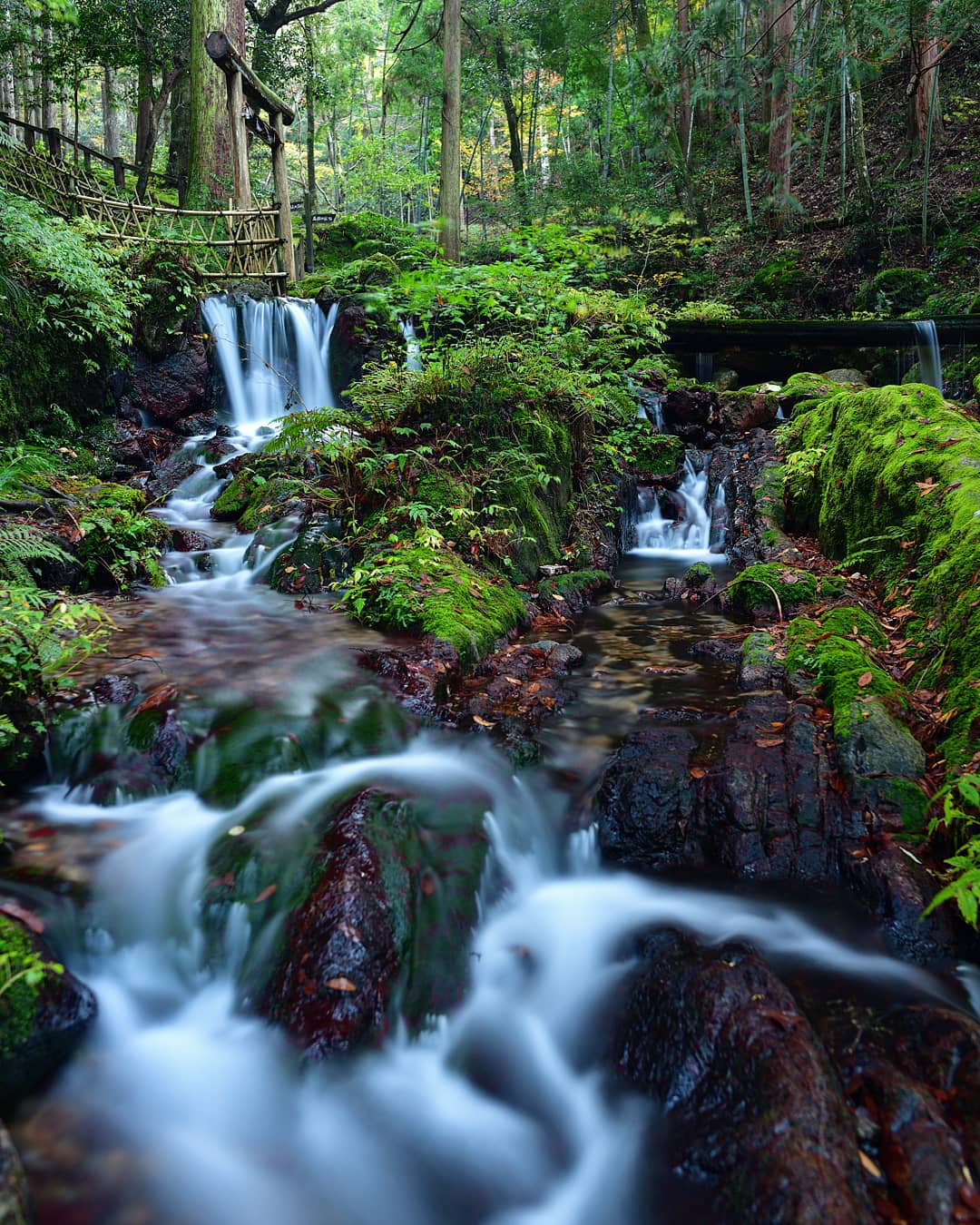

Harie’s Fresh Water (Shiga Prefecture Takashima City) Complete Guide | Experience Clear Stream Culture and Tourism Information at the Spring Water Village
Harie District in Takashima City, Shiga Prefecture is a small settlement located on the western shore of Lake Biwa, yet it maintains a unique water culture that continues to use spring water for daily living purposes. The spring water called “shōzu” (生水) in this area is not merely a natural resource, but a cultural heritage deeply connected to the lives of local residents. This article comprehensively introduces information you should know before visiting, including the charm of Harie’s fresh water, the kawabata (川端) system, tourism information, and access methods.
What is Harie’s Fresh Water | Spring Water Settlement Boasted by Shiga Prefecture
Meaning and Origin of Shōzu (Fresh Water)
“Shōzu” (生水) is a term in the local dialect of Harie District that refers to spring water. In this region, clean water naturally springs up from underground and exists throughout the settlement, having been utilized as living water since ancient times. The Harie District has approximately 80 spring water points, with an estimated 80,000 tons of water springing forth daily.
The water temperature remains stable at approximately 13-14 degrees Celsius year-round, feeling cold in summer and warm in winter. This abundant and pure water is utilized in every aspect of daily life, not only as drinking water but also for washing vegetables and dishes, and for rinsing rice.
Geographic Characteristics of Harie District
Harie District is located in Shinasahi Town, Takashima City, in the northwest of Lake Biwa. Seepage water flowing from the Hira Mountain Range creates abundant underground water veins that supply clean water throughout the settlement. This area is a flat land sandwiched between Lake Biwa and mountains, with sand and gravel layers that provide excellent drainage, which serves as the geological factor creating abundant spring water.
Paddy field landscapes spread around the settlement, preserving the traditional Japanese rural scenery to this day. Lake Biwa is within walking distance, and the environment surrounded by natural blessings of lake, mountains, and spring water has nurtured a unique living culture.
The Kawabata System | Water Utilization Culture Living with Daily Life
What is Kawabata?
A distinctive feature inseparable from discussing Harie District is the unique water utilization system called “kawabata” (川端). Kawabata refers to water places set up on individual household grounds or in shared locations that utilize spring water.
A typical kawabata has a three-tier structure, each with its own role:
- Motoike (元池): The uppermost section where freshly sprung clean water collects. Here, drinking water is drawn and vegetables and dishes are washed.
- Tsuboike (壺池): The middle pond where water flowing from the motoike collects. Carp and crucian carp are raised here, and fish consume food scraps that flow from washing in the motoike above, creating a natural purification system.
- Hataike (端池): The lowermost pond where further purified water flows into agricultural irrigation channels.
This three-tier structure embodies the wisdom of ancestors in utilizing water without waste while avoiding environmental pollution—a sustainable system.
Contemporary Significance of Kawabata Culture
In modern times, tap water has become widespread, and traditional water utilization culture has been lost in many regions. However, in Harie District, many households still use kawabata actively, making it an essential part of daily life.
This culture possesses multifaceted value beyond mere convenience:
- Environmental Conservation: Lifestyle with minimal use of chemical detergents, fish processing food waste, and other environmentally low-impact practices
- Community Maintenance: Connections among residents born through managing shared kawabata
- Disaster Preparedness: Natural water sources usable even during power outages or water shortages
- Cultural Identity: A local living culture to be inherited by future generations
In recent years, this kawabata culture has attracted domestic and international attention, becoming a research subject as a model case for sustainable society.
Water Quality and Characteristics of Harie’s Fresh Water
Purity and Safety
Harie’s fresh water is known for its high level of purity. Water springing from deep underground undergoes natural filtration and contains extremely few impurities. Local residents have long utilized this water as drinking water, and its safety has been proven through practice.
Water quality tests also show favorable results, with harmful microorganisms like E. coli rarely detected. However, as natural spring water, boiling is sometimes recommended before consumption. If you wish to drink it during a visit, follow the instructions of local residents.
Mineral Content and Taste
Harie’s fresh water is classified as soft water, characterized by a smooth and easy-to-drink flavor. It contains minerals like calcium and magnesium in well-balanced amounts, making it suitable for cooking and drinking.
Locally, rice cooked with this water is said to be exceptionally delicious, and the flavors of tea and coffee are enhanced. Also, vegetables washed with this water are said to maintain freshness better, allowing one to enjoy the original taste of ingredients.
Tourism in Harie District | Visiting the Fresh Water Village
Guided Tours by the Harie Shōzu no Sato Committee
To deeply understand Harie District, participating in a guided tour hosted by the “Harie Shōzu no Sato Committee” is recommended. During the tour, local guides lead visitors through the settlement, providing detailed explanations of the kawabata system, residents’ way of life, and the history of water culture.
Tour Features:
- Duration: Approximately 2 hours
- Small groups, visiting kawabata actually used by residents
- Tours of spring water points and historically significant buildings in the settlement
- Opportunities for interaction with local residents, allowing you to hear real-life stories
Reservation Method:
Tours are completely reservation-based. You must apply in advance by phone or through the website of the Harie Shōzu no Sato Committee. Reservations are especially likely to fill up on weekends and during tourist season, so early booking is recommended.
Points of Caution for Independent Exploration
Harie District is not a place developed as a tourist destination but a living place where people actually reside. When exploring independently, please pay careful attention to the following:
- Respect Privacy: Do not enter household grounds without permission
- Consideration for Kawabata: As these are living water sources, do not touch them or put objects in them
- Quiet Observation: Do not speak loudly or visit in large groups
- Photography: Always obtain permission before photographing residents or houses
- Litter Disposal: For environmental conservation, always take trash with you
Participating in a guided tour allows appropriate observation while respecting manners and provides deeper understanding, making it especially recommended for first-time visitors.
Nearby Tourist Attractions
When visiting Harie District, exploring nearby tourist attractions allows you to experience Takashima City’s charm more deeply:
Lake Biwa Shoreline: Within walking distance of Harie District, offering beautiful lake views. The lake at sunset is particularly beautiful and ideal for photography.
Shirahige Shrine: Famous for its torii gate floating on Lake Biwa. Located approximately 20 minutes by car from Harie District, it is also called the “Ōmi Itsukushima,” an scenic spot.
Makino Highland: A famous tourist destination known for its metasequoia tree-lined avenue. Enjoy beautiful scenery throughout the seasons, approximately 30 minutes by car from Harie District.
Michi no Eki Fujuki no Sato Adogawa: A roadside station where you can purchase fresh local agricultural products and specialties. Convenient for breaks and meals.
Access to Harie’s Fresh Water
Access by Public Transportation
By Train and Bus:
- Get off at “Shinasahi Station” on the JR Kosei Line
- Board the community bus “Gurutto Bus” from the station (approximately 10 minutes)
- Get off at “Harie” bus stop, approximately 5-minute walk
However, community buses have limited service, so it is important to check the timetable in advance. By taxi, it is approximately 10 minutes from Shinasahi Station to Harie District, with fare around 1,500 yen.
Access by Automobile
From Kyoto/Osaka:
- Approximately 1 hour from “Kyoto East IC” on the Meishin Expressway via National Route 161 (Kosei Road)
- Or approximately 40 minutes north from “Mano IC” on the Kosei Road via National Route 161
From Nagoya:
- Approximately 1 hour from “Maibara IC” on the Meishin Expressway via National Routes 8 and 161
Parking Information:
There is no large dedicated parking lot in Harie District. If participating in a guided tour, use designated parking spaces near the meeting place. For independent visits, avoid roadside parking and use nearby public parking facilities, or consider using public transportation.
Suitable Seasons and Times to Visit
Harie District can be visited year-round, with each season offering different charms:
Spring (March-May): Beautiful new greenery and pleasant climate. You can see agricultural preparations such as rice planting.
Summer (June-August): The coldness of spring water feels refreshing. However, heat protection is essential.
Autumn (September-November): Beautiful autumn scenery and rice harvesting landscapes. The most comfortable season.
Winter (December-February): Snow-covered water culture has its own charm. However, caution regarding cold and snow is necessary.
Morning hours are relatively quiet and suitable for observation. Considering residents’ daily schedules, avoid visits in early morning or nighttime.
Efforts to Preserve Harie’s Fresh Water
Conservation Activities by Local Residents
The spring water culture of Harie District is preserved through continued efforts by local residents. Each household performs daily cleaning and maintenance of their kawabata, while shared kawabata undergo maintenance management through a rotation system.
Centered on the “Harie Shōzu no Sato Committee,” organizational efforts for water quality conservation and cultural inheritance are carried out. Educational activities for younger generations and appropriate information provision to outside visitors are also responsibilities of this committee.
Environmental Conservation Awareness
In Harie District, the following environmental considerations are practiced to protect spring water:
- Minimizing use of chemical detergents, choosing environmentally low-impact options like soap
- When disposing of food scraps and cooking waste in kawabata, limiting to natural materials that fish can consume
- In agriculture, efforts to minimize use of chemical fertilizers and pesticides as much as possible
- Regular community-wide cleaning activities
These efforts not only protect water but also contribute to Lake Biwa’s environmental conservation. Since Harie’s water eventually flows into Lake Biwa, environmental care here has broader significance.
Why Harie’s Fresh Water Attracts Attention
Media Coverage
Harie’s fresh water has been featured in many media outlets. The district became widely known nationally after being introduced in NHK’s documentary program “Nippon Kiko,” and has since been featured in newspapers, magazines, television, and other media.
Particularly, the 2008 NHK program “The Water Country, Japan” provided detailed introduction of Harie’s kawabata culture, receiving significant domestic and international response. This program was distributed internationally, also increasing overseas visitors.
As a Model for Sustainable Society
The Harie lifestyle offers many suggestions for addressing environmental issues and sustainability challenges facing modern society:
- Circular Economy: A system that avoids polluting water while utilizing natural purification functions
- Utilization of Local Resources: Maximizing use of underground water as a region-specific resource
- Low-Energy Living: Utilizing natural water pressure rather than electric pumps
- Community Cohesion: Regional bonds created through shared resource management
These elements align with SDGs (Sustainable Development Goals) and are attracting attention from researchers and policymakers as hints for future society building.
Experiencing Harie’s Fresh Water | Actual Visit Report
Guided Tour Experience
Visitors who have actually participated in guided tours share the following impressions:
“Initially, I thought it was simply a spring water tourism site, but upon visiting, I was moved by the depth of life of people living with water. Watching residents wash vegetables at a kawabata, I was amazed at the coldness and transparency of the water.”
“The guide’s explanation was extremely thorough, and I came to understand why this region’s spring water culture continues, including its historical background and residents’ efforts. It was a learning experience, not mere tourism.”
“Visiting with my child, the child was delighted seeing the carp at the kawabata. It was a valuable opportunity to learn about natural systems—an experience that could never be had in the city.”
Recommended Clothing and Items
When visiting Harie District, the following preparation is recommended:
Clothing:
- Comfortable walking shoes (for walking around the settlement)
- Seasonally appropriate clothing (sun protection and heat countermeasures in summer, cold protection in winter)
- Hat (when sun is strong)
Items:
- Beverages (especially in summer)
- Camera (respecting photography manners)
- Notebook (recording what you learn in guided tours)
- Insect repellent spray (in summer)
Relationship Between Harie’s Fresh Water and Lake Biwa
Role as Water Source of Lake Biwa
Spring water in Harie District originates from seepage water flowing from the Hira Mountain Range. This water, after being used in the settlement, ultimately flows into Lake Biwa. Lake Biwa is Japan’s largest freshwater lake and serves an important role as water source for 14.5 million people in the Kinki region.
Clean water like that in Harie District flowing into Lake Biwa contributes to maintaining the lake’s overall water quality. Conversely, polluting Harie’s water directly impacts Lake Biwa’s environment, making residents’ high environmental awareness extremely important.
Living in Coexistence with Lake Biwa
People in Harie District have lived within deep connections with Lake Biwa. Receiving blessings through fishing, water transport, and abundant spring water, they simultaneously recognize their responsibility to protect the lake.
In recent years, water quality deterioration and ecosystem changes have become problems in Lake Biwa, and efforts like those in Harie District are expected as a model case for Lake Biwa’s overall environmental conservation.
Future of Harie’s Fresh Water | Inheritance to Next Generation
Successor Problems and Countermeasures
Harie District, like many rural areas in Japan, faces challenges of population decline and aging. Maintaining kawabata culture requires daily management and maintenance, and passing this on to future generations is an important issue.
The region is undertaking the following initiatives:
- Incorporating Harie’s water culture into environmental education programs in elementary and junior high schools
- Accepting migrants from urban areas and passing down culture
- Securing economic sustainability through utilization as tourism resource
- Collaboration with universities and research institutions for academic value dissemination
Balancing Tourism and Daily Life
As Harie District’s fame increases, visitor numbers also grow. While this contributes to regional revitalization, concerns about impact on residents’ lives are also raised.
The “Harie Shōzu no Sato Committee” maintains appropriate balance between tourism and daily life through visitor number limitations on guided tours, time settings, and etiquette promotion. Each individual visitor’s understanding of this region’s characteristics and respectful visitation contribute to sustainable cultural inheritance.
Conclusion | What Harie’s Fresh Water Teaches Us
The “shōzu” (fresh water) of Harie District in Takashima City, Shiga Prefecture is not merely a tourist spot. Here exists the wisdom of people living in harmony with nature and the efforts of the community to preserve it to the present day.
The kawabata system embodies the essence of sustainable society—valuing water, avoiding environmental pollution, and supporting through community bonds. In modern society pursuing convenience and efficiency, Harie’s way of life reminds us of something precious.
Visiting Harie’s fresh water is not only about viewing beautiful scenery but also an opportunity to contemplate future society. Please visit this water village once, experiencing the charm of clear spring water and the lives of people protecting it.
When visiting, deepen your learning through participation in guided tours, not forgetting respect for local residents, and experience the charm of Harie’s fresh water with hopes that this precious culture will be inherited into the future.